



The idea of a carbon-positive city can sound ambitious, even a little futuristic. Yet at its core, it is a practical way of thinking about urban life. Rather than aiming only to reduce harm, a carbon-positive city works toward a condition where it removes more greenhouse gases from the atmosphere than it emits. That means cleaner buildings, lower-emission transportation, better waste systems, healthier urban forests, and governance that measures progress carefully. It is not a marketing slogan or a single technology. It is a long-term urban strategy built from many coordinated decisions.
Table Of Content
- What Carbon-Positive Really Means in a City Context
- Why Cities Matter So Much in the Climate Transition
- Start with Buildings, Because They Shape the Urban Carbon Footprint
- Near-net-zero retrofits are a practical bridge
- Reinvent Urban Mobility with Cleaner, More Convenient Options
- Design matters as much as technology
- Waste, Circular Systems, and the Often Overlooked Emissions Opportunity
- Nature-Based Solutions Are Essential, But They Work Best After Deep Cuts
- Community Involvement Is Not a Soft Add-On
- Governance, Climate Budgeting, and Why Measurement Builds Credibility
- Real-World Building Blocks from Cities Already Taking Action
- A Step-by-Step Pathway for Cities Moving Toward Carbon-Positive Outcomes
- Common Misconceptions That Can Slow Progress
- The Opportunity Ahead
For most cities, this goal is not reached overnight, and it is important to be precise about that. Few large cities can credibly claim to be fully carbon-positive today, especially when emissions from buildings, mobility, materials, and infrastructure are counted comprehensively. What cities can do, however, is move steadily along a realistic pathway. That pathway usually begins with measuring emissions, cutting the biggest sources first, electrifying energy systems, improving efficiency, expanding natural carbon sinks, and only then addressing the remaining hard-to-abate emissions. Framed this way, carbon-positive urbanism becomes less about perfection and more about disciplined progress.
This shift is especially relevant in Canada and across North America, where cities are increasingly central to climate action. Canada is legally committed to net-zero greenhouse gas emissions by 2050 under the Canadian Net-Zero Emissions Accountability Act, and the country’s 2030 target is a 40 percent to 45 percent reduction below 2005 levels. National goals matter, but local governments shape many of the systems that determine whether those goals are achievable. Cities influence land use, building standards, transit, fleets, procurement, green infrastructure, and waste management. In practical terms, that means urban policy can either lock in emissions for decades or steadily reduce them while improving quality of life.
What makes the carbon-positive conversation more useful now is that it has matured. The focus is shifting away from broad promises and toward implementation, financing, and measurable outcomes. Funding tools like the Federation of Canadian Municipalities’ Green Municipal Fund support municipal projects that reduce greenhouse gas emissions and pilot innovative solutions. At the same time, global city networks are sharing real examples of what works, from climate budgeting in New York City to building standards in London and reforestation efforts in Freetown. These are not abstract ideals. They are building blocks that can be adapted to local conditions.
The encouraging part is that a carbon-positive future does not depend on one dramatic breakthrough. It depends on many achievable choices made consistently over time. When a city upgrades its housing stock, electrifies buses and service vehicles, adds protected cycling routes, diverts organics from landfill, restores tree canopy, and invites residents into the process, it begins to reshape its carbon balance. Each step may seem modest on its own, but together they create a different urban metabolism, one that is cleaner, healthier, and more resilient.
A carbon-positive city is not simply a place with more trees or a few green buildings. It is a city that cuts emissions deeply across its core systems first, then builds its capacity to remove and store more carbon than it produces.
Understanding that distinction matters because one of the biggest misconceptions is that carbon-positive urbanism can be achieved through offsets or tree planting alone. Nature-based solutions are valuable, and urban forestry is increasingly important for cooling neighborhoods and storing carbon. Still, they work best when paired with aggressive reductions in the biggest urban emissions sources. According to UN-Habitat’s World Cities Report 2024, buildings account for 17.5 percent of global greenhouse gas emissions, transport for 16.2 percent, and waste for 3.2 percent. When embodied emissions from construction are included, buildings rise to 37 percent of emissions. That tells us where serious urban climate work must begin.
So what does a credible path look like? It starts with data, but it quickly becomes tangible. Better insulation in older apartment buildings, heat pumps replacing fossil fuel heating, procurement rules that favor low-carbon materials, bus lanes that improve transit speed, electric municipal fleets, district energy systems, composting programs, and expanded tree canopy are all examples of city-scale decisions with measurable climate benefits. The best strategies are not only low-carbon. They are also easier to maintain politically because they improve comfort, health, mobility, and local resilience.
Just as important, the most successful urban climate strategies are people-centred. Residents need to see how changes will affect daily life, housing costs, comfort, commuting time, and neighborhood quality. Climate policy that ignores affordability or access often struggles to gain trust. Carbon-positive planning, done well, is not about pressuring people into ideal behavior. It is about designing systems that make lower-carbon choices more convenient, reliable, and attractive.
What Carbon-Positive Really Means in a City Context
Before looking at strategies, it helps to clarify terminology. A net-zero city aims to balance the greenhouse gases it emits with the amount removed or offset, ideally after reducing emissions as much as possible. A carbon-positive or climate-positive city goes one step further by removing more carbon than it emits. In practice, there is no single universal legal definition used everywhere, which is why credible city claims should always be tied to transparent accounting methods and clear boundaries. Does the city count only municipal operations, or does it include community-wide emissions from buildings, transport, waste, and construction? Those details matter.
Because accounting is complex, it is often more honest and more useful to describe most current examples as cities working toward carbon-positive outcomes rather than cities that have already arrived. This does not weaken the idea. In fact, it strengthens it. A well-defined pathway allows municipal leaders, residents, businesses, and investors to understand what progress looks like in stages. It also avoids the impression that a city can skip over difficult structural changes by relying too heavily on offsets or symbolic projects.
A practical carbon-positive framework generally unfolds in a sequence. First comes measurement, because cities need a robust inventory of where emissions are coming from. Second comes reduction in the biggest sectors, which usually means buildings, transportation, and energy. Third comes system redesign through electrification, renewable power, land-use planning, and circular waste systems. Fourth comes sequestration through urban forests, restored landscapes, green infrastructure, and in some cases bio-based materials or local carbon capture approaches. Finally, cities address hard-to-abate emissions that remain after everything else is improved. This sequencing matters because it keeps the focus on real decarbonization.
The concept also reflects a broader shift in how we think about urban development. For decades, sustainability was often framed as reducing damage. Carbon-positive thinking introduces a more regenerative lens. Instead of asking only how to make cities less harmful, it asks how they can contribute positively to ecological recovery while still supporting housing, jobs, mobility, and economic activity. That is a more demanding standard, but it also invites more creative and integrated solutions.
Why Cities Matter So Much in the Climate Transition
Cities are where emissions concentrate, but they are also where solutions scale fastest. Urban areas contain dense networks of buildings, infrastructure, services, and people, which means a well-designed policy can affect thousands or millions of daily decisions at once. A building retrofit standard changes the energy performance of entire neighborhoods. A cleaner bus fleet improves air quality for everyone on the route. A better zoning framework can support transit-oriented development that reduces car dependence for decades. This density of impact is one reason cities are such powerful climate actors.
Municipal governments may not control every source of energy or every industrial process, but they influence an extraordinary number of practical levers. They approve developments, maintain roads, shape parking policy, operate public facilities, procure vehicles and equipment, manage waste contracts, and often lead public engagement on local priorities. In Canada, that role is increasingly supported by national frameworks and funding streams. Federal policy makes clear that local governments are central to the transition, and municipal financing tools are becoming more sophisticated and more targeted toward measurable climate results.
There is also a simple human reason cities matter. Urban residents experience climate action through daily life, not through national targets on a page. They notice whether homes are drafty or comfortable in winter. They notice whether the bus is reliable enough to replace a car trip. They notice whether a street has shade during a heat wave. They notice whether flood protection and drainage systems hold up in extreme weather. These everyday experiences shape public support for climate policy far more than abstract commitments do.
That is why city-scale action tends to work best when climate goals are integrated with other municipal priorities. A retrofit program can lower emissions, but it can also reduce utility bills and improve indoor health. An urban forest can store carbon, but it can also cool vulnerable neighborhoods and improve stormwater management. Electrifying public fleets can reduce emissions, but it can also cut noise and local air pollution. The more these benefits are visible, the easier it becomes to sustain momentum.
Start with Buildings, Because They Shape the Urban Carbon Footprint
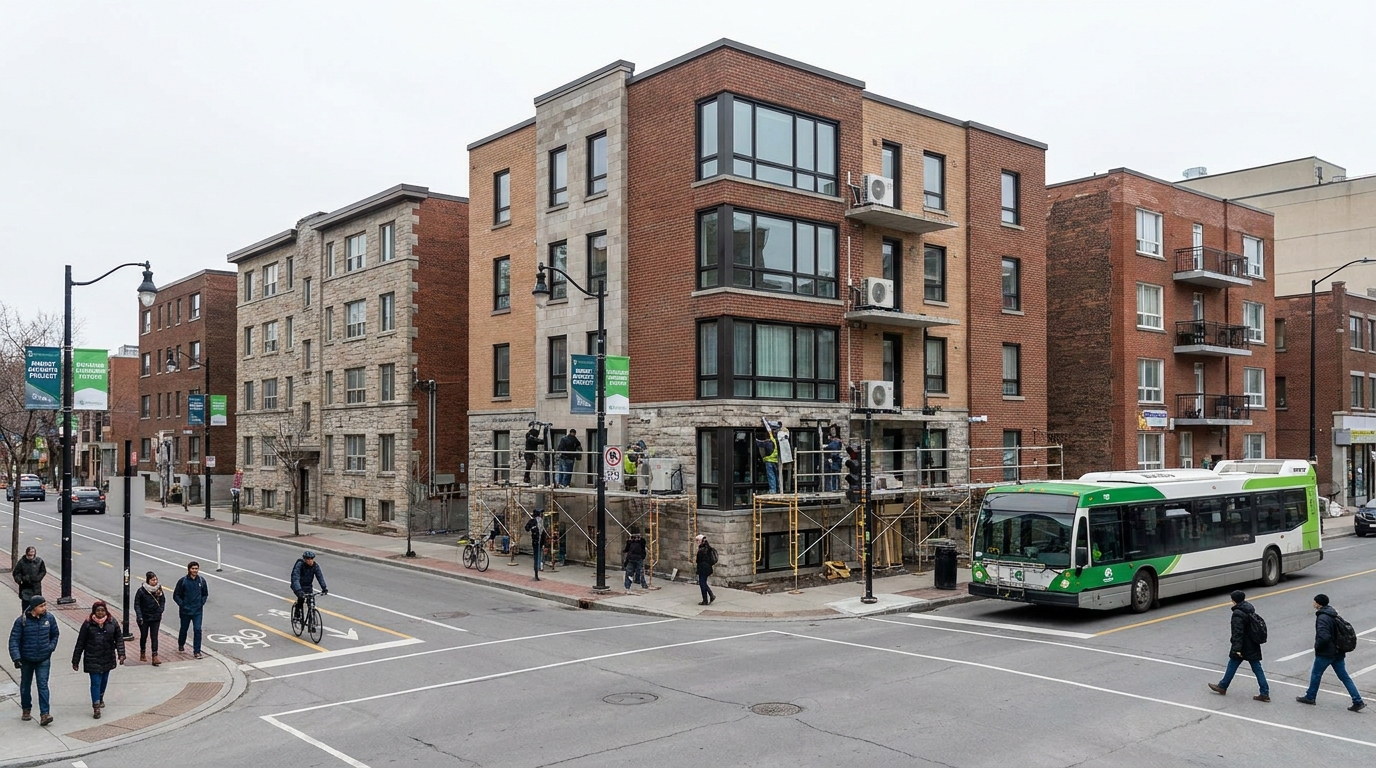
If cities want to move credibly toward carbon-positive status, buildings are one of the first places to focus. Existing homes, towers, offices, schools, and civic facilities consume energy every day, often through systems that were installed decades ago. Heating, cooling, hot water, lighting, ventilation, and envelope performance all influence emissions. In colder climates, fossil fuel heating remains a particularly important issue. The challenge is large, but so is the opportunity, because building improvements can deliver reliable and lasting reductions.
Retrofitting older buildings is often more impactful than waiting for new green buildings alone. High-performance windows, stronger insulation, better air sealing, heat recovery ventilation, smart controls, and electric heat pumps can sharply reduce operational emissions. Municipalities can support these upgrades through financing, permitting support, performance standards, and partnerships with utilities and housing providers. For residents, the result is often a home that feels more comfortable and costs less to operate, which helps climate policy feel grounded rather than theoretical.
New construction matters too, especially in fast-growing regions. Strong building codes, low-carbon design standards, and procurement rules for public projects help ensure that future buildings do not lock in unnecessary emissions. One critical area is embodied carbon, the emissions linked to materials and construction itself. As UN-Habitat notes, when embodied construction emissions are counted, the building sector’s share rises dramatically. That means cities need to think not only about how buildings operate, but also about what they are made of, how long they last, and whether materials can be reused or sourced more responsibly.
Some of the most promising urban approaches combine retrofits with district-scale planning. Instead of treating every building as an isolated unit, cities can support neighborhood energy systems, coordinated electrification, and area-based retrofit programs. This can make upgrades more cost-effective and easier to deliver, especially in apartment districts or mixed-use corridors. It also opens the door to district energy, shared thermal networks, and other forms of local resilience that help reduce dependence on more carbon-intensive systems.
Near-net-zero retrofits are a practical bridge
The phrase near-net-zero retrofit may sound technical, but the idea is straightforward. It refers to upgrading an existing building so that its energy use and associated emissions fall dramatically, often to a level close to what a new high-performance building might achieve. Programs supported by municipal and federal funding increasingly point in this direction because the gains are tangible and scalable. Every upgraded building becomes part of a larger urban transition, and every successful project helps normalize the next one.
Importantly, retrofits can also be designed with equity in mind. Lower-income households often live in buildings with poorer thermal performance and higher energy burdens. When cities support affordable housing retrofits, they are reducing emissions while also improving public health and reducing exposure to energy price volatility. This is a good example of how people-centred climate policy becomes stronger, not weaker, when it pays attention to social outcomes.
Reinvent Urban Mobility with Cleaner, More Convenient Options
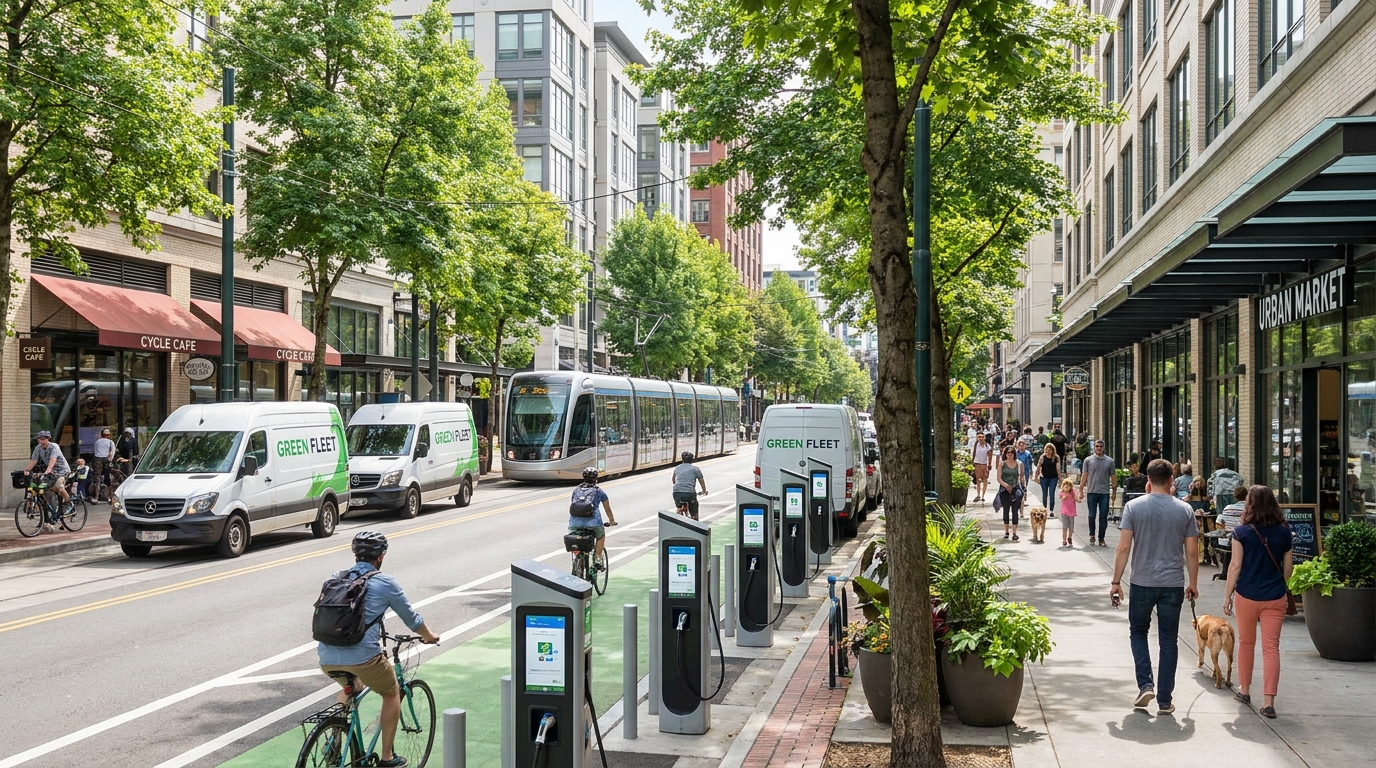
Transportation is another major part of the urban carbon equation, and it is often where residents feel change most directly. A carbon-positive city cannot rely on private vehicles as the default for nearly every trip. It needs a transportation system that gives people appealing alternatives, especially for daily commuting, school runs, shopping, and local errands. That means more reliable public transit, safer walking routes, protected cycling infrastructure, and cleaner vehicles where motorized travel is still necessary.
Transit investment is one of the most practical urban climate tools because it reduces emissions while improving access. Frequent bus service, dedicated lanes, integrated fares, and comfortable stops can shift real travel behavior, particularly when paired with land-use planning that supports denser, mixed-use neighborhoods. Electrifying transit fleets adds another layer of benefit by reducing both greenhouse gas emissions and local air pollution. The result is not just a cleaner city, but often a quieter and more pleasant one.
Municipal fleet electrification is another achievable step. Cities manage buses, service vans, waste trucks, maintenance vehicles, and sometimes ferries or specialty equipment. Replacing these with electric alternatives, while building charging infrastructure strategically, allows municipalities to cut emissions from operations they directly control. This matters symbolically and practically. It shows leadership, creates local experience with charging systems, and can stimulate wider market confidence.
Another trend worth watching is the rise of zero-emission zones and low-emission freight policies. C40’s Zero Emission Area Programme highlights how these policies encourage walking, cycling, public transport, and zero-emission vehicles, with 14 Dutch cities introducing zero-emission freight zones in January 2025. The exact model will vary by place, but the principle is clear. Dense urban areas can prioritize cleaner movement by reshaping access rules, curb management, delivery logistics, and street design. Over time, that changes how goods and people move through the city.
Design matters as much as technology
It is tempting to think transport decarbonization is mainly about swapping gas vehicles for electric ones. Electrification is essential, but design matters just as much. A city where daily needs are closer to home naturally reduces travel demand. Mixed-use neighborhoods, transit-oriented development, and streets designed for people rather than throughput alone can lower emissions in ways that are durable and hard to reverse. This is where climate planning and urban design become inseparable.
A well-designed mobility system also supports inclusion. Not everyone can drive, and not everyone wants the cost of car ownership. When cities invest in transit, cycling, sidewalks, and safe public space, they create a mobility system that is more affordable and more accessible. That is an important part of a just transition. Carbon-positive cities should not be cleaner only for those who can pay more. They should work better for more people.
Waste, Circular Systems, and the Often Overlooked Emissions Opportunity
Waste is a smaller share of total global urban emissions than buildings or transport, but it still offers meaningful opportunity, especially because methane from landfills is a potent greenhouse gas. Cities that improve organics collection, composting, anaerobic digestion, repair systems, and material recovery can reduce emissions while making local infrastructure more efficient. These systems also connect to broader circular economy goals, where materials stay in use longer and less value is lost through disposal.
Organic waste is especially important. Food scraps and yard waste that decompose in landfill release methane, while source-separated organics can be composted or converted into biogas under controlled conditions. Municipal support for organics diversion, whether through curbside collection or local processing facilities, is a very practical piece of the carbon-positive puzzle. It is not always the most visible climate action, but it is often among the more measurable.
Construction and demolition waste deserve attention as well. Since embodied carbon is significant, extending the life of materials and encouraging deconstruction, salvage, and reuse can reduce emissions associated with new extraction and manufacturing. Municipal procurement standards can help create demand for low-carbon and recycled materials, while permitting frameworks can make circular practices easier to adopt. Over time, these choices begin to reshape local building markets.
Cities can also use procurement as a climate tool in less obvious ways. Buying durable goods, favoring repairability, setting recycled-content standards, and choosing lower-carbon suppliers all contribute to a more climate-aligned urban economy. Individually these decisions may appear modest, but procurement is one of the clearest mechanisms municipalities have for translating climate values into daily operations.
Nature-Based Solutions Are Essential, But They Work Best After Deep Cuts
Urban forests, wetlands, green corridors, and restored landscapes are among the most visible ingredients in a carbon-positive vision. They absorb carbon, reduce heat stress, improve biodiversity, support stormwater management, and make neighborhoods more livable. In practical terms, they also help residents see climate action as something tangible and local. A shaded street, a greener schoolyard, or a restored creek corridor can change how people experience their city day to day.
Canada’s municipal climate landscape increasingly recognizes this value. FCM materials note that the Growing Canada’s Community Canopies initiative will support planting at least 1.2 million trees across Canada by the end of March 2031. Large-scale canopy programs can play a meaningful role in urban climate strategy, especially where neighborhoods suffer from heat-island effects and limited green space. But it is important to be honest about what tree planting can and cannot do on its own.
A city does not become carbon-positive simply by adding more trees while emissions from buildings and transport remain high. Trees take time to mature, require maintenance, and can be vulnerable to drought, disease, and development pressure. Nature-based solutions are strongest when they sit on top of serious emissions reductions. In other words, they should complement decarbonization, not substitute for it. This balanced approach leads to more credible outcomes and more resilient urban ecosystems.
That said, urban greening has benefits that go far beyond carbon accounting. Tree canopy can reduce cooling demand in buildings, slow runoff during storms, improve mental wellbeing, and make active transportation more comfortable. Green roofs and bioswales can also support resilience while reducing local environmental stress. These co-benefits are part of why nature-based solutions remain such a valuable part of the urban climate toolkit.
Community Involvement Is Not a Soft Add-On
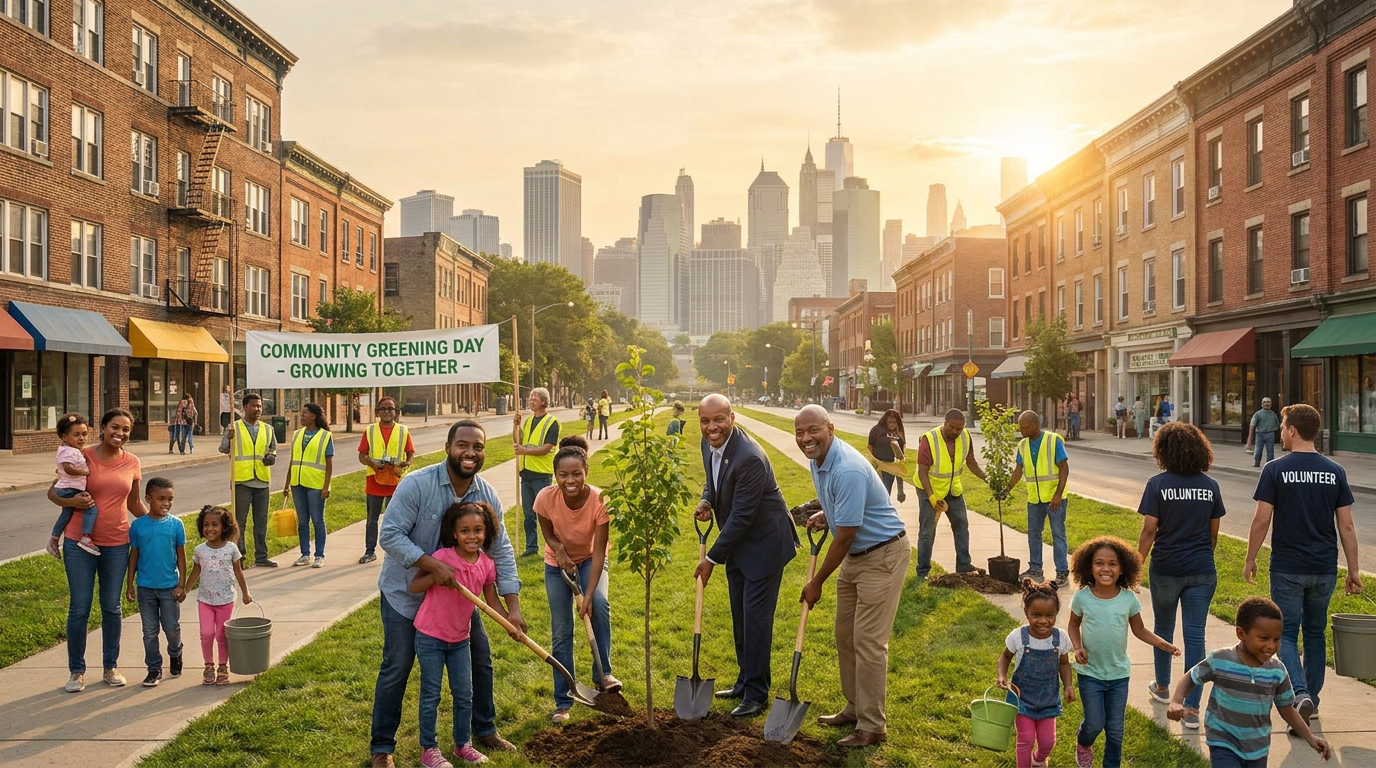
One of the most important lessons in urban climate work is that community involvement is not optional. It is a core condition for success. UN-Habitat’s 2024 work emphasizes inclusive climate action and a just transition, and Canadian climate policy also highlights public participation. This is more than a matter of outreach. Community engagement can materially improve adoption, maintenance, legitimacy, and equity outcomes. When residents understand projects and help shape them, they are more likely to support them and less likely to experience them as externally imposed.
Neighborhood retrofit programs are a good example. A technically sound building upgrade can still fail if tenants are not informed, if disruptions are poorly managed, or if benefits are not shared fairly. Transit improvements can face resistance if residents believe they will lose access or face higher costs without better service. Tree-planting projects can underperform if long-term care is not planned with local partners. Community process does not slow climate action by definition. Often it is what allows climate action to endure.
There are many practical ways to involve residents meaningfully. Participatory budgeting can let communities help decide which climate projects are prioritized. Local stewardship groups can support tree maintenance and greening efforts. Schools and libraries can host energy literacy programs tied to neighborhood retrofits. Indigenous partnerships can strengthen land stewardship, governance, and long-term ecological thinking. Citizen-led waste reduction campaigns can improve participation rates in organics and recycling systems. None of these actions replace municipal leadership, but they make it more effective.
The tone of engagement matters too. People respond better when climate choices are presented as achievable improvements rather than moral tests. A practical, respectful approach acknowledges that households are balancing cost, convenience, time, and uncertainty. Cities that meet residents where they are tend to build stronger coalitions. That is especially true in periods of economic pressure, when trust and clarity are as important as technical planning.
The strongest climate plans are often the ones that make daily life better in visible ways. Comfort, cleaner air, reliable transit, shade, and lower energy bills are not side benefits. They are how urban climate policy earns public confidence.
Governance, Climate Budgeting, and Why Measurement Builds Credibility
Ambitious climate goals mean little without a way to connect them to daily decisions. This is where governance tools such as climate budgeting become especially useful. C40’s 2024 Annual Report highlights climate budgeting in cities including New York City, London, Mumbai, and Rio de Janeiro, signaling that city-level climate accounting is becoming more mainstream. The idea is straightforward but powerful. Municipal budgets are examined through a climate lens so that spending decisions, capital planning, and departmental priorities align more clearly with emissions goals.
For a city pursuing a carbon-positive pathway, climate budgeting helps move climate from the margins into core governance. Instead of treating sustainability as a separate silo, it becomes part of transportation planning, asset management, housing investment, parks, and procurement. This improves accountability because officials can see whether public spending is reinforcing or undermining long-term climate goals. It also makes trade-offs more transparent, which is essential for public trust.
Good governance also depends on accurate inventories and clear baselines. Cities need to know what they are counting, how often they measure it, and where the largest changes are occurring. Community-wide inventories, municipal operations reporting, building benchmarking, and infrastructure performance data all contribute to a clearer picture. This can sound technical, but it has a calming effect on climate planning because it turns large ambitions into manageable categories and timelines.
Measurement matters for financing as well. Lenders, grant-makers, and public agencies increasingly want evidence that climate investments will produce measurable outcomes. Programs like the Green Municipal Fund are valuable partly because they support projects with practical environmental results. As the implementation era of climate action continues, cities that can demonstrate strong governance and clear metrics are likely to be better positioned for funding and partnerships.
Real-World Building Blocks from Cities Already Taking Action
It is helpful to look at real-world examples not as proof that the journey is finished, but as evidence that specific pieces of the transition are already underway. C40’s recent reporting points to several useful models. Freetown’s reforestation efforts demonstrate how urban canopy and restoration can be approached at scale. London’s net-zero building standards show how regulation can raise performance expectations in the built environment. New York City’s climate budgeting illustrates how governance can connect emissions goals to actual spending. Cape Town’s solar initiatives highlight the role of renewable energy in strengthening local systems.
For North American readers, these examples are most valuable when translated into practical lessons. The first lesson is that cities do not need to wait for a perfect future framework. They can begin with the tools they already influence, such as building standards, transit service, fleet replacement schedules, public land, and capital planning. The second lesson is that no single intervention is enough. The cities making the most credible progress are layering policies, infrastructure, finance, and public participation together.
Another useful example comes from the spread of zero-emission freight zones in Dutch cities. Freight is often overlooked in public climate discussions, yet last-mile delivery and commercial access shape congestion, air quality, and urban emissions significantly. By setting cleaner rules for dense urban districts, cities can improve logistics without stopping economic activity. This illustrates a broader point. Carbon-positive planning is not about shutting cities down. It is about updating the systems that keep them moving.
North American municipalities also have their own important strengths. Many are already piloting near-net-zero civic buildings, electric buses, community energy planning, and urban canopy strategies. Canada’s policy environment is making these efforts more actionable through federal targets and municipal funding. The challenge now is scaling from isolated successes to integrated citywide pathways.
A Step-by-Step Pathway for Cities Moving Toward Carbon-Positive Outcomes
While every municipality has different geography, infrastructure, and political realities, the broad sequence toward carbon-positive outcomes is becoming clearer. What matters is not copying another city exactly, but understanding the order of operations and adapting it wisely.
-
Measure emissions honestly. Establish a transparent baseline that includes major urban sources such as buildings, transport, waste, and where possible embodied carbon. Without this, claims and priorities remain weak.
-
Target the biggest sectors first. In most cities this means retrofitting buildings, cleaning up energy use, and reducing transport emissions through transit, active mobility, and electrification.
-
Use policy to lock in better choices. Building standards, zoning, parking reform, procurement rules, and infrastructure design all shape emissions over decades.
-
Invest in enabling infrastructure. Charging networks, district energy, resilient grids, organics systems, and green infrastructure create the conditions for lower-carbon daily life.
-
Expand carbon sinks responsibly. Urban forestry, wetland restoration, green corridors, and soil-focused landscape strategies can strengthen sequestration and resilience.
-
Bring communities into implementation. Engagement, local stewardship, and equity-focused planning improve project success and social legitimacy.
-
Track outcomes and adjust. Climate budgeting, annual reporting, and performance reviews help cities refine what works and redirect resources when needed.
This progression is useful because it keeps expectations grounded. A city does not become carbon-positive by declaration. It becomes carbon-positive through years of coordinated decisions that steadily reduce emissions, reshape infrastructure, and increase ecological capacity. The process is cumulative, which means early actions matter even if they seem modest at first.
Common Misconceptions That Can Slow Progress
One common misunderstanding is that carbon-positive simply means net zero with better branding. It does not. Net zero is about balancing emissions. Carbon-positive implies going beyond balance to remove more carbon than is emitted. That is a higher bar, and it should be treated carefully. Clear definitions and transparent methodology protect the concept from becoming vague.
Another misconception is that urban carbon goals can be solved by a single green gesture. Tree planting is valuable, but it cannot cancel out high-emission buildings and transport systems on its own. Likewise, buying offsets without deep local emissions cuts can give a misleading impression of progress. The most credible pathways emphasize reductions first, then sequestration and carefully bounded treatment of residual emissions.
Some people also assume cities are too limited to make a meaningful difference without national governments. National policy is certainly important, but cities have more influence than this view suggests. Municipal policy, procurement, zoning, transit, public housing, civic buildings, fleet management, and green infrastructure all affect emissions significantly. Cities may not control every lever, but they control enough to shape real outcomes.
Finally, there is a tendency to frame community engagement as a communications exercise rather than an implementation tool. In reality, residents often determine whether projects are accepted, maintained, and trusted over time. A climate plan that works technically but not socially is unlikely to deliver its full promise.
The Opportunity Ahead
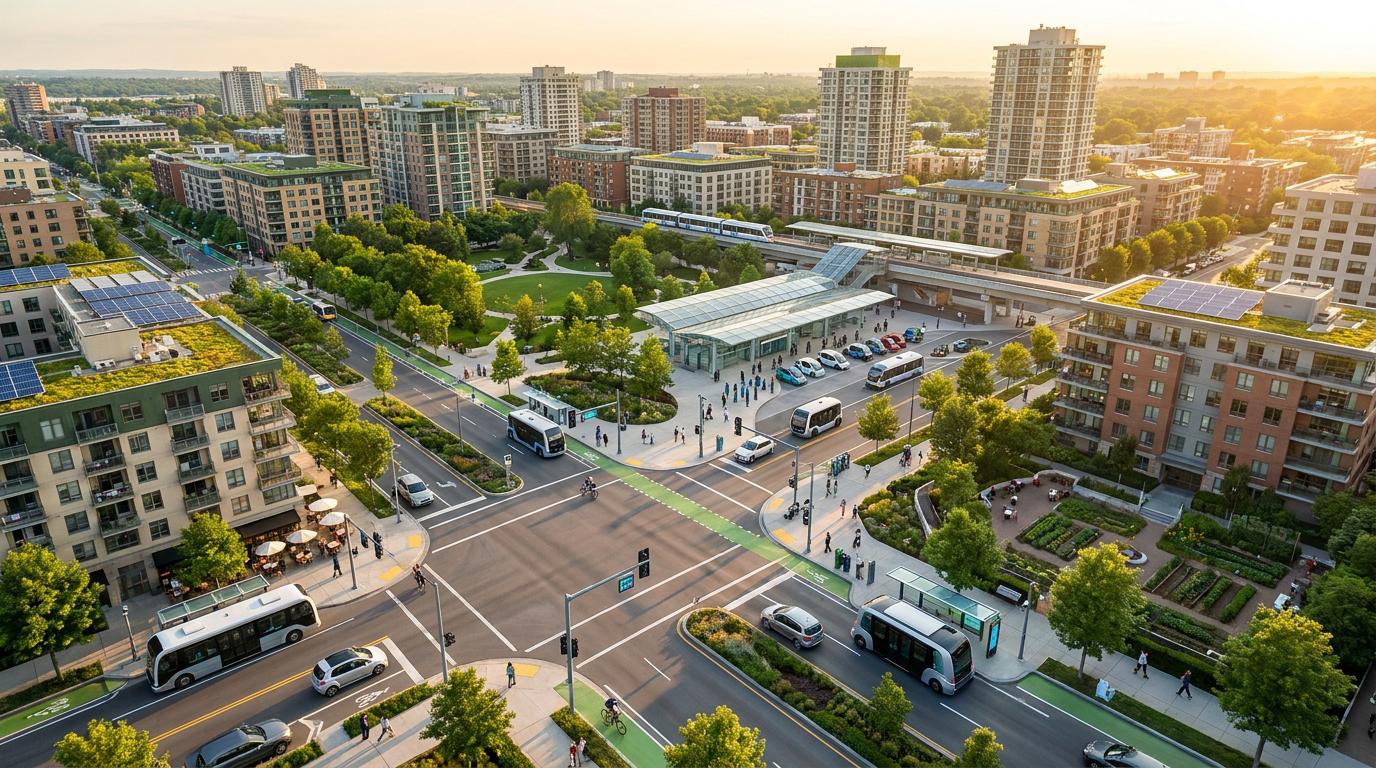
Building a carbon-positive city is not about chasing a fashionable label. It is about creating an urban system that emits less, stores more, and serves people better. In practical terms, that means warmer homes in winter, cooler streets in summer, cleaner air, more reliable transit, lower operating costs, greener neighborhoods, and more resilient infrastructure. These are not fringe aspirations. They are increasingly central to how well a city functions.
The encouraging reality is that many of the necessary tools already exist. Canada’s legal commitment to net zero by 2050, its 2030 emissions target, federal and municipal funding programs, and the growing use of climate budgeting all point to a stronger enabling environment. Municipalities do not have to invent the entire transition from scratch. They need to connect proven building blocks into coherent local strategies and keep those strategies focused on implementation.
There is also room for optimism in the way urban climate work is becoming more concrete. Instead of talking only about distant targets, cities are now discussing fleet procurement, retrofit financing, zero-emission freight access, community canopies, resilient infrastructure, and neighborhood-level delivery. This is where meaningful change happens. It is less dramatic than a single grand announcement, but it is far more durable.
For residents, the idea of a carbon-positive city can be reassuring when it is framed properly. It does not demand instant perfection. It asks for steady improvement, thoughtful design, and long-term commitment. It recognizes that technology matters, but so do trust, fairness, and daily experience. Above all, it suggests that the future of urban sustainability is not only about reducing harm. It is about building cities that actively contribute to a cleaner, healthier environment.
That future will look different from place to place. A growing prairie city, a coastal metro region, and a northern community will each have their own path. Yet the underlying logic remains consistent. Measure carefully. Reduce deeply. Electrify intelligently. Restore nature. Involve the community. Align budgets with goals. Keep going. Step by step, those choices can move a city beyond carbon reduction and toward something more regenerative, more resilient, and more hopeful.


No Comment! Be the first one.