
Retrofitting Existing Housing May Be One of Canada’s Most Practical Climate Tools
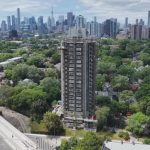
One of the most sustainable buildings is often the one already standing. A Toronto seniors’ apartment tower now being upgraded without relocating residents shows why deep retrofits are becoming central to both climate action and housing affordability. As CBC News reported, Ray McCleary Towers at 444 Logan Avenue is being wrapped in prefabricated exterior panels, upgraded with new mechanical systems, and planned as a net-zero building while more than 160 seniors remain in place.
The environmental value of this approach starts with preservation. Demolishing an older tower and replacing it with a new one carries a large upfront carbon cost from concrete, steel, transportation, and construction activity. Extending the life of an existing building can avoid much of that embodied carbon while improving comfort and performance. For aging rental and affordable housing stock, that balance matters. It keeps homes available and reduces emissions at the same time.
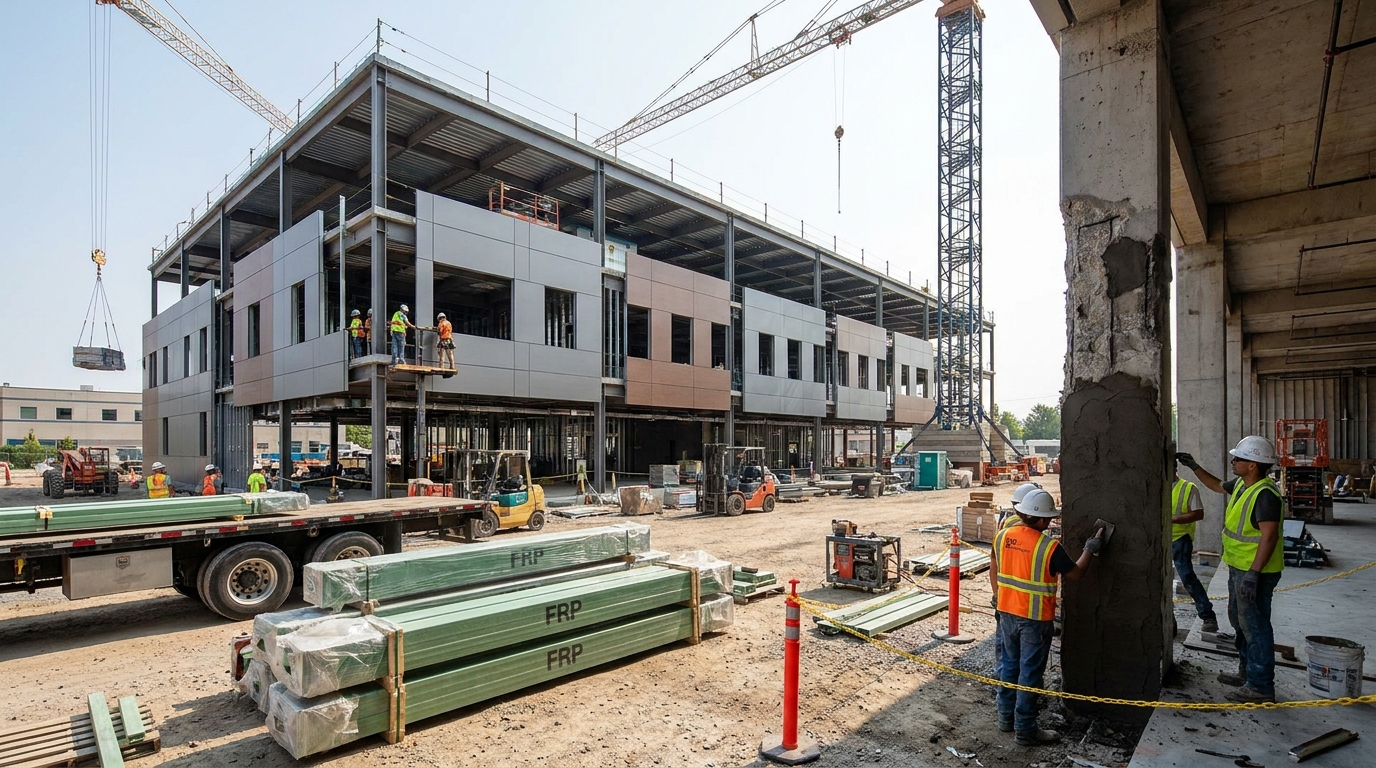
The “winter coat” idea described by the project team is a useful way to understand the retrofit. By adding high-performance prefabricated panels to the exterior, the building envelope becomes better insulated and more airtight. That means less heat escaping in winter, less unwanted heat entering in summer, and lower demand on heating and cooling systems. In practical terms, a better envelope is not just about energy savings. It also supports more stable indoor temperatures, fewer drafts, and improved resilience during extreme weather.
Mechanical upgrades are equally important. The project includes full-building air conditioning, dehumidification, and direct ventilation into each suite. For seniors and vulnerable residents, these are health measures as much as efficiency measures. As Canadian cities face hotter summers and more humid conditions, older apartment buildings without reliable cooling or fresh-air systems are increasingly difficult to maintain safely. A deep retrofit can address climate mitigation and climate adaptation together.
Deep retrofits work best when they improve energy performance, resident comfort, and long-term housing stability at the same time.
The use of prefabricated panels also points to an important shift in green building. Factory-made components can improve quality control, reduce on-site waste, and shorten construction timelines. For occupied buildings, speed and predictability matter. The less invasive the work, the more feasible it becomes to upgrade older housing without displacing residents. That is especially relevant for affordable and seniors’ housing, where temporary relocation can create real social and financial strain.
The project also includes rooftop solar panels and replacement of mechanical and electrical systems. Solar alone does not make a building sustainable, but when paired with lower energy demand, efficient equipment, and a stronger envelope, it can help reduce operating emissions and long-term utility exposure. The result is a more complete building-performance strategy rather than a single visible green feature.
For homeowners, condo boards, and housing providers, the lesson is clear: start with the envelope, then match systems to the improved building. Better insulation, airtightness, ventilation, heat management, and efficient electrified systems often deliver more durable results than cosmetic upgrades alone. Not every project can be net zero, but many buildings can become healthier, more comfortable, and less expensive to operate.
Source: CBC News