



A Beginner’s Guide to Installing Solar Systems for Your Home
For many homeowners, solar power sits in an interesting place between aspiration and uncertainty. It sounds sensible, especially at a time when energy costs, climate concerns, and home resilience are becoming part of everyday decision making. Yet the actual process can feel technical from the outside. There are panels, inverters, permits, utility rules, batteries, roof questions, and financing options to sort through. The good news is that installing a home solar system is far more manageable when you treat it as a sequence of practical decisions rather than one overwhelming leap.
Table Of Content
- Why more homeowners are taking solar seriously
- Start with efficiency before you size a solar system
- How to tell whether your home is a good candidate for solar
- What Are the Basic Parts of a Home Solar System?
- The practical installation process from start to finish
- How to choose the right size system for your household
- Solar financing, incentives, and ownership choices
- Questions to ask before signing a solar contract
- Common misconceptions that make solar feel more confusing than it is
- Living with solar after installation
- Solar and home value, comfort, and long term planning
- A step by step checklist for beginners
- Final thoughts: make the decision practical, not perfect
That framing matters because residential solar is no longer a niche upgrade reserved for highly technical households. In both Canada and the United States, homeowners now have clearer information, more standardized installation pathways, and, in many regions, access to incentives or financing that can reduce the upfront burden. Natural Resources Canada has reported strong adoption through retrofit programs, including 38,634 solar panel retrofits completed under the Canada Greener Homes Grant by March 2026. At the same time, the U.S. Department of Energy continues to position residential solar as an achievable part of home energy planning when the house itself is a good fit.
Installing a home solar system typically follows six steps: improving household energy efficiency first, confirming the roof and site are suitable, choosing panel and inverter equipment, sizing the system to current and future electricity needs, arranging financing or incentives, and selecting a qualified installer who handles permitting, installation, inspection, and utility interconnection. This guide walks through each step in that order, focusing on the practical questions that shape a good outcome: how to prepare your home, what equipment choices matter, what the installation timeline usually looks like, how to compare quotes, and where homeowners often misjudge costs or expectations. Batteries are optional rather than required, and system size should reflect both today’s usage and any planned electrification, such as an electric vehicle or heat pump. If you are considering solar for your house, the goal is not to pressure you into a decision. It is to help you approach the decision with clarity, moving through each step deliberately rather than treating it as one overwhelming leap.
Why more homeowners are taking solar seriously
Solar has become more mainstream because it now aligns with several practical priorities at once. For some households, the main appeal is lowering long term electricity costs. For others, it is about reducing emissions and making the home less dependent on fossil fuel based energy. A growing number of homeowners are also interested in resilience, especially if they live in areas where storms, grid instability, or wildfire related outages are becoming more common. Solar paired with battery storage can help keep essential loads running during interruptions, though batteries are not required for every project.
There is also a broader energy context that makes solar feel less like an outlier and more like part of a larger transition. In Canada, total electricity generation reached 622.2 million MWh in 2024, and renewable sources including hydro, wind, and solar accounted for 63.9% of total electricity production. Statistics Canada also reported notable solar growth, including a 21.7% increase in Alberta and a 19.2% national increase in one July 2024 release. Those numbers do not mean every household should rush into a solar contract, but they do show that solar is increasingly relevant to the grid itself, not just to early adopters.
For homeowners, the practical takeaway is simple. Solar is no longer a futuristic add on. It is an established home energy option that can make sense when the roof, finances, and local utility rules line up well. That does not remove the need for due diligence, but it should make the idea feel more approachable.
Practical perspective: The easiest way to think about solar is not as buying panels. It is as planning how your home will make, use, and manage electricity over the next 20 to 25 years.
Start with efficiency before you size a solar system
One of the most useful principles in solar planning is also one of the least glamorous. Before you size a solar system, reduce the amount of electricity your home wastes. The U.S. Department of Energy recommends looking at efficiency first because upgrades such as air sealing, insulation, better lighting, and efficient appliances can lower your energy use and shrink the system size you need. That can improve project economics in a very direct way. A smaller system usually means a lower upfront cost, and it may also help you make better use of your roof space.
This step is especially valuable for older homes where energy loss is hidden in everyday operation. A drafty house with aging appliances may need more electricity than a tighter, better updated house of the same size. If you install solar before addressing those issues, you could pay for more panels than you really need. If you improve efficiency first, your solar investment is working against a leaner load profile, which often feels more balanced and rational.
An energy audit can be a strong starting point if you are not sure where your home stands. Even a simpler review of your utility bills, heating and cooling habits, insulation quality, and major appliances can reveal where reductions are possible. The point is not to create a perfect home before solar. It is to avoid designing a system around avoidable waste.
How to tell whether your home is a good candidate for solar
Not every house is equally suited to solar, and that is important to accept early. According to the Department of Energy, residential solar panels are built to work in all climates, using both direct and scattered sunlight. This corrects one of the most common myths, which is that solar only works in hot, very sunny regions. In reality, many colder climates perform well, and cool temperatures can even help panel efficiency. The bigger limitations tend to be physical and site specific rather than climatic.
The first consideration is your roof. A roof that is nearing the end of its life may need replacement before panels go up, because removing and reinstalling a system later adds cost and inconvenience. Roof structure matters as well, since the system adds weight and must meet local building standards. Orientation and slope also influence production. South facing roofs are often ideal in North America, but east and west facing surfaces can still be productive depending on your goals and electricity pricing structure.
Shade is another major factor. Large trees, chimneys, neighboring buildings, and roof features can reduce output, especially if shading falls across panel groups during high production hours. A qualified installer will perform a shading analysis rather than giving you a rough guess. Your electrical panel also deserves attention. Some homes need panel upgrades, additional breaker space, or other electrical work before solar can be safely interconnected. NRCan guidance similarly highlights planning for electrical panel rating, breaker capacity, and future expansion.
If you are building a new home or planning a substantial renovation, this is where the idea of a solar ready or PV ready home becomes particularly useful. Designing for future conduit runs, roof layout, and panel capacity can reduce future installation hassle and cost. Even if you do not install solar immediately, preparing the house now can keep the option open in a much cleaner way.
What Are the Basic Parts of a Home Solar System?
At its simplest, a residential photovoltaic system converts sunlight directly into electricity. The panels on the roof generate direct current power, and the inverter converts that electricity into alternating current that your home can use. Depending on system size, your solar array can provide all or some of your home’s electricity needs. When production exceeds what the house is using, that extra energy may be exported to the grid under local utility rules. When the system is producing less than you need, such as at night or during heavy cloud cover, you draw power from the grid unless you have battery storage available.
Panels usually receive the most attention, but they are only one part of the system. Inverters are central because they affect performance, monitoring, and how the system handles shading. A string inverter connects groups of panels together and is often cost effective for roofs with consistent sun exposure. Microinverters are attached to individual panels, which can be helpful on more complex roofs or in situations where partial shading affects some panels more than others. There is no universal winner. The right choice depends on roof design, budget, monitoring preferences, and installer recommendations.
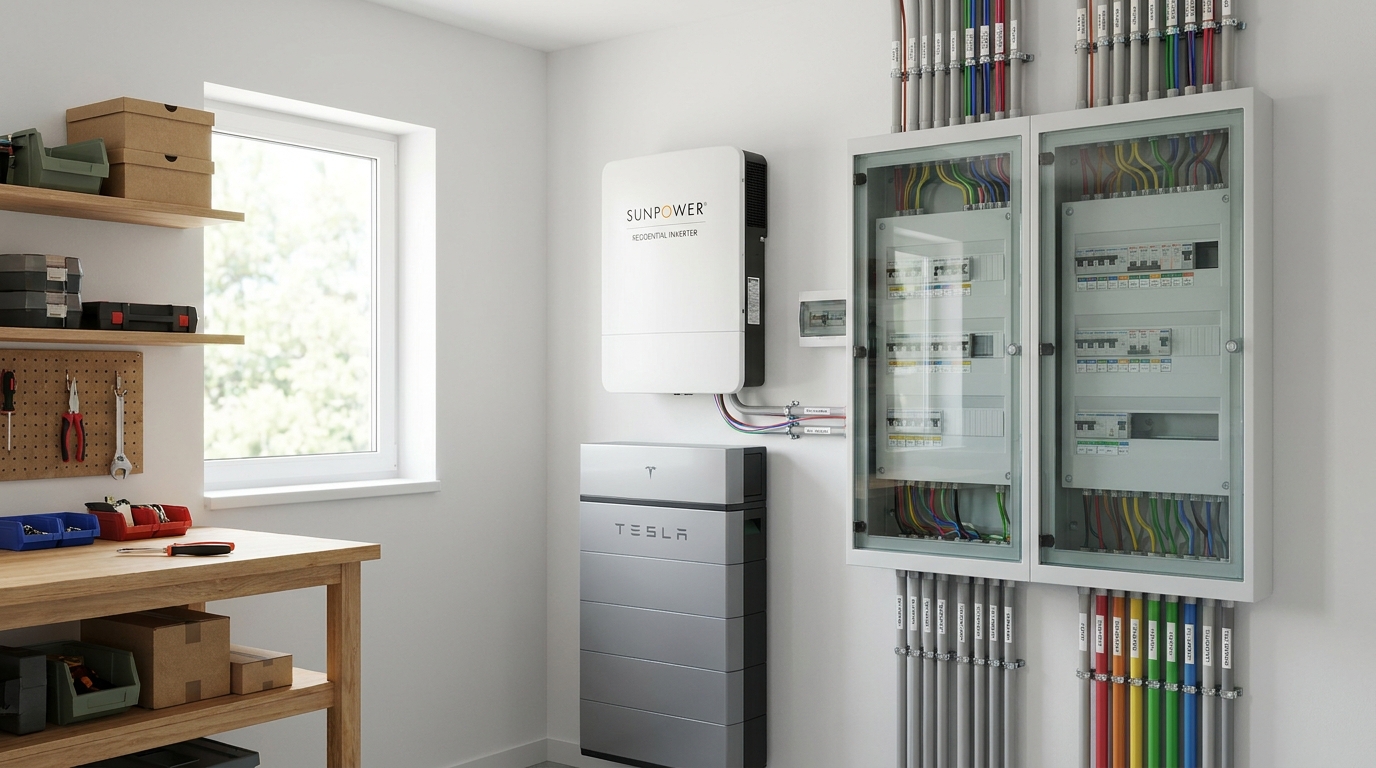
Batteries are increasingly popular, but they are not mandatory. This is another place where beginners often feel confused because solar marketing can make storage sound like a default feature. In reality, many homes use grid tied solar without batteries. Storage makes the most sense when you want backup power during outages, greater energy independence, or the ability to shift electricity use around time of use pricing. If outage resilience is a top concern, you should also discuss which loads you want backed up, since whole home backup and essential load backup are very different in scope and cost.
The practical installation process from start to finish
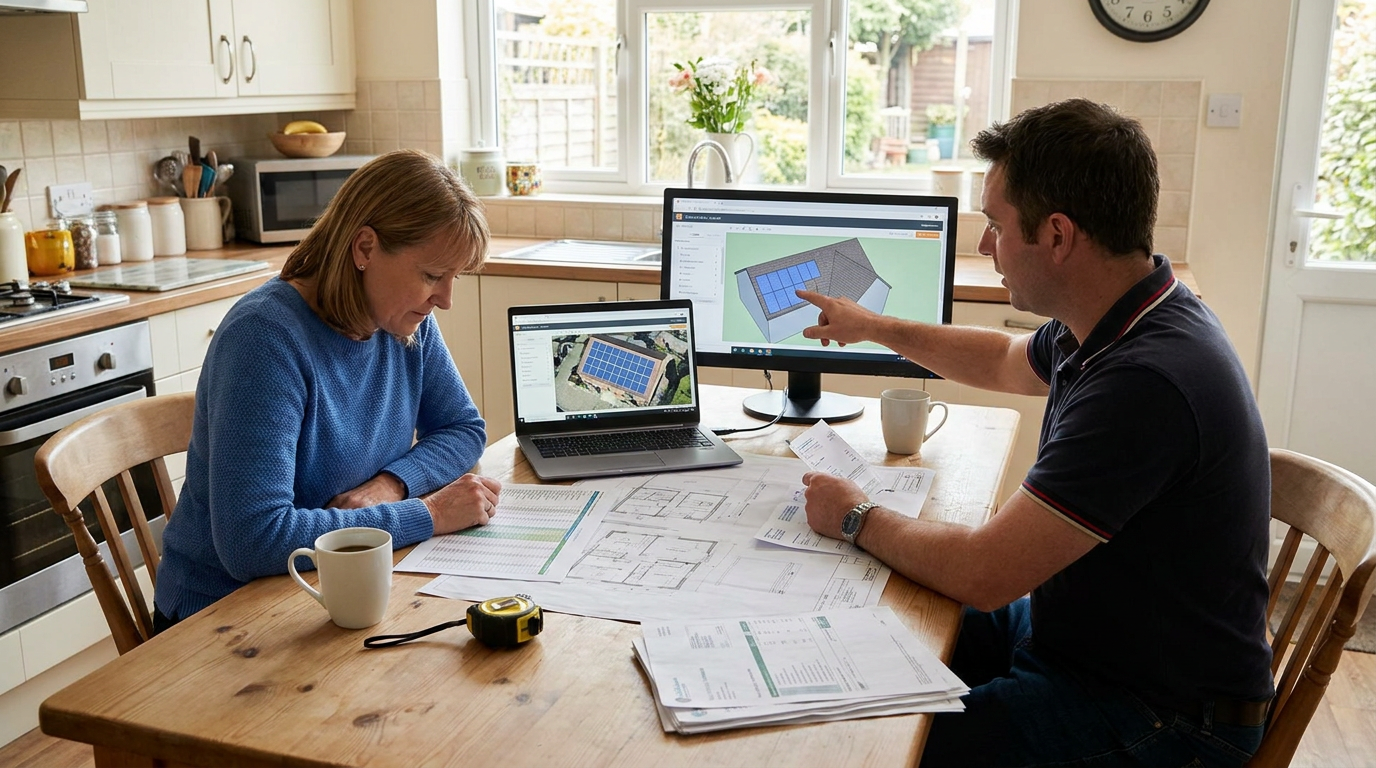
Once you decide to explore solar seriously, the process tends to follow a fairly consistent sequence. It begins with an initial assessment, where the installer looks at your roof, energy use, and electrical setup. From there, they create a system design showing estimated production, panel placement, inverter choice, and any required electrical upgrades. If the project moves forward, the installer usually handles permitting, equipment ordering, installation, inspections, and utility interconnection. This can sound like a lot, but much of the complexity sits with the contractor rather than the homeowner.
The first homeowner task is usually gathering information. Expect to share recent utility bills, details about your roof age, and any plans for major household electrification. If you are thinking about buying an electric vehicle, adding a heat pump, finishing a suite, or installing air conditioning, mention it early. Solar should be sized around expected future demand when that demand is reasonably likely. Installing a system that is too small for a changing home can create frustration later.
After the initial review comes a more detailed site assessment. The installer may use satellite tools at first, but a physical visit is often needed to confirm roof measurements, shade conditions, structural details, and electrical access. This step is where practical obstacles often emerge. You might learn the roof should be replaced first, that tree trimming would improve production, or that your panel needs upgrading. While those findings can be disappointing, they are valuable because they prevent rushed decisions based on incomplete assumptions.
Design and permitting come next. The installer creates engineering documents and submits plans required by the local authority having jurisdiction and the utility. Timing varies widely depending on location. Some permits move quickly, while others take weeks. Homeowners sometimes assume the physical installation is the longest part, but approvals and interconnection paperwork can easily take more time than mounting the panels themselves.
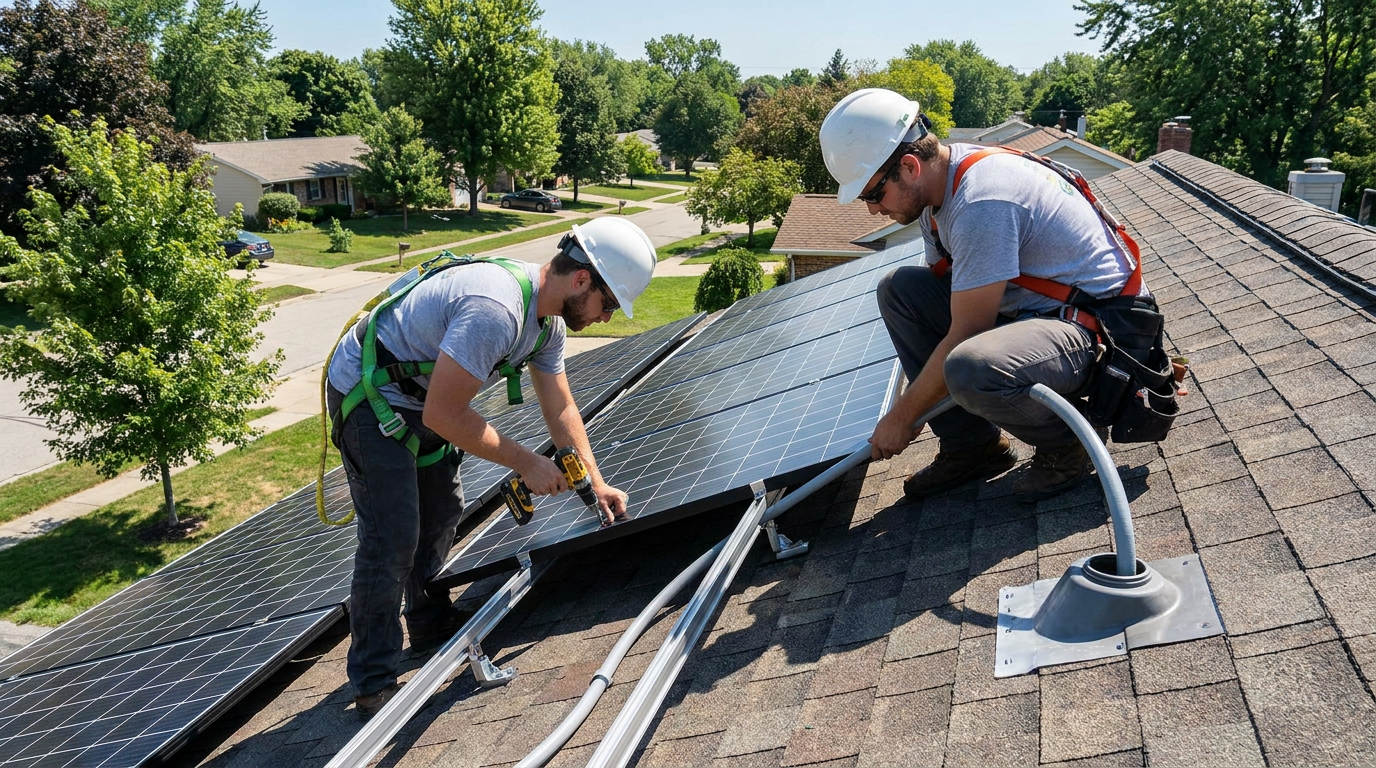
Once permits and equipment are ready, installation is often surprisingly fast. Many residential systems are physically installed in a day or two, though larger or more complex projects can take longer. The crew mounts the racking, installs panels, runs electrical connections, and sets up the inverter and monitoring equipment. If a battery is included, that portion may require additional work inside a garage, basement, or utility area, along with code compliant clearances and safety measures.
After installation, the project typically requires inspection and utility approval before the system is turned on. This stage can feel anticlimactic because the hardware is visible on your roof, but you may still need to wait for permission to operate. Once interconnection is complete, the system is commissioned and you can begin generating electricity.
How to choose the right size system for your household
System sizing is less about buying the most panels you can fit on the roof and more about matching production to your goals. Some homeowners want to offset as much grid electricity as possible. Others are primarily trying to reduce a portion of their bills while keeping upfront cost under control. Local utility rules also matter here. In places with favorable net metering, exporting excess power can be more financially valuable than in areas using lower compensation through net billing or other credit structures.
Your historical electricity use provides a useful baseline, but it should not be the only input. Future changes in the home can alter consumption significantly. Electrifying space heating, water heating, or transportation can raise demand in ways that justify a larger system. On the other hand, if you plan to improve insulation, replace old appliances, or shift how you heat and cool the home, your future energy use may become more efficient. Good system sizing balances current bills, likely home changes, roof limitations, and the economics of your local utility policy.
This is one reason it helps to compare more than one proposal. A responsible installer should explain not just the size they recommend, but also the assumptions behind that size. If one quote is much larger than another, ask why. The answer may relate to your future energy use, export rules, or available roof space. Clarity matters more than a dramatic savings estimate.
Solar financing, incentives, and ownership choices
Cost is often the biggest emotional barrier to residential solar, and understandably so. Even when the long term math is attractive, the upfront investment can feel substantial. Fortunately, financing and incentive pathways are more developed than they once were, though they vary heavily by location. In Canada, the Canada Greener Homes Grant is closed to new applications, but NRCan has documented significant uptake from the program and has continued to reference solar photovoltaic systems and batteries in broader retrofit conversations. The Canada Greener Homes Loan has offered interest free financing up to $40,000 for eligible homeowners, and newer affordability programs are expanding support in selected provinces for low to median income households.
In the United States, federal and state incentives remain important to affordability. The Department of Energy generally emphasizes cash or loan purchases when homeowners want to maximize tax credit benefits. Whether you are in Canada or the U.S., the principle is the same. Do not assume the financing structure presented by the first salesperson is the only option. Ask whether you are looking at a direct purchase, a loan, a lease, or a power purchase agreement, and ask who receives any tax credits or incentives in each model.
Ownership matters because it affects both economics and flexibility. If you own the system, you typically receive the direct financial benefit of any bill reductions, incentives, and eventual home value impact. DOE cites research suggesting homes with solar can sell for a premium of about $15,000 in many markets. A lease or power purchase agreement can lower upfront cost, but it also changes how savings are shared and may affect future home sale logistics. There is nothing inherently wrong with third party models, but they deserve especially careful review.
When comparing financing, pay attention to the total cost over time, not just the monthly payment. A low monthly figure can disguise high fees, long terms, or optimistic production assumptions. It is also wise to check whether incentives require pre approval, specific equipment standards, local installer qualifications, or proof that products were purchased in Canada, where applicable. These details can influence eligibility more than homeowners expect.
Questions to ask before signing a solar contract
A good solar decision usually comes from asking calm, precise questions. The first is whether the installer has appropriate licensing, insurance, and local experience. Solar is a building, electrical, and roofing adjacent project, so local code knowledge matters. The Department of Energy notes that qualified installers must meet local building, fire, and electrical codes, and that practical compliance issues should never be treated as an afterthought. You want a contractor who is comfortable explaining these requirements rather than brushing past them.
Next, ask how the production estimate was built. What assumptions were used for shading, panel orientation, weather, and degradation over time? Is the estimate based on your current usage only, or on expected future electrification? Also ask what equipment is included, why those panels and inverters were chosen, and whether there are alternatives with different price and performance tradeoffs. A trustworthy installer should be able to discuss tradeoffs clearly.
Warranties deserve close attention. Panel warranties often include both product coverage and performance guarantees, while inverters may have their own terms. Workmanship warranties from the installer are also important because they address installation related issues rather than manufacturing defects. You should understand who to call if monitoring stops working, if there is a roof leak concern, or if a component fails after several years.
Finally, ask about timelines and utility rules. How long does permitting usually take in your area? What interconnection process applies? Will your utility offer net metering, net billing, or another credit structure for exported energy? A contract can look appealing on paper while depending on assumptions that do not fit your local utility environment. Verifying those details before signing is one of the simplest ways to protect yourself.
Common misconceptions that make solar feel more confusing than it is
The first misconception is that solar only works in bright, hot climates. DOE explicitly states that residential solar panels can work in all climates and can harness both direct and scattered sunlight. Cold weather does not make panels useless. What matters more is the amount of solar resource available across the year, the orientation of your system, and whether your roof is free from excessive shade.
The second misconception is that every solar system needs a battery. Many do not. A grid tied system without storage is still a real solar system and is often the most cost effective starting point for homeowners focused on bill reduction. Batteries are valuable when backup power, resilience, or strategic energy shifting is part of the goal. They are a choice, not a requirement.
The third misconception is that solar panels are completely maintenance free. Maintenance is generally light, which is part of solar’s appeal, but it is not nonexistent. Homeowners should monitor production periodically, remain aware of inverter status, and keep an eye on roof condition over time. Panels typically last around 20 to 25 years, which is a durable lifespan, but every long lived home system benefits from attention.
The fourth misconception is that any roof can host solar. Roof age, structural condition, awkward geometry, and tree cover can all make a project less practical or require work before installation. Treating those factors honestly from the beginning is not pessimism. It is simply part of good planning.
The fifth misconception is that savings are automatic and universally dramatic. Real savings depend on several variables working together, including system size, financing terms, electricity rates, incentives, and export compensation rules. Solar can absolutely be worthwhile without being miraculous. That middle ground is where many of the best decisions are made.
Living with solar after installation
Once the system is operating, most homeowners shift from planning mode into monitoring mode. Modern solar systems usually include an app or web portal that shows daily and monthly production. This can be satisfying at first, but it also has practical value. Monitoring helps you notice if production drops unexpectedly, if an inverter issue appears, or if snow, debris, or shading changes are affecting output more than expected. You do not need to check constantly, but occasional attention is wise.
Maintenance is usually modest. In many climates, rain handles a fair amount of surface cleaning, though some homes may benefit from periodic cleaning if dust, pollen, bird activity, or local conditions are significant. More important than routine washing is preserving the larger system context. Keep records of warranties, installation documents, electrical diagrams, and inspection approvals. If you need service later or if you sell the house, having clear documentation makes a meaningful difference.
If you included battery storage, spend time understanding how it behaves. Many homeowners assume a battery will power the entire home exactly as normal during an outage, but that depends on system design. Some batteries back up only selected circuits such as refrigeration, internet, lights, and a few outlets. Others support broader loads. Knowing what your system is designed to do will help you use it confidently and avoid surprises during a real interruption.
Solar and home value, comfort, and long term planning
Solar is often discussed in terms of monthly savings, but its value can extend beyond that. If the system is well designed and owned rather than leased, it may contribute positively to resale appeal. DOE cites research suggesting a premium of about $15,000 in many markets, though local housing conditions vary. Buyers are not just looking at panels on a roof. They are often responding to the idea of lower future operating costs and a home that feels more energy conscious.
There is also a psychological comfort in understanding where part of your electricity comes from. For many homeowners, solar creates a more active relationship with household energy use. You may become more aware of when your home consumes power, how weather affects production, or how electrification upgrades fit together over time. This awareness does not need to become obsessive to be useful. It simply gives you a better sense of how your house performs.
Long term planning matters here. A solar system should fit into the broader life of the home, including future roof replacement, battery upgrades, EV charging, and possible heating transitions. If you think of solar as one layer in a longer housing strategy, the decision often becomes clearer. It is less about chasing a trend and more about building a home that is capable, efficient, and resilient.
A step by step checklist for beginners
If the process still feels abstract, it may help to see it as a straightforward checklist. None of these steps need to happen all at once, and moving through them gradually can make the project feel much more manageable.
-
Review your last 12 months of electricity bills so you understand your baseline usage and seasonal patterns.
-
Identify likely future changes such as an electric vehicle, heat pump, renovation, or home office expansion that could alter your electricity demand.
-
Address obvious efficiency improvements first, especially if your home is older or your energy use seems higher than expected.
-
Check roof age, condition, and shading, and be honest about whether roof work should happen before solar.
-
Request quotes from multiple qualified installers and compare assumptions, equipment, warranties, and timelines, not just headline price.
-
Ask how your utility handles exported energy and verify local net metering, net billing, or interconnection rules directly.
-
Review financing carefully, including incentives, eligibility rules, total borrowing cost, and who receives any tax benefits.
-
Confirm whether you want battery storage now, later, or not at all based on resilience goals and budget.
-
Read the contract closely, paying attention to production assumptions, change order terms, warranty support, and project milestones.
-
Keep all documents after installation and learn how to monitor your system once it is commissioned.
Final thoughts: make the decision practical, not perfect
Home solar works best when it is approached with calm realism. Your house does not need to be flawless, your roof does not need to face perfectly south, and you do not need to understand every electrical detail before you begin. What you do need is a willingness to evaluate the fundamentals carefully: how much energy your home uses, whether your roof is ready, what your utility allows, what your budget supports, and what you want the system to do for you over time.
That balanced approach is especially helpful because solar can be genuinely worthwhile without being universal. Some homes will be excellent candidates. Others will need roof upgrades, panel work, or tree management first. Some households will benefit from batteries right away, while others will do well with a simpler grid tied system. Practical decisions like these are what turn solar from a vague ideal into a smart home improvement.
If you are considering a solar installation, the most reassuring next step is usually not signing a contract. It is gathering your bills, reviewing your roof, and speaking with a few qualified installers who are willing to explain the tradeoffs clearly. Once you see the process in that sequence, solar tends to feel less like a leap and more like what it really is: a thoughtful long term upgrade that can align your home with lower impact living in a very concrete way.


No Comment! Be the first one.