
Luxury Real Estate’s Stubborn Standoff: What the Toronto and Vancouver Slowdown Really Signals for Investors
Every market cycle leaves clues for those willing to read them carefully, and the current pause in Canada’s luxury housing segment is no exception. New data out of Toronto and Vancouver shows high-end sales volumes have cooled considerably since 2022, yet the properties that are closing are still trading within roughly 10 per cent of asking price. That is not the behaviour of a market in distress. It is the behaviour of a market where sellers have conviction and buyers are simply waiting for the right entry point.
According to a new Engel & Volkers report, Vancouver homes priced above four million dollars saw just 17 sales for every 100 new listings between January and October, well behind the 29 per 100 pace in the two to four million dollar bracket. Managing broker Andrew Carros described an engine that cannot run because there is not enough fuel, pointing to a shrinking pool of move-up buyers who typically rely on inherited wealth, long held equity, or downsizing proceeds to transact at the top end. When that fuel supply tightens, so does transaction velocity, even while pricing power holds firm.
Toronto tells a more nuanced story, and this is where the opportunity thesis gets interesting. Re/Max figures show transactions above three million dollars fell 9.4 per cent year over year through the first nine months of 2026, with Vancouver down a steeper 17 per cent in its equivalent bracket. Yet at the very top of the Toronto market, homes selling above ten million dollars, activity actually accelerated to its strongest pace in a decade, with 15 such transactions closed. That bifurcation matters. It tells disciplined capital that scarcity at the ultra-prime tier is overriding the broader caution weighing on the three to five million dollar range.
There’s pent-up demand. A lot of wealthy people have been sitting on the fence waiting for better economic conditions.
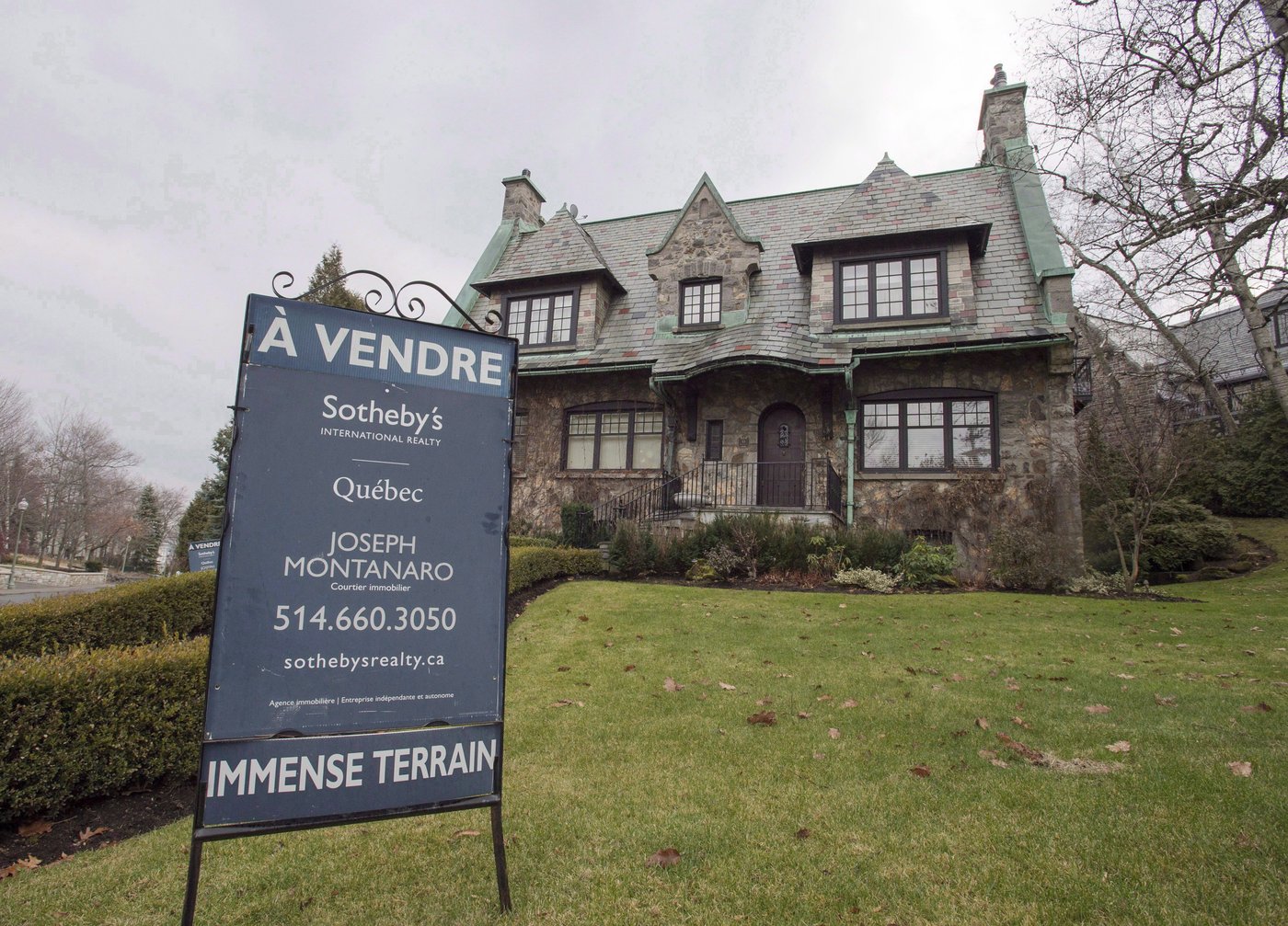
Policy friction is compounding the hesitation. Toronto’s higher land transfer tax on purchases above three million dollars, which took effect in April, triggered what Re/Max broker Barry Cohen called a brief revolt before buyers accepted the new cost of entry and moved forward anyway. Layer on the federal foreign buyer ban, now proposed to extend through 2029, along with British Columbia’s 20 per cent foreign buyer tax, and a meaningful slice of international capital, including corporate executives and high-net-worth professionals, has simply been sidelined from top-tier Canadian real estate altogether.
For investors, the signal is less about a market in decline and more about a market compressing before a release. Inventory is thinning rather than flooding, sellers are not capitulating on price, and smaller resource-driven markets such as Burlington and Calgary are already posting double-digit annual growth at their own luxury price points. When borrowing costs and policy uncertainty ease, as brokers on the ground expect heading into 2027, the buyers currently sitting on the sidelines with family wealth and accumulated equity are likely to move quickly into a market with genuinely limited supply. Positioning ahead of that shift, rather than reacting to it, is where the real return tends to live.