



There was a time when home technology felt like an extra. It was something you explored if you loved gadgets, followed product launches, or wanted to experiment with a more futuristic way of living. Today, it feels very different. The most useful lifestyle apps are not about showing off what your home can do. They are about making daily life feel lighter, calmer, and better organized, whether that means dimming the lights without getting up, planning dinners that actually fit your week, or keeping everyone in the household on the same page.
Table Of Content
- Why Lifestyle Apps Matter More Than Ever at Home
- What Makes a Great Home Lifestyle App
- 1. Smart Home Control Apps That Make Comfort Feel Effortless
- Who this category is best for
- 2. Recipe and Meal Planning Apps That Bring Ease Back to the Kitchen
- 3. Home Organization Apps That Reduce Visual and Mental Clutter
- 4. Shared Calendar and Household Coordination Apps for Family Life
- 5. Design and Inspiration Apps That Help You Express Your Home
- 6. AI-Powered Helper Apps for Everyday Decisions
- 7. Voice-First Apps and Assistants That Make the Home Feel More Responsive
- How to Choose the Right Lifestyle Apps for Your Home
- Privacy, Security, and the Importance of Thoughtful Setup
- The Real Goal: A Home That Feels Easier to Live In
That shift matters because modern home life is full of invisible work. The shopping lists, repeated reminders, meal decisions, room adjustments, and shared responsibilities can quietly drain energy. Lifestyle apps step into that space in a very practical way. They reduce small points of friction and help create a home that feels more responsive to the people living in it.
Across Canada and North America, the timing makes sense. Statistics Canada reported that in 2023, 60.9% of Canadian households had a cellphone and no landline, showing just how deeply mobile-first living has become. At the same time, connected devices and app-based habits are now woven into ordinary routines, from grocery planning to home security. Research from Pew also points to a growing comfort with AI tools and smart home devices, suggesting that app-based support is becoming less of a novelty and more of a normal part of domestic life.
The most exciting part is that lifestyle apps are no longer confined to one idea of self-improvement or entertainment. The category now includes elegant tools for home organization, thoughtful cooking, voice-first home control, family coordination, and design inspiration. In other words, the best lifestyle apps do not just live on your phone. They shape the atmosphere, function, and emotional ease of your home itself.
This guide explores the kinds of apps that are truly worth having if your goal is a more comfortable, creative, and connected household. Some are smart home essentials, some are quietly brilliant planning tools, and others make your routines feel more expressive and enjoyable. Together, they represent a warmer vision of lifestyle technology, one centered on how a home feels to live in every day.
The best lifestyle apps are not the ones that add more to manage. They are the ones that help your home run more smoothly, more beautifully, and with less mental effort.
A good lifestyle app for the home is any tool that reduces daily friction across cooking, scheduling, organizing, or comfort, without adding extra complexity to already busy routines. The best options generally fall into a few clear categories: smart home control apps that manage lighting, temperature, and daily routines; recipe and meal planning apps that simplify grocery lists and dinner decisions; home organization apps that reduce clutter and mental overload; shared calendar and household coordination apps that divide responsibilities across family members; design and inspiration apps that help homeowners visualize and personalize their spaces; AI-powered helper apps that speed up everyday decisions; and voice-first assistants that make control feel hands-free and immediate. Together, these tools support a home that feels calmer, more organized, and easier to live in every day, whether the household includes one person or a large, busy family.
Why Lifestyle Apps Matter More Than Ever at Home
Home has become a more dynamic place than it used to be. It is where many people work, cook, recharge, socialize, parent, organize, and entertain, sometimes all in the same day. That means the systems supporting home life need to be flexible and intuitive. Lifestyle apps help meet that need by turning a phone, tablet, or voice assistant into a practical control center for everyday living.
One reason these apps matter is convenience, but convenience alone does not explain their appeal. What makes them meaningful is the way they reduce cognitive load. Instead of remembering every grocery item, every appointment, every thermostat adjustment, or every family task, you can create systems that hold some of that mental work for you. This is especially helpful in households where responsibilities are shared, schedules overlap, and routines need a little structure to stay peaceful.
There is also a growing appetite for apps that support healthier and more intentional living. Pew’s 2025 food and eating research found that people who eat a home-cooked meal every day are more likely to describe their diets as extremely or very healthy than those who cook less often. That makes recipe apps, meal planners, and grocery tools more than a matter of convenience. They become part of how a home supports wellness, rhythm, and nourishment.
Then there is the steady normalization of AI. Pew Research found that 49% of U.S. adults said they ever use AI chatbots in 2026, up from 33% in 2024. In a home context, that means people are increasingly open to using digital assistants for recipe ideas, planning help, quick problem solving, and personalized recommendations. When used thoughtfully, AI-enhanced lifestyle apps can feel less like technology for technology’s sake and more like a gentle layer of household support.
What Makes a Great Home Lifestyle App
Not every app labeled as lifestyle will actually improve your daily life. App stores can be broad and sometimes confusing, with everything from home inspiration to wellness tracking filed under the same umbrella. The best home-focused lifestyle apps tend to have a few qualities in common. They solve a clear problem, they fit naturally into existing routines, and they are simple enough to use consistently.
Cross-device syncing is one of the biggest markers of usefulness. A shopping list that only lives on one phone is less helpful than one the whole household can update. A set of smart lighting preferences is more powerful when it can be triggered from a watch, a phone, or a voice speaker. The more your apps move smoothly across devices, the more naturally they become part of real life.
Privacy matters too. Smart home tools, AI assistants, and planning platforms often rely on personal data, cloud storage, and connected accounts. Before adding a new app into your home, it is worth checking its permissions, reviewing whether data is shared with third parties, and making sure settings like two-factor authentication are turned on when available. The best app is not necessarily the one with the most features. Often, it is the one that is reliable, understandable, and respectful of your information.
It also helps when an app feels emotionally supportive rather than demanding. Home technology should not introduce another layer of pressure. The right app creates a sense of ease. It helps you feel more prepared, more comfortable, and more present in your space.
1. Smart Home Control Apps That Make Comfort Feel Effortless
For many households, the gateway into lifestyle technology starts with smart home control. This category includes apps that manage lights, thermostats, shades, plugs, speakers, doorbells, and other connected devices. While these tools used to feel niche, they are now deeply integrated into major ecosystems. Apple, for example, supports home control through the Home app, and Apple Support notes that HomePod can act as a home hub for accessories and automations, including scenes and time, location, or sensor-based triggers.
That matters because automation changes the tone of daily life in subtle but lovely ways. A morning scene can gently raise the blinds, switch on the kitchen lights, and start soft music while you make coffee. An evening routine can dim the living room, lower the thermostat a touch, and lock the door. None of this is strictly necessary, but it creates a home that responds to your habits instead of constantly asking for your attention.
Pew also reported that 35% of U.S. adults have a smart speaker, while 18% have a smart doorbell, 13% a robot vacuum, and 11% a smart thermostat. Those numbers show that connected home living is no longer limited to early adopters. CIRA’s 2024 Internet Factbook also reported Canadian adoption of connected home devices including smart speakers, home security systems, smart thermostats, smart plugs, internet-connected lightbulbs, smart door locks, and smart kitchen appliances. As the hardware becomes more common, the app becomes the real interface for everyday comfort.
The best smart home apps are easy to understand and pleasant to use. They let you group devices by room, create scenes for different moods, and automate repetitive tasks without feeling overly technical. For homeowners who care about atmosphere, this is one of the most satisfying categories because it directly shapes how a home feels in the morning, during busy afternoons, and as the day winds down.
Who this category is best for
Smart home control apps are especially helpful for people who want comfort to happen in the background. If you have a busy family schedule, enjoy entertaining, work from home, or simply love a calm evening routine, these apps can support all of that beautifully. They are also useful for anyone who wants to save a little energy by automating heating, cooling, and lighting based on actual routines rather than guesswork.
2. Recipe and Meal Planning Apps That Bring Ease Back to the Kitchen
Few parts of home life are as repetitive and important as deciding what to eat. The daily cycle of planning, shopping, cooking, and remembering ingredients can feel surprisingly heavy, especially during busy weeks. That is why recipe and meal planning apps have become one of the strongest and most practical areas within lifestyle technology. Apple’s App Store editorial pages and third-party app listings continue to show strong interest in recipe, planning, and cooking tools, which reflects how central they are to everyday domestic life.
Today’s best cooking apps do much more than store recipes. They can import recipes from websites, save family favorites, build grocery lists automatically, track pantry items, suggest meals based on ingredients you already have, and even provide nutrition details. Some also use AI to recommend dinners based on time, dietary preferences, and what is sitting in your fridge. A 2025 U.S. survey summarized by Statista found that about a quarter of respondents occasionally use AI for meal planning, recipe suggestions, grocery shopping, or related food tasks. That tells us these features are moving steadily into the mainstream.
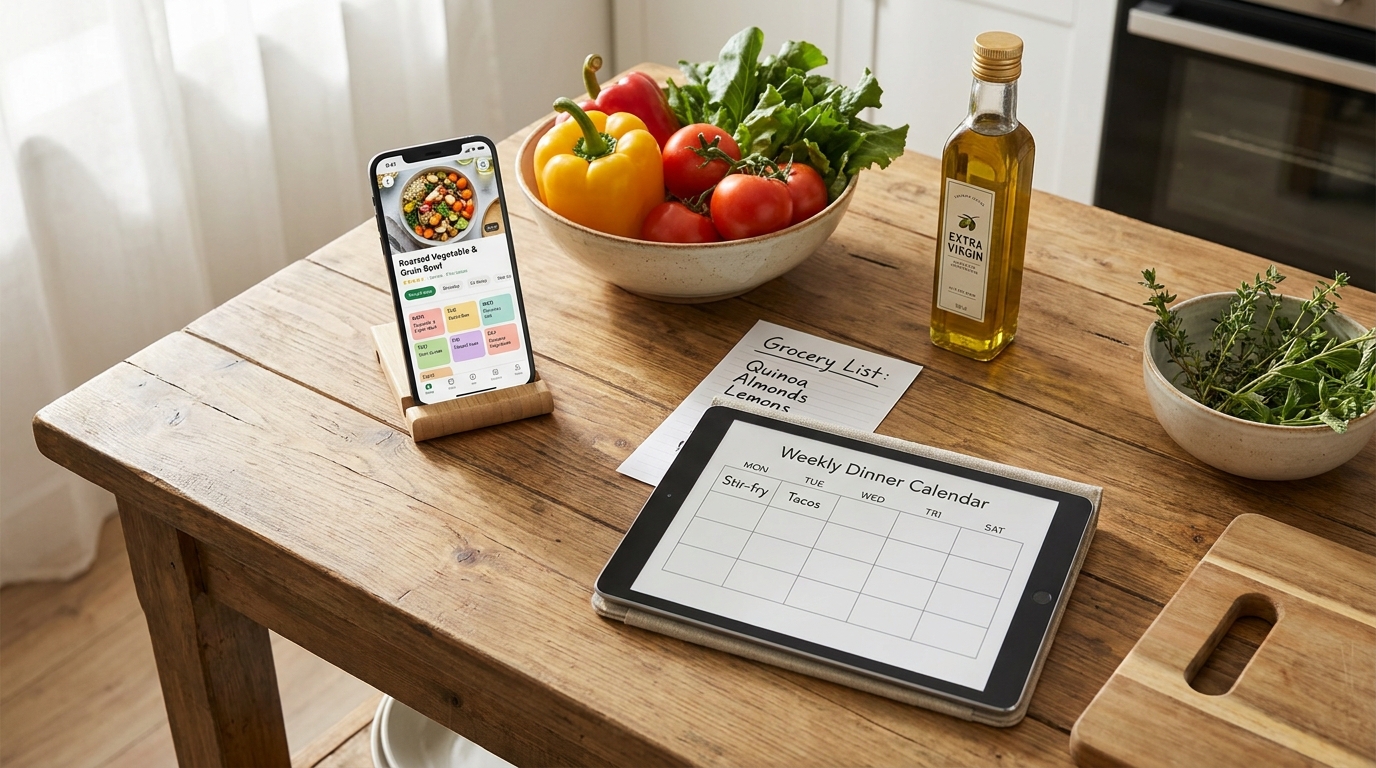
There is a real lifestyle benefit here beyond efficiency. When meal planning is easier, cooking becomes more approachable. You are less likely to default to takeout simply because the decision feels too exhausting. And when meals are planned with more intention, the kitchen often becomes a more peaceful and creative place. That can ripple outward into family routines, wellness, and even the sense of comfort a home provides at the end of a long day.
If you are choosing a recipe or meal planning app, look for features that genuinely reduce friction. A few of the most useful capabilities include:
- Recipe saving and web import so you can keep favorite meals in one place
- Automatic grocery list generation based on planned meals
- Pantry tracking to avoid duplicate purchases and reduce waste
- Cross-device syncing for couples or families who shop together
- AI suggestions that match your schedule, ingredients, or food preferences
These apps are a perfect example of why lifestyle technology should not be dismissed as fluff. They address one of the most persistent household tasks in a practical, supportive way. They also make healthy home cooking feel more achievable, which is something many people deeply want but struggle to sustain without help.
3. Home Organization Apps That Reduce Visual and Mental Clutter
There is a particular kind of stress that comes from feeling slightly behind at home. It might show up as a list of errands you forgot to write down, a closet project you keep meaning to finish, or a set of household details that never quite find a proper system. Home organization apps can help by bringing order to information that would otherwise stay scattered across notes, papers, screenshots, and memory.
This category includes list-making apps, home inventory tools, digital filing systems, and planners designed for household routines. Some let you organize maintenance records, paint colors, measurements, appliance information, or moving checklists. Others focus on visual organization with room-by-room projects, donation logs, and decluttering schedules. In all cases, the real benefit is not simply having more data. It is having less low-level stress.
The most effective organization apps support a style of living that feels lighter and more intentional. They help you keep track of what you own, what needs attention, and what can be simplified. That can be especially useful during seasonal resets, renovations, storage updates, or family life transitions. If your home is where everything lands, from school forms to delivery schedules to holiday planning, having a digital home for that information can make the physical home feel calmer too.
A useful mindset here is to choose one or two systems and stay with them rather than downloading several overlapping apps. More features do not always mean better value. In home management, clarity usually wins. The app should feel like a helpful extension of your routine, not another project in itself.
4. Shared Calendar and Household Coordination Apps for Family Life
One of the most valuable and underrated app categories for the home is household coordination. This is where technology directly addresses the mental load of shared living. App-based calendars, reminders, task boards, and family organizers can make it much easier to divide responsibilities, remember appointments, manage school schedules, and communicate about the hundred small details that keep a household moving.
For families, couples, roommates, and multi-generational homes, this kind of support can be transformational. Instead of one person carrying the role of memory keeper, everyone has access to the same information. Reminders become visible. Shopping lists update in real time. Chores can be assigned with clarity. The emotional value of this is hard to overstate because it helps replace last-minute stress with a greater sense of shared responsibility.

This category also works beautifully for quieter kinds of routine. You can create recurring reminders for plant care, pet medications, laundry cycles, garbage day, and seasonal home tasks. Over time, these small structures create a more peaceful baseline for living. Everyone knows what is happening and what is expected, which means there is less room for resentment, confusion, or unnecessary pressure.
If you are considering a household coordination app, these are often the most helpful functions:
- Shared calendars with color-coded schedules for each household member
- Collaborative to-do lists for errands, chores, and recurring tasks
- Real-time syncing across phones and tablets
- Reminder notifications that are easy to customize
- Simple interfaces that everyone in the household can actually use
These tools may not be glamorous, but they are among the most life-improving. They support fairness, visibility, and a feeling that the home is being managed together instead of by default.
5. Design and Inspiration Apps That Help You Express Your Home
Not every useful home app is about efficiency. Some are valuable because they help you imagine your space differently. Design and inspiration apps can be wonderful for homeowners who want to refresh a room, plan a renovation, compare materials, or simply gather ideas in a more intentional way. App Store curation has consistently highlighted home inspiration as a strong consumer category, and it is easy to see why. People care deeply about how their homes look and feel, even when they are not doing a full redesign.
These apps can include mood board tools, paint visualizers, furniture planning platforms, and inspiration libraries that let you save images by room or style. Some also include augmented reality features so you can preview how a lamp, chair, or wall color might look in your own space. Used well, they help narrow choices and reduce the uncertainty that often comes with decorating.
There is also an emotional value in design apps that should not be overlooked. Browsing ideas can help you reconnect with your home creatively. It reminds you that the home is not just a place to maintain. It is also a place to shape, enjoy, and personalize over time. Even small updates such as changing the lighting mood, styling open shelves, or improving an entryway can make daily life feel more welcoming.
For readers who worry that inspiration apps are too aspirational or unrealistic, it helps to approach them with a clear purpose. Use them to solve a room problem, define a feeling you want, or compare options before spending money. When treated as practical planning tools rather than endless browsing spaces, they can be extremely helpful.
6. AI-Powered Helper Apps for Everyday Decisions
AI is becoming one of the defining features of home lifestyle apps, but it is most useful when it feels grounded in real needs. In practice, that might mean asking an app to suggest three dinners from ingredients you already have, summarize a cleaning plan before guests arrive, compare storage solutions for a small entryway, or build a shopping list around a budget and dietary goals. These are not flashy use cases. They are everyday decisions that quietly consume time.
Because AI chatbots and recommendation tools are becoming more familiar, many apps now weave conversational help into existing categories instead of creating a separate futuristic experience. That integration is what makes the shift feel natural. You are still using a meal planner, a note app, or a home organizer. It just happens to be smarter, faster, and more adaptive.
At the same time, it is wise to stay thoughtful. AI is not automatically accurate, helpful, or private. Some suggestions may be generic, some may not understand your household well, and some platforms may collect more data than you are comfortable sharing. Before relying heavily on any AI-powered app, review its privacy settings, understand what information is stored, and treat generated advice as support rather than unquestionable truth.
AI works best at home when it removes repetitive decision-making without taking away your judgment, taste, or sense of control.
Used carefully, AI can be especially effective in categories like meal planning, shopping, household scheduling, and idea generation. It is not there to replace the human warmth of home life. It is there to free up a little more space for it.
7. Voice-First Apps and Assistants That Make the Home Feel More Responsive
Voice control deserves its own place in this conversation because it changes how technology feels inside the home. Tapping through menus can still feel like a task, but saying goodnight and watching the lights dim can feel seamless. Voice-first living works best when the app ecosystem behind it is stable and intuitive. Smart speakers, phones, and home hubs all play a role here, allowing you to trigger routines, ask for information, add to lists, or control accessories hands-free.
This is especially helpful in moments when your hands are full or your attention is elsewhere. In the kitchen, you can set timers, check measurements, and add ingredients to a list. At the front door, you can ask for the porch light to switch on. During a bedtime routine, you can trigger a whole-home wind-down with a single phrase. These moments may seem small, but they create a smoother lived experience.
Voice-first control also makes home technology more accessible to a wider range of users. Children, older adults, or anyone less interested in app navigation may find spoken commands easier than tapping through settings. That simplicity is one reason voice-enabled home ecosystems continue to gain ground across North American households.
The key is not to overcomplicate it. Start with one or two genuinely helpful routines. A cooking mode, an away mode, or a bedtime scene is often enough to show how supportive voice control can be when it serves real life rather than novelty.
How to Choose the Right Lifestyle Apps for Your Home
With so many options available, the smartest way to choose is to begin with your real pain points. Think about the moments at home that repeatedly feel messy, tiring, or harder than they need to be. Maybe dinner planning always slips to the last minute. Maybe no one remembers what is on the calendar. Maybe your home has smart devices, but they are not organized into useful routines. The best app is the one that solves something you already feel.
It can help to ask a few simple questions before downloading anything new:
- Will this save time every week or only feel exciting for a few days
- Can more than one person in the household use it easily
- Does it sync across devices without creating confusion
- Are the privacy settings clear and comfortable
- Does it simplify life or add another layer of maintenance
Start small and build gradually. If you try to digitize every home function at once, the system may feel overwhelming. But if you begin with one area such as meal planning, shared reminders, or smart lighting, you can see what truly helps before expanding. The most successful home tech routines are usually the ones that grow gently over time.
Privacy, Security, and the Importance of Thoughtful Setup
Because lifestyle apps often sit close to personal routines, privacy should be part of the conversation from the beginning. Home apps may know when you are away, what you cook, who shares your calendar, what devices you own, and how your rooms are set up. None of that means you should avoid them, but it does mean you should be selective and informed.
Choose reputable platforms with transparent policies. Review app permissions carefully, especially for location access, microphone access, camera use, and contact syncing. Use strong passwords, enable two-factor authentication where possible, and keep both apps and device software updated. If an app offers a local control option for certain functions rather than routing everything through the cloud, that can be worth exploring too.
It is also wise to think about digital clutter just as you would physical clutter. If an app is no longer serving you, remove it. Disconnect accounts you do not use. Revisit automations every so often to make sure they still fit your life. A healthy digital home environment is not simply connected. It is curated.
The Real Goal: A Home That Feels Easier to Live In
What makes lifestyle apps so interesting right now is not their novelty. It is their maturity. They are evolving from isolated tools into quiet layers of support that fit around real domestic life. They help with planning, remembering, coordinating, cooking, adjusting, and creating. In many cases, they also help households feel more collaborative, which may be the most meaningful benefit of all.
For homeowners in Canada and across North America, this shift aligns with broader habits in mobile-first communication, connected device adoption, and growing comfort with AI-assisted help. But the human story is much simpler. Most people are not looking for a futuristic home. They are looking for a home that feels more manageable after a long day, more nourishing during the week, and more expressive of the life they want to live.
The best lifestyle apps support exactly that. They make convenience feel graceful, creativity feel accessible, and connectivity feel useful rather than intrusive. They can help you cook more often, remember less, share more responsibility, and shape routines that feel kinder to your energy. And that is what makes them worth bringing into your home.
If you are ready to begin, choose just one category that speaks to your current season of life. It might be a meal planning app to steady weeknight dinners. It might be a shared family calendar to ease the mental load. It might be a smart home app that turns your mornings and evenings into smoother rituals. Start there, let it become natural, and build from what genuinely improves the way your home feels.
In the end, the smartest homes are not the ones with the most devices or the trendiest downloads. They are the ones where technology supports comfort, connection, and daily happiness in quiet, dependable ways. That is the real promise of lifestyle apps, and it is why they have become such an essential part of modern living.



No Comment! Be the first one.