Why the Ontario Line’s €2.7bn Tunnelling Deal Is a Signal for Toronto’s Next Growth Corridor
When a transit authority commits €2.7bn to a single tunnelling package, it is telling the market something far bigger than an engineering story. Metrolinx and Infrastructure Ontario have signed a joint venture of Webuild and FCC to deliver the Pape Tunnel and Underground Stations package on the Ontario Line, and for anyone who studies land value and city growth, this is the kind of announcement that reshapes long term thinking about an entire corridor.
The contract covers two parallel tunnels running roughly three kilometres each, two new underground stations, and a direct connection into the existing Line 2 subway. It follows a development and advanced design phase awarded back in 2024, which tells us this was not a rushed decision. The Progressive Design-Build model being used here, where client, designers, and contractor work through development together before construction begins, reflects a growing preference among major infrastructure owners for de-risked delivery on technically complex urban builds. That matters to developers watching this corridor, because a well-managed delivery model reduces the odds of the disruption and delay that can stall surrounding investment.
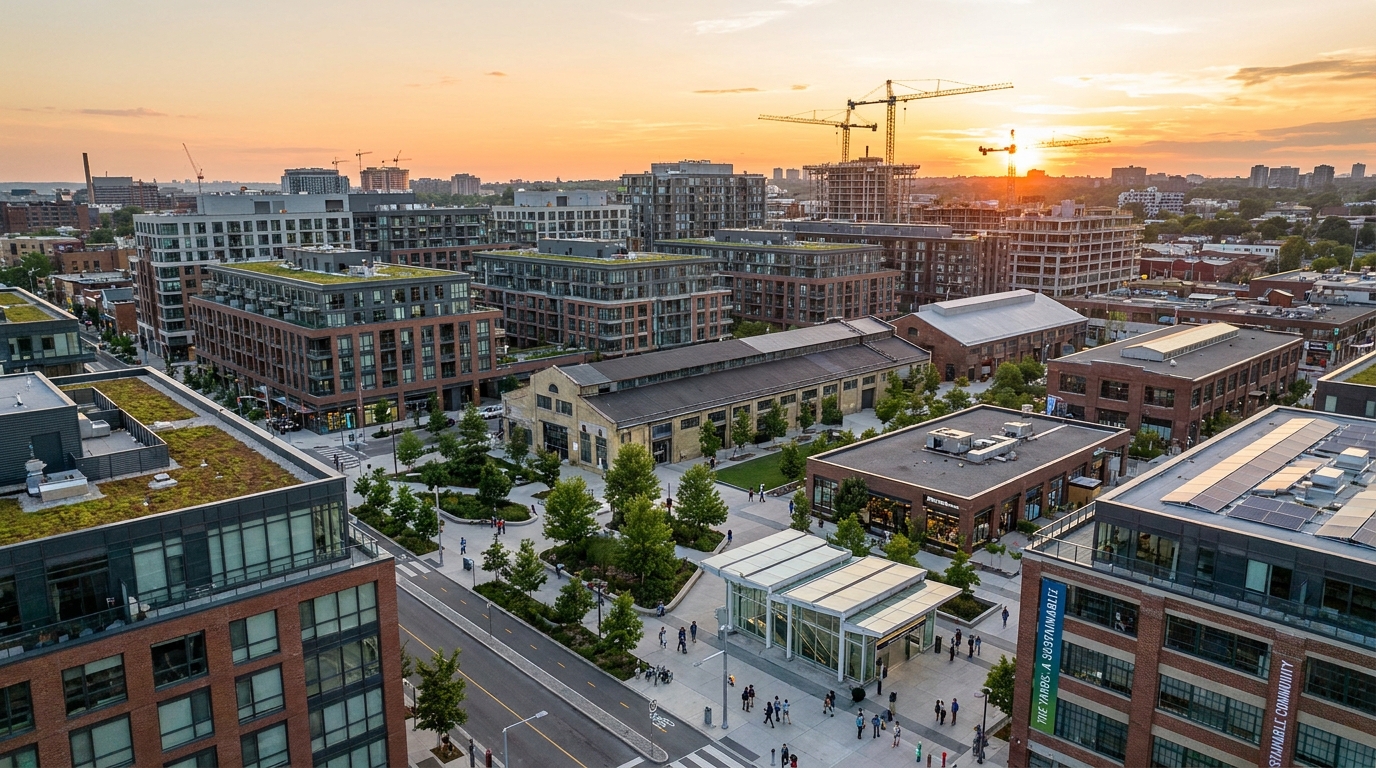
The Ontario Line itself will stretch 15.6 kilometres with 15 stations and more than 40 connections into Toronto’s wider transit network, cutting end-to-end travel times to under 30 minutes once complete. For land strategy, that is the real headline. Transit access of this scale does not just move commuters faster. It resets what land near those stations is worth, what densities become feasible, and what kind of housing product makes sense to build around them.
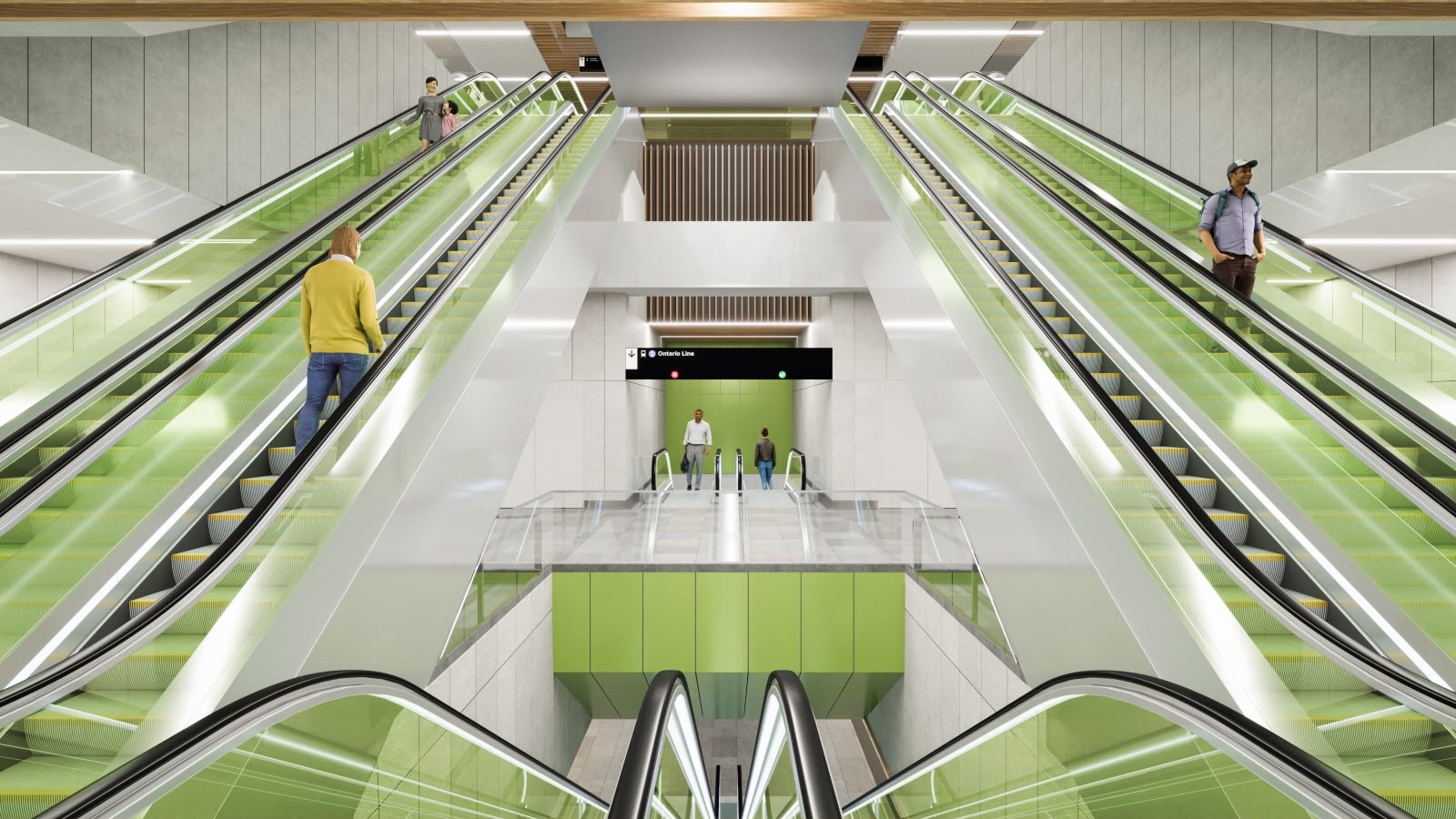
Pape Station sits in a dense, already built-up part of Toronto, and building two underground stations and connecting tunnels through that kind of urban fabric is never simple. Existing utilities, active subway operations, and tight surface conditions all demand careful sequencing. But this is precisely the environment where transit-oriented development tends to create the most upside, because available land is scarce and proximity becomes the premium buyers and renters pay for first.
Strong projects are built from that wider understanding of timing, access, infrastructure, and demand.
Developers active around the Ontario Line corridor now have something more concrete than a planning map. Construction commitments at this scale, backed by international contractors with tunnelling experience, signal that the timeline is real and the funding is committed. For anyone assembling sites, negotiating options, or planning phased housing near these future stations, that certainty is worth more than any renderings ever could be. The corridor is no longer a proposal. It is being built, station by station, tunnel by tunnel.
Source: Tunnelling Journal