Regina’s Growth Curve: What a Five-Year Permit High Tells Us About Prairie Housing Strategy
Every city eventually reaches a point where population growth outruns its existing housing stock, and the decisions made in that window shape a community for decades. Regina is in that window right now. A new growth monitoring report from the city shows 27,000 new residents since 2021, a number that would strain infrastructure in any market. What makes Regina worth watching is not the growth itself, but how deliberately the supply side is responding to it.
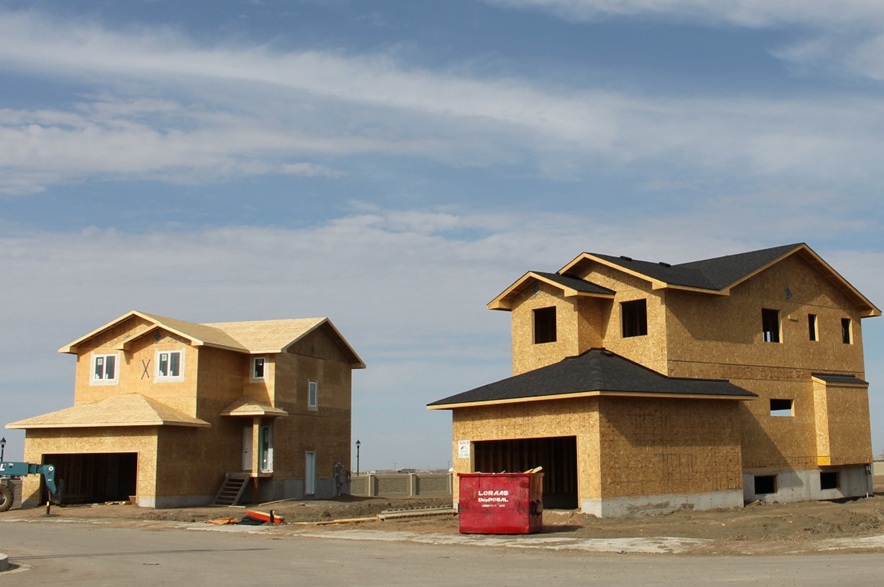
In 2025, the city approved 1,674 housing units through building permits, the highest total in five years. That is not an accident. It is the visible output of policy and infrastructure decisions made years earlier, the kind of long-horizon planning that separates cities which manage growth from cities that simply absorb it. Fifty-eight per cent of those approved units were multi-unit housing, a clear signal that Regina’s development community understands where real demand is concentrated.
Single-family homes accounted for only fifteen per cent of new units, with semi-detached and duplex product filling a modest five per cent. That distribution tells a strategic story. Land in a tight single-family market carries a premium, and developers respond to that premium by shifting toward density: secondary suites, multiplexes, and apartments that make better use of serviced land and existing infrastructure capacity. This is exactly the kind of market correction that well-run cities should want to see, because it stretches infrastructure dollars further and creates housing options across more price points.
There is also a competitive dimension here that developers and investors outside Saskatchewan should not ignore. The report cites RBC’s housing trends and affordability data placing Regina’s benchmark price at $356,400 as of June 2026, still the most affordable major market in the country across all housing types. That affordability, combined with real population growth and rising multi-unit approvals, is the profile of a market with room left to run before land and construction costs catch up to demand.
By tracking housing market, development, economic and demographic trends, the City of Regina can make informed infrastructure investments and policy decisions that support long-term growth.
That quote from Luke Grazier, the city’s acting director of sustainable infrastructure, gets at the real value of this kind of report. Growth monitoring is not a bureaucratic exercise. It is the feedback loop that tells planners whether incentive programs are actually converting into approved units, and whether revitalization efforts in established neighbourhoods are gaining traction. Cities that measure this well tend to make better land decisions, because they are not guessing at demand, they are tracking it.
For anyone thinking about where mid-sized Canadian cities are headed next, Regina’s data is a useful case study. Population growth alone does not build housing. It takes permit pipelines, density-friendly zoning, and infrastructure investment aligned to where the demand actually sits. Regina appears to be doing the unglamorous work of getting that alignment right, and the five-year permit high is the first hard evidence that it is paying off.
Source: CKOM, “Regina housing supply growing with population boom, city report says”