Data Centers Are Poaching the Trades Homebuilding Needs Most
I have spent enough years around job sites to know that a project is only as good as the crew standing on it. Right now, some of the best crews in the country are not framing houses. They are pouring concrete pads and pulling cable for AI data centers, and they are getting paid a lot more to do it.
The numbers behind this shift are hard to ignore. Data center construction starts hit nearly 80 billion dollars nationally in 2025, almost triple the year before. The Information Technology and Innovation Foundation puts the labor shortage in that sector at roughly 439,000 workers this year alone, with electricians, pipe layers, and HVAC techs at the top of the wanted list. Wages for the workers who make the jump are climbing 25 to 30 percent, and in hot markets like Northern Virginia, an electrician managing crews across a handful of sites can clear 200,000 dollars a year.
Homebuilders cannot compete with that kind of money. They are working on thinner margins, selling into what buyers can actually afford, while Meta, Amazon, Google, and Microsoft are writing checks with a different set of assumptions attached. That gap is exactly why residential construction has been stuck in what Kathryn Thompson of Thompson Research Group calls a three-year slump. Where the two sectors truly compete for the same people, it is narrower than the headlines suggest. As Sean Plunkett of Triple Crown Homes put it, a carpenter is not walking off a house frame to work a data center site, but electrical contractors serving homebuilders are absolutely fighting the same hiring pool as the hyperscalers. That shows up not as a missing worker count on a spreadsheet, but as a longer wait for the one specialty sub a homebuilder actually needs to close out a project.
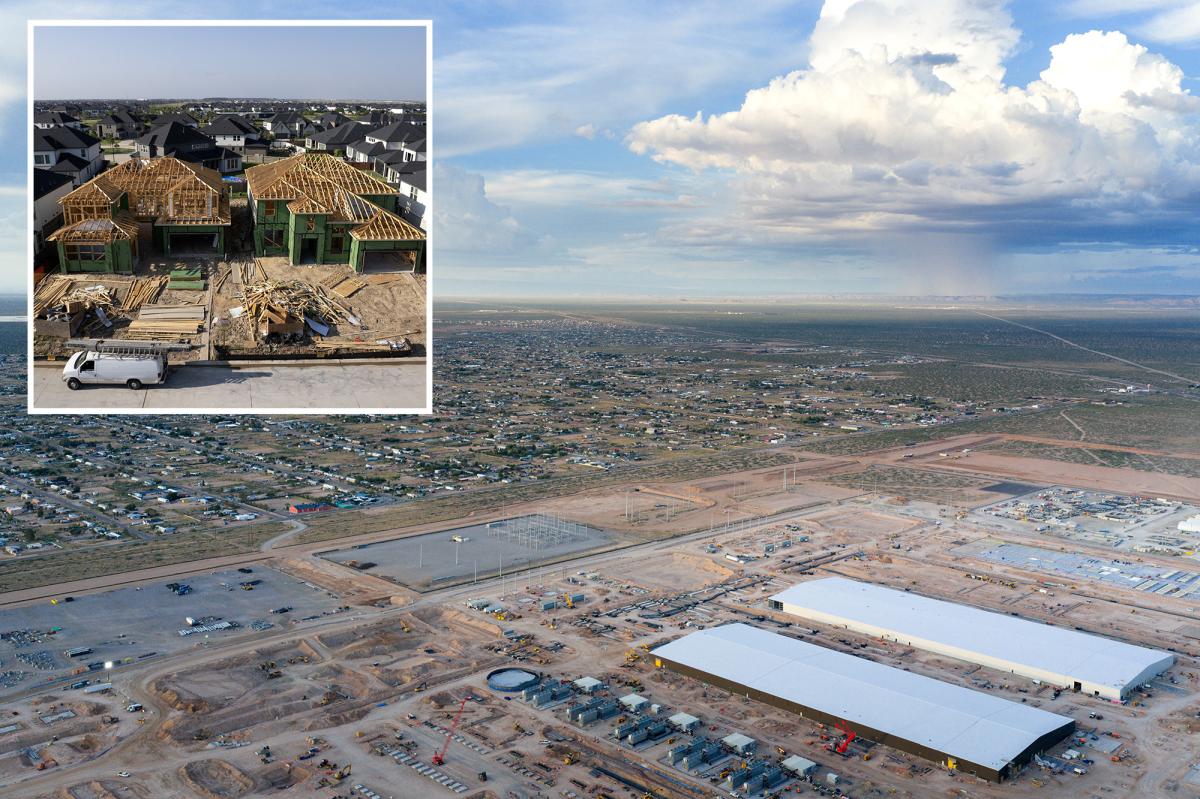
There is a second wrinkle worth flagging for anyone tracking build timelines. Architect Ryan Starr notes that large data centers require concrete, cranes, and multi-ton components handled by specialized out of town crews, not the smaller teams that typically build single-family homes. That means a temporary population surge lands on a small community for three or four years, then leaves. That is not a stable labor pipeline. It is a boom and bust cycle sitting right on top of local housing supply that was already stretched.
The shrinking and aging construction labor force is a major issue in the homebuilding industry right now, leading to increased labor costs and longer construction timelines for new homes.
The honest read, from where I sit, is that the optimistic story (today’s data center apprentice becomes tomorrow’s home electrician) only works if training pipelines actually route people back toward residential work once the mega-projects wind down. Realtor.com senior economist Joel Berner frames it the same way: if workers stay in the trade once data center pay levels off, homebuilding benefits. If they chase the next high paying build instead, the benefit is minimal. With the country still short roughly 4 million homes and builders adding only 1.3 million last year, there is no time to wait and see which way that pipeline actually flows. Every licensed electrician and HVAC tech pulled toward a data center today is one fewer available to close out a subdivision on schedule.
Source: New York Post