Why San Francisco’s AI Wealth Boom Is Rewriting the Housing Investment Map
Every real estate cycle has a source of capital that changes the rules of the market, and in San Francisco right now, that source is artificial intelligence. According to recent reporting, newly created AI wealth is fueling a housing market frenzy across the city, and for investors, that single sentence carries more weight than it might first appear.
San Francisco has always been a market defined by concentrated capital. What is different this time is the speed at which that capital is being generated. When a technology sector produces wealth quickly, through equity, compensation, or early investment gains, that money tends to move into hard assets fast, and housing is often the first stop. It is tangible, it is local, and in a supply constrained city like San Francisco, it is also scarce.
For investors watching from outside the AI industry, this creates a familiar but important dynamic. Demand driven by a concentrated, high income workforce tends to behave differently than demand driven by broad population growth. It moves in bursts, it clusters around specific neighbourhoods close to major employers, and it is far less sensitive to interest rate pressure than the rest of the buyer pool. That combination is exactly what produces the kind of bidding intensity being described in San Francisco today.
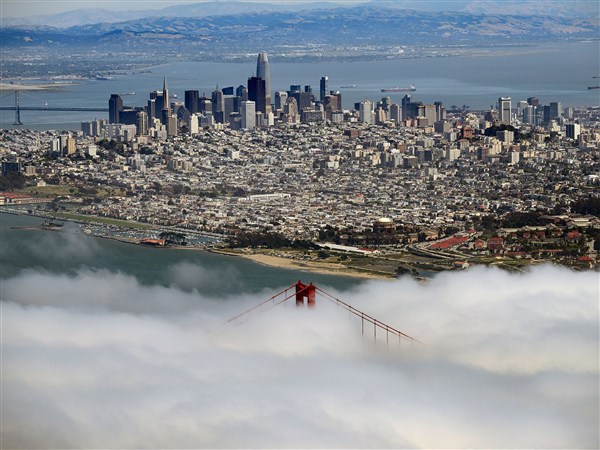
The strategic question for real estate investors is not whether this wealth is real. It clearly is. The question is how durable it is, and how it should shape allocation decisions. A frenzy driven by a single, fast growing sector carries upside, but it also carries concentration risk. Investors who chase the momentum without accounting for the underlying driver can find themselves exposed if that sector’s fortunes shift. The more disciplined approach is to treat AI wealth as one signal among several, alongside inventory levels, rental demand, and the broader employment base of the region.
Concentrated wealth creates concentrated opportunity, but it also concentrates risk. The discipline is in knowing the difference.
What this moment does confirm is something long term investors already understand about San Francisco. Its housing market has never moved on averages. It moves on the fortunes of whichever industry is currently minting wealth fastest, and right now that industry is unmistakably artificial intelligence. For those positioned in or near the right submarkets, that is a meaningful tailwind. For those entering late and chasing the headlines, it is a reminder that timing and location strength matter more than momentum alone.
San Francisco’s frenzy is a signal worth watching closely, not a trend to follow blindly. The smartest capital in this market will be the capital that understands why the demand exists, not just that it does.
Source: Toledo Blade