Karachi’s Colonial Facades Find a Second Life
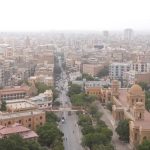
There is a particular kind of beauty that only time can create, the soft patina of limestone, the worn geometry of a hand carved arch, the quiet dignity of a facade that has outlived the empire that built it. In Karachi, that beauty is being given a second chance. Across the port city, restoration crews are returning old markets, civic halls and commercial buildings from the colonial era to something close to their original grace, even as glass towers rise around them with little patience for the past.
What strikes me most about this moment is not simply that the buildings are being saved, but what saving them actually requires. Restoration of this kind is never a matter of paint and polish. It demands sourcing materials that match century old stone, understanding proportions drawn by architects who worked in a completely different visual language, and respecting ornamentation that modern construction rarely bothers to attempt anymore. It is architecture as inheritance, not simply as asset.
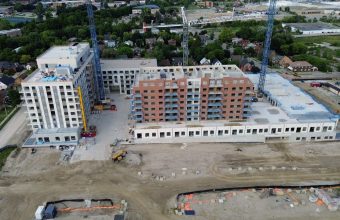
Yet the story is not without tension. High rise development is pressing in on every side, and the same land that holds these landmarks is increasingly valuable for something taller and newer. Experts following the effort have pointed to rising restoration costs and a shrinking pool of craftsmen who still know how to work in these traditional methods. That shortage is, to me, the most quietly urgent part of the story. A building can be saved from demolition, but a technique lost to time cannot be rebuilt with the same ease.
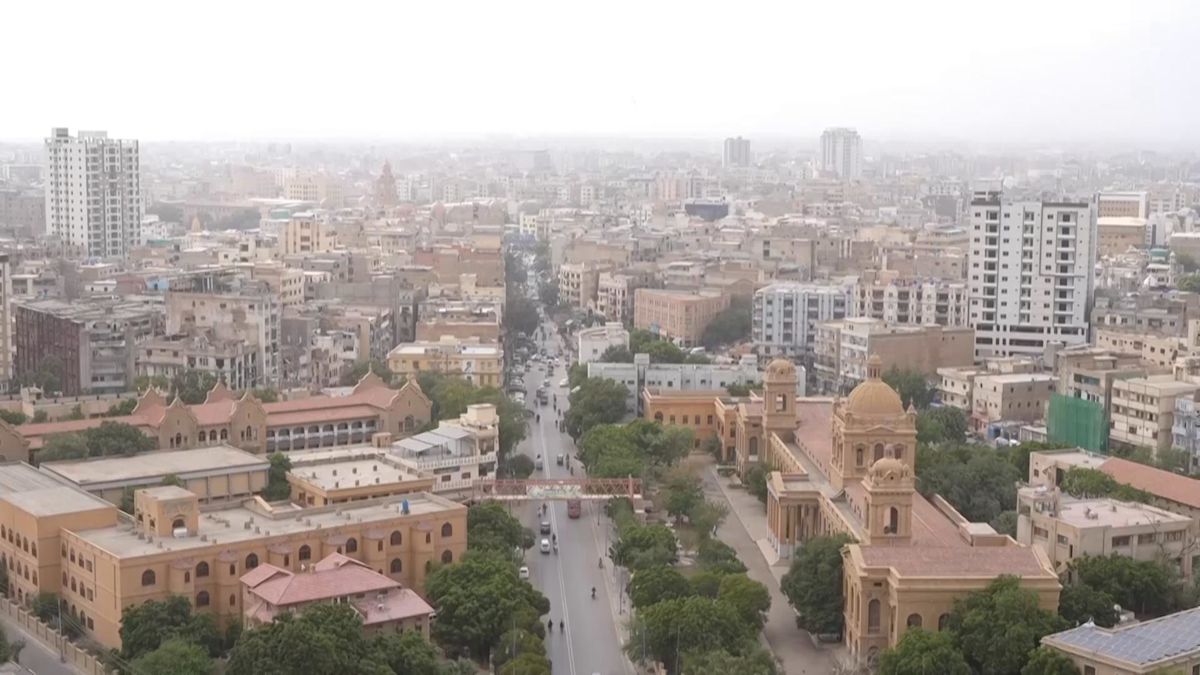
The most memorable spaces often speak quietly, but with complete confidence, and heritage architecture has always understood that lesson better than most.
There is a lesson here for anyone who thinks of design purely in terms of what is new. These colonial structures, whatever complicated history they carry, represent a level of craftsmanship, restraint and material intelligence that contemporary developers often try to imitate at great expense. Restraint in ornamentation, careful proportion, a sense of permanence built into every wall, these are the same qualities that define the most enduring interiors and facades today. Karachi’s preservationists are not simply protecting old buildings. They are protecting a design vocabulary that still has something to teach a city racing toward its future.
The outcome of this balancing act, between growth and memory, between the tower and the archway, will shape how Karachi is experienced for generations. It is a reminder that architectural identity is fragile, and that once it disappears from a skyline, it rarely returns in the same form.
Source: ca.news.yahoo.com