Why Canada’s Rental Pipeline Is Stalling: A Feasibility Story, Not a Demand Story
New data from a Canada Mortgage and Housing Corporation survey confirms what anyone tracking land economics has suspected for a while: the problem with Canada’s rental supply was never really about demand. It is about whether projects still pencil out once land, capital, and approvals are all accounted for. Nearly three quarters of developers surveyed said they had paused or cancelled a project in their pipeline over the past two to three years because the numbers stopped working.
That distinction matters enormously for how we think about housing strategy. A demand problem is solved with incentives and marketing. A feasibility problem is solved with land use policy, approval timelines, and cost discipline. This survey, conducted by EY and released through CMHC’s Housing Observer, points squarely at the second category. Government regulations, fees, and approval delays ranked as the top barrier to development in every region measured, ahead of interest rates and even construction material costs.
For anyone involved in bringing large scale rental projects to market, this should read as validation of a long standing argument: the constraint on housing supply sits upstream of construction, in the approvals process itself. When developers were asked what single policy change would most improve project viability, faster and more predictable approvals topped the list nationally. In the Greater Toronto Area specifically, lower or deferred development charges ranked first, a reflection of just how much municipal fee structures weigh on project math in that market.
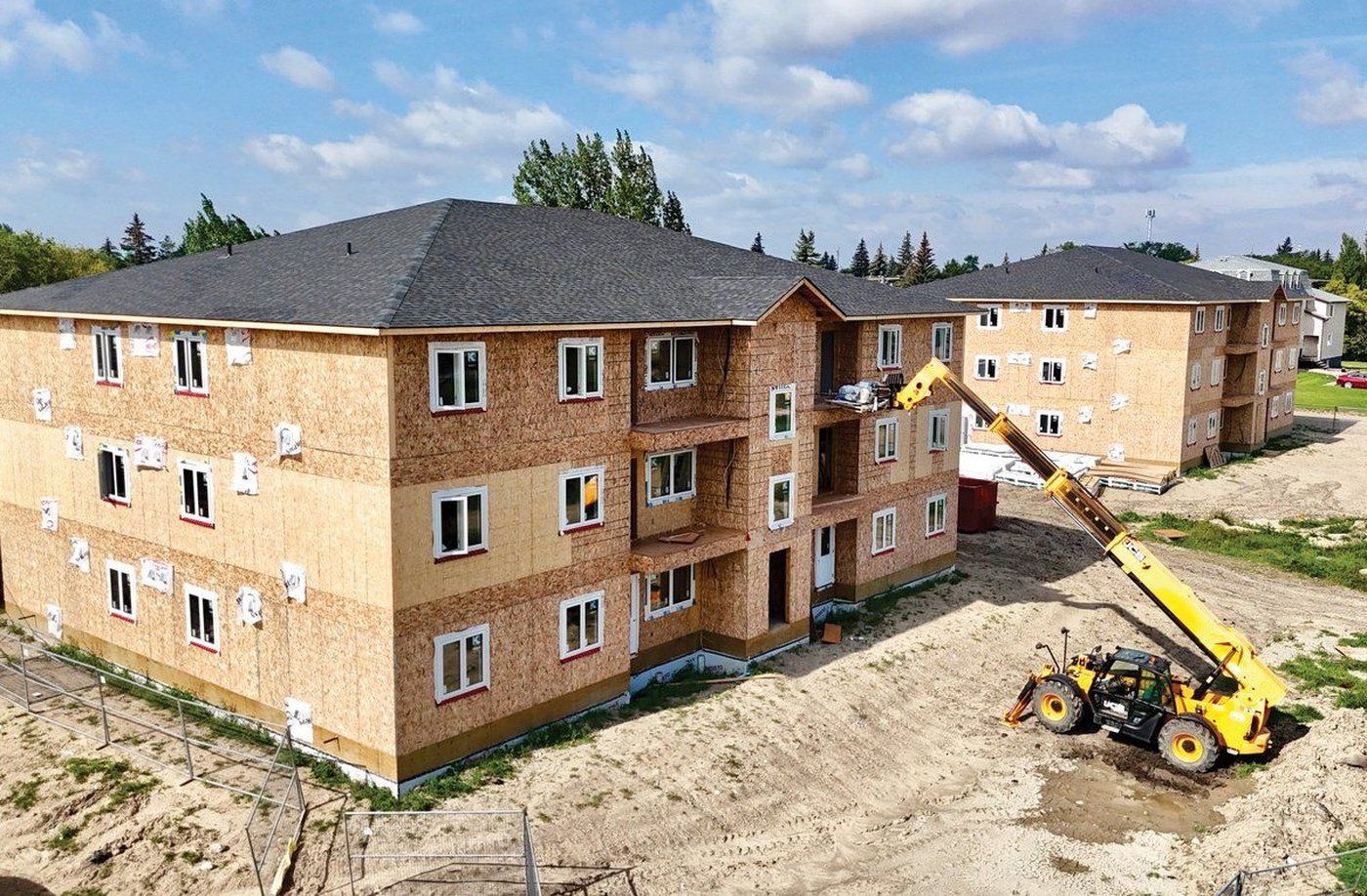
There is a secondary story here that deserves attention from anyone planning larger family oriented rental product. Seventy two percent of respondents said development costs for units with three or more bedrooms could not be offset by achievable rents, and 60 percent pointed to insufficient demand at those rent levels. That is a feasibility gap that smaller, higher density unit mixes do not face in the same way, and it helps explain why so much of the new purpose built supply reaching the market skews toward smaller, higher priced units rather than the family sized rentals many communities actually need.
Developers continue to view demand fundamentals favourably but are increasingly constrained by project economics.
Financing has not been the bottleneck. The survey found 78 percent of respondents successfully secured funding for a new rental project in the past year, up from 75 percent in 2025, with CMHC insured loans remaining the most common external source. That tells us capital is available and willing. What is missing is a project pipeline that can absorb it efficiently. For municipalities and provinces serious about supply targets, the lesson from this survey is direct: streamline the approvals layer and reconsider fee structures, or watch a growing share of otherwise viable rental projects sit shelved regardless of how much financing is on offer.
Source: Canadian Mortgage Trends