Ontario’s 1.5 Million Home Target Is Slipping. The Real Fix Is Zoning, Not Just Speed
Every development cycle eventually runs into the same wall: it is not demand that slows housing growth, it is the regulatory machinery underneath it. The Toronto Region Board of Trade has now put a number on that reality, and it is a sobering one. Ontario is on pace to miss its 2031 goal of 1.5 million new homes by more than 550,000 units by 2029. That is not a shortfall you close with incremental tweaks. That is a structural gap.
I have spent my career looking at housing supply through the lens of land, infrastructure, and policy working together, or failing to. What the board’s report describes is a province where those three pieces are badly out of sync. Board president Giles Gherson called the zoning and building code landscape “very fragmented” and “out of date,” and in a market the size of the Greater Toronto Area, fragmentation is expensive. Builders in Toronto alone navigate dozens of distinct municipal requirements. Every variation adds cost, adds months, and ultimately gets passed down to the buyer who was already priced out of the market.
This is the part general audiences often miss. Even if reforms were adopted tomorrow, municipalities still need to update official plans, amend zoning bylaws, align infrastructure investment, service land, and process applications. That sequence takes years under the best conditions. The board’s own analysis acknowledges the 2031 target is likely unreachable even with aggressive action starting now. For developers and planners, that timeline reality should reshape how projects are underwritten and phased, not just how they are advocated for politically.
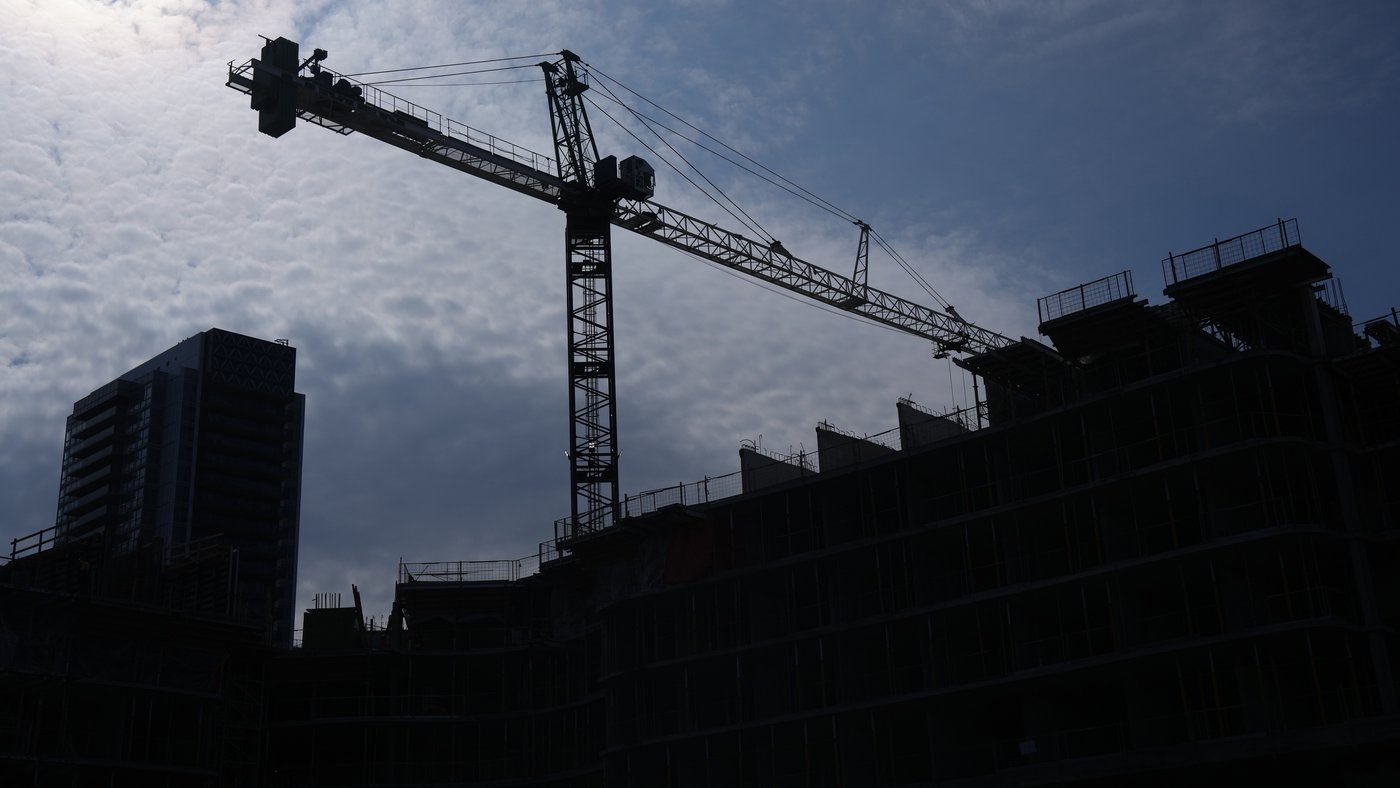
The board’s recommendation is worth taking seriously: a single provincial zoning code with shared terminology and a baseline that lets townhouses and multiplexes proceed without special approval. Pair that with provincewide limits on the rules that most often stall housing, parking minimums, setbacks, lot coverage, height, density, and step-back requirements, and you remove the single biggest source of friction in project feasibility. Edmonton was cited as proof of concept, a city where more permissive, consistent zoning has allowed multiplexes to spread into neighbourhoods that would never see that density under Toronto’s current framework.
Durable affordability depends on increasing the supply of homes. Without continued housing construction, recent affordability gains are likely to prove temporary.
That line from the report matters because it cuts against a comfortable narrative. GTA prices have softened over the past year, average selling price down 2.7 per cent year-over-year in August, the composite benchmark down 4.5 per cent, but that is not the same as affordability being solved. Prices are still up roughly 187 per cent since 2006 against 51 per cent cumulative inflation. A cyclical dip does not undo two decades of supply failure.
For anyone planning large-scale residential projects in Ontario, the signal here is clear. Policy reform at the provincial level is the lever that actually moves feasibility, not just market timing. The developers who position early for a standardized zoning environment, particularly around missing-middle typologies like townhouses and multiplexes, will be the ones positioned to move fastest once the framework catches up to the need.
Source: CityNews Toronto