Why Canada’s Inflation Picture Could Mean Earlier Rate Relief for Real Estate Investors
Every basis point the Bank of Canada moves ripples straight through mortgage pricing, carrying costs, and the math behind every rental acquisition in this country. That is why a new CIBC analysis deserves a close read from anyone building a portfolio right now. The case for further monetary tightening in Canada, the bank argues, is meaningfully weaker than the case south of the border, and the reason comes down to how inflation is actually structured in each economy.
CIBC’s Lao points to breadth. Only 38% of Canada’s 55 major CPI components are currently rising faster than 3% annually, a figure that is just six points above the long run 1999 to 2019 average. Compare that to the United States, where roughly half of the more than 100 categories tracked in personal consumption expenditures, the Fed’s preferred inflation gauge, are running hotter than that same threshold. In plain terms, American inflation is embedded across a much wider slice of the economy. Canadian inflation is more concentrated, which matters enormously for how quickly it can be brought under control.
Gasoline is the clearest example of that concentration. It represents about 4% of Canada’s CPI basket, roughly double its 2% weight in US PCE. That sounds like a technical footnote, but for investors it is a signal worth underwriting into your assumptions. If gasoline prices continue to soften, the report notes, that single input could meaningfully pull down headline inflation in Canada in a way it simply cannot in the US, where its weight in the basket is smaller.
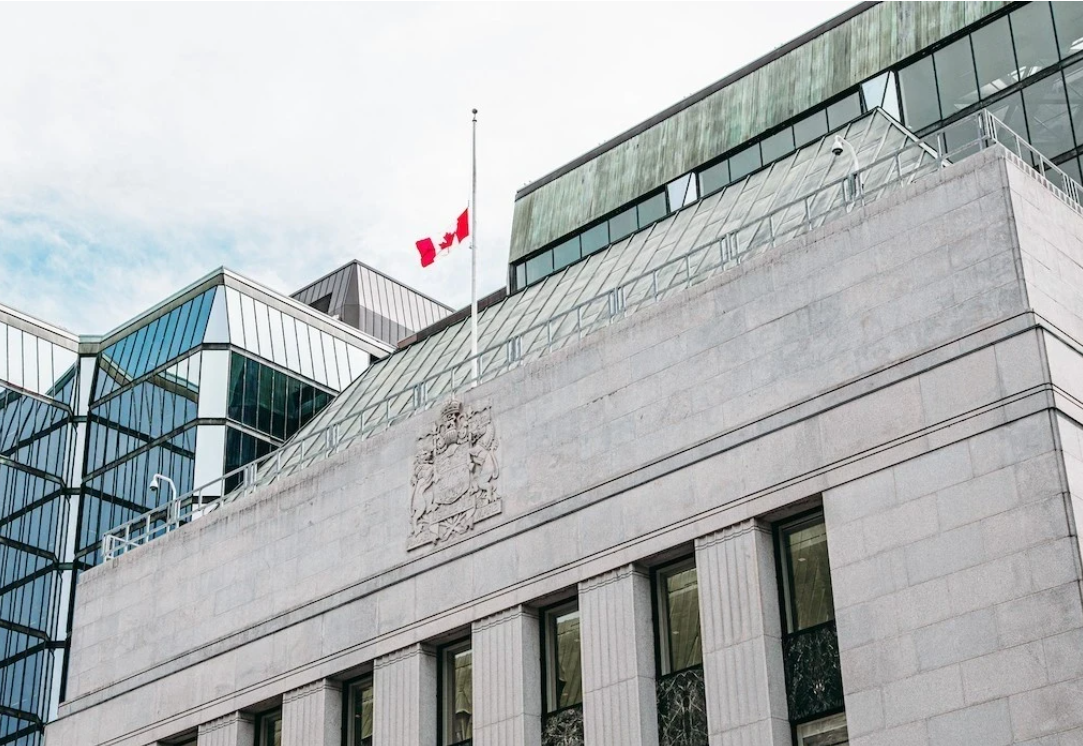
Should gasoline prices begin to abate, it could represent a more meaningful cure for headline inflation north of the border.
For investors, this is not an academic debate about central bank methodology. A narrower inflation base gives the Bank of Canada more room to hold, or even ease, relative to the Fed. That divergence has direct implications for financing costs on income properties, the pace at which variable rate mortgages reprice, and the broader appetite for leverage across the market. If the Bank of Canada’s path diverges from the Fed’s, we could see borrowing costs stabilize here before they do in the US, which would be a meaningful tailwind for cap rates and refinancing decisions over the next several quarters.
I would caution against treating this as a guarantee of imminent cuts. Inflation breadth is one input among many, and the Bank of Canada will still weigh employment, housing costs, and currency pressure in its decisions. But for investors modeling scenarios on new acquisitions or refinancing timelines, this is exactly the kind of structural detail that separates a sharp read of the market from a reactive one. Watch gasoline prices and watch the breadth figures. They are telling a more favorable story here than the headlines from Washington suggest.
Source: MPA Mag, “Bank of Canada rate hike case weaker than Fed’s, CIBC argues”