


What Ottawa’s Housing Fight Reveals About the Limits and Levers of City-Led Development
Ottawa heads to the polls this month with housing affordability dominating the conversation, and the debate underway there is really a case study in what municipal governments can and cannot do when demand outpaces supply. As someone who has spent a career tracking how land decisions ripple through communities, I see this election less as a referendum on any one candidate and more as a referendum on the tools cities actually have in their box.
The fundamentals are familiar to anyone who studies urban growth. Demand, driven in part by a rapid rise in immigration and temporary residents, collided with years of underbuilding focused on condos and single family product rather than the missing middle. Add rising land costs, higher development charges, and pandemic era supply chain disruption, and you get a market where rents climbed for years before recently showing signs of softening at the upper end.
What stands out to me is the gap between headline supply numbers and lived affordability. Ottawa is building rental housing at a pace not seen in decades, which researchers rightly call an understated good news story. But that supply is landing disproportionately at the higher end of the market, while the city’s centralized waitlist for rent geared to income housing sits above 16,000 households with waits stretching five to eight years. Supply alone does not solve a mismatch problem. It has to be the right supply, in the right locations, at the right price points.
This is where city hall actually has leverage. Ottawa’s recent overhaul allowing four units on any serviced residential lot is a meaningful zoning reform, the kind of policy shift that unlocks small scale infill and gentle density without requiring massive public subsidy. Harmonized rules and streamlined approvals matter too, since every month a parcel sits in process is a month of carrying costs that eventually show up in the price of the finished unit. Reducing development charges, with support from provincial and federal partners, is another lever, though it tends to help moderate income buyers more than those at minimum wage.
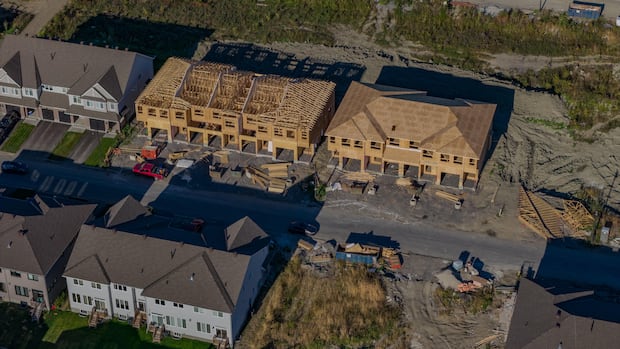
There is no not-for-profit zoning, no not-for-profit electricians, no not-for-profit land.
That line from Mike Moffatt of the Missing Middle Initiative captures the honest ceiling on municipal power. Cities can zone, incentivize, and release public land, as Ottawa is attempting around transit hubs, but they cannot manufacture affordability for households earning minimum wage through market mechanisms alone. That is why non-profit development, land trusts, and public land contributions deserve a bigger seat at the strategy table alongside private build, rather than being treated as an afterthought.
For anyone tracking large scale housing strategy, Ottawa is a useful signal of where the next wave of Canadian municipal policy is heading: zoning liberalization paired with targeted non-market investment, not either one alone. Cities that get the sequencing right will see stronger long term outcomes for both residents and developers.
Source: CBC News, “Ottawa voters ask: What can cities do to bring down the cost of housing?”