



5 Easy Ways to Control Humidity for a More Comfortable Home
There are certain things that make a home feel good the moment you walk in. The temperature matters, of course, but so does the texture of the air. When humidity is off, even a beautiful room can feel uncomfortable. Too much moisture can make the house feel sticky, stale, and strangely heavy, while air that is too dry can leave skin tight, throats scratchy, and sleep less restful than it should be.
Table Of Content
- Why Humidity Matters More Than Many Homeowners Realize
- Before You Fix Anything, Measure What Is Happening
- 1. Tackle Moisture at the Source First
- Simple source control habits that help
- 2. Use Exhaust Fans and Ventilation More Strategically
- When ventilation helps most
- 3. Bring in a Dehumidifier Where Your Home Truly Needs One
- 4. Adjust Daily Habits That Quietly Add Moisture
- Low effort habits with high comfort payoff
- 5. Make Seasonal Adjustments for Year Round Comfort
- Common Trouble Spots to Check First
- Humidity, Comfort, and the Feeling of Home
- A Simple Action Plan You Can Start This Week
- Final Thoughts
That is why learning how to control humidity in your home is one of the most useful comfort upgrades you can make. It is not only about preventing damage or avoiding mold, although those benefits are very real. It is also about creating a calmer, fresher atmosphere that supports daily routines, better breathing, and a sense of ease in the rooms where you spend your life.
The encouraging part is that good humidity control does not have to be expensive or complicated. In many homes, a few affordable changes can make a noticeable difference within days. A low cost hygrometer, better fan habits, quicker leak response, a well placed dehumidifier, and a few smart seasonal adjustments can all help bring your home into a healthier range.
Health Canada advises keeping indoor relative humidity between 30 percent and 50 percent to help prevent mold, while EPA guidance commonly recommends staying below 60 percent and ideally within that same 30 to 50 percent range. That gives homeowners a practical target instead of a perfect number to chase. As ASHRAE notes, comfort depends on more than humidity alone. Temperature, clothing, activity level, and season all matter too, which is why the best humidity strategy is one that supports the way your home actually feels and functions.
In this guide, we will walk through five easy and affordable ways to manage humidity with comfort and well being in mind. We will also look at the signs that humidity is affecting your home, why room by room monitoring matters, and how small daily habits can make a big difference over time.
Why Humidity Matters More Than Many Homeowners Realize
Humidity often sits in the background of home comfort until it becomes impossible to ignore. You may notice windows collecting condensation in the morning, towels staying damp for too long, a basement carrying a faint musty smell, or bedrooms feeling oddly clammy at night. These small signs can seem harmless at first, but together they tell a bigger story about the balance of moisture inside the home.
High humidity tends to make rooms feel warmer than they really are, which can make summer comfort harder and more expensive to maintain. Air that holds too much moisture can also contribute to odors, condensation, and conditions that support mold growth and dust mites. The CDC states that indoor mold exposure has sufficient evidence linking it with upper respiratory symptoms, cough, wheeze, and asthma symptoms in susceptible people. That makes humidity control not only a comfort issue, but a health and wellness one as well.
Low humidity, on the other hand, is not ideal either. Very dry indoor air can irritate airways, dry out skin, and leave a home feeling less cozy than it should during colder months. This is one of the biggest misconceptions around moisture management. Humidity should not always be as low as possible. The goal is balance. A home should feel fresh and breathable, not damp and not desert dry.
It is also worth remembering that humidity rarely behaves the same way in every room. Bathrooms, kitchens, basements, laundry rooms, attics, and even window edges often experience higher moisture levels than living rooms or hallways. This is why one whole house reading can be misleading. A home can seem fine overall while one problem area quietly stays too damp day after day.
Comfort tip: If your home feels sticky, smells musty, or has recurring window condensation, humidity may be affecting the mood of your space long before it causes visible damage.
Before You Fix Anything, Measure What Is Happening
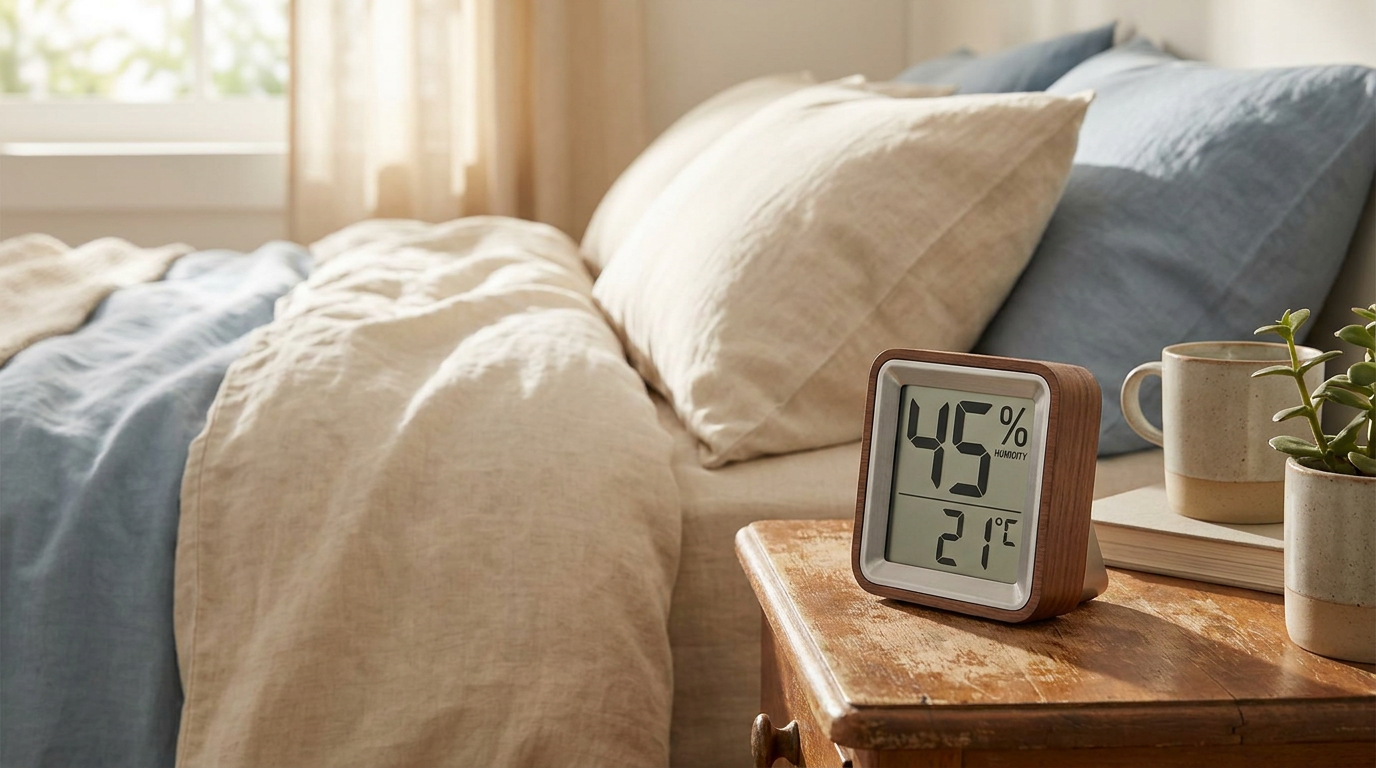
The easiest place to start is with awareness. A simple hygrometer can tell you the relative humidity in a room, and these devices are usually affordable, easy to use, and widely available. Health Canada and EPA both recommend using a hygrometer because guessing rarely tells the full story. Many homeowners are surprised to learn that the guest bathroom, the basement corner, or the bedroom near an exterior wall has very different readings from the main living area.
Try checking humidity in the rooms that tend to collect the most moisture. Bathrooms after showers, kitchens during meal prep, basements after rain, and bedrooms overnight are all useful places to monitor. If you like smart home tools, app connected indoor air quality monitors are becoming more popular and can make room by room tracking even easier. But even a basic device can help you see patterns and make practical decisions.
As you measure, remember the target range. A healthy comfort goal for most homes is around 30 to 50 percent relative humidity, and humidity should be kept below 60 percent at all times if possible. The exact sweet spot may shift slightly depending on your climate and the season. A room that feels pleasant at 40 percent in winter may need a different approach in a humid summer, especially if condensation or stale air starts to appear.
What matters most is using your readings as a guide rather than a rigid rule. A hygrometer helps you connect how a room feels with what the air is actually doing. Once you know where moisture is gathering, you can respond in a much more effective and affordable way.
1. Tackle Moisture at the Source First
If you do only one thing to improve humidity, let it be this. Address moisture where it starts. A dehumidifier can help, and ventilation matters, but neither one fully solves a problem if water keeps entering the space or dampness is allowed to linger. Source control is the foundation of affordable humidity management because it prevents small issues from becoming expensive ones.
Start by looking for obvious moisture problems. Check under sinks, around tubs and showers, near windows, behind toilets, around the dishwasher, and in the basement after heavy rain or snowmelt. Look for peeling paint, warped trim, soft drywall, water stains, or musty odors. Mold does not always announce itself visually, which is why smell can be an important clue. A room that consistently smells earthy or stale may have hidden dampness even if surfaces look clean.
Leaks should be fixed promptly. EPA guidance notes that wet materials should be dried quickly, ideally within 24 to 48 hours, because prolonged dampness increases mold risk. This is one of those straightforward maintenance habits that protects both comfort and the home itself. A soaked bath mat, a damp section of drywall, or a wet box left in the basement may seem minor, but moisture that stays trapped tends to create a heavier atmosphere and can encourage mold growth.
Condensation deserves attention too. When warm indoor air meets a cold surface, water can collect on windows, pipes, and uninsulated walls. If you notice repeated condensation, it is a sign that the moisture balance is off or that surfaces are too cold. Sealing drafts and adding insulation to problem areas can be incredibly helpful because they reduce the temperature contrast that leads to water droplets in the first place.
There are also quieter sources of excess moisture that many families overlook. Drying laundry indoors without proper venting, storing damp sports gear in a closed room, or regularly leaving wet towels piled up can all raise humidity over time. Even everyday routines shape the feel of the air. A few simple changes can make your home feel significantly lighter and fresher.
Simple source control habits that help
- Fix plumbing leaks, roof leaks, and seepage issues as soon as they appear.
- Dry wet materials and fabrics quickly rather than letting them sit.
- Use lids while cooking to reduce steam release.
- Vent dryers outside properly and avoid indoor drying when humidity is already high.
- Wipe condensation from windows and investigate why it keeps returning.
- Keep foundations, crawlspaces, and basement floors as dry as possible.
Source control is not glamorous, but it is often the most powerful step because it creates lasting relief rather than temporary improvement. Once your home is not constantly generating or holding unnecessary moisture, every other humidity solution starts working better.
2. Use Exhaust Fans and Ventilation More Strategically
Ventilation is one of the simplest ways to remove moisture before it spreads through the house. The key word, though, is strategically. Many people know they should use bathroom and kitchen fans, but the real difference comes from using them consistently and at the right moments. Moisture rises quickly during showers, cooking, dishwashing, and laundry, and if that humid air lingers, it tends to travel into adjacent rooms and settle into surfaces.
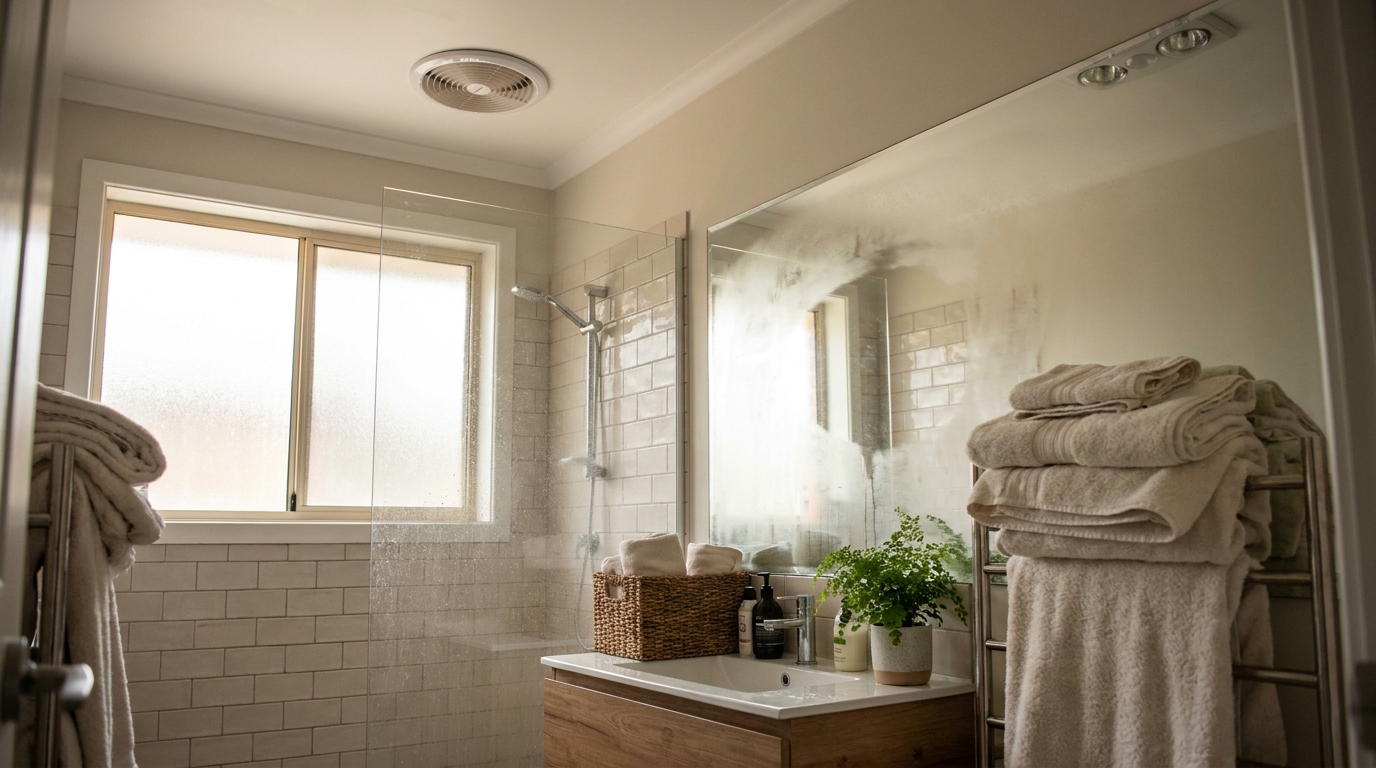
The bathroom is one of the most important places to build a better routine. Run the exhaust fan during showers and for a while afterward so steam has time to leave instead of condensing on walls, ceilings, and mirrors. If your bathroom has no fan or the existing one is weak, even a small upgrade can change the room dramatically. A bathroom that dries faster usually smells fresher and feels cleaner, even when the decor stays exactly the same.
Kitchen ventilation matters just as much. Boiling water, simmering soups, washing dishes, and even long baking sessions can add a surprising amount of moisture to the air. Turning on the range hood and using lids while cooking can reduce steam and make the kitchen more comfortable, especially in warmer months. It is a simple habit, but one that supports both air quality and the overall mood of the home.
Opening windows can help sometimes, but this is where seasonal awareness matters. In warm, humid weather, bringing outdoor air inside may add even more moisture, especially in climates with muggy summers. In colder months, opening windows too often can increase heating demand and make indoor air uncomfortably dry. A better approach is often targeted spot ventilation in problem rooms rather than assuming fresh air is always the answer.
If your home has a laundry room, pay attention there too. Dryers should vent outdoors properly, and lint buildup or disconnected ducts can interfere with moisture removal. Laundry spaces often become hidden humidity zones because they are functional rather than decorative, so they are easy to ignore. But when they stay damp, the effect often reaches nearby rooms.
When ventilation helps most
- During and after showers or baths.
- While cooking, especially boiling or steaming.
- During dishwashing cycles that release warm moisture.
- When running laundry appliances.
- Any time a room feels stale, damp, or foggy.
Good ventilation is one of those small household habits that quietly improves comfort every day. It helps rooms recover faster after moisture producing activities and prevents damp air from becoming part of the home’s normal background.
3. Bring in a Dehumidifier Where Your Home Truly Needs One
Sometimes habits and fans are not enough, especially in basements, lower levels, older homes, or humid climates. This is where a dehumidifier can be a practical and worthwhile investment. It is one of the most effective tools for removing excess moisture from the air, but it works best when you place it thoughtfully and use it as part of a broader plan rather than as a stand alone cure.
Basements are one of the most common problem areas because they are naturally cooler and more prone to dampness, especially in regions with heavy rain, snowmelt, and freeze thaw cycles. If a basement smells musty, feels cool and clammy, or leaves cardboard and fabrics feeling slightly damp, a dehumidifier can change the atmosphere quickly. The same is true for laundry rooms, enclosed storage areas, and bedrooms that stay humid overnight.
Choose a model suited to the room size and look for one with a humidistat, which lets you set a target humidity level. That helps avoid over drying the air and can make the unit more efficient. Many homeowners now prefer smart or app connected models because they can track humidity trends room by room and make it easier to manage comfort without constant checking.
It is important to set realistic expectations. A dehumidifier removes moisture from the air, but it does not fix leaks, poor drainage, or ongoing condensation causes. If water is entering the basement through the foundation or a bathroom fan is never used, the machine may help symptomatically without solving the underlying issue. The best results happen when dehumidification is combined with source control and better ventilation.
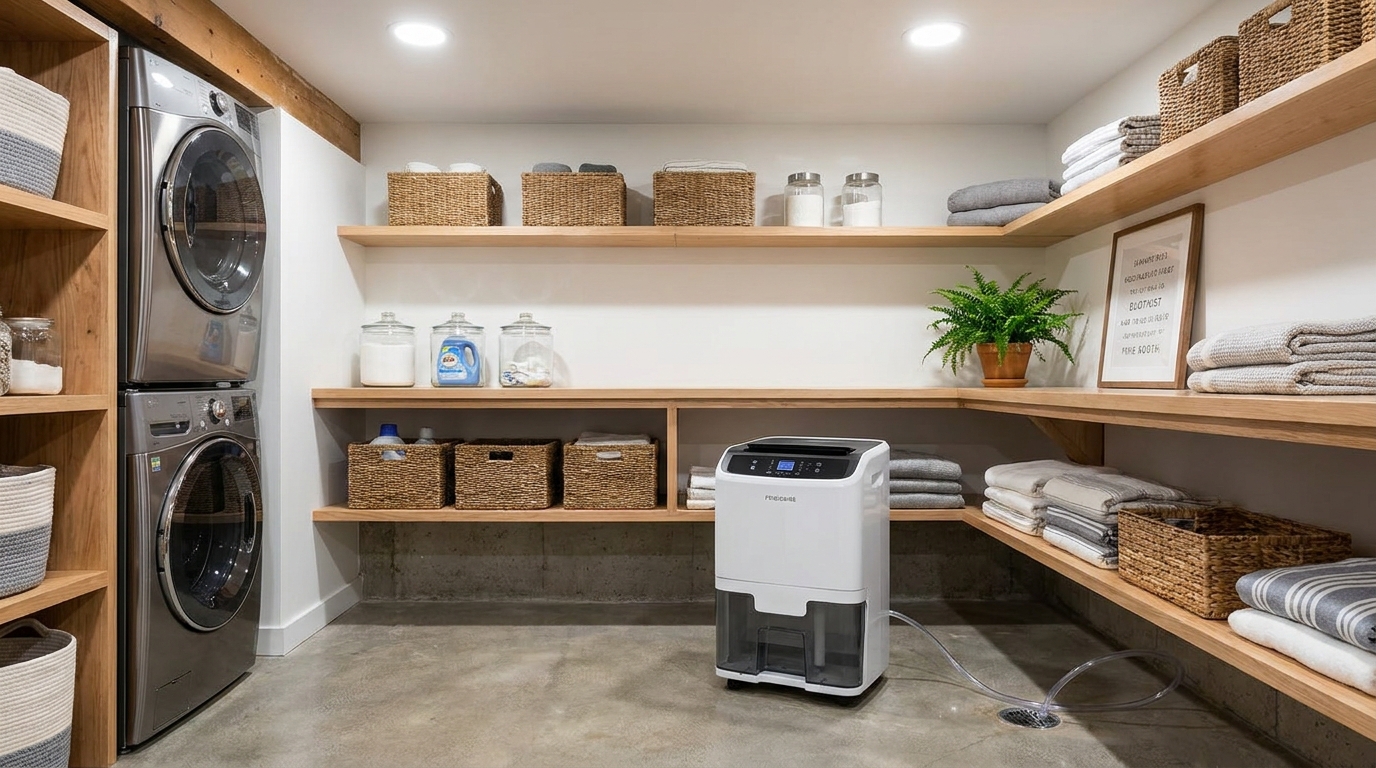
Maintenance matters here too. Empty the collection tank regularly unless the unit drains automatically, and keep filters clean so airflow stays strong. A neglected dehumidifier becomes less effective and less energy efficient over time. Fortunately, keeping one in good shape is usually simple and can extend its usefulness for years.
From a comfort perspective, dehumidifiers often do more than people expect. When the air is less damp, rooms feel cooler, bedding feels fresher, and that heavy summer sensation starts to lift. Even if no one in the house is talking about relative humidity, they often notice that the home simply feels better.
4. Adjust Daily Habits That Quietly Add Moisture
One of the most affordable ways to control humidity is to notice the everyday routines that release water into the air. Homes are full of these little moisture moments, and because they are normal, they are easy to miss. A long shower, a pot of pasta boiling uncovered, damp bath towels hanging in a closed room, and indoor laundry drying near bedrooms can all influence how the house feels by the end of the day.
This is not about making home life rigid or joyless. It is simply about shaping habits so your home supports comfort more naturally. For example, using lids while cooking reduces steam with almost no extra effort. Hanging towels with space to dry, rather than piling them together, helps moisture leave the fabric faster. Closing the bathroom door and running the fan after a shower can stop humid air from drifting into hallways and bedrooms.
If you love air drying clothes, try to do it in a space with excellent ventilation, lower ambient humidity, or a dehumidifier nearby. In damp seasons, indoor drying can push a room past the comfort range surprisingly quickly. Similarly, if children come home with wet coats or sports equipment, letting those items dry in a well ventilated utility area rather than in bedrooms can make a real difference.
Houseplants are often mentioned in conversations about indoor air and moisture, but they are usually not the main source of a humidity problem. Still, if you have many plants grouped in a small room and water them generously, they can contribute some moisture. The answer is not to remove everything beautiful and living from your home, but simply to keep the room balanced and observe whether that space feels heavier than the rest of the house.
Another often overlooked habit is delaying cleanup after spills or damp messes. Moisture trapped in rugs, bath mats, or laundry piles lingers in ways the eye does not always register. Prompt drying protects not just surfaces, but also the freshness of the room. It keeps the home from taking on that faintly damp undertone that can be hard to describe yet instantly affects how welcoming a space feels.
Low effort habits with high comfort payoff
- Run bathroom fans after showers until the room dries out.
- Cook with lids when possible and use the range hood.
- Dry towels, bath mats, and wet clothing promptly.
- Avoid indoor laundry drying in already humid rooms.
- Keep wet shoes, coats, and gear in a ventilated area.
- Clean up spills and damp fabrics quickly.
These choices may sound modest, but that is exactly why they are so effective. They fit easily into normal life, and over time they reduce the background moisture burden that makes a home feel muggy or stale.
5. Make Seasonal Adjustments for Year Round Comfort
Humidity control works best when it reflects the season you are living in. The needs of a home in July are not the same as the needs of a home in January, especially in Canada and the northern United States. Summer usually brings higher outdoor humidity, while winter often creates a more delicate balance between moisture control, warmth, and dryness.
In warm, humid weather, the priority is usually removing excess moisture and preventing it from building up indoors. Air conditioning can help because it removes some moisture as it cools, though its performance varies depending on the system and how the home is used. During these months, dehumidifiers, bathroom fans, kitchen ventilation, and careful window opening are often the most helpful tools. If outdoor air feels heavy and damp, opening windows may make the home less comfortable rather than more.
In colder weather, the situation changes. Over ventilating can increase heating demand and leave indoor air too dry, especially in tightly heated homes. That does not mean ignoring moisture sources. It simply means being more targeted. Use spot ventilation in bathrooms and kitchens, keep monitoring humidity with a hygrometer, and watch for condensation on windows or cold surfaces. Those signs can tell you whether the home still has excess moisture even during winter.
Seasonal changes are also a good time to inspect problem zones. In spring and fall, check basements after periods of rain, look at attic areas for signs of dampness, and inspect caulking and seals around windows and tubs. As temperatures shift, hidden weak points tend to reveal themselves. Catching those early often prevents both moisture problems and unnecessary stress later.
For many families, the ideal seasonal strategy is not perfection. It is awareness. A home feels most supportive when you respond to what the air is doing instead of relying on the same routine year round. That might mean running a dehumidifier more often in July, wiping condensation from a bedroom window in January, or changing laundry habits during a particularly wet week. Flexible, thoughtful care is often what makes a home feel truly comfortable.
Common Trouble Spots to Check First
If you are not sure where humidity issues are starting, begin with the rooms and surfaces most likely to collect moisture. Bathrooms are obvious candidates because of repeated steam exposure, but kitchens, basements, laundry rooms, attics, and window edges are equally important. These spaces often show the earliest clues, whether that means lingering odors, fogged glass, damp corners, or surfaces that never seem to fully dry.
Bedrooms can also be more affected than people realize, especially if windows are often closed, bedding holds moisture overnight, or nearby bathrooms release steam into the hall. If sleep feels stuffy or the room seems warm even when the thermostat is reasonable, humidity could be part of the picture. This is where room by room monitoring becomes so helpful. What feels like a whole home issue may actually be concentrated in two or three trouble zones.
Window condensation deserves special attention because it is so visible. A little moisture on very cold mornings may not always mean a major problem, but repeated or heavy condensation is a sign to investigate. It may indicate excess indoor humidity, air leaks, inadequate insulation, or some combination of the three. The longer that moisture sits, the more likely it is to affect trim, paint, and nearby materials.
Basements remain one of the most important zones for moisture prevention. They can hide dampness more easily than upstairs living spaces, and because many are used for storage, people may not spend enough time there to notice changes quickly. A regular walk through with your eyes and nose can go a long way. If the space feels cool, earthy, or clammy, it is worth taking seriously even before visible mold appears.
Humidity, Comfort, and the Feeling of Home
What I love about this topic is that it sits right at the intersection of maintenance and everyday well being. Humidity control may sound technical at first, but in lived experience it is deeply emotional. It influences whether a room feels restful or oppressive, whether fresh sheets feel crisp or damp, whether a bathroom returns to calm after a shower, and whether the whole house carries that subtle sense of cleanliness we often describe as simply feeling good.
There is also something reassuring about how approachable most humidity improvements are. You do not always need a major renovation or expensive system. Often, it starts with noticing. A small monitor on a shelf, a fan used more faithfully, a wet rug dried sooner, a dehumidifier in the basement, a leak repaired before it grows. These are modest acts of care, but they shape the atmosphere of a home in meaningful ways.
For families, humidity control can also support routines that feel easier and more pleasant. Bedrooms become more comfortable for sleep. Bathrooms feel cleaner. Storage areas smell fresher. Seasonal transitions feel less disruptive. And when a home feels physically comfortable, it often feels emotionally gentler too. That is part of what makes this such a worthwhile DIY comfort upgrade.
A comfortable home is not only about how it looks. It is also about how the air feels on your skin, how the rooms recover after everyday life, and how supported you feel inside them.
A Simple Action Plan You Can Start This Week
If all of this feels useful but you want a straightforward starting point, begin small. Buy or move a hygrometer into your most moisture prone rooms and take readings for a few days. Notice where humidity rises and when it happens. Then fix the easiest contributors first. Run the bathroom fan longer, use the range hood more often, dry wet fabrics quickly, and inspect visible areas for leaks or condensation.
If one room remains persistently damp, consider adding a dehumidifier and setting it to keep the space in a comfortable range. If the issue is tied to seepage, repeated window condensation, or a hidden leak, move next toward repair and insulation rather than trying to manage symptoms alone. The goal is not to create a perfect house overnight. It is to remove the constant little discomforts that make a home feel less fresh, less calm, and less healthy than it could be.
Over time, humidity control becomes less of a chore and more of a rhythm. You learn your home’s patterns. You notice how the basement behaves after rain, how the bathroom clears after showers, how bedrooms feel in midwinter, and how the kitchen changes during summer cooking. That familiarity helps you respond earlier and more gently, often preventing bigger issues entirely.
And perhaps most importantly, the payoff is immediate in a way many home projects are not. When indoor moisture is balanced, the home feels lighter, cleaner, more breathable, and more comfortable to live in. That is a meaningful return from a few simple, affordable changes.
Final Thoughts
Managing indoor humidity is one of the easiest ways to improve comfort, protect your home, and support healthier air. It does not require obsessing over numbers or turning your house into a science experiment. It simply means aiming for a sensible range, usually around 30 to 50 percent relative humidity, staying below 60 percent, and responding thoughtfully to moisture before it lingers.
The five most practical steps are clear. Measure humidity so you know what is happening. Tackle moisture at the source. Use exhaust fans and ventilation strategically. Add a dehumidifier where needed. Adjust everyday habits and seasonal routines so your home stays balanced throughout the year. Together, these changes can transform not only the condition of a house, but also the feeling of living in it.
If your home has felt sticky, stale, musty, or just slightly off, humidity may be the missing piece. A few small shifts can bring back the sense of freshness and ease that makes home such a restorative place to be.



No Comment! Be the first one.