



How to Create a Beautiful Container Garden for Your Outdoor Space
A container garden has a special kind of charm. It feels personal, flexible, and wonderfully approachable, whether you have a wide backyard patio or a tiny apartment balcony with just enough room for a chair and a few pots. There is something deeply satisfying about shaping a little outdoor world with color, texture, fragrance, and life, especially when that world fits beautifully into the way you actually live. A well designed container garden can soften a hard urban corner, bring joy to a front entry, or create a quiet ritual around morning coffee and evening watering.
Table Of Content
- Why Container Gardening Is Such a Wonderful Choice
- Start With Your Space and Your Daily Life
- Choose the Right Containers First
- Use the Right Potting Mix, Not Garden Soil
- Select Plants That Truly Suit Containers
- Design Your Containers for a Layered, Finished Look
- How to Plant a Container Garden Step by Step
- Watering Well Is the Heart of Container Garden Care
- Feed Your Containers So They Stay Lush
- Easy Plant Combinations That Look Beautiful
- Common Container Gardening Mistakes to Avoid
- Making a Small Space Feel Like an Outdoor Oasis
- Seasonal Planning and Refreshing Through the Year
- A Simple Care Rhythm for Lasting Beauty
- Final Thoughts
One of the loveliest things about container gardening is that it removes the idea that you need a traditional yard to enjoy growing things. You can create an oasis on a porch, a deck, a balcony, a small landing, or even a sunny windowsill outside your kitchen door. Research from Parks Canada has reinforced this simple but encouraging truth, noting that with the right vegetables and plants, people can grow successfully in small pots or containers on balconies, porches, and other compact spaces. In other words, limited square footage does not need to limit beauty.
Container gardening is also ideal for people who want freedom. Pots can be moved to follow the sun, adjusted as seasons change, refreshed when a favorite plant finishes blooming, or rearranged for a new look when you want your space to feel different. This makes container gardening both practical and creative, which is part of why it has become such a favorite for homeowners, renters, and anyone hoping to make outdoor living feel more lush and intentional.
In this guide, you will learn how to build a container garden that is not only attractive on day one, but also easier to maintain through the season. We will walk through choosing the right containers, selecting plants that thrive in pots, arranging them for a layered designer look, and caring for them so they stay full and vibrant. If you have ever thought that gardening was too complicated, too messy, or simply not possible in your space, container gardening may be exactly the inviting beginning you need.
The beauty of container gardening is that it meets you where you are. A sunny balcony, a compact porch, and a spacious terrace can all become living, growing retreats with the right containers and a thoughtful plan.
Why Container Gardening Is Such a Wonderful Choice
Container gardening offers instant possibility. Instead of digging up beds or committing to a permanent layout, you can begin with a few pots and add more over time. This makes it especially appealing if you are new to gardening or if you want your outdoor space to feel finished more quickly. Even a trio of well planted containers near a doorway can make an outdoor area feel styled, welcoming, and alive.
It is also a smart solution for modern living. Many people want outdoor spaces that are both beautiful and useful, and containers do exactly that. You can grow flowering plants for color, herbs for cooking, compact vegetables for fresh harvests, and pollinator friendly blooms that support bees and butterflies. This combination of lifestyle value and everyday practicality is one reason container gardens feel so satisfying. They are decorative, but they also participate in your routines.
There is also a comfort in the scale of container gardening. A large in ground garden can be rewarding, but it can also feel overwhelming. Containers let you create manageable moments of care. A quick morning watering, pinching back a few herbs before dinner, or rotating a pot into better light becomes part of the rhythm of home rather than a large weekend project. For many people, that makes gardening feel calmer and more sustainable.
Another benefit is control. In containers, you have more say over soil quality, plant combinations, and placement. This can be especially helpful if your native soil is poor, your outdoor conditions vary through the day, or you simply want plants close to where you spend time. A container full of fragrant basil, soft trailing foliage, and cheerful blooms beside a dining chair can change the entire mood of a small outdoor nook.
Start With Your Space and Your Daily Life
Before choosing pots or plants, begin by looking carefully at your outdoor space. Notice how much sunlight it gets, where the wind hits most strongly, and how often you realistically want to care for your garden. A container garden is easiest to maintain when it fits your real habits, not an idealized version of them. If your balcony gets intense afternoon sun and dries quickly, your planting plan should reflect that. If you travel often, you may want fewer pots or self watering planters.
It also helps to think about how you want the space to feel. Some people crave a romantic, flower filled setting with soft color and gentle movement. Others want a fresh edible garden with herbs, leafy greens, and cherry tomatoes that make summer meals feel more connected to home. Many people want both. There is no rule that says a container garden must be either ornamental or practical. In fact, some of the most charming arrangements mix flowers with edible plants beautifully.
As you plan, think in zones. The area near your seating might call for scent, softness, and visual fullness. The sunniest edge may be best for vegetables or herbs. A plain wall or railing can become more inviting with trailing plants or vertical containers. By thinking about your outdoor area in layers and experiences rather than just individual pots, the final result feels more intentional and cohesive.
Try to imagine the garden from inside your home as well. What do you see from the kitchen window, the living room door, or your favorite indoor chair? Sometimes the best container garden is not the largest one, but the one placed where it brings the most daily pleasure. A bright pot seen every morning can do more for the feeling of home than a larger arrangement tucked in a forgotten corner.
Choose the Right Containers First
Beautiful planting starts with practical containers. One of the most important facts to understand is that every container should have drainage holes. This is essential for plant health. When water cannot escape, roots stay too wet and may rot, even if the plant looked healthy at first. A saucer underneath is perfectly fine, especially on balconies and patios, but standing water should not sit there for long. Emptying excess water helps protect both the plant and the look of your arrangement.
Container size matters more than many beginners expect. Larger pots generally hold moisture longer, give roots more room, and make maintenance easier. Small pots can be lovely, but they dry out quickly in heat and wind. If you want a lush, full display with flowers or food crops that thrive through summer, going a little larger often leads to better results. Large containers also make a stronger visual statement, which helps outdoor spaces feel more polished.
Material affects both style and performance. Terracotta has classic charm and breathes well, but it tends to dry faster. Glazed ceramic feels elegant and holds moisture a bit longer, though it can be heavier. Resin and fiberglass planters are lightweight and practical, especially for balconies where weight matters. Wood can feel warm and natural. The best choice is often the one that suits your climate, your maintenance habits, and the visual character of your home.
It is also wise to think about mobility. Since one of container gardening’s biggest advantages is flexibility, consider whether you may want to move pots during the season. Wheels, plant caddies, or lightweight materials can make this easier. Sun angles shift, storms come through, and sometimes a plant simply looks better in a different place. Choosing containers that support that freedom is part of gardening well.
A common misconception is that adding rocks or gravel to the bottom of a pot improves drainage. In reality, extension guidance often advises against relying on a rock layer as a drainage fix. What matters most is the presence of drainage holes and the use of a quality potting mix that allows excess water to move through properly. If you remember only one technical detail from this article, let it be this: healthy container gardens begin with drainage.
Use the Right Potting Mix, Not Garden Soil
Once you have the right containers, the next decision is what goes inside them. A lightweight potting mix is the best choice for container gardens because it holds moisture and nutrients while still draining well. Garden soil, by contrast, is usually too dense and heavy for pots. It can compact over time, limit air around the roots, and make drainage much worse. That often leads to stressed plants and disappointing results.
Potting mix may seem less romantic than choosing flowers, but it quietly influences nearly everything. A good mix supports root development, helps water move evenly, and creates the stable environment plants need to settle in. If you are growing edible plants, flowers, or mixed arrangements, starting with fresh, quality potting mix gives your entire garden a better chance to look full and healthy for longer.
There is also growing interest in more sustainable choices, including peat reduced or peat free blends made with ingredients such as coconut coir. These mixes can be an appealing option for gardeners who want to make environmentally thoughtful choices without sacrificing performance. As container gardening becomes more connected to sustainability, food growing, and biodiversity, even small decisions like potting media can feel meaningful.
If you are filling very large containers, it can be tempting to reuse old mix year after year without refreshing it. Some reuse is possible, but tired mix often loses structure and nutrients over time. If your containers seem to dry unpredictably, compact heavily, or produce weak growth, replacing or refreshing the mix can make a major difference. Think of potting mix as the quiet foundation beneath the beauty.
Select Plants That Truly Suit Containers
Not every plant is happy in a pot, so thoughtful selection matters. Compact, bush, and miniature varieties are especially suited to container life, particularly for vegetables. Parks Canada highlights easy small space crops such as lettuce, spinach, cherry tomatoes, radishes, peppers, peas, beans, and herbs. These choices are productive, approachable, and satisfying for beginners because they fit naturally into container growing.
If you are planting for beauty first, focus on varieties known for strong performance in containers. Flowering annuals, ornamental grasses, trailing vines, and foliage plants can all be wonderful choices depending on your light conditions. The key is matching plants to sun, shade, mature size, and water needs. A plant that outgrows its pot too quickly or demands a completely different watering schedule from its neighbors can turn a lovely arrangement into a frustrating one.
If you want a mixed use garden, try combining edibles and ornamentals. Basil with petunias, lettuce with violas, or thyme beside trailing greenery can look surprisingly refined. This kind of blending feels modern and lived in, which suits many patios and balconies beautifully. It also helps the garden feel integrated into home life rather than separate from it.
Pollinator friendly and native plant containers are also becoming more popular, and for good reason. They can bring movement and life to outdoor spaces while supporting biodiversity. Depending on your region, native flowering plants suited to pots may provide color and ecological value at once. This approach can be especially meaningful if you want your container garden to feel not only beautiful, but also connected to a larger natural rhythm.
Design Your Containers for a Layered, Finished Look
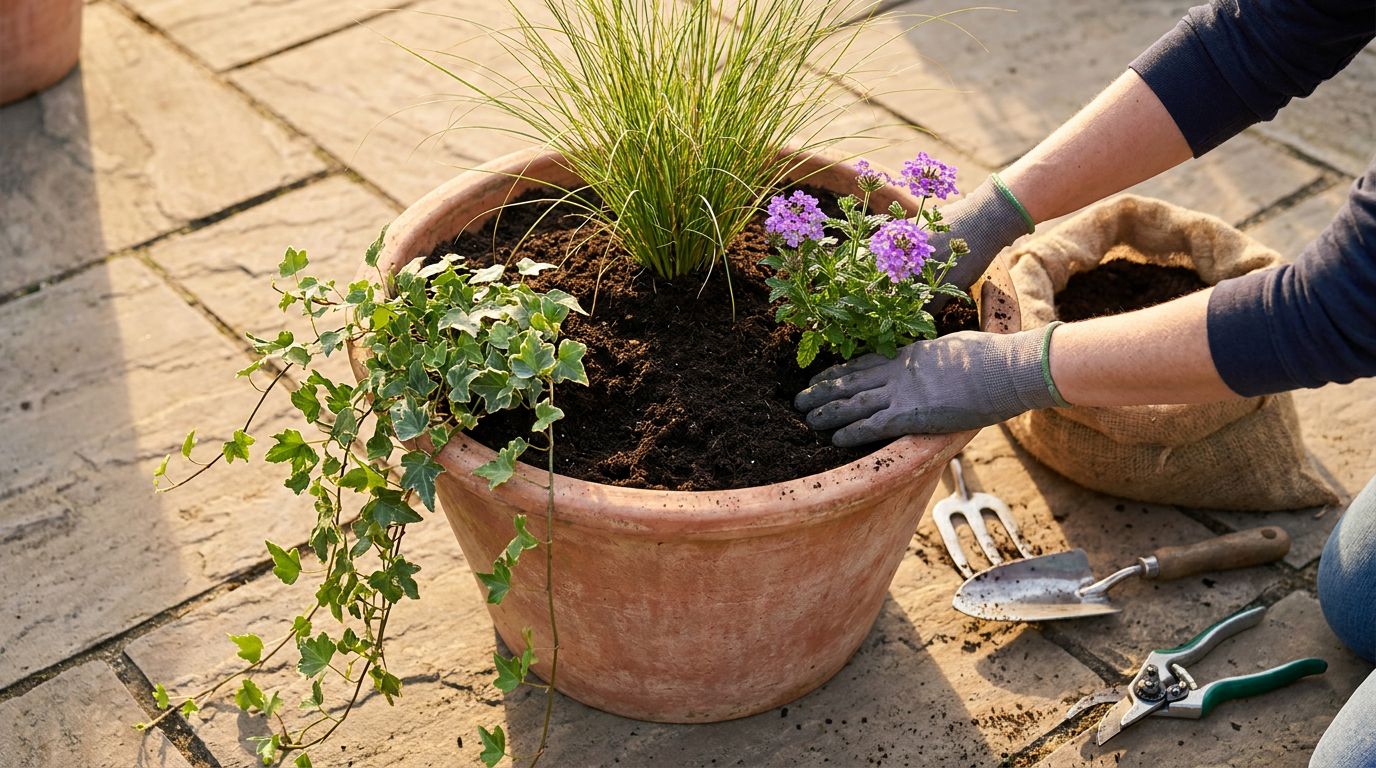
One of the easiest ways to make a container garden look professionally styled is to think in layers. A classic design approach is often called thriller, filler, spiller. The thriller is the taller focal plant that creates height and draws the eye. The filler adds body and fullness through the middle of the pot. The spiller softens the edges by trailing over the side. This simple structure works beautifully in both modern and traditional spaces.
For example, a mixed summer container might include a tall ornamental grass or upright flowering plant as the thriller, mounded petunias or leafy coleus as the filler, and trailing sweet potato vine or calibrachoa as the spiller. In an edible version, you might use a compact tomato or pepper as the focal point, parsley or basil for fullness, and trailing nasturtiums or thyme to soften the rim. The principle remains the same even as the plants change.
Color also shapes the mood of your container garden. Soft whites, greens, and lavender tones create a calming retreat. Saturated reds, oranges, and pinks feel lively and celebratory. Repeating a few colors across several pots can make a small outdoor area feel designed rather than random. Texture matters just as much as bloom color, so include broad leaves, airy stems, upright forms, and something trailing to keep the arrangement interesting.
Scale is another secret to beauty. On a tiny balcony, a few generous containers often look more luxurious than many small ones. In a large patio space, varying heights helps the garden feel layered and welcoming. Try placing larger pots at the back or in corners, medium ones near seating, and smaller accents on steps or tables. This variation gives the eye somewhere to travel and helps the space feel alive.
Do not forget the container itself as part of the design. Pot color, shape, and finish contribute to the overall atmosphere. A row of mixed pottery can feel collected and relaxed, while matching planters feel crisp and architectural. Neither is better. The right look is the one that supports the character of your home and the feeling you want to create outside.
How to Plant a Container Garden Step by Step
Once your materials are ready, planting is the enjoyable part where everything starts to come together. Working with intention here helps the finished container settle faster and look balanced from the beginning. You do not need to rush. A container garden often turns out best when you take a little time to place plants before committing.
- Start with clean containers that have drainage holes. If you are reusing pots, wash them and check that water can move through the bottom freely.
- Fill with fresh potting mix. Leave enough room at the top so water does not spill over immediately when you irrigate. The soil line should sit slightly below the rim.
- Arrange your plants before planting. Set them on top of the soil first to test spacing, balance, and overall shape. This is where the thriller, filler, spiller method is especially helpful.
- Plant at the same depth the plants were growing in their nursery pots. Avoid burying stems too deeply unless the plant specifically benefits from it, as some tomatoes do.
- Press the potting mix gently around the roots. You want the plants to feel secure, but not packed too tightly into dense soil.
- Water thoroughly right after planting. Continue watering until moisture runs out of the drainage holes. This helps settle the mix around the roots.
As you plant, leave enough room for growth. Freshly planted containers can look a little sparse if you are used to instant fullness, but overcrowding creates trouble later. Plants need air circulation and root space to stay healthy. A thoughtfully spaced container usually catches up quickly and often ends up looking richer by midseason than one that began too crowded.
It is also helpful to think beyond a single pot. Grouping several containers together can create the feeling of a full garden even in a small footprint. Vary the heights, echo a few plant colors or leaf shapes, and leave just enough breathing room between pots so each one can be appreciated. This creates a collected, layered effect that feels both lush and intentional.
Watering Well Is the Heart of Container Garden Care
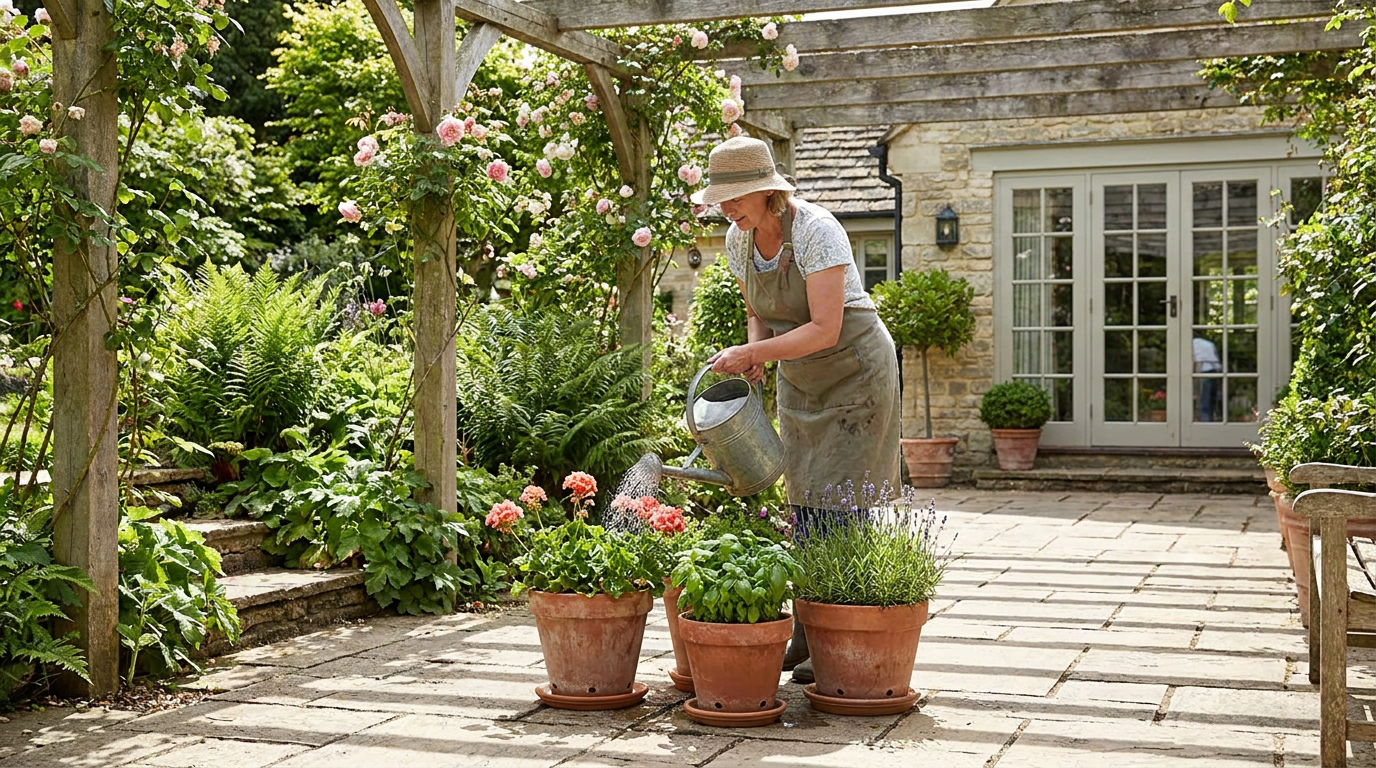
If there is one maintenance difference that surprises beginners most, it is watering. Container plants usually need more frequent watering than those growing in the ground because the limited soil volume dries out faster. Sun, heat, wind, and the size of the pot all influence this. In summer, many full sun containers need watering daily, and in very hot conditions some may even need it twice a day. This is not a sign you are doing anything wrong. It is simply part of container gardening.
The good news is that watering becomes easier when you treat it as a small routine rather than a burden. A practical rule of thumb is to water thoroughly until moisture runs out of the drainage holes, then wait until the top layer of potting mix begins to dry before watering again. Shallow splashes on the surface are usually less effective than a deep, complete watering. Thorough watering encourages roots to settle well throughout the container.
Morning is often the best time to water because it gives plants moisture before the heat of the day and allows foliage to dry more quickly. During heat waves, checking pots again in the evening can be wise. Larger containers usually stay moist longer than small ones, which is one more reason they are often easier for beginners. Windy balconies and exposed patios may dry faster than sheltered porches, so let your specific space teach you what it needs.
Rather than seeing frequent watering as a drawback, it helps to think of it as the tradeoff for having a portable, highly customized garden exactly where you want it. Those few minutes spent watering often become a pleasant pause in the day. They give you a chance to notice new growth, pick herbs, deadhead flowers, and reconnect with the outdoor room you are creating.
Feed Your Containers So They Stay Lush
Container plantings benefit from regular fertilization because nutrients wash out more quickly with frequent watering. This is especially important in summer, when flowering and fruiting plants are working hard and water is moving rapidly through the pot. Many gardeners are diligent about watering but forget to feed, then wonder why a once vibrant container begins to look tired by midsummer.
A simple feeding routine is often all you need. Some gardeners prefer a slow release fertilizer mixed in at planting time. Others use a diluted liquid fertilizer every couple of weeks after plants become established. If your containers are meant for flowers or fruiting crops like tomatoes and peppers, products formulated to support blooms and fruit can be especially helpful. You do not need an overly complicated schedule. Consistency matters more than perfection.
Pay attention to what your plants tell you. Pale leaves, weak flowering, and slow growth can all suggest a need for feeding, though watering and light should also be checked. The goal is not aggressive growth for its own sake, but sustained health and fullness through the season. Well fed containers tend to look more polished, flower more generously, and recover better from summer stress.
If you are growing herbs and greens for frequent harvesting, balanced feeding helps them continue producing fresh growth. This is one of the pleasures of edible container gardening. A pot can be attractive on the patio while also supporting dinners, garnishes, and weekend lunches. With enough water, sun, and steady nutrients, even small gardens can be surprisingly abundant.
Easy Plant Combinations That Look Beautiful
If you feel unsure about what to plant together, start with combinations that naturally share similar needs. For a sunny decorative pot, try an upright flowering plant, a mounded annual, and a soft trailing vine. For a kitchen friendly edible arrangement, pair basil, parsley, and trailing thyme in one wide container placed near the door. For a cheerful pollinator pot, combine long blooming flowers with airy forms that invite movement and visiting insects.
A fresh summer edible container might include compact cherry tomatoes with basil and marigolds. This kind of planting feels productive and charming at once. A leafy shade arrangement could feature ferns, heuchera, and trailing ivy for a calm and textured look. If you love softness, white and pale pink blooms mixed with silver foliage can create a lovely retreat feeling, especially in evening light.
You can also create a full garden by assigning each pot a role. One container may be for fragrance, filled with herbs and scented flowers. Another may be your color statement, overflowing with seasonal blooms. A third may provide structure through upright foliage or a small shrub. Thinking this way helps your whole outdoor space feel composed rather than repetitive.
The most successful combinations are not always the most complex. Often, two or three strong plant choices repeated thoughtfully across a space create the most elegant effect. Simplicity gives the garden room to breathe. It also makes care easier because plants with similar needs are grouped together.
Common Container Gardening Mistakes to Avoid
Many container garden disappointments come down to a few common mistakes, and the good news is that they are easy to avoid once you know them. The first is choosing a pot without drainage holes or forgetting to empty standing water from saucers. No matter how stylish the container, poor drainage quickly harms roots and undermines the entire display.
The second is using garden soil instead of potting mix. It may seem thrifty, but heavy soil is rarely kind to plants in pots. It compacts, drains poorly, and often creates inconsistent moisture levels that are hard to manage. Starting with the right mix is one of the simplest ways to help your garden succeed.
Another frequent misconception is that small gardens are automatically low maintenance. In reality, containers usually need more frequent watering and feeding than in ground beds. They are manageable, yes, but not entirely carefree. Knowing this from the start allows you to build a routine that keeps your plants healthy without resentment.
Plant choice can also trip people up. A very large, thirsty, sun loving plant will not thrive in a tiny shaded pot simply because it gets watered more often. Mature size, root space, light exposure, and seasonal hardiness still matter. Beautiful container gardens look effortless, but they are grounded in practical matching between plant and place.
Making a Small Space Feel Like an Outdoor Oasis
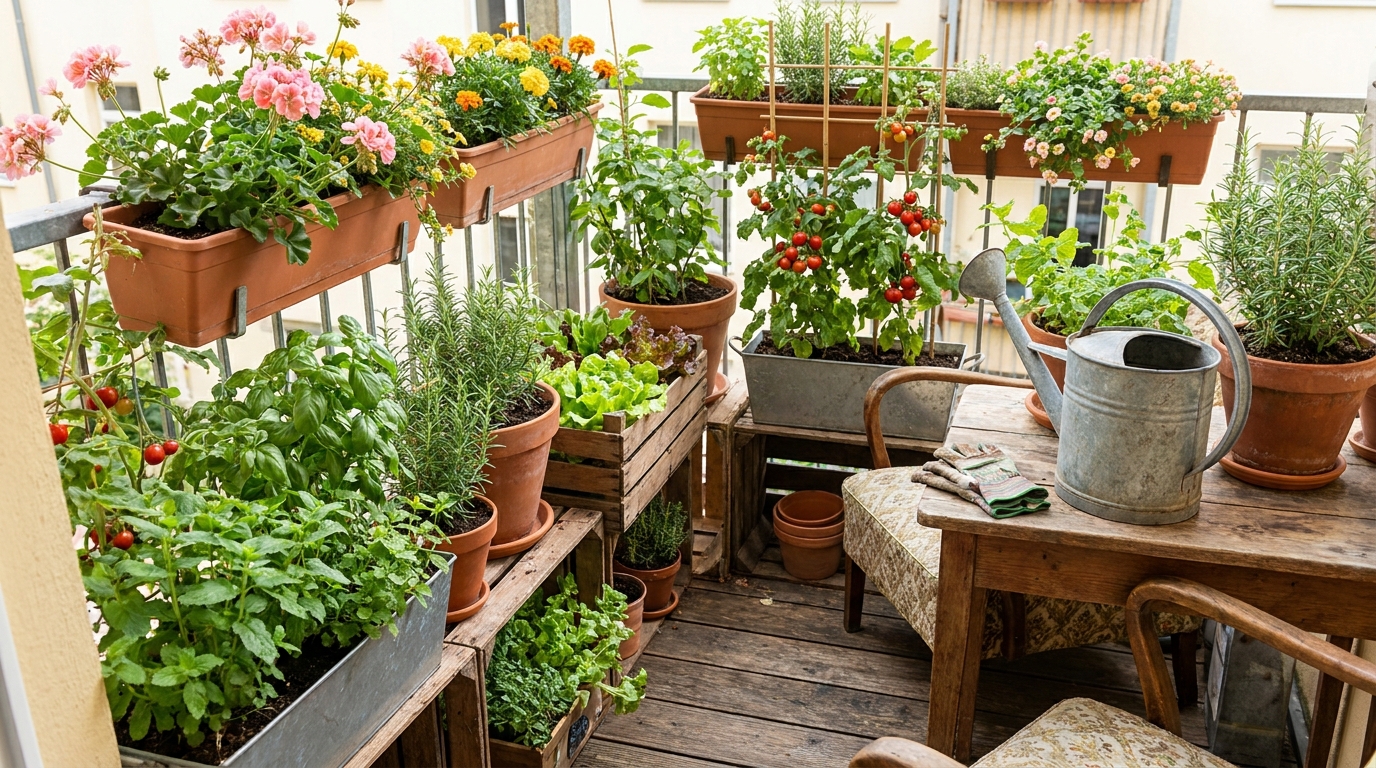
Even a very small outdoor area can feel lush when you use containers thoughtfully. The secret is not crowding every inch, but creating moments of abundance where they matter most. A comfortable chair beside two layered pots, a railing planter filled with herbs, and a statement container by the door can completely change how a balcony or porch feels. It becomes not just an outdoor surface, but a place with warmth and identity.
Use vertical elements when floor space is limited. Railing planters, tiered stands, and wall friendly pots can increase planting space without making the area feel cramped. If privacy is an issue, taller containers with upright plants or grasses can gently screen views while still feeling airy. This can be especially useful in urban settings where neighbors are close and comfort matters.
Try to include at least one element that engages more than sight. Fragrance from herbs or flowers, the rustle of grasses, or the pleasure of picking a tomato all deepen the experience. Container gardening is not only about how the space looks in a photo. It is about how it supports daily life and small feelings of ease.
Furniture, lighting, and accessories can help complete the mood. A lantern, a small outdoor rug, or a simple stool used as a plant stand can make the garden feel integrated into the rest of your home. When containers are arranged with both beauty and comfort in mind, even the smallest nook begins to feel like a true retreat.
Seasonal Planning and Refreshing Through the Year
One of the pleasures of container gardening is that it can change with the seasons. Spring containers may feature cool season greens, pansies, and early herbs. Summer can bring fuller flowering pots, tomatoes, peppers, basil, and trailing vines. In fall, many containers can be refreshed with ornamental kale, grasses, chrysanthemums, or cold tolerant herbs depending on your climate. This seasonal movement keeps the garden feeling dynamic and gives you a reason to revisit the space with fresh eyes.
In colder climates, frost sensitivity matters. Some container plants are best treated as seasonal annuals, while others may be brought indoors or protected when temperatures drop. If you live in a place with winter freeze thaw cycles, hardiness becomes more complicated in pots than it is in the ground because roots are more exposed. Some perennials can survive in containers for years if the pot is large enough and the conditions are right, but many will still need winter planning.
For edible gardens, succession planting can keep containers productive. As lettuce bolts in heat, another pot might take over with peppers or basil. As summer crops fade, cool season greens can return for autumn. This rotation is part of what makes container gardening so satisfying. It allows your outdoor space to remain useful and beautiful over a longer portion of the year.
Do not be afraid to edit as the season goes on. A plant that struggles can be replaced. A container that feels too crowded can be divided. A fading flower pot can become an herb pot by late summer. Because container gardening is flexible by nature, small changes are part of the process rather than signs of failure.
A Simple Care Rhythm for Lasting Beauty
If you want your garden to stay beautiful without feeling demanding, establish a gentle care rhythm. Check moisture regularly, especially in warm weather. Deadhead flowers that benefit from it, trim back leggy growth, harvest herbs often, and watch for signs that a plant has outgrown its space. None of these tasks are difficult on their own, but together they keep containers looking fresh and intentional.
It can help to attach these tasks to routines you already have. Water while your coffee brews, harvest herbs before dinner, and spend a few minutes tidying the pots on weekend mornings. This approach makes gardening feel like an extension of home life rather than another item on a long maintenance list. It also lets you enjoy the changes as they happen, which is part of the quiet pleasure of growing things close by.
If a container starts to look tired, ask a few simple questions. Is it drying too quickly. Does it need feeding. Has one plant taken over. Is the light different than it was earlier in the season. Often, the solution is straightforward. Container gardens respond quickly when their needs are met, which can be very encouraging for beginners.
The goal is not perfection. The goal is a garden that feels alive, cared for, and deeply suited to your outdoor life. A few wilted leaves on a hot afternoon do not mean you are failing. They simply mean your little landscape is communicating with you, and over time, you learn its language.
Final Thoughts
Creating a beautiful container garden is less about having a lot of space and more about making thoughtful choices. With the right containers, proper drainage, a quality potting mix, suitable plants, and a simple care routine, almost anyone can build an outdoor oasis that feels generous and personal. Whether you dream of flowers spilling over a terrace, herbs within arm’s reach of the kitchen, or a small balcony softened with greenery, container gardening makes that vision achievable.
Perhaps the best part is how quickly it changes the emotional tone of a space. A few thriving pots can make an entry feel welcoming, a balcony feel private, and a patio feel like a destination rather than an afterthought. They add color, softness, movement, and life, but also something less visible and just as important: a sense of care. The garden begins to tell a story about how you want to live outside.
If you are just starting, begin simply. Choose one sunny corner, one generous container, and a handful of plants that genuinely suit your conditions. Let success build your confidence. Over time, you can add layers, experiment with edibles, invite pollinators, and shape a retreat that grows with you. A beautiful container garden does not demand a perfect yard or perfect skill. It only asks for a little attention, a little curiosity, and the willingness to let beauty take root in whatever space you have.


No Comment! Be the first one.