



For a long time, the dream of a smarter home was sold as a collection of gadgets. A thermostat that learned your schedule, lights you could dim from your phone, a doorbell camera that sent alerts while you were out. Those tools have certainly changed daily life, but a new layer is starting to emerge, and it feels much more meaningful than simply adding more devices. The idea of a digital twin for a home is shifting the conversation from disconnected convenience to a more complete, human-centered understanding of how a home actually lives and breathes.
Table Of Content
- What a Digital Twin Really Means at Home
- Why Comfort Is Becoming the Center of the Conversation
- The Practical Benefits for Homeowners and Renters
- Key advantages households may see over time
- How Digital Twins Can Improve Everyday Living
- Digital Twins and the Future of Renovation
- Questions a home digital twin may help answer before a renovation
- Aging in Place, Wellness, and Personalized Support
- What the Research Is Starting to Show
- The Misconceptions Worth Clearing Up
- Challenges That Will Shape Adoption
- What Future Living Could Look Like
- Final Thoughts
At its simplest, a digital twin is a living digital model of a physical space. According to the National Institute of Standards and Technology, digital twins are computer models of physical systems with the potential for high accuracy, precision, and flexibility, and buildings are very much part of that definition. In a home setting, that means more than a floor plan or a dashboard full of numbers. It means a synchronized model that can pull together details like room layout, heating and cooling behavior, sensor readings, appliance performance, maintenance records, and even occupant comfort feedback to help guide decisions in a more confident way.
What makes this especially exciting for everyday life is not the technology alone. It is the emotional promise behind it. A home digital twin can help answer the kinds of questions that quietly shape comfort and wellbeing. Will the nursery stay warm enough in January. Will a renovation make the upstairs feel stuffy in summer. Is that drafty corner just an annoyance, or a clue that insulation needs attention. Could a heat pump or smart thermostat improve comfort without raising stress about costs. These are deeply practical questions, but they are also personal ones because they affect how safe, relaxed, and supported people feel at home.
As homes across Canada and North America move toward retrofits, electrification, and more efficient living, digital twins are becoming part of a bigger future-living story. They sit at the intersection of comfort, sustainability, resilience, and peace of mind. They are not here to replace human judgment or turn homes into cold data projects. Instead, they offer a gentler and more useful promise. They can reduce guesswork, reveal patterns we might otherwise miss, and help a home feel easier to manage over time.
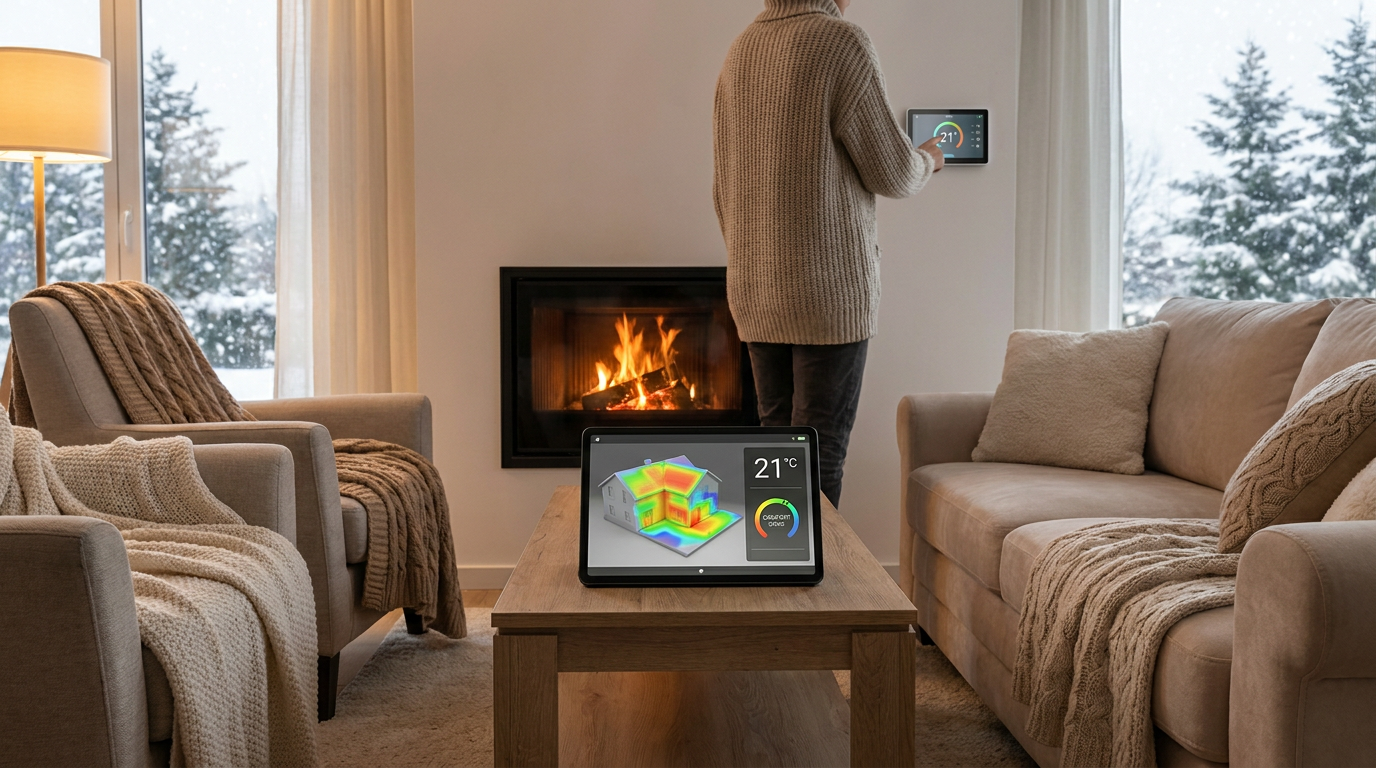
What a Digital Twin Really Means at Home
One of the biggest misconceptions about digital twins is that they are simply fancy 3D models or upgraded smart-home apps. That is understandable because many consumer-facing products already offer visual dashboards, connected devices, and energy summaries. But a true digital twin goes further. It stays linked to the physical home and updates with real information, making it useful not just for viewing the house, but for understanding and predicting how it performs.
Imagine a home that has temperature sensors in several rooms, a smart thermostat, utility data, appliance information, and a digital floor plan that understands where windows, insulation zones, and airflow paths are located. If that system can compare what is happening in the real house with what should be happening, and then help simulate the impact of a change, it starts to behave like a true digital twin. You are no longer just collecting information. You are creating a tool for better decisions.
That distinction matters because many homeowners and renters are overwhelmed by fragmented smart technology. One app tracks energy use, another controls lighting, another manages security, and none of them tell a coherent story about comfort. A digital twin offers the possibility of joining those dots. It can turn isolated data into a more understandable picture of daily life, which is why it feels so promising in a home context.
There is also a softer, more human dimension to this idea. When people understand their homes better, they often feel calmer inside them. Instead of guessing why one bedroom feels colder than the rest of the house, they can explore likely causes. Instead of worrying that a renovation will create new problems, they can test scenarios in advance. In that sense, digital twins function as confidence tools. They support not only efficiency, but emotional ease.
Why Comfort Is Becoming the Center of the Conversation
Much of the appeal of digital twins starts with comfort because comfort is where home becomes personal. Energy efficiency is important, and lower utility bills matter, but most people do not wake up thinking first about kilowatt-hours. They think about whether they slept well, whether the kitchen gets too hot while cooking, whether the home feels dry in winter, or whether one family member is always adjusting the thermostat. Comfort is intimate. It affects mood, routine, and health in ways that are easy to feel and hard to ignore.
This is why heating and cooling are such a natural starting point for home digital twins. Natural Resources Canada says space heating accounts for over 60 percent of the energy used in the average Canadian home. In the United States, the Department of Energy says heating and cooling account for around 35 percent of all energy consumption. Those are enormous shares, and they reveal just how central thermal comfort is to both daily experience and household spending.
When a digital twin can show how heat moves through a home, where losses are happening, and how occupancy patterns influence comfort, it becomes more than a tech novelty. It becomes a practical companion. It can help identify which room needs better insulation, whether blinds or shading could reduce summer overheating, or whether thermostat schedules actually reflect real life. For people trying to make a home feel consistently comfortable without wasting energy, this kind of insight is powerful.
Smart thermostats are a useful example of this shift. Guidance from Natural Resources Canada and Ontario energy resources suggests that smart thermostats can save about 8 percent on yearly heating and cooling costs. On their own, they are already helpful. But inside a digital twin, their value grows because thermostat data can be understood in context. That means seeing not just what temperature was set, but how that setting played out in different rooms, at different times, under different weather conditions.
A truly responsive home is not the one with the most gadgets. It is the one that understands comfort well enough to support the people living inside it.
For families, this occupant-centered approach is particularly appealing. One person may run warm, another may be sensitive to drafts, and children or older adults may have different needs altogether. A more advanced home model can include comfort feedback, not just equipment data, which reflects a growing research trend toward occupant-centric digital twins. That may sound technical, but the idea is beautifully simple. A home should respond to the people in it, not just the machinery behind the walls.
The Practical Benefits for Homeowners and Renters
One reason digital twins are gaining attention is that their benefits are not limited to one type of household. They can be useful for homeowners planning major upgrades, renters trying to understand comfort patterns in an apartment, older adults looking to live more independently, or families simply hoping to reduce avoidable household stress. The value lies in giving people better visibility into what is happening around them and helping them make better decisions with less uncertainty.
For homeowners, the most immediate benefit may be a clearer path through maintenance and improvement choices. Many people know their homes have issues, but they do not always know where to start. A chilly room, condensation on a window, an overworked air conditioner, or unexpectedly high utility bills can all point to deeper patterns that are hard to diagnose from one symptom alone. A digital twin can connect those patterns and make a problem feel more solvable.
For renters, the promise is slightly different but still meaningful. Not every renter can replace a furnace or install major upgrades, but being able to document comfort conditions, identify recurring issues, or better understand how an apartment behaves through the seasons can still be empowering. The U.S. Energy Information Administration notes that apartments often have different heating and cooling profiles than detached single-family homes, while year-round uses like water heating, lighting, and refrigeration remain significant. A digital twin adapted to smaller spaces could help renters make smarter choices about schedules, portable equipment, and conversations with landlords.
There is also an emotional benefit that should not be underestimated. Homes can feel mysterious when something is off. Repeated discomfort creates friction in daily life, and uncertainty often adds to that burden. By making causes and options easier to see, digital twins can reduce the low-level anxiety that comes from not knowing whether a problem is small, expensive, urgent, or fixable.
Key advantages households may see over time
- Better comfort visibility through room-by-room insights rather than whole-home averages
- Smarter energy choices based on real household patterns, weather, and usage habits
- Improved maintenance planning by spotting signs of equipment strain or recurring issues early
- More confident renovation decisions through before-and-after simulations
- Support for aging-in-place with climate, safety, and routine-aware monitoring approaches
- Clearer communication between occupants, contractors, landlords, and service professionals
In many ways, the practical story is really about simplicity. Not because the systems themselves are simple, but because they can make the experience of managing a home feel less chaotic. A good digital twin should help households move from reacting to problems toward anticipating them with more grace.
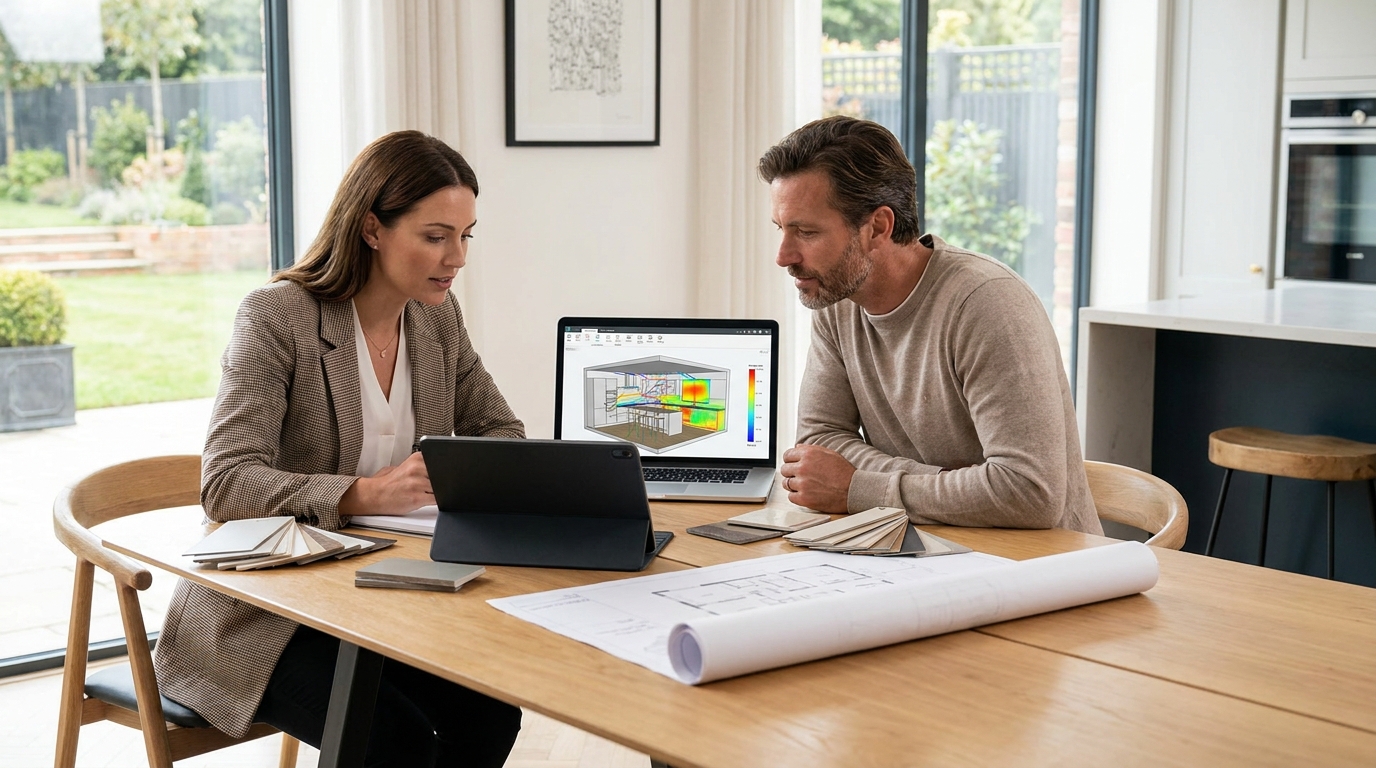
How Digital Twins Can Improve Everyday Living
The most compelling technology often fades into the background of ordinary life. Digital twins may sound futuristic, but their best use cases are refreshingly everyday. They can support better mornings, calmer evenings, more predictable bills, and smoother routines. This is where the concept becomes less abstract and more relatable.
Take seasonal comfort, for example. Many households live with the same recurring annoyances year after year. One room overheats in the afternoon sun. Another never quite warms up. A finished basement feels damp. The upstairs gets stuffy after bedtime. A digital twin can help track when and why those patterns happen, then test possible responses before money is spent. That might mean adjusting vent balancing, changing schedules, improving insulation, adding shading, or planning a future equipment upgrade.
It can also make routine energy decisions gentler and more informed. Rather than simply telling residents that energy use was high, a digital twin can help explain the relationship between weather, occupancy, appliance timing, and indoor comfort. If households begin using more flexible electricity systems in the future, especially as smart grids evolve, that visibility may become even more helpful. Homes will not just consume energy. They will increasingly manage when and how they use it.
Maintenance is another area where digital twins feel quietly valuable. Most people do not want to think constantly about what might fail in their home, but everyone appreciates avoiding unpleasant surprises. If a heating system begins working harder than expected, or humidity patterns suggest a ventilation issue, a digital twin may help flag those changes before they become disruptive. That does not mean every issue will be predicted perfectly. It means households can be less blindsided.
Even design decisions can become more grounded. If you are renovating a kitchen, converting an attic, finishing a lower level, or replacing windows, a digital twin can help simulate how those choices may affect daylight, airflow, comfort, and energy performance. This is especially relevant in a time when more homes are being asked to do more. They are offices, retreat spaces, family hubs, wellness environments, and long-term investments all at once.
Digital Twins and the Future of Renovation
Older homes have charm, but they also come with layers of uncertainty. Hidden drafts, inconsistent insulation, aging systems, and improvised past renovations can make planning upgrades feel daunting. This is one reason digital twins are becoming interesting in retrofit conversations. They offer a way to see a home more holistically before committing to expensive changes.
Canada’s broader building and energy direction has made this even more timely. As efficiency goals rise and more households consider electrification, heat pumps, envelope improvements, and net-zero-ready pathways, decisions need better data behind them. NIST’s work around building digitization points to the importance of synchronized digital representations of buildings, and Canadian momentum around building-scale digital twins reflects a similar desire for smarter, more interoperable planning tools.
For a homeowner, this could mean exploring multiple upgrade paths in a more grounded way. Instead of asking only what a new system costs, they can ask how it may affect comfort in specific rooms, how it interacts with insulation levels, and whether additional changes would improve the result. This can lead to wiser sequencing. Sometimes the right answer is not the most dramatic upgrade first. It may be the one that solves the biggest comfort issue and sets the house up well for future improvements.
There is something emotionally reassuring about that process. Renovation often carries equal parts excitement and fear. People worry about spending money in the wrong place, living through disruption, or discovering unexpected consequences later. A digital twin cannot eliminate every unknown, but it can bring more clarity to what is otherwise a very stressful leap.
Questions a home digital twin may help answer before a renovation
- Which rooms lose the most heat or gain the most unwanted warmth
- How new windows, insulation, or shading might affect seasonal comfort
- Whether a planned layout change could alter airflow or daylight quality
- How a heat pump or other electrification upgrade might perform in context
- Which sequence of improvements could deliver the strongest comfort return first
That kind of modeling is still early in the residential market, but it aligns beautifully with where future living is heading. Homes are becoming more intentional spaces, and renovation decisions increasingly need to balance beauty, comfort, efficiency, and resilience at the same time.
Aging in Place, Wellness, and Personalized Support
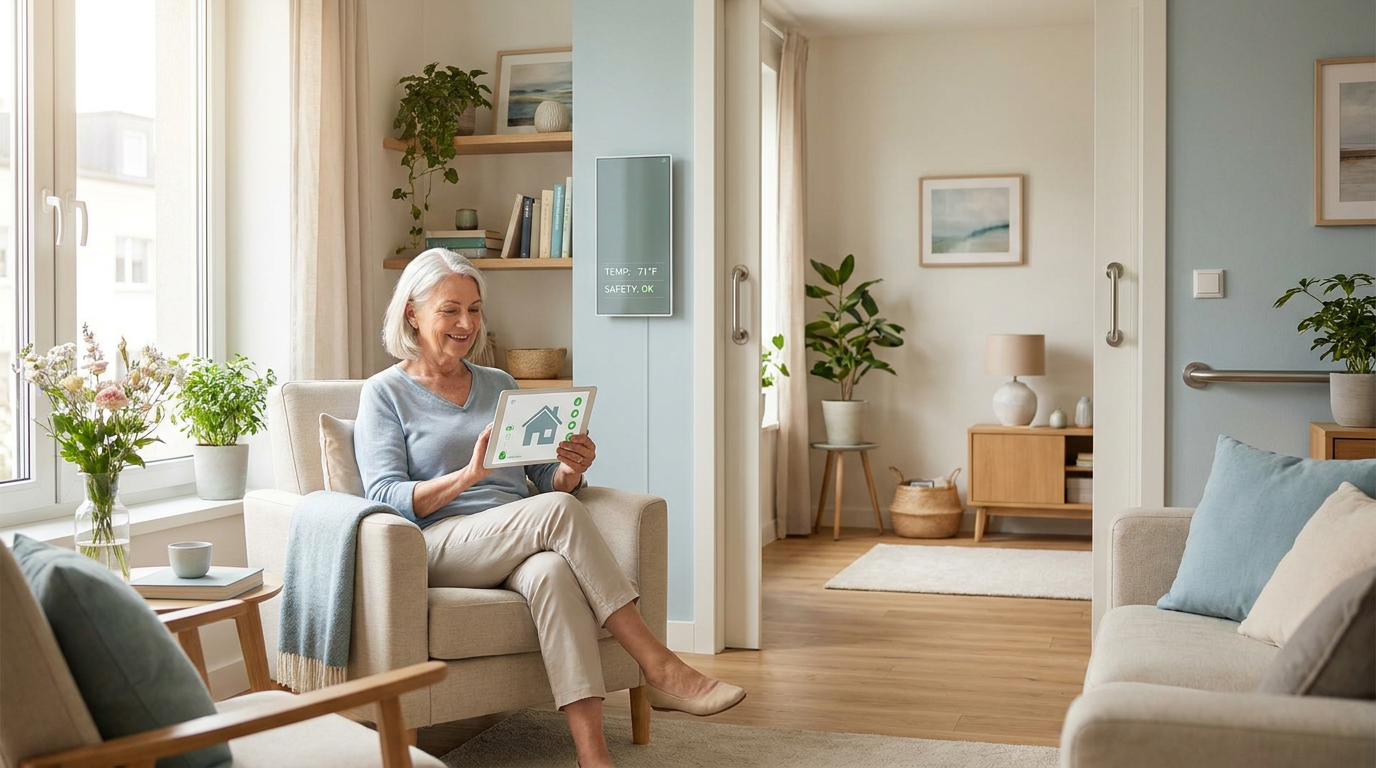
Perhaps one of the most meaningful directions for digital twins is their potential to support independent living. As households think more carefully about aging in place, multigenerational needs, and long-term wellness at home, responsive technology starts to matter in a more compassionate way. A house is not just a structure. It becomes part of a support system.
Recent research has explored privacy-preserving digital twins for aging in place, showing how home-level models might support personalized comfort and independent living without relying on invasive approaches. This is an important distinction because people want support, but they also want dignity. The future of home technology will be strongest when it feels respectful rather than intrusive.
In practical terms, a digital twin in this context could help monitor indoor climate, identify unusual changes in routine conditions, and support safer daily living. If a home consistently becomes too cold overnight, if ventilation patterns shift, or if comfort conditions begin affecting sleep and wellbeing, those insights may help families or caregivers intervene sooner and more thoughtfully. Not with panic, but with informed care.
Wellness is also broader than age. Better indoor environmental quality matters to everyone. Temperature, humidity, airflow, and light all shape how restorative a home feels. As digital twins become more occupant-centric, they may help create homes that feel healthier and more aligned with human rhythms. This could be especially attractive to people who already care deeply about the emotional atmosphere of their space and want a home that supports calm, focus, and physical ease.
What the Research Is Starting to Show
Although home digital twins are still an emerging area, the research direction is encouraging. A 2024 proof-of-concept study on a digital twin-based smart home concluded that residences can benefit from digital twin technologies, even if implementation remains early. That is an important point because it suggests the concept is moving beyond theory and toward practical residential applications.
There is also growing interest in occupant feedback as part of digital twin systems. Canadian research from 2024 has explored combining building management systems with crowdsourced occupant data in digital twin frameworks. That detail matters because it reflects a shift away from building performance as a purely mechanical story. The home of the future will likely be measured not only by what systems do, but by how people actually feel inside the environment those systems create.
Canadian momentum is visible in broader infrastructure conversations too. Carleton University’s Canada’s Digital Twin project received recognition in 2024 for open-source and open-standards approaches to digital-twin infrastructure. While that work extends beyond individual homes, it signals something important for the housing future. If digital twins are going to become more useful and accessible, interoperability and shared standards will matter enormously.
The field is also becoming more attentive to trust. NIST’s 2025 report highlights cybersecurity and trust considerations as key issues for digital twin technology. This is exactly the kind of realism the conversation needs. A home digital twin should not be adopted just because it sounds advanced. It should earn trust by being secure, transparent, and clear about how data is used. The future of home living depends as much on confidence as it does on capability.
The Misconceptions Worth Clearing Up
Whenever a new technology enters the home space, hype arrives quickly. Digital twins are no exception. One common misconception is that any connected home setup automatically counts as a digital twin. It does not. Smart devices alone do not create a twin unless they are integrated into a coherent model that is linked to the physical home and can support analysis, simulation, or prediction. A handful of apps and devices may be smart, but they are not necessarily unified.
Another misconception is that digital twins are only for luxury homes or major commercial buildings. That may have been closer to the early narrative, but it is no longer the most useful one. Research and proof-of-concept work increasingly show relevance for apartments, retrofits, maintenance, and aging-in-place. The future opportunity is not exclusivity. It is adaptability.
There is also the myth that more data automatically creates better outcomes. In reality, too much disconnected or low-quality data can make decisions harder, not easier. Privacy, cybersecurity, interoperability, and data quality are all major challenges. A smaller, well-designed system that answers meaningful questions may be more helpful than a sprawling setup that overwhelms users and exposes unnecessary information.
Finally, digital twins do not replace people. They do not replace intuition, lived experience, or professional expertise. They support better judgment. A homeowner still knows what feels comfortable. A renter still understands which issues matter most day to day. A contractor or designer still brings skill and context. The technology works best when it sharpens human decision-making rather than pretending to automate it away.
Challenges That Will Shape Adoption
For digital twins to become a comfortable part of everyday housing, they will need to feel more seamless than experimental. That means several practical issues still need thoughtful progress. Interoperability is one of the biggest. Many homes already contain devices and systems from different brands that do not communicate well with each other. Without better open standards, the digital twin experience could become fragmented or overly dependent on proprietary platforms.
Cybersecurity is another central issue. A home is an intimate place, and any system that maps its routines, equipment, and occupancy patterns must be handled with care. NIST’s recent emphasis on security and trust is a reminder that the smartest home is not the one that collects the most data. It is the one that protects people while serving them well. Trust will be a deciding factor in whether households embrace these systems over time.
Cost and accessibility also matter. If digital twins are framed only as premium upgrades for elite properties, they will miss much of their social value. Some of the most meaningful use cases involve older homes, everyday apartments, and households navigating budget-conscious retrofit decisions. To reach those audiences, tools will need to become more user-friendly, more modular, and more clearly tied to real quality-of-life benefits.
And then there is the challenge of communication. The term itself can sound abstract or intimidating. Most people do not need a deep technical explanation. They need to know what problem it solves and how it might make home life better. In that sense, the future success of digital twins may depend as much on design and storytelling as it does on engineering.
What Future Living Could Look Like
If digital twins continue to evolve in the direction current research suggests, the future home may become noticeably more responsive without feeling more complicated. Comfort feedback could help a home adapt more gracefully through the seasons. Renovation plans could be tested before walls are opened. Energy use could align more intelligently with weather, occupancy, and grid conditions. Maintenance issues could surface earlier, when they are easier and less stressful to address.
This aligns closely with other future-living trends already taking shape. Smart grids are changing how energy systems interact with households. Electrified heating, including heat pumps, is becoming a bigger part of retrofit planning. Home energy management systems are growing more capable. Occupant-centric design is gaining cultural traction because people want homes that support wellness, not just efficiency. Digital twins can act as a connective layer between those trends.
Perhaps the most appealing part of this future is that it does not have to feel cold or robotic. In fact, the best version of it feels more human. A home that helps reduce discomfort before it turns into frustration. A space that supports aging, family life, work, and rest with greater sensitivity. A renovation process guided by clearer insight. A sense that your home is not fighting you, but quietly working with you.
That is why digital twins are worth paying attention to now. Not because every household needs one immediately, and not because the market is fully mature. They matter because they point toward a more thoughtful relationship between people and the places they live. They suggest that the future smart home may be less about spectacle and more about steadiness.
Final Thoughts
Home has always been emotional territory. It is where people seek comfort, predictability, privacy, and care. Any technology that enters that space should do more than impress. It should make life feel better in ways that are tangible, trustworthy, and deeply practical. Digital twins have the potential to do exactly that when they are designed with real living in mind.
They can help households understand why a home behaves the way it does. They can reduce uncertainty before renovations, support smarter energy choices, and make maintenance feel less reactive. They may even help homes become safer and more supportive across changing life stages. In all of these ways, the digital twin is less about creating a futuristic fantasy and more about creating a home that feels easier to inhabit well.
The future of home living is unlikely to be defined by one device or one trend. It will be shaped by how thoughtfully we connect comfort, sustainability, resilience, and human experience. Digital twins are emerging as part of that picture because they offer something homeowners and renters genuinely value. Not just more information, but better clarity. And in a home, clarity has a way of becoming comfort.


No Comment! Be the first one.