



There is something deeply comforting about a beautiful spa bathroom. It is not only the soft towels or the warm glow of flattering light. It is the feeling that, for a few moments, the noise of the day can fade and your home can support rest in a more intentional way. The good news is that creating that feeling at home does not require a full renovation, custom marble, or a luxury budget. In most homes, a spa-inspired bathroom begins with simple choices that reduce stress, improve comfort, and make daily routines feel calmer.
Table Of Content
- What Makes a Bathroom Feel Like a Spa
- Start with the Foundation: Air Quality, Ventilation, and Humidity
- Create a Calm Color Palette That Softens the Room
- Use Lighting to Shift the Mood from Functional to Restorative
- Declutter the Counter and Make Storage Feel Intentional
- Choose Textiles That Add Instant Comfort
- Bring in Natural Materials and Biophilic Warmth
- Turn Everyday Routines into Small Rituals
- Easy-Clean Surfaces Are Part of the Luxury
- Affordable Upgrades That Make a Big Difference
- A Spa Bathroom for Families, Guests, and Real Life
- If You Are Renovating, Prioritize These Spa-Worthy Choices
- The Most Luxurious Feeling Is Ease
- Simple Next Steps to Create Your Own Spa Oasis
One of the most refreshing ideas in wellness design right now is that luxury is not always about more. Often, it is about less visual clutter, less harsh light, less noise, and fewer maintenance problems competing for your attention. A bathroom that feels serene usually works well behind the scenes too. It stays cleaner, dries faster, stores essentials neatly, and supports healthy air quality. That means your spa-inspired upgrade can be as practical as it is pretty.
For homeowners and renters alike, this is an encouraging approach. You do not have to knock down walls or replace every fixture to make a bathroom feel restorative. You can layer in better textures, smarter storage, quiet lighting, and moisture-conscious habits that support both comfort and wellness. When those changes come together, even a modest bathroom can start to feel like a personal retreat instead of just a functional stop in the day.
This guide focuses on affordable and realistic ways to create a spa-inspired bathroom that truly supports relaxation and overall well-being. We will look at the atmosphere of the room, but also at the hidden details that matter just as much, such as ventilation, humidity, and easy-care finishes. The result is a space that looks calm, feels calm, and functions beautifully every day.
What Makes a Bathroom Feel Like a Spa
A spa-inspired bathroom is a bathroom designed and maintained to feel calm, clean, and restorative rather than purely functional. It combines a soothing color palette, layered soft lighting, plush and easy-care textiles, decluttered and intentional storage, natural materials such as wood and stone, and reliable ventilation that keeps humidity between roughly 30 and 50 percent to prevent mould and mildew. Unlike a purely decorative makeover, an effective spa-inspired bathroom also addresses the details guests rarely notice, including quiet exhaust fans, moisture-resistant finishes, and washable fabrics that keep the room fresh between cleanings. The result is a space that both looks serene and functions well: it dries quickly, smells fresh, stores everyday items neatly, and signals it is time to slow down at the start and end of the day. Because these upgrades rely on affordable elements like towels, bulbs, baskets, and plants rather than a full renovation, most homeowners and renters can create this effect without major construction or expense.
A spa bathroom is not defined by one expensive feature. It is usually the result of several gentle, thoughtful decisions working together. The palette is soothing rather than busy. The lighting softens the face and the room. Towels feel generous. Surfaces are easy to wipe down and visually uncluttered. The air feels fresh instead of damp, and the room supports a sense of ritual rather than rush.
That last point matters more than many people realize. Most of us use the bathroom at the beginning and end of the day, which means it has a quiet influence on mood and routine. If the room feels cold, crowded, noisy, or humid, it can subtly increase stress. If it feels orderly, soft, and fresh, it can help signal that it is time to slow down, reset, and care for yourself. A spa-inspired design is really about shaping that emotional experience with practical choices.
There is also a helpful misconception to release here. A spa-style bathroom is not only about decorative upgrades. In reality, the most effective improvements often include ventilation, moisture control, washable textiles, and surfaces that are easy to maintain. These may not sound glamorous at first, but they are often what make a bathroom feel truly clean, breathable, and calming over time.
The most convincing spa bathroom does not simply look serene. It also stays dry, feels fresh, and supports healthier daily living.
For homeowners dreaming bigger, it is worth seeing what a true spa ensuite looks like when it is built into a full custom home from the ground up. Kingsgate recently completed a North York build that wraps the primary ensuite in Calacatta marble, pairing carved limestone and an open-tread oak staircase with a genuinely spa-like retreat — you can see it here: 203 Newton Dr, North York.
Start with the Foundation: Air Quality, Ventilation, and Humidity
If you only make one meaningful upgrade in the name of spa-inspired living, make it a moisture-conscious one. Steam may feel luxurious in the moment, but when it lingers on mirrors, walls, grout, and ceilings, it creates the perfect environment for mould and mildew. Public health guidance has consistently linked excess moisture and damp indoor conditions to irritation of the eyes, nose, throat, and skin, along with coughing, wheezing, and worsened asthma symptoms for some people. A bathroom cannot feel like a sanctuary if the air is stuffy or the surfaces remain damp long after a shower.
Health Canada recommends maintaining indoor relative humidity between 30 percent and 50 percent to help prevent mould growth. That range is especially useful in bathrooms, where daily steam can quickly push humidity too high if ventilation is weak. It is also worth remembering that Health Canada notes there is no safe limit for mould exposure for everyone, because sensitivity varies from person to person. In a room that naturally collects moisture, prevention is far more appealing than dealing with a problem after it appears.
The practical beauty of this advice is that it aligns perfectly with spa design. A bathroom with good ventilation feels fresher, quieter, and easier to keep clean. The U.S. Department of Energy advises bathroom exhaust fans of at least 50 CFM for spot ventilation, and EPA guidance says the fan should vent directly outdoors rather than into an attic or another interior space. That is a functional detail, but it is also part of the comfort story. Moisture that leaves the room helps preserve finishes, support better air quality, and reduce that clammy feeling nobody associates with relaxation.
Noise matters too. A loud, rattling fan can make a bathroom feel more utilitarian than soothing. ENERGY STAR bathroom and utility fans are expected to meet maximum sound levels of 2.0 sones for models between 10 and 200 CFM and 3.0 sones for larger models. In everyday language, that means many efficient modern fans are designed to be significantly quieter than older options. If you are renovating, replacing a noisy fan with a quieter, properly vented model can transform the feel of the room in a way that is both sensory and health-supportive.
If you rent and cannot replace a fan, you can still improve the experience. Run the existing fan during showers and for a while afterward if possible. Keep the bathroom door open when it is appropriate to help air circulate. Wipe down wet surfaces, wash bath mats regularly, and choose a shower curtain that dries quickly. Even these small habits reduce lingering moisture and support the fresh, breathable feeling that defines a spa-like space.
Create a Calm Color Palette That Softens the Room
Once the room feels healthier and drier, the next layer is visual calm. Spa-inspired bathrooms tend to use colors that settle the eye rather than stimulate it. Warm whites, soft taupes, stone grays, sandy beige, muted greens, and gentle clay tones all bring a sense of ease. They echo natural materials and help the room feel grounded without demanding attention.
If your bathroom already has permanent finishes you cannot change, work with what is there rather than fighting it. A cool white tile can still feel warm and welcoming when paired with creamy towels, light wood accents, and soft brass or matte black details. A beige or older builder-grade bathroom can feel more elevated with a cleaner palette, fewer competing colors, and intentional texture. Spa style is often less about the exact shade on the wall and more about reducing visual noise around it.
Paint can be one of the highest-impact updates if you are allowed to use it. A soft neutral on the walls can immediately make a bathroom feel more expansive and composed. Renters can create a similar effect through textiles and accessories. Coordinating the shower curtain, towels, soap dispensers, and storage bins in a limited palette instantly helps the room feel more polished and less chaotic.
Think of the goal as visual exhale. You want the room to greet you gently rather than with contrast, clutter, or harshness. That soothing first impression sets the tone for every routine that follows.
Use Lighting to Shift the Mood from Functional to Restorative
Lighting is one of the fastest ways to change the emotional quality of a bathroom. Many bathrooms rely on bright overhead lighting that is useful for cleaning but unflattering and intense at the beginning or end of the day. A spa-inspired approach keeps the room practical while introducing softness and control. Instead of one stark source, think in layers.
Dimmable bulbs are especially helpful because they allow the room to serve different purposes. You may want brighter light for shaving, skincare, or cleaning, but softer light for a bath or evening shower. If rewiring is not realistic, warm-toned LED bulbs and battery-operated accent lighting can still make a meaningful difference. Even a small lamp placed safely outside splash zones or a set of flameless candles can add a lovely glow that feels far more serene than a single bright ceiling fixture.
Mirrors and reflective surfaces amplify light, so a bathroom does not need many decorative elements to feel elevated. Good lighting paired with a clean mirror can make the whole room appear more spacious and polished. If natural light is available, treat it kindly. Use sheer or privacy-friendly window coverings that still allow brightness in, because daylight is one of the most calming design tools you can have.
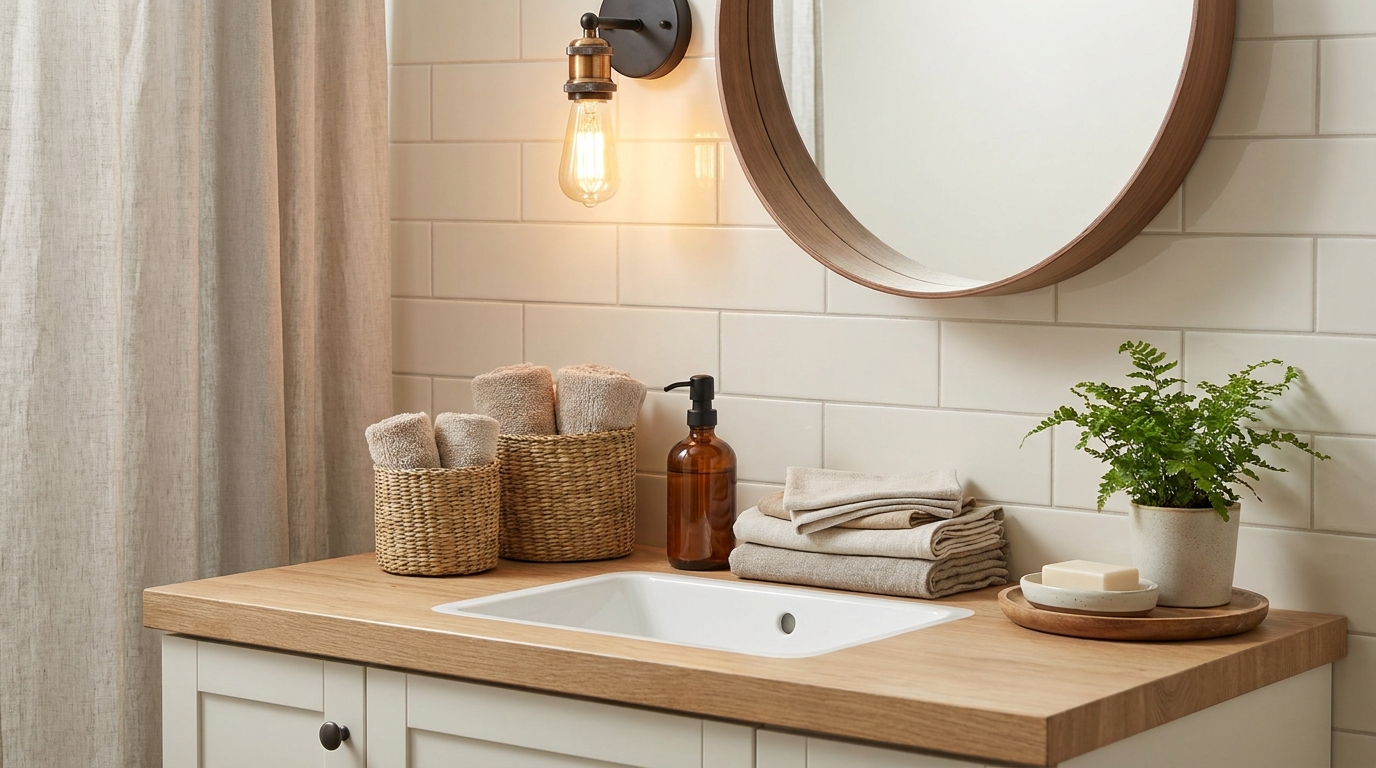
One simple but powerful habit is to reserve your harshest bathroom lighting for tasks only. If you can create a softer setting for evening routines, the room begins to support better winding down. This is one of those lifestyle upgrades that costs very little but changes how the bathroom feels every single day.
Declutter the Counter and Make Storage Feel Intentional
Few things interrupt calm as quickly as a crowded vanity. Toothpaste tubes, half-used products, tangled cords, and random packaging all contribute to visual stress, even if the room is technically clean. One reason spas feel relaxing is that every object appears to have a place. At home, that same effect comes from editing what stays visible and storing the rest in a way that is easy to maintain.
Start by removing anything you do not use daily. When countertops hold only the essentials, even a small bathroom feels more spacious. A hand soap dispenser, a tray for skincare basics, and perhaps a small bud vase or candle can be enough. Grouping items on a tray is especially effective because it makes practical products feel curated rather than scattered.
Baskets, drawer dividers, stackable bins, and removable hooks are renter-friendly tools that bring order without permanence. Woven baskets add softness and texture while hiding backup supplies. Clear bins inside cabinets help you see what you have and avoid overbuying. The key is not perfection. It is creating a room where the things you need are easy to reach and the things you do not need right now are quietly out of sight.
Open shelving can look beautiful, but it works best when styled lightly. Rolled towels, one or two containers, and a small plant feel restful. Too many items quickly move the room away from spa-inspired and back toward storage overflow. When in doubt, leave more breathing room than you think you need.
Choose Textiles That Add Instant Comfort
If there is one category where a small upgrade feels wonderfully luxurious, it is textiles. Fresh towels, a supportive bath mat, and a shower curtain with graceful drape can transform the mood of a bathroom immediately. These are the elements you touch every day, which means they shape comfort in a very direct way.
Look for towels that feel soft and absorbent without being overly delicate. White always creates a spa association, but soft oatmeal, sandy beige, pale gray, or muted green can be equally calming and may feel more forgiving in a family bathroom. Keeping a consistent towel color also helps the room look more cohesive, especially if multiple people use the space.
A plush bath mat underfoot is one of those details that quietly improves everyday life. It softens the transition from shower to floor and adds warmth to the room. Choose a style that is washable and dries well, because the spa feeling depends on freshness as much as softness. The same goes for robes, washcloths, and hand towels. Easy-care pieces make it more likely that your bathroom will continue to feel crisp and inviting over time.
Do not underestimate the shower curtain either. Replacing a tired, mildewed, or busy-patterned curtain with a simple fabric option can make the whole room feel newer. Pair it with a quality liner and wash or replace it regularly. The goal is gentle texture, clean lines, and a sense that the room is cared for.
Bring in Natural Materials and Biophilic Warmth
One reason spa spaces feel restorative is that they often borrow cues from nature. Wood tones, stone textures, greenery, and tactile materials help a room feel less sterile and more grounded. In a bathroom, these biophilic touches do not need to be elaborate. A small teak stool, a bamboo bath tray, a stone soap dish, or a woven basket can all soften harder surfaces like porcelain and tile.
Plants are another beautiful way to add life, though they should suit the room you actually have. If your bathroom gets decent light, a moisture-loving plant can thrive and contribute to that fresh, organic atmosphere. If it does not, you can still use a small branch of eucalyptus, a dried arrangement, or even a very realistic faux plant to create the same visual softness without frustration. The point is not to force a jungle into the room. It is to add a whisper of nature that makes the bathroom feel more human and less purely functional.
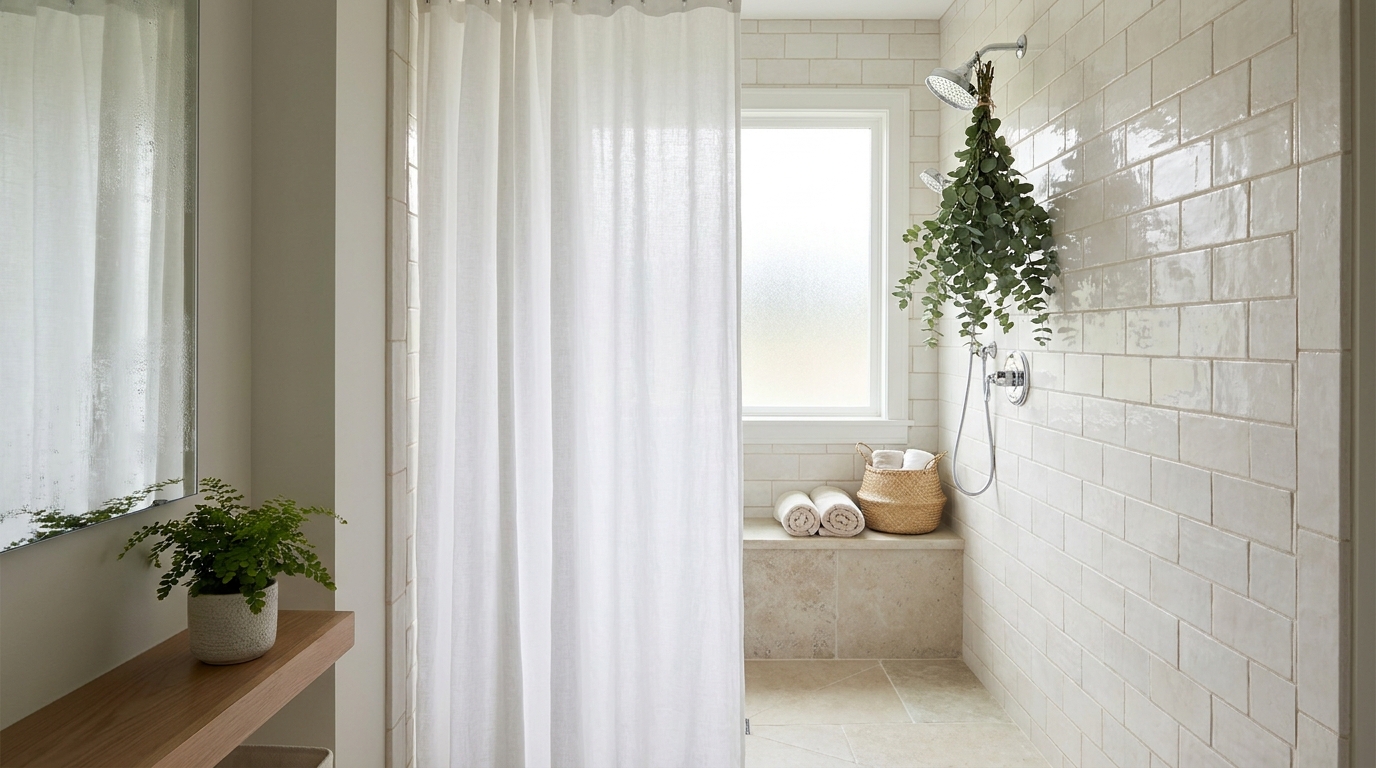
Be selective with natural materials in wet areas. Since moisture management is essential, choose accents that can tolerate bathroom conditions or can be moved and dried easily. Wood elements should be sealed or placed thoughtfully, and fabrics should be washable. The ideal spa bathroom balances natural beauty with low-maintenance practicality, so the room remains soothing rather than becoming another thing to worry about.
Turn Everyday Routines into Small Rituals
A spa-inspired bathroom is not only about how the room looks. It is also about how it supports the way you move through your day. A beautiful environment becomes even more meaningful when it encourages slower, more intentional habits. This does not have to mean lengthy routines. Often, a few simple signals can make ordinary moments feel special.
You might keep bath salts in a glass jar, place your evening skincare on a small tray, or hang a fresh towel in the same spot each morning. You might light a battery-operated candle before a shower, use a favorite hand soap, or keep a robe ready so the room feels welcoming after a bath. These details do not require much money, but they help transform rushed habits into something more nourishing.
Scent can also play a role, as long as it is subtle and moisture-safe. A diffuser placed appropriately, a eucalyptus bundle, or a lightly scented body wash can add another sensory layer to the room. For many people, fragrance becomes part of the ritual of unwinding. Still, less is usually more. A bathroom should feel fresh and breathable first, with scent acting as a gentle accent rather than a heavy mask.
Spa-inspired living works best when every detail supports ease. If something is hard to clean, too noisy, or visually demanding, it is probably working against the atmosphere you are trying to create.
When your bathroom helps you pause instead of rush, it becomes one of the most valuable rooms in the home. It supports not just appearance, but restoration.
Easy-Clean Surfaces Are Part of the Luxury
There is a version of bathroom luxury that looks wonderful in photos but becomes exhausting in real life. It involves too many surfaces that show every splash, too many products left out, and finishes that demand constant attention. Real spa-inspired comfort is different. It values beauty, but it also values ease. A bathroom that can be refreshed quickly is much more likely to stay calm and inviting.
That is why low-maintenance choices matter so much. Sealed grout, washable shower curtains, easy-to-wipe trays, and pump dispensers that reduce drips all help keep visual and physical mess under control. If you are updating materials, low-VOC paints and finishes can also contribute to a fresher feeling space while aligning with broader indoor air quality goals. Again, this is not about turning the article into a technical manual. It is simply about making choices that help the room stay breathable and pleasant.
Even cleaning itself can become more manageable with a spa mindset. Instead of waiting for buildup, try shorter, more consistent resets. Wiping down the vanity, shaking out the bath mat, and leaving the fan on after showers all take very little time. Yet they prevent the room from slipping into that damp, neglected feeling that undermines relaxation.
It is also helpful to remember that mould should not be ignored just because it seems small or hidden. Moisture problems should be addressed promptly, and small or medium areas can often be cleaned with water and dish detergent rather than assuming bleach is always necessary. Prevention through drying, ventilation, and routine care is still the more pleasant strategy, and it fits beautifully with the idea of creating a serene home environment.
Affordable Upgrades That Make a Big Difference
One of the most reassuring truths about spa-inspired bathrooms is that many of the best changes are low-cost. You do not need a dramatic remodel to feel a meaningful shift. In fact, a handful of affordable updates often delivers more everyday comfort than one expensive decorative purchase.
If you are deciding where to begin, focus first on the elements you use and notice most often. Better towels, a fresh bath mat, a simple shower curtain, and coordinated countertop accessories can refresh the room quickly. A quieter exhaust fan, if you own and plan to upgrade, improves both function and atmosphere. Warm bulbs, flameless candles, and baskets for organization build on that foundation beautifully.
For renters, reversible changes are especially powerful. Removable hooks, peel-and-stick storage solutions, trays, and textiles can reshape the bathroom without risking your deposit. Swapping in a nicer soap dispenser, adding a small stool or plant stand, and using matching containers for cotton rounds or bath salts all contribute to that polished, thoughtful look. The cumulative effect is what matters most.
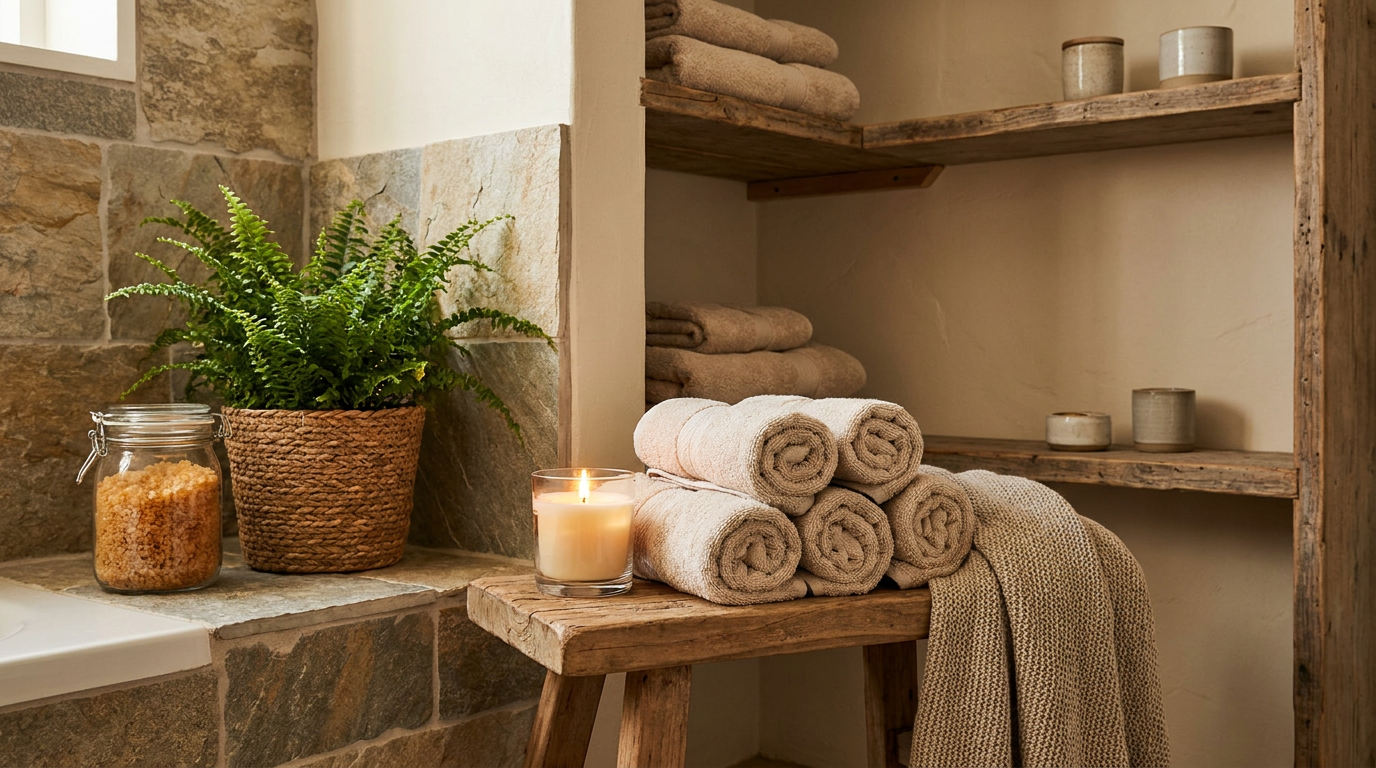
Here are a few high-impact upgrades that suit a wide range of budgets and living situations:
- Soft lighting: Warm or dimmable bulbs, battery candles, and gentle accent lighting reduce glare and create a calmer mood.
- Textile refresh: New towels, a supportive bath mat, and a clean shower curtain instantly make the room feel more cared for.
- Storage edits: Baskets, bins, drawer dividers, and trays help eliminate clutter and give the room a more intentional rhythm.
- Natural accents: Wood tones, stone accessories, eucalyptus, and simple greenery add warmth without requiring major renovation.
- Ventilation support: Running the fan consistently, replacing an outdated model when possible, and keeping surfaces dry protects the spa feeling long term.
These upgrades work because they connect design to function. They do not just decorate the bathroom. They improve how it feels to use.
A Spa Bathroom for Families, Guests, and Real Life
Sometimes people hear the phrase spa-inspired bathroom and imagine a room that is too pristine for everyday life. In reality, the best version of this idea works beautifully for families, guests, and busy households. It is not about removing practicality. It is about making practical things feel gentler, more organized, and more welcoming.
In a shared bathroom, that might mean assigning each family member a basket or drawer section so clutter does not spread across the vanity. It might mean choosing hooks instead of towel bars because they are easier for children to use, or selecting machine-washable mats and curtains that can handle regular use. A family-friendly spa bathroom is not less beautiful. It is simply more realistic about what helps a home stay calm.
Guest bathrooms benefit from the same thinking. A neatly folded hand towel, good soap, visible toilet paper storage, and a small tray for essentials can make visitors feel wonderfully cared for. Add flattering light and a fresh, dry atmosphere, and even a tiny powder room can feel thoughtful and elevated. Hospitality-inspired living is often about anticipating comfort, and bathrooms are one of the clearest places to do that.
When a room supports real life gracefully, it becomes more than a pretty idea. It becomes part of the home’s emotional generosity.
If You Are Renovating, Prioritize These Spa-Worthy Choices
If you do happen to be planning a larger bathroom update, it helps to know which decisions have the most lasting impact on comfort. Many beautiful choices are available, but the ones that keep delivering year after year are often the least flashy. Start with ventilation, layout, and moisture-resistant materials. A quiet, effective fan that vents outdoors should be considered a wellness feature as much as a building feature.
After that, focus on surfaces and lighting. Choose materials that feel warm and calm, but also clean up easily. Consider layered lighting with task and ambient options, and leave room in the layout for simple storage so counters can remain clear. Built-in niches, drawers, and recessed shelves often make more difference to daily serenity than a more dramatic tile pattern ever could.
It is also wise to think about how the room sounds and how it transitions from one part of the routine to another. Soft-close cabinetry, quieter fans, and better towel placement all affect the feeling of the space. A truly restorative bathroom is designed for use, not just admiration.
The Most Luxurious Feeling Is Ease
At its heart, spa-inspired living is less about copying a hotel bathroom and more about creating a room that consistently supports your well-being. It is the ease of stepping onto a soft mat. The comfort of wrapping up in a fresh towel. The calm of seeing a clear vanity and gentle light in the mirror. The relief of a room that dries properly, feels breathable, and does not ask for constant rescue from clutter or dampness.
That is why this kind of transformation is so accessible. You do not need a dramatic budget to create meaningful change. You need a clear sense of what helps you feel rested and what quietly drains you. Then you can choose improvements that reduce friction and increase comfort, one layer at a time.
For some homes, the first step will be replacing a noisy fan or paying closer attention to humidity. For others, it will be editing the countertop, washing the shower curtain, and investing in better towels. In either case, the goal is the same. You are shaping an environment that feels softer, healthier, and more intentional to live in every day.
A spa bathroom is not a fantasy reserved for luxury homes. It is a practical form of self-care built into the home you already have. With thoughtful lighting, natural texture, organized storage, fresh textiles, and real attention to moisture control, your bathroom can become one of the most restorative spaces in your life.
Simple Next Steps to Create Your Own Spa Oasis
If you feel inspired but do not want to overhaul everything at once, begin with a quick reset this week. Clear the countertop, wash all textiles, and remove anything that feels visually noisy. Then ask yourself what the room is missing most. Is it softness, better storage, warmer light, or fresher air after showers? The answer will tell you where to start.
From there, build slowly and thoughtfully. Add the towel set you have been wanting. Replace a harsh bulb. Bring in a basket, a tray, or a small natural accent. If the room tends to stay damp, make moisture control your priority and treat good ventilation as part of the luxury. Those practical changes protect both your bathroom and your comfort.
The most beautiful bathrooms are not always the most expensive ones. Very often, they are the ones that feel cared for. When a bathroom supports your routines, protects air quality, and invites you to slow down just a little, it becomes much more than a utility space. It becomes your own everyday oasis.



No Comment! Be the first one.