355 Coxwell Shows the Real Test for Attainable Mid-Rise Delivery in Toronto
355 Coxwell Avenue is a small building with a larger policy signal. As UrbanToronto reported, Habitat for Humanity GTA has topped off its six-storey, 33-unit attainable ownership project in Greenwood-Coxwell less than nine months after breaking ground. For developers and city builders, the point is not only that another mid-rise has reached structure. The point is that Toronto is testing whether public capital, modular thinking, and simplified mid-rise execution can create a repeatable housing delivery model.
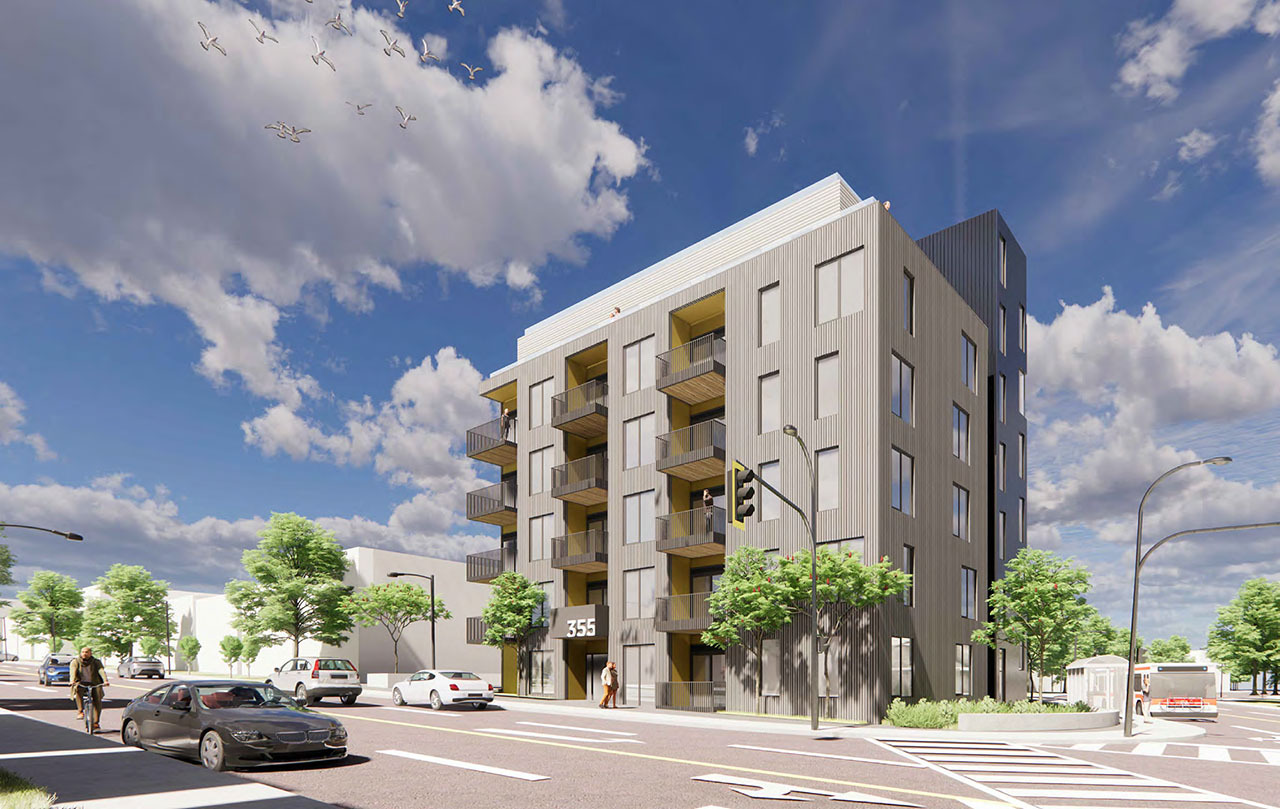
The project sits at Coxwell Avenue and Gerrard Street East, in a neighbourhood already supported by transit, established retail, cycling access, and walkable daily infrastructure. That matters. Attainable housing cannot be treated as a land residual that gets pushed to weak locations. The viability of ownership for moderate-income households depends on reducing transportation burden as much as reducing purchase price. In that sense, 355 Coxwell is a land-use argument as much as a housing announcement.
The funding structure is also important. The project is backed by $10 million from the Province of Ontario and $4.9 million from the City of Toronto under the Ontario-Toronto New Deal’s attainable modular housing initiative. This is not conventional private pro forma territory. It is a blended delivery model where public investment absorbs part of the affordability gap and allows a non-profit developer to produce ownership units below market. For municipalities, this raises a serious strategic question: which parcels, corridors, and publicly influenced sites should be reserved for models that the private market cannot deliver on its own?
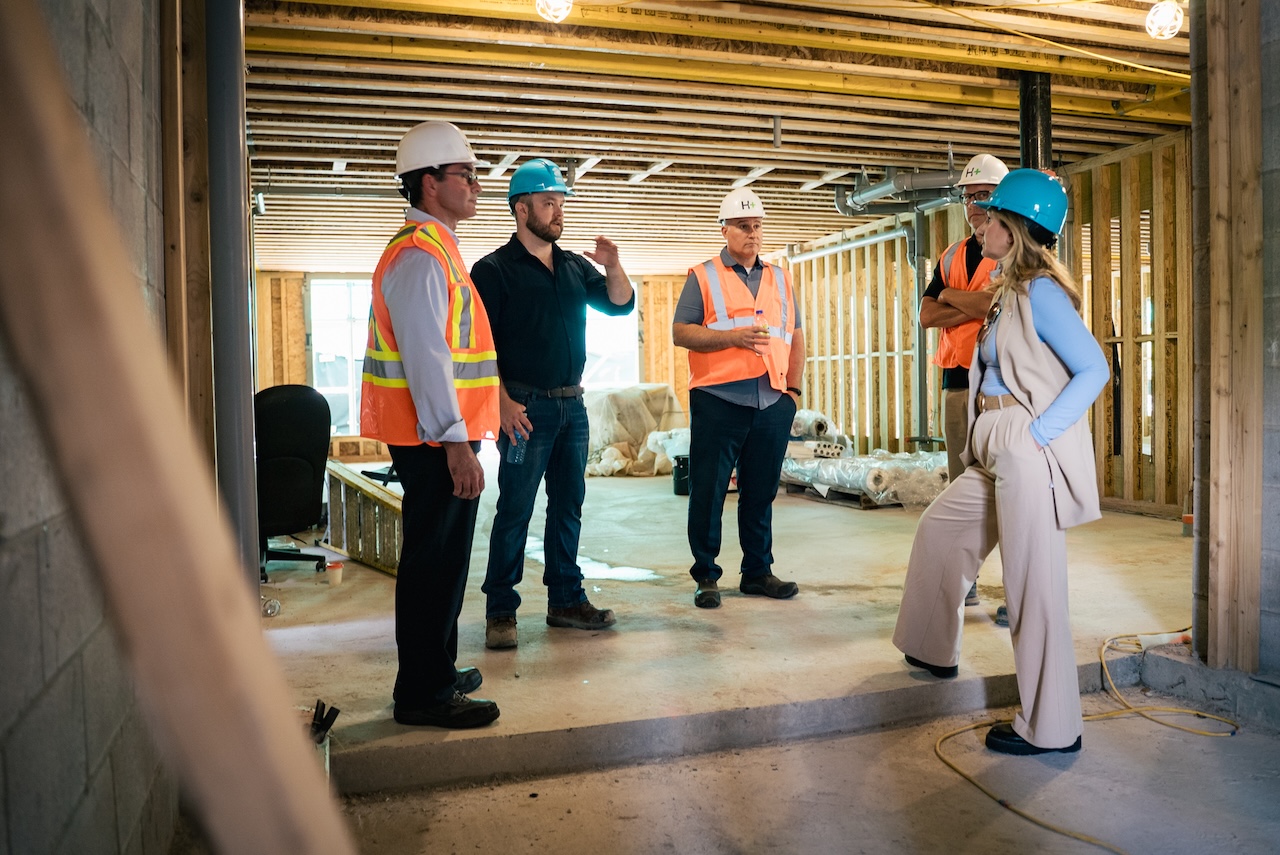
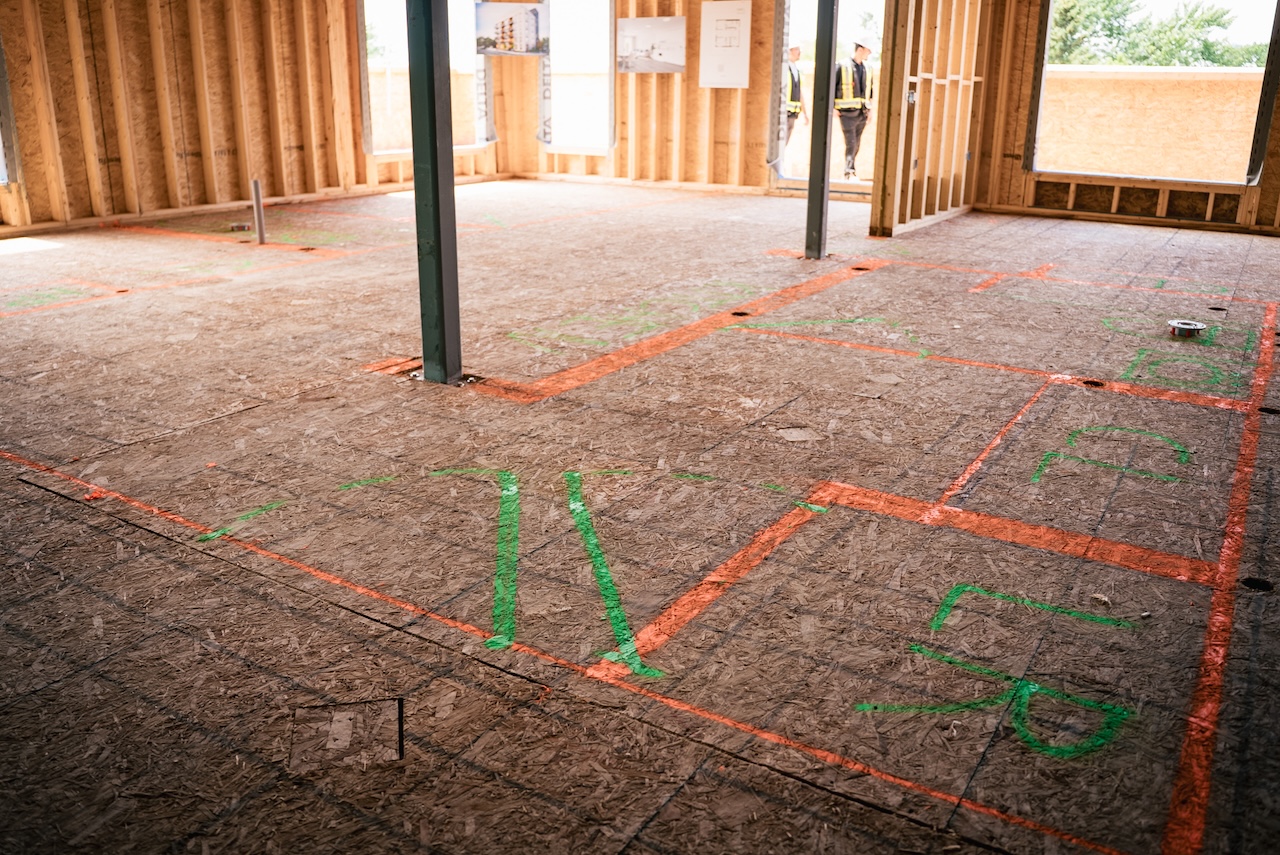
The construction method is the sharper development signal. Habitat is using panelized construction, with building components fabricated off-site and assembled on-site. According to the project team, each floor was erected in roughly five business days. If that performance can be repeated across multiple sites, the implications are material: shorter exposure to cost escalation, tighter schedule control, reduced on-site disruption, and potentially better sequencing for infill sites where staging is constrained.
The future of attainable housing will depend less on one-off approvals and more on repeatable systems that compress time, risk, and cost.
Still, panelization is not a magic answer. It works best when the building is designed around repetition from the outset. Unit layouts, structural grids, servicing, procurement, approvals, and site logistics all need to align. A bespoke design process that later tries to add modular efficiency will not deliver the same result. This is where planners and developers need to pay attention. Construction innovation only performs when zoning, approvals, design, and financing are coordinated early.
The unit mix is another strategic choice. The building includes 11 one-bedroom homes, 10 two-bedroom homes, and 12 three-bedroom homes. That is a deliberate move away from the investor-oriented small-unit pattern that has dominated much of Toronto’s condominium production. For attainable ownership, larger units are not a luxury feature. They are central to retaining families in the city and supporting stable neighbourhood demographics near transit and services.
For the development industry, 355 Coxwell should be watched as a prototype, not an isolated community benefit project. The key questions are whether the public subsidy level is scalable, whether panelized mid-rise construction can maintain cost discipline across a broader pipeline, and whether Toronto can identify enough appropriately zoned or approval-ready sites to make the model meaningful. One 33-unit building will not shift the market. A repeatable delivery platform across dozens of mid-rise sites could begin to change the equation.
Source: UrbanToronto