The Weiti Bay Collapse: What a $67 Million Debt Fight Teaches Developers About Land Partnerships
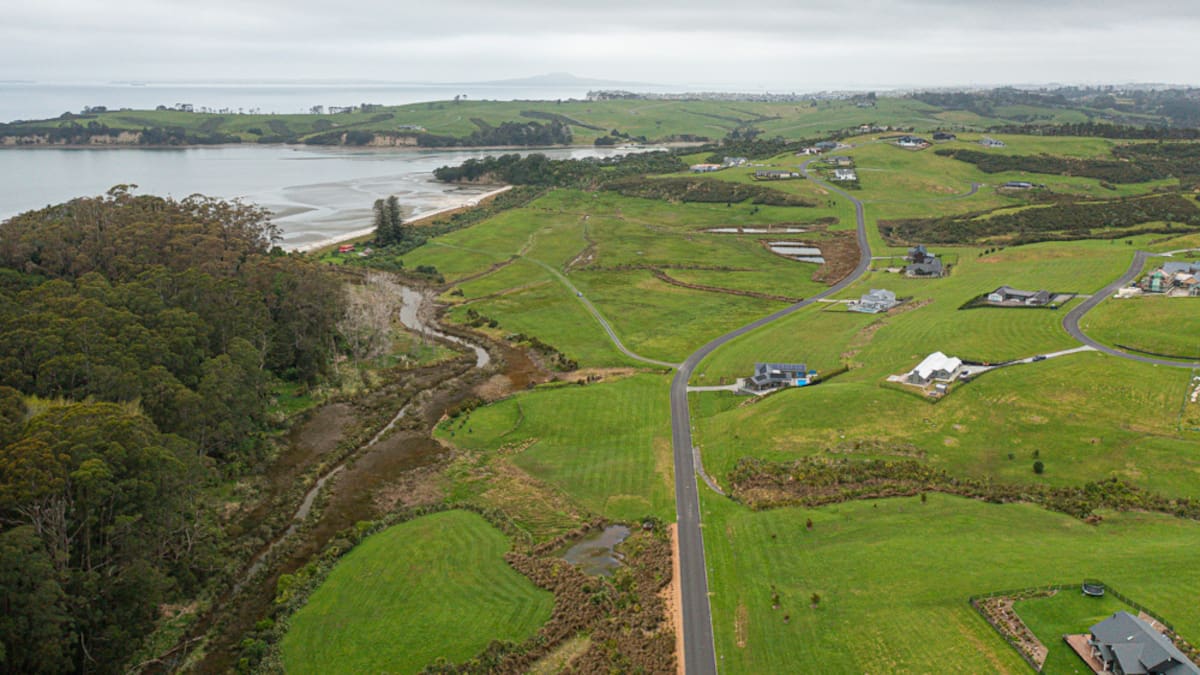
Few projects illustrate the fragility of large scale housing ambition better than what has unfolded on a 909 hectare stretch of Auckland coastline south of Whangaparaoa. A planned 1200 home community at Weiti Bay, once pitched as one of the region’s most significant private coastal holdings, is now headed to a forced land sale after a debt tied to the project ballooned from twenty million dollars to more than sixty seven million. For anyone who studies development risk for a living, this is not simply a court drama. It is a case study in what happens when land ownership, financing structure, and partnership governance are not aligned from the start.
The bones of the deal were familiar. A family that had held the land for two decades partnered with an experienced developer in 2012, contributing land as equity while the developer ran the project and financial forecasting. That kind of structure can work well when incentives are shared and trust holds. Here it did not. When early stage sales slowed by 2019, the partnership had no workable mechanism to absorb the shock. Instead of a renegotiation, the project descended into what a presiding judge called brinksmanship, with one side withholding land titles from buyers to choke off the revenue the development needed to service its debt.
What should concern anyone underwriting a large scale project is how the geography of the land itself became a weapon. Because the mortgaged parcels sat surrounded by land the family still controlled, any outside buyer would need to cross that land just to access what they purchased. That access dependency was reportedly used as leverage to discourage a forced sale from attracting genuine buyers. It is a reminder that land assembly and access rights deserve the same scrutiny as financing terms during due diligence, long before a shovel goes into the ground.
Its strategy, deliberately adopted, backfired on it with disastrous consequences.
That line, delivered by the presiding judge about the outcome for the family’s company, could serve as a warning label for any development partnership built on leverage rather than alignment. The developer eventually restructured his position by raising new debt to buy out mortgaged land himself, a move that gave him legal standing to pursue the family’s company directly. Whatever the merits of that maneuver in court, it shows how quickly control of a stalled project can shift when one party is better positioned to secure fresh capital than the other.
The land now heading to sale on June 30 includes a parcel earmarked for homes and shops near planned motorway connections, alongside hundreds of hectares of forested hillside. Marketing materials describe future high intensity development potential alongside large scale environmental preservation, which is precisely the kind of dual promise that requires disciplined governance to deliver. Whoever ultimately controls this land will inherit both the opportunity and the cautionary lesson embedded in its history. Large scale housing vision only holds up when the structure underneath it, the agreements, the access rights, and the financing terms, is built as carefully as the towers and streets on the master plan.
Source: NZ Herald