


Why Ottawa’s Next Move on Mortgage Rules Could Reshape the Housing Opportunity
When Canada’s biggest banks and its largest homebuilders agree on a policy ask, investors should pay attention. That is exactly what has happened with the newly released National Housing and Investment Initiative, a 29-point proposal backed by RBC, CIBC, BMO, TD, Scotiabank, and ten major developers including Mattamy Homes, Brookfield Residential, and Tricon Residential. The report is not just a wish list. It is a signal about where capital, credit, and construction may flow next.
At the center of the proposal sits the mortgage stress test, the rule requiring borrowers to qualify at roughly 200 basis points above their actual rate. The coalition wants that test replaced with a sliding structure, one that accounts for mortgage term and buyer type, with an easier path for first-time buyers of new homes. For anyone tracking entry level demand, this matters. A softened stress test widens the pool of qualified buyers, and a wider buyer pool is what ultimately supports absorption in a presale market that has been stalling.
The report also calls for down payment assistance programs, deductibility of mortgage interest from taxable income, and a rethink of capital-gains exemptions on primary residences. Each of these levers changes the math that buyers run before committing capital. For investors, the more interesting detail is on the supply side. The initiative asks Ottawa to extend low-cost financing to condo, townhome, and single-family developers, not just purpose-built rental projects as is currently the case.
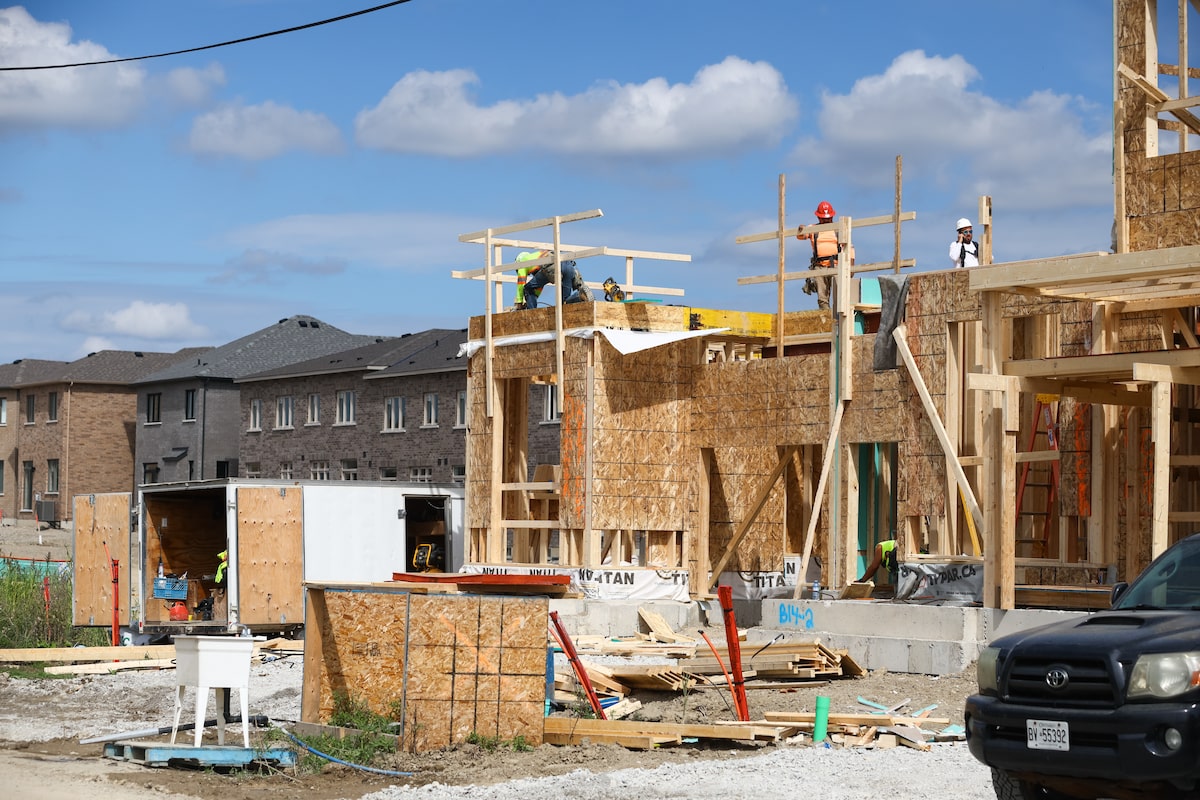
That single change could alter development economics meaningfully. Today, builders in markets like the Greater Toronto Area typically need to presell around 70 per cent of a project before construction financing is released. Cheaper, government-backed capital would lower that threshold and reduce the risk premium lenders currently price in. Wesgroup chief executive Beau Jarvis described the shift plainly, noting it could return the industry to “more of a speculative development paradigm,” where builders proceed on the expectation that buyers will materialize rather than waiting for near-full presales.
“The current stress test is a valuable prudential tool but may be too blunt an instrument by excluding otherwise creditworthy borrowers.”
For investors, that quote from the report is the thesis in miniature. Credit policy built for a different cycle is now arguably restraining otherwise sound transactions, both on the buyer side and the builder side. If Ottawa adopts even a portion of these recommendations, the ripple effects would touch presale absorption rates, construction lending spreads, and ultimately the pace at which new supply reaches the market, a market the federal government has already committed to nearly doubling, toward 500,000 housing starts annually.
None of this guarantees a near-term rebound. Home prices and rents have already softened over four years, and affordability pressures remain structural, not cyclical. But policy inflection points are exactly where disciplined investors find asymmetric entries, before sentiment catches up to fundamentals. Watching whether Ottawa moves on stress test reform and developer financing over the coming quarters should sit near the top of any serious real estate watchlist. BMO’s James Burrow summarized the underlying ask well when he noted that government needs to absorb some of the risk in “the riskiest stage of home development, which is the actual construction phase itself.”
Source: The Globe and Mail