
Why Fewer Hand-Built Site Models Could Mean Faster, Tighter Construction Schedules
Every project, whether it is a road widening or a custom build, starts the same way: somebody has to go out and document what is already standing before a single design decision gets made. On a lot of jobs I have been around, that step eats more days than anyone budgets for. So when Bentley Systems pushes an update to how existing conditions get turned into a usable 3D model, it is worth a builder’s attention, even if the headline sounds like software talk.
Bentley’s tool is called Cesium ion, and the idea is simple to explain even if the engineering behind it is not. You feed it drone imagery of a site, and it hands back a streamable 3D model, complete with AI-tagged features, instead of a flat scan that someone then has to redraw by hand. Pair that with MicroStation 2025 accepting that same data format on the design side, and you have got a path from “here is what the site looks like today” straight into the design file, without the usual rebuild step in between.
I have watched crews lose days rebuilding existing conditions from survey data before design work can even start. If this pipeline holds up the way Bentley describes it, that setup time is the number to track, before the tool and after. That is not a small thing on a tight schedule. Time spent redrawing a site is time not spent solving the actual building problem.
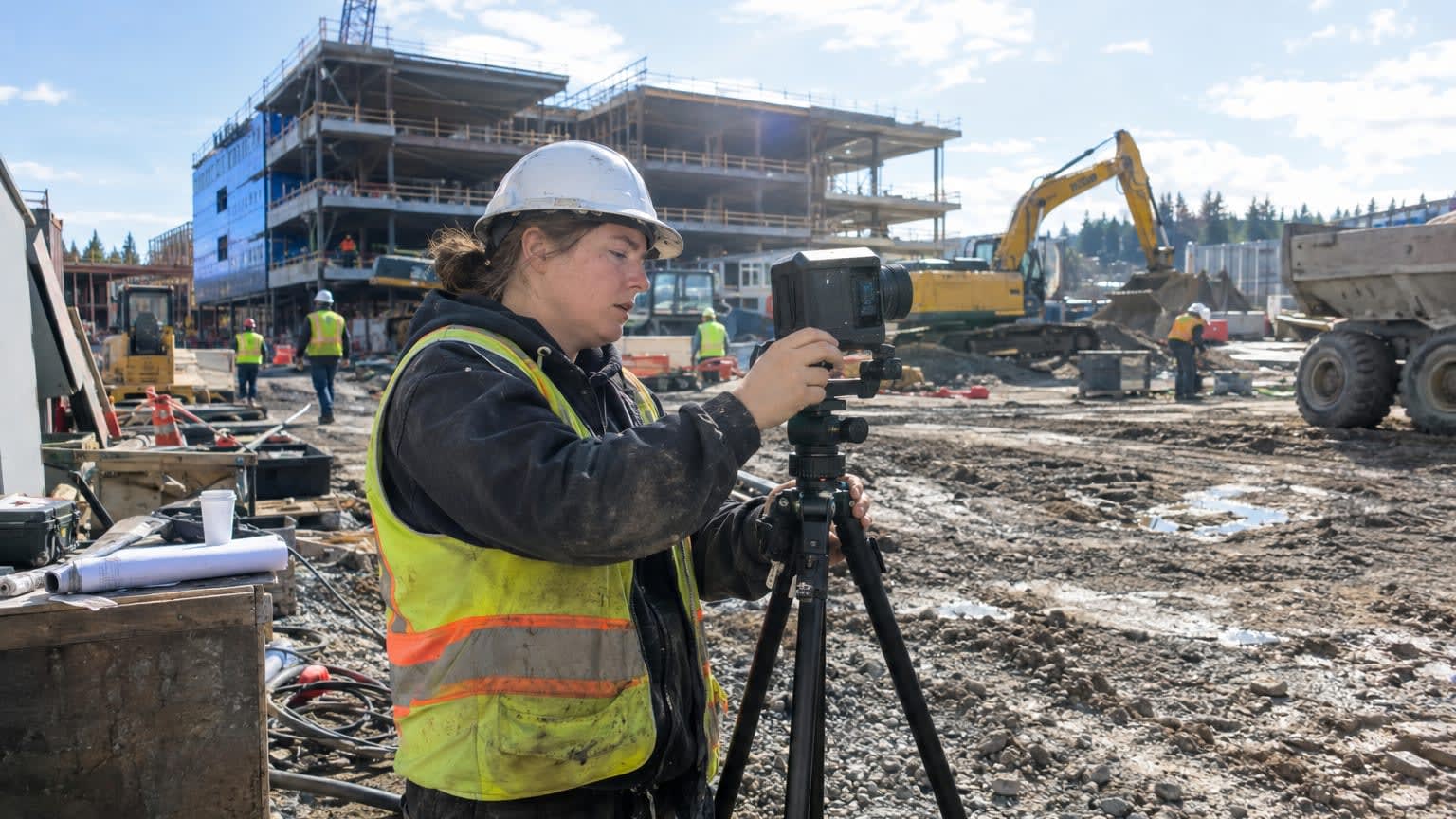
Here is where I put my practical hat on, because convenience and accuracy are not the same thing. Bentley calls its output “engineering-grade” but has not published the accuracy tolerances behind that label. Anyone who has stood on a site knows a model is only as good as the person checking it before it gets handed to a designer or a trade. So before any firm hands over its capture process to this kind of pipeline, there are a few questions worth asking directly: who reviews the AI-detected features before they get built on, and where in the workflow does a human actually sign off?
A model streamed straight from drone capture into the design file sounds efficient, but good workmanship still needs someone checking the work.
Bentley also points out that its platform accepts open 3D Tiles data, not just its own captures, which means a firm that already trusts its current drone or scanning setup may not need to switch providers to get the design-side time savings. That is worth remembering before anyone treats this as an all-or-nothing purchase.
My advice for anyone running a pilot is the same advice I would give on any new tool near a job site: test the export. Send a reality model out in the open format and open it somewhere other than Bentley’s own software. If the claim about open standards holds up on your own data, you have got something real. If it does not, you have saved yourself a bigger headache down the road. New technology earns its place on a crew the same way a new material does, by proving it holds up under the actual conditions of the work, not just in a product demo.
Source: MarketScale