

Davisville Rental Project Signals A Different Model For Public Land And Long-Term Housing Supply
The groundbreaking at 140 Merton Street is more than another rental housing announcement. It is a signal that Toronto is increasingly using public land, fee relief, federal capital and Indigenous development partnerships as a combined delivery model for housing supply in high-demand urban locations.
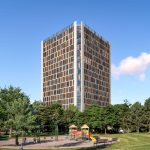
As reported by Daily Commercial News, the City of Toronto and Missanabie Cree First Nation have started construction on a 29-storey, 294-unit purpose-built rental building in Davisville, including 196 rent-controlled market homes, 80 affordable homes and 18 rent-geared-to-income homes for Indigenous Elders and seniors. The project also includes ceremonial space, a smudging room, resident amenities and an onsite community space operated by SPRINT Senior Care.
For developers and city builders, the important point is not only the unit count. It is the capital stack. The city is contributing land and more than $28 million through capital funding, planning and development fee exemptions, charge relief and property tax support. The federal government is adding more than $133 million through the Affordable Housing Fund. That level of public participation tells the market something clear: deeply mixed-income rental construction in Toronto remains difficult to finance without layered government support, especially when affordability, senior-serving uses and cultural programming are embedded into the project brief.
Davisville also matters as a location. This is not peripheral land being converted because it is easy. It is an established midtown neighbourhood with transit access, existing services, high land values and persistent rental demand. Adding 294 homes on public land in this context shows how municipalities can use strategically located parcels to intensify without waiting for private assembly economics to do all the work.
Public land is no longer just a balance sheet asset. In high-demand cities, it is one of the few tools capable of bending project feasibility toward affordability.
The partnership structure is equally important. Missanabie Cree First Nation was selected through a competitive process in 2022, positioning the project within a broader shift toward Indigenous-led and Indigenous-partnered urban development. That shift has land-use implications. Housing is being planned not only around density and affordability metrics, but around cultural infrastructure, aging in place, community governance and long-term stewardship.
For planners, 140 Merton Street reinforces the value of aligning zoning capacity with public objectives before a site reaches the market. A 29-storey rental building with affordable, rent-controlled and rent-geared-to-income components requires more than permission to build height. It requires coordinated approvals, predictable municipal support, clear servicing capacity and a political framework that can defend intensification in an established community.
For private developers, the lesson is more practical. Toronto’s affordable and purpose-built rental pipeline is being shaped by sites where land cost, charge relief and public funding can close feasibility gaps. Pure market execution remains strained by construction costs, financing conditions and approval timelines. Projects with public-sector land or institutional partnership may carry complexity, but they can also unlock development that would otherwise remain stalled.
The city says 140 Merton Street is one of 50 affordable housing projects now under construction across Toronto. That pipeline should be watched closely. If these projects move efficiently from approval to occupancy, they will strengthen the case for more public land deployment and deeper partnership models. If they slow under cost pressure or delivery complexity, the gap between housing ambition and buildable supply will remain the central issue in Toronto’s growth strategy.
Source: Daily Commercial News