
Victoria Park Station Is Becoming a Test Case for Transit-Led Rental Delivery
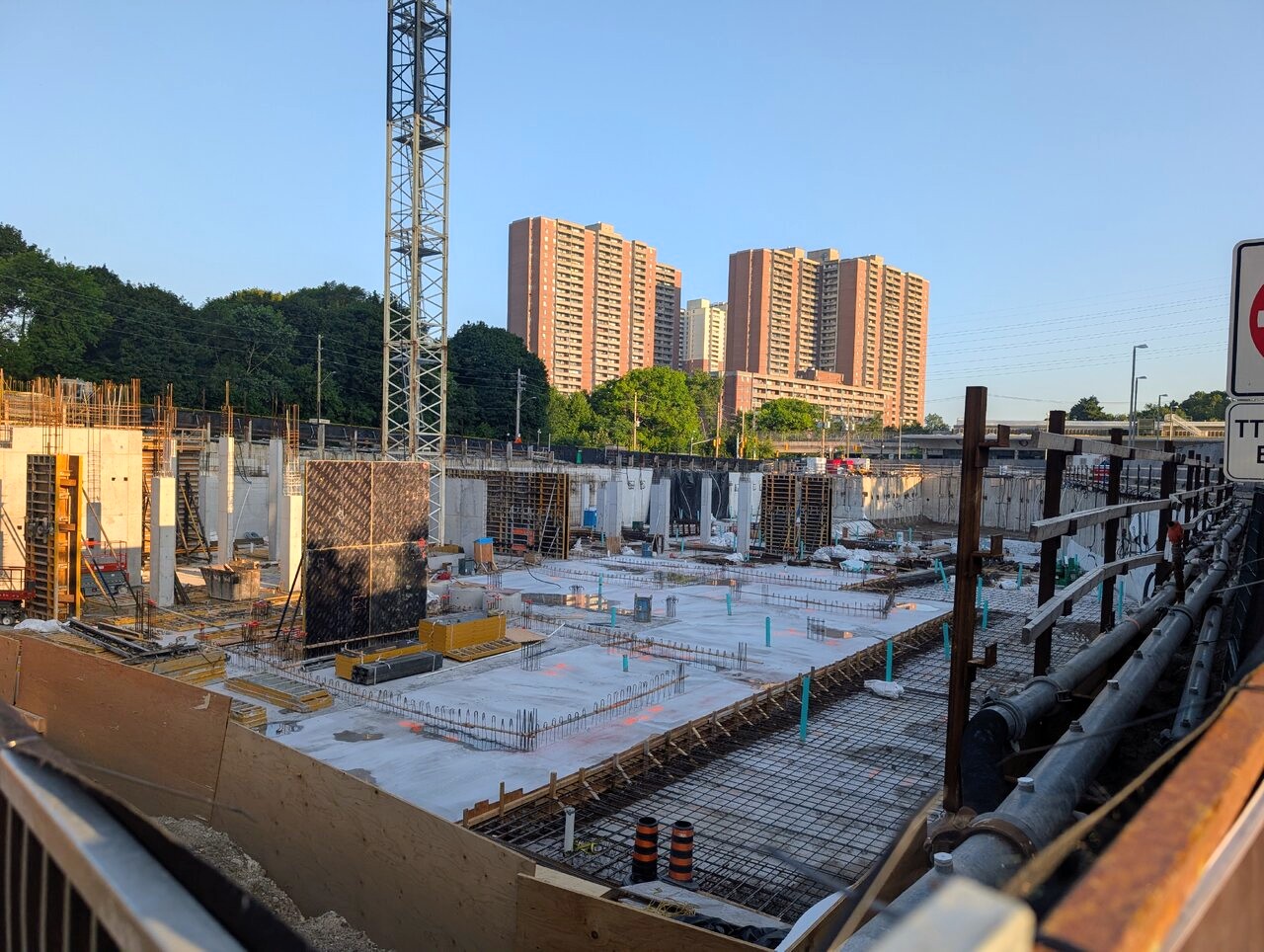
The two cranes now rising at 777 Victoria Park Avenue matter beyond the construction schedule. As UrbanToronto reported, the project has moved from excavation into below-grade concrete work, advancing a 705-unit rental development directly beside Victoria Park station. For Toronto, this is not just another tower site. It is a practical signal of where the next generation of rental supply has to be delivered: on transit-served land, with public-sector participation, mixed affordability, and enough density to justify complex urban construction.
The development, led by CreateTO with Alterra Group of Companies and Mahogany Management, combines 12- and 35-storey forms with 449 market-rate rentals and 256 affordable homes, including deeply affordable units supported by Canada Mortgage and Housing Corporation financing. That mix is important. It shows how purpose-built rental feasibility increasingly depends on layered capital, public land strategy, and policy alignment rather than conventional private pro formas alone.
Victoria Park station is exactly the kind of location Toronto planning policy has been pointing toward for years. It has rapid transit, bus connectivity, established neighbourhood infrastructure, and underutilized land capable of absorbing more housing than low-intensity uses can provide. The question has never been whether these sites should intensify. The question is whether governments, agencies, builders, and lenders can move fast enough to convert policy intent into occupied homes.
The inclusion of retail, childcare, community facilities, and publicly accessible open space also reflects the new baseline for station-area intensification. Density alone is no longer the full argument. Projects near transit are being asked to carry more civic function, more affordability, and more public realm responsibility. That adds cost and coordination risk, but it also strengthens long-term value. A station-adjacent rental project with daily services at grade can help shift an area from a commuter node into a complete urban district.
Transit-adjacent land is no longer simply valuable because it is accessible. It is valuable because it is where housing policy, infrastructure investment, and long-term rental demand now converge.
The construction approach is also worth watching. A single underground level reduces excavation depth relative to many downtown projects, which can support schedule discipline and cost containment. At the same time, building beside an operating transit station creates staging, access, safety, and coordination constraints. These are the practical details that determine whether transit-oriented development remains a planning slogan or becomes a repeatable delivery model.
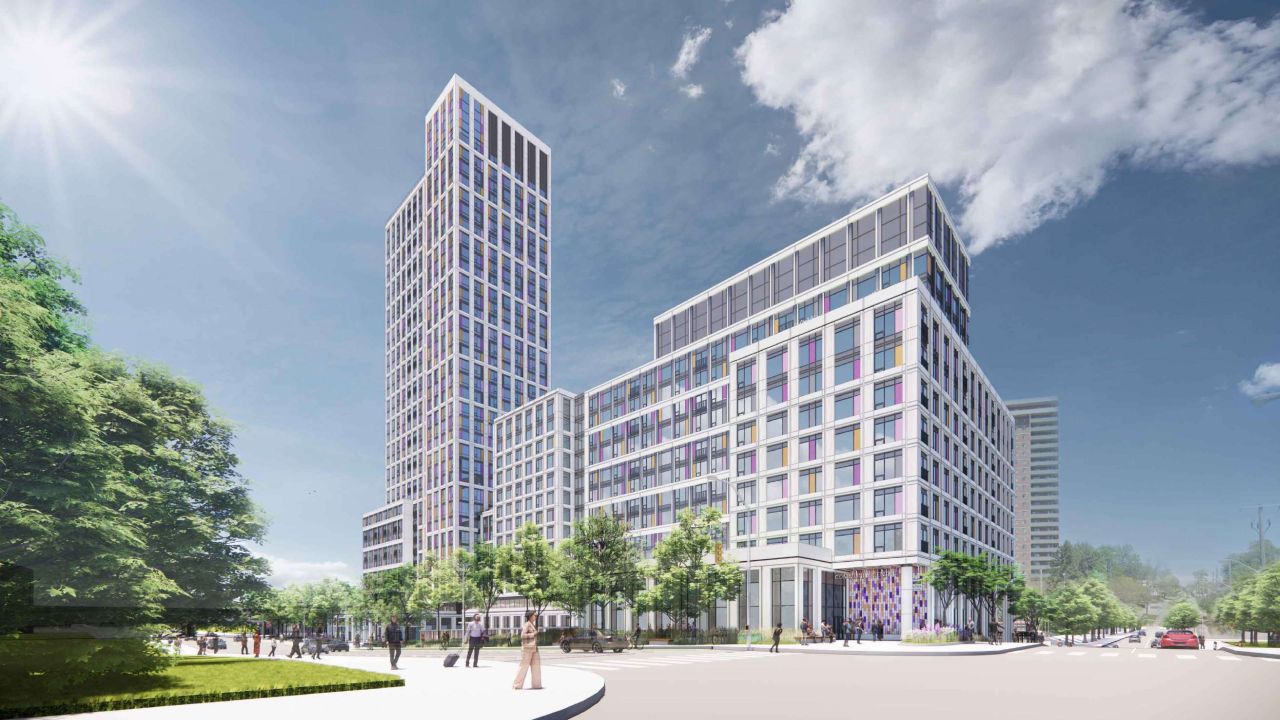
For developers, the lesson is clear. The next wave of rental supply will favour teams that understand not only land acquisition and entitlement, but partnership structures, affordability funding, public agency objectives, and construction logistics around infrastructure assets. For planners, 777 Victoria Park Avenue will be a useful measure of whether Toronto can deliver meaningful density outside the core while maintaining community-serving uses. For investors, the broader signal is that rental demand near transit remains durable, but feasibility will increasingly depend on policy literacy and execution capacity.
What should be watched next is not only the pace of vertical construction. The larger question is whether projects like this become isolated wins or the standard model for public land and station-area redevelopment across Toronto. If the city is serious about housing supply, the land around transit cannot remain strategically underused.
Source: UrbanToronto