


Toronto’s Storm Chaos Is a Preview of the Climate Risk Every Home Needs to Plan For
When torrential rain, large hail and tornado warnings converged on the Greater Toronto Area this week, the damage was not confined to one neighbourhood or one type of property. It reached a 50,000 capacity concert venue, a major hospital emergency department, a downtown transit artery, and tens of thousands of homes left without power. That breadth is the part worth sitting with. Extreme weather no longer respects the boundaries we build around it.
Subway lines were suspended as floodwater rose inside stations. Long stretches of Yonge Street disappeared under inches of water. Michael Garron Hospital reported flooding in its emergency department but managed to stay operational. At the peak, Toronto Hydro reported roughly 65,000 customers without power, with Hydro One reporting another 52,000 in the dark across areas west and southwest of the city. These are not abstract statistics. They represent homes where refrigerators stopped running, sump pumps lost power at the worst possible moment, and basements took on water.
I try not to lean on alarm, because fear rarely leads to good decisions. But storms of this intensity, arriving with hail large enough to damage structures and winds strong enough to tear framing loose at Rogers Stadium, are becoming a more regular feature of our climate, not a rare exception. For homeowners and builders, the useful response is not panic. It is preparation.
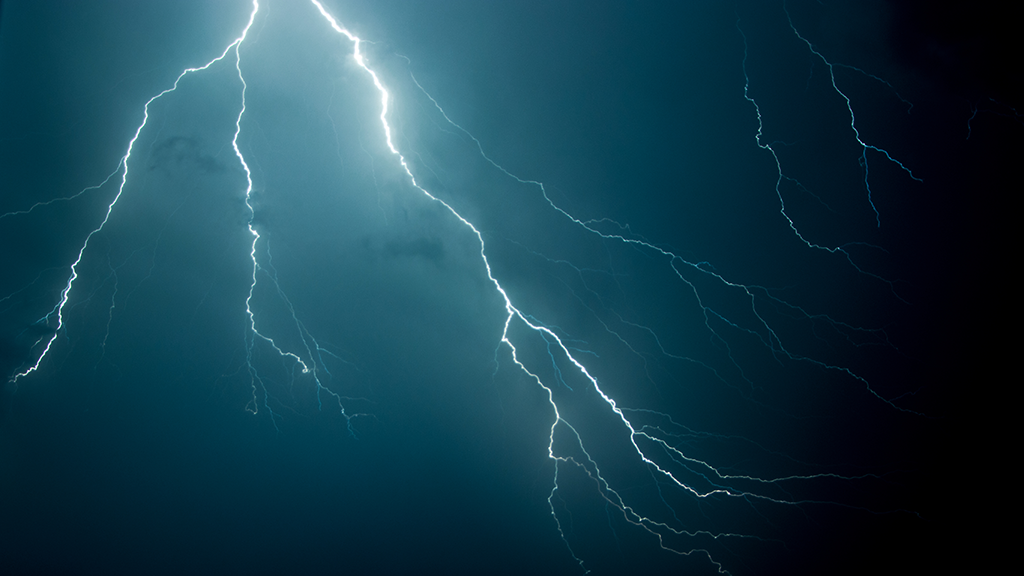
That preparation looks practical, not dramatic. Grading and landscaping that direct water away from foundations. Backwater valves that stop sewage from backing up into basements during flash flooding, the kind of issue that left a lingering smell at Union Station long after the water receded. Battery or generator backup for essential systems, so a multi day outage does not mean spoiled food and a cold home. Permeable surfaces and rain gardens that slow stormwater instead of sending it straight into an overwhelmed municipal system. None of this is exotic technology. It is thoughtful, achievable design that happens to also lower a home’s environmental footprint the rest of the year.
Resilience and sustainability are not separate conversations anymore. A home built to handle less water waste and smarter energy use is often the same home built to withstand the storm that knocks out the grid.
There is also a bigger picture here for anyone shaping housing decisions, whether that is a builder choosing materials, a city weighing infrastructure upgrades, or a family deciding what to prioritize in a renovation. Toronto Hydro itself acknowledged that restoration after this storm would take time and vary by location, a reminder that grid infrastructure is aging in many cities at the same time storm intensity is climbing. Homes and communities that invest now in resilient, efficient systems will simply weather these events with less disruption, less cost, and less anxiety.
None of this requires abandoning comfort or design for the sake of toughness. It requires seeing them as connected. A well insulated, well drained, thoughtfully powered home is both a calmer place to live day to day and a steadier one when the sky turns dark at two in the afternoon, as it did over downtown Toronto this week.
Source: Construction news coverage of the September storm damage across southern Ontario.