
What a Possible Bank of Canada Hike Means for Real Estate Investors Right Now
Wednesday’s Bank of Canada decision deserves a spot on every investor’s calendar, not just an economist’s. A quarter point move may sound small, but for anyone carrying leverage on a rental property or weighing a new acquisition, it can shift the math on a deal from attractive to marginal in a single morning.
The setup is genuinely split. A Reuters poll conducted October 21 to 23 found 19 of 34 economists expecting the overnight rate to rise to 2.50% after a run of holds at 2.25%. Others, including TD Securities, are calling for another hold. The disagreement itself tells investors something useful: this is not a market pricing in a clear trend, it is a market pricing in uncertainty, and uncertainty is exactly where disciplined investors earn their edge.
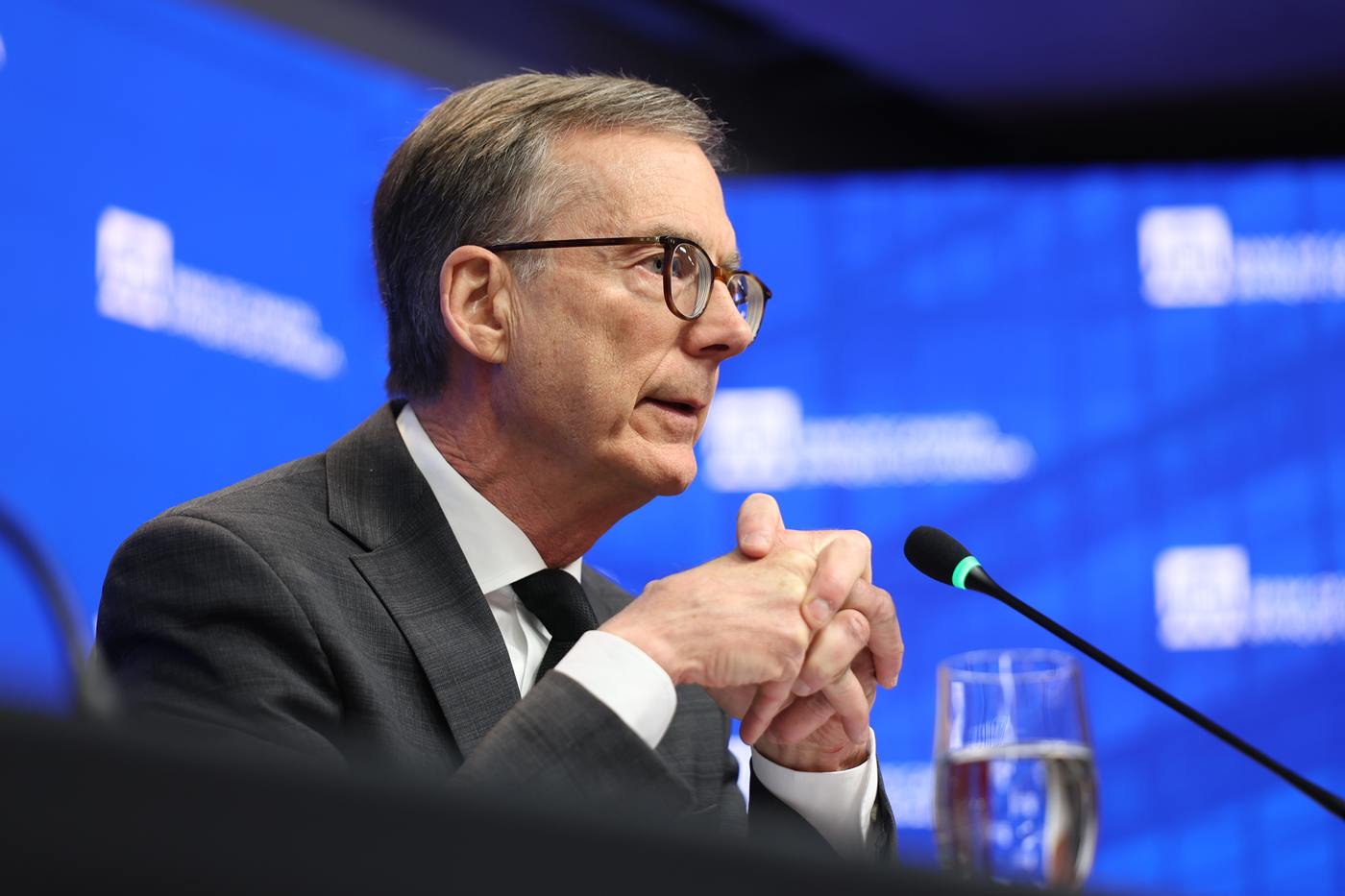
Governor Tiff Macklem has already signalled why the calculus is shifting. He pointed to persistently high oil prices tied to the ongoing Middle East conflict as a reason the Bank may need to raise its inflation forecast, saying the risk that inflation broadens and becomes more persistent has gone up. Annual inflation reached 3.1% in September, even as the Bank’s preferred core measures stayed below 2%. For investors, that gap between headline and core inflation is the real signal to watch. It means the case for a hike is built more on energy risk and expectations than on broad domestic price pressure, which is a very different environment than the inflation fights of recent years.
That nuance matters for portfolio strategy. CIBC’s Avery Shenfeld, who has moved his own forecast toward an October hike, still argues that waiting until December or January would let the Bank assess energy prices and trade relations more carefully. He noted that higher bond yields are already pushing up mortgage rates and weighing on housing activity, independent of what the Bank does this week. That is the practical takeaway for anyone holding or acquiring property. Financing costs can move ahead of the official rate decision, driven by bond markets reacting to the same inflation data everyone else is reading.
We aren’t yet sure that any rate hikes will be warranted in the coming year.
Shenfeld’s line, from an October 26 report, is worth sitting with. It is a reminder that forecasts, including the more hawkish ones from Scotiabank and National Bank, are built on forward looking assumptions about oil and trade that could easily reverse. Oxford Economics expects the rate to reach 2.75% by year end if the Bank moves this week and again in December, but even that call is described as a toss up.
For investors, the discipline here is straightforward. Stress test any new acquisition against a quarter to half point move in borrowing costs before closing, not after. Watch the housing market commentary as closely as the rate itself, since a weak housing market is one of the main arguments economists are using for patience. And remember that a divided forecast community usually means opportunity shows up for those who have already done the math, not for those who wait for certainty that may never arrive.
Source: Canadian Mortgage Trends