


Toronto’s Water Utility Fight Is Really a Fight Over Who Controls the City’s Growth
Every major city eventually confronts the same question: who should own the infrastructure that makes growth possible in the first place. Toronto is having that conversation right now, and it is happening in public, loudly, in the middle of a mayoral race. City councilor Brad Bradford has proposed turning Toronto Water into its own standalone public utility, framing the move as a way to bring water rates down. The reaction has been immediate, with Mayor Olivia Chow, environmentalist David Suzuki, and fifteen fellow councilors pushing back hard.
I have spent my career watching land decisions ripple outward into infrastructure, policy, and opportunity, and this is a textbook case. Water is not a side issue for a growing city. It is foundational infrastructure, on the same tier as transit and power, and the entity that controls it effectively controls a key input to every future housing and development project in the region. That is why this debate has escalated so quickly beyond a technical governance question into a full political flashpoint.
Bradford’s argument centers on cost relief for ratepayers through a restructured, arm’s length utility model. Critics see something different: a structure that could open the door to greater provincial influence over a service that has historically been managed directly by the city. Chow has specifically raised concern about the city losing control to the province. For developers and planners, that distinction matters enormously. A municipally accountable water system and a provincially influenced one can move at very different speeds, with very different priorities, when it comes to approving the infrastructure upgrades that new housing supply depends on.
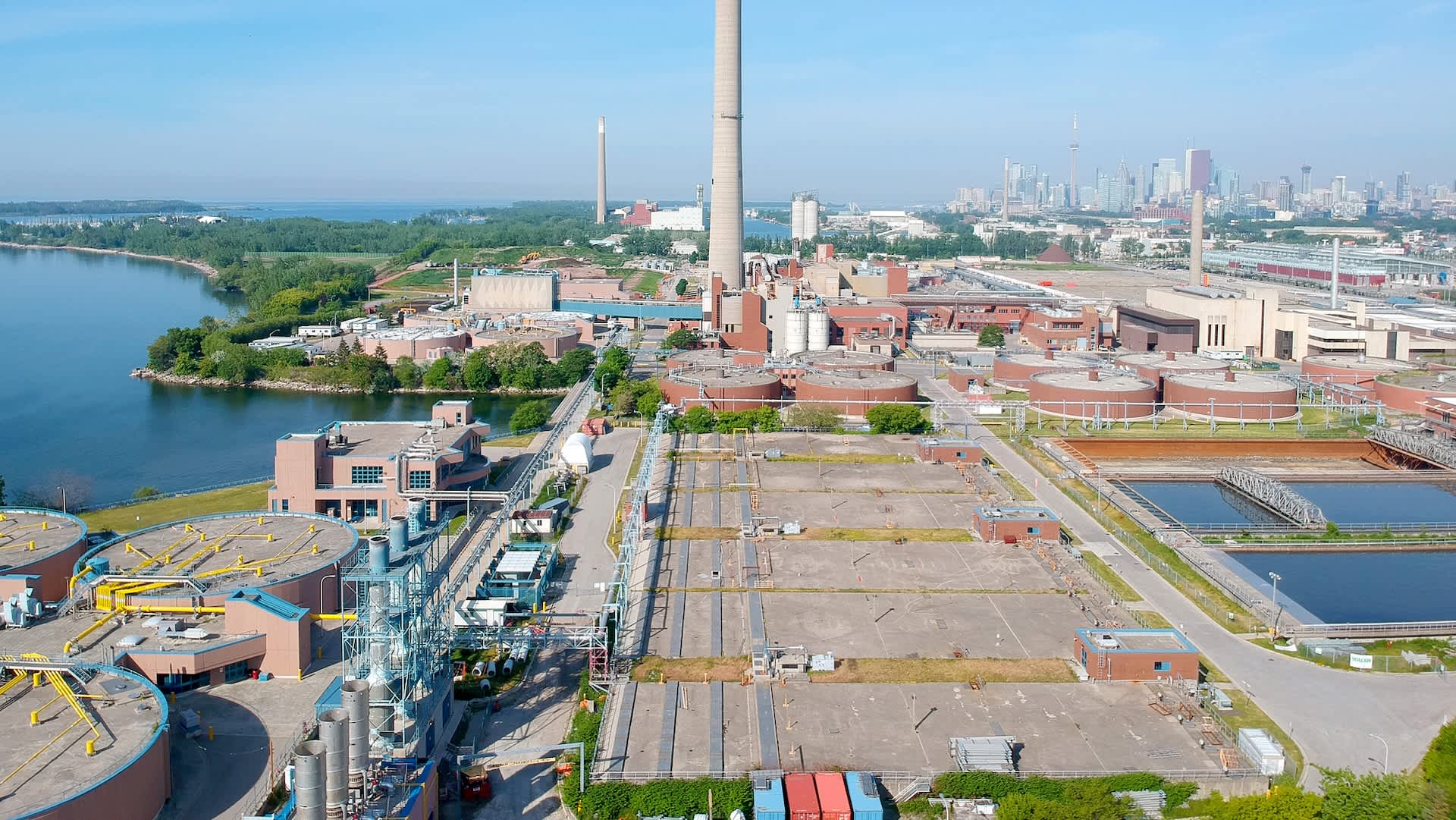
There is also a capital question underneath the political one. One commenter cited in the original reporting made the case that a restructured utility model “provides cash-strapped municipalities with immediate access to private capital for critical infrastructure upgrades,” framing it as a choice between that model and higher taxes. That is a familiar tension in large scale development: aging infrastructure needs money, and someone has to supply it, whether that is taxpayers, ratepayers, or private capital brought in through a new ownership structure.
Water is not a commodity. It’s a necessity. It’s the most important basic need we have, and it should stay fully public.
That rebuttal, raised by another commenter in the public debate, captures the other side of the equation. Infrastructure financed through private capital still needs to serve long term public interest, not just short term rate relief. For a city working through housing demand, intensification, and aging systems all at once, the structure chosen here will shape how quickly and how fairly new infrastructure gets built for years to come. This is not a side story to Toronto’s housing future. It is part of the foundation of it.
Source: thecooldown.com