
Rate Hike Resets the Math for Canadian Property Investors
The Bank of Canada’s quarter point increase this week, its first in three years, is more than a headline for borrowers. It is a signal that investors need to recalculate their cost of capital before making another move. With the benchmark rate now at 2.5 per cent and the major banks lifting prime to 4.70 per cent, the spread between what a property can earn and what it costs to hold just got tighter.
This matters most for anyone carrying variable rate debt on an income property. A $500,000 mortgage absorbs roughly $70 more per month from this move alone, and Governor Tiff Macklem has left the door open to further hikes if inflation tied to fuel costs persists. For a leveraged investor, that is not a rounding error. It is a direct hit to net yield, and it is exactly the kind of incremental pressure that separates a well underwritten acquisition from one that was priced too aggressively on cheap debt.
The fixed versus variable question has never been more consequential for portfolio planning. Fixed rates sit higher today, but they lock in a known cost structure, which is valuable when you are modeling returns across a hold period of five or ten years. Variable rates offer flexibility and a lower entry point, but they expose an investor to exactly the kind of policy surprise we saw this week. As one mortgage expert quoted in the original reporting put it, the stability of a fixed rate can be worth paying a premium for in this environment. For investors with thinner margins or multiple properties, that certainty has real strategic value.
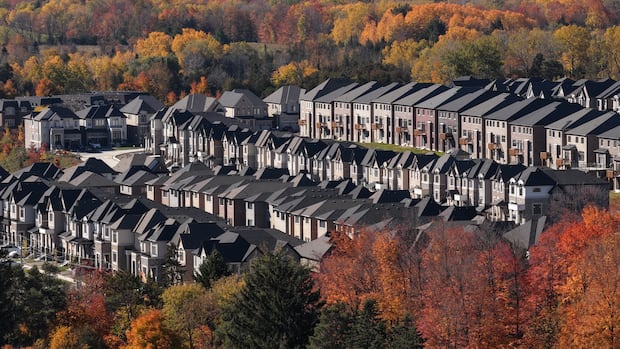
There is an opportunity side to this too, and it is one disciplined investors should not overlook. Deputy Governor Carolyn Rogers has described the housing outlook as subdued, particularly in Ontario and British Columbia, and the Canadian Real Estate Association has now cut its 2026 sales forecast for the third time this year. A shrinking pool of qualified buyers typically means less competition and softer pricing power for sellers. That dynamic has historically created entry points for investors with strong financing in place and the patience to wait out a soft cycle.
A rate hike likely locks us into year over year declines in housing activity for the rest of this year and into next, and I don’t see things turning until there’s a rate drop.
That view, from Ownright’s Joel Fox, is a useful anchor for anyone building acquisition timelines right now. The read for KG Invest readers is straightforward. Stress test every deal at today’s rates and at least one more hike beyond them, favour properties where rental income already covers a higher debt service threshold, and treat this slower market as a window for negotiation rather than a reason to step away entirely. Capital discipline, not timing luck, is what separates investors who compound wealth through a rate cycle from those who get squeezed by it.
Source: CBC News