Calgary’s Rezoning Reversal Is a Warning for Every City Chasing Housing Supply
Calgary just gave developers and planners across Canada a costly lesson in how quickly a supply strategy can unravel. In 2024, the city swept away decades of restrictive single-detached zoning in favour of a citywide medium-density standard, a policy known as blanket rezoning. It was a rare example of a municipality treating land use as infrastructure rather than sentiment. Less than two years later, a newly elected council reversed it, and the numbers behind that reversal deserve far more attention than the emotional debate that produced it.
When blanket rezoning passed, 1,564 new homes and 1,473 suites moved straight into the development permit phase, work that previously would have stalled for months in individual land-use redesignation hearings. City records show that process took an average of 177 days, and industry estimates from the Calgary Inner City Builders Association put appeal delays at roughly 500 dollars a day for a small row house project. That is not a rounding error in a proforma. That is the difference between a feasible mid-density project and one that dies quietly before a shovel ever touches the ground.
What makes the Calgary reversal instructive is not the policy swing itself, but who drove it. Research cited in the original reporting found that speakers opposing density at council hearings came from communities with a median household income roughly 40,000 dollars above the city average, and in one meeting, half of all opposition speakers came from neighbourhoods representing just 3 percent of Calgary’s population. For developers underwriting long-horizon projects, that is a signal worth pricing in: entitlement risk in Canadian cities is increasingly a function of who shows up to a hearing, not what the market or the housing shortage actually requires.
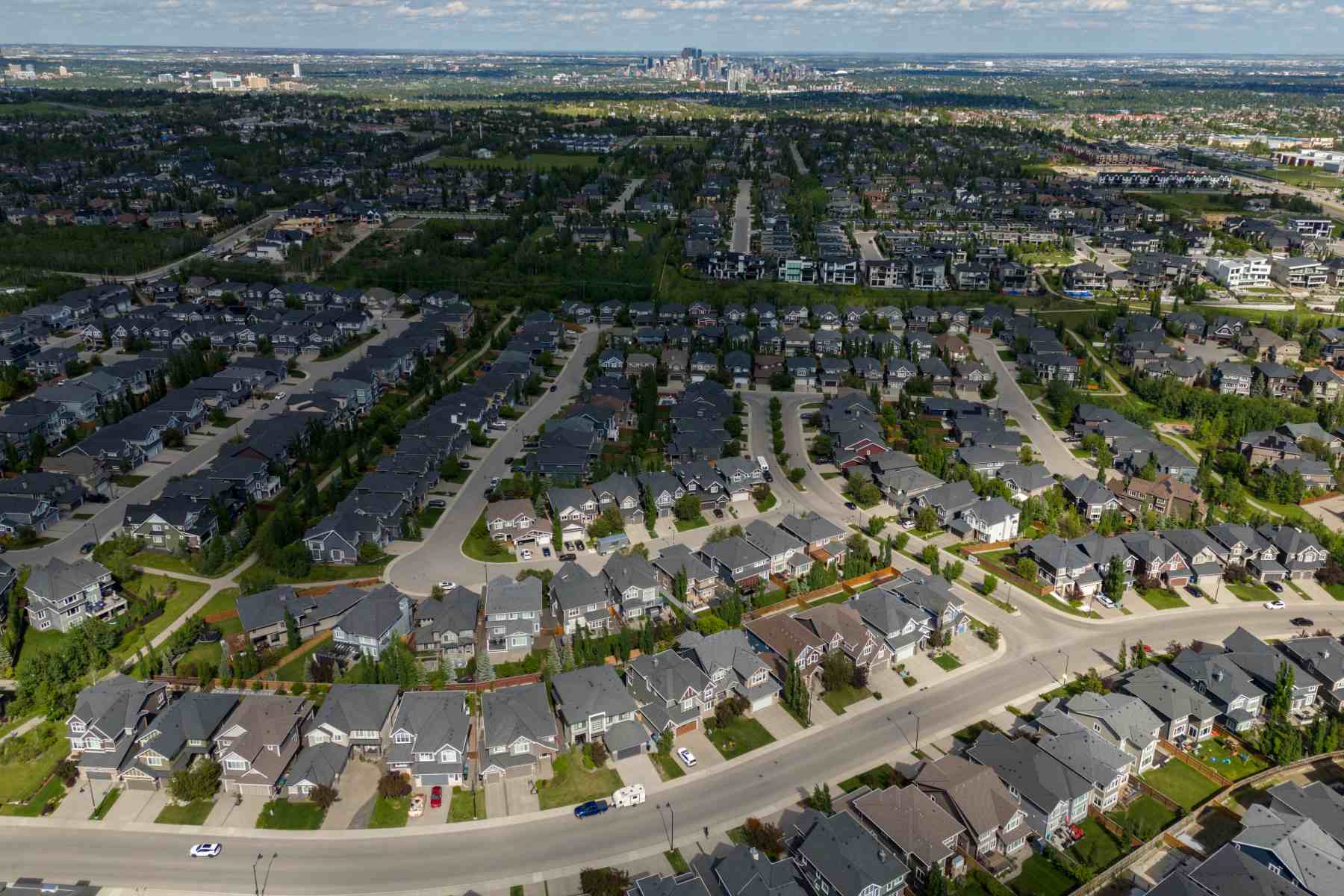
Calgary’s own projections show the city will need roughly four times its current pace of construction to meet demand. That gap will not close through incremental permits alone. It closes through predictable, rules-based entitlement, the kind blanket rezoning briefly offered before it was undone by a public hearing process structurally tilted toward incumbent homeowners with the time and capital to attend six-day council sessions.
Entitlement risk is no longer just about zoning maps. It is about who controls the room when those maps get redrawn.
For anyone underwriting land in Canadian secondary markets, Calgary’s whiplash is a case study in policy durability risk. Cities like Toronto and Victoria are testing citizen assembly models, using randomized selection to widen who actually gets heard on zoning, precisely because open hearings have proven vulnerable to capture by a narrow, wealthier slice of residents. Developers evaluating long-horizon land plays should weight that governance structure as heavily as absorption rates or construction costs. A city that changes its density rules with the electoral cycle is a city where feasibility models need wider margins and shorter assumptions.
The lesson for large-scale housing strategy is not that density reform is wrong. It is that supply policy built without a durable, representative process for approving it will always be one election away from reversal, and that is a risk every serious development pipeline in this country now has to underwrite.
Source: The Walrus, “The Scarcity Trap”