What a 19 Per Cent Drop in Housing Starts Signals for Investors
New data from Canada Mortgage and Housing Corporation should be sitting on every serious investor’s desk this week. Monthly housing starts in centres with a population of 10,000 or more fell 0.5 per cent from June, but the more telling number is the year-over-year comparison: starts in July were down 19 per cent against the same month last year. That is not noise. That is a shift in the supply pipeline that will shape pricing, rental demand, and construction-linked opportunity for the next several years.
CMHC’s deputy chief economist, Tania Bourassa-Ochoa, framed it plainly, noting that while the volume of homes already under construction remains substantial and completions continue to rise, fewer new projects are breaking ground in several major markets, Vancouver, Calgary, and Toronto among them. For investors, this is the classic split between the present and the future. Completions today keep rental supply moving and give buyers inventory to work with. But a slowdown in new starts is a forward signal, and forward signals are exactly what disciplined investors are supposed to price in early.
Here is why this matters beyond the headline. When starts contract in exactly the markets where demand has historically outpaced supply, the medium term math tends to favour existing inventory. Fewer new units breaking ground two or three years from now means the completions curve, which is currently elevated, will eventually flatten. Investors holding rental assets in Vancouver, Calgary, and Toronto should treat a pullback in new construction as a support factor for occupancy and rent stability once the current wave of completions works through the system.
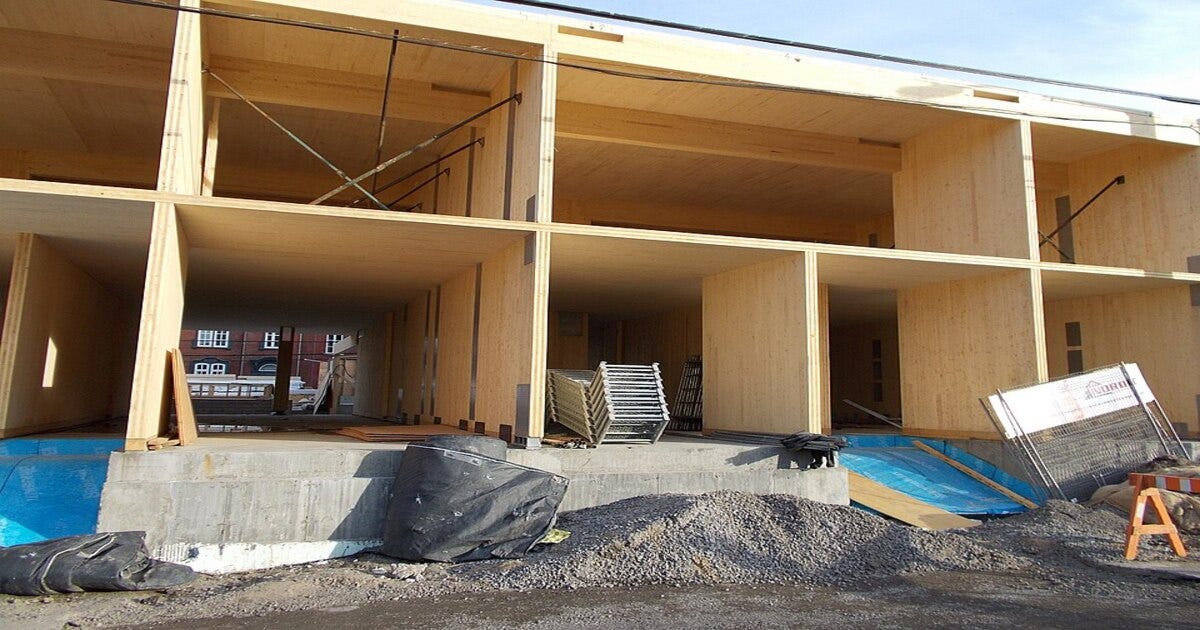
Fewer new projects are being started in many markets, notably in Vancouver, Calgary and Toronto.
The timing question is where this gets interesting for capital allocation. A 19 per cent annual decline suggests builders are recalibrating against financing costs, land costs, and softer pre-sale absorption rather than a collapse in underlying demand. That distinction matters. It points less toward a demand problem and more toward a temporary supply constraint, which historically has been a favourable setup for investors who can hold through the gap. Watching permit data and pre-construction sales activity in the coming months will tell us whether this is a short pause or the start of a longer contraction in new supply.
My read for readers positioning capital right now is straightforward. Do not overreact to a single monthly print, but do respect what a sustained double digit annual decline in starts implies for the supply curve three years out. Markets with constrained new construction and persistent population growth tend to reward patient holders of existing assets. Vancouver, Calgary, and Toronto remain the markets to watch closest, and the next two CMHC releases will tell us whether this July figure was an anomaly or the beginning of a trend.
Source: Juno News, CMHC housing starts data.