


Why Real Estate Investors Are Rethinking Broad REIT Exposure in the AI Era
Every investor eventually learns that diversification and concentration tell different stories. A broad real estate fund like the Vanguard Real Estate ETF has climbed a respectable 13% year to date, spreading capital across healthcare landlords, logistics operators, and retail names. But a narrower play on data-center REITs has returned 36% over the same stretch. That gap is not noise. It is a signal about where capital is actually flowing inside the real estate sector right now, and disciplined investors should pay attention to what it means for portfolio construction.
The broad fund holds real estate in its traditional form, diversified across roughly 159 positions with a low expense ratio and a solid dividend yield. That structure has long made it a sensible core holding. The problem is dilution. Data-center and tower operators make up only a modest slice of that fund, while the rest sits in slower-moving categories. Residential construction has been cooling, and real estate’s contribution to broader economic growth has lagged the information sector meaningfully. Investors who bought the broad fund assuming they were capturing the AI infrastructure story are, in practice, only partially exposed to it.
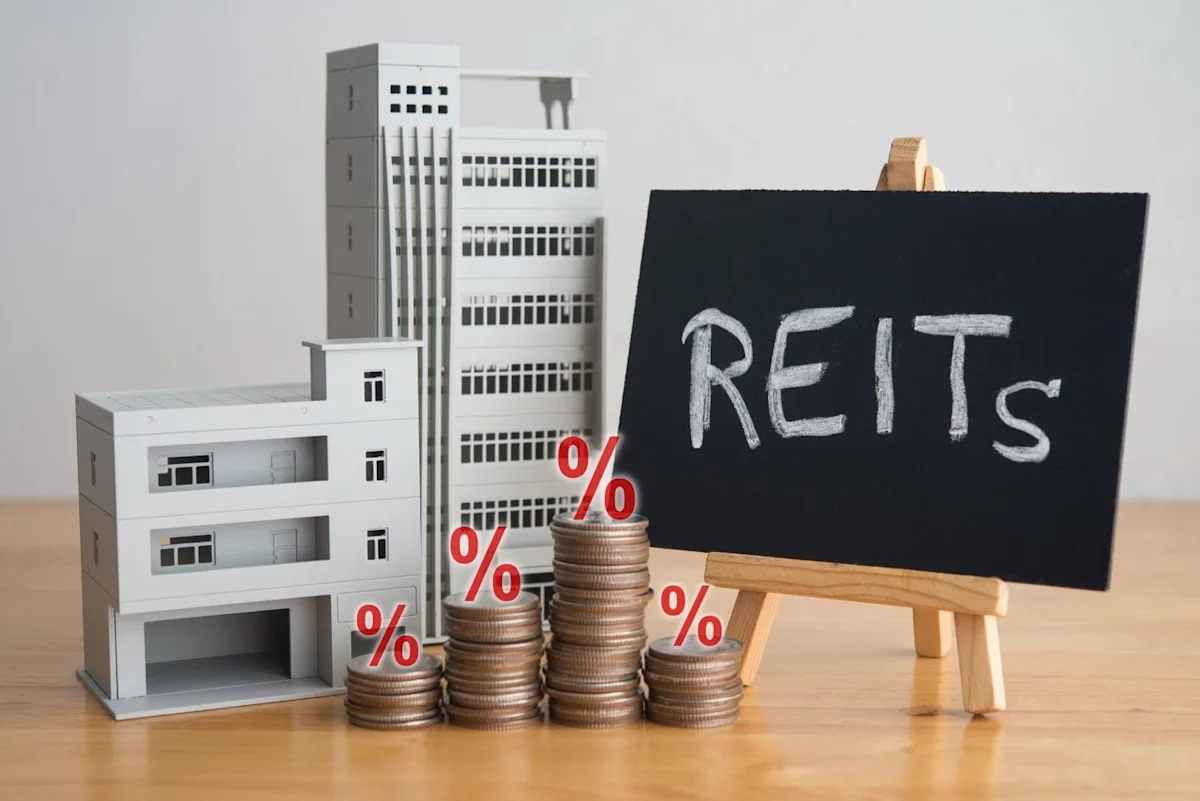
The concentrated alternative flips that weighting. Its anchor holdings are the same tower and data-center operators, but at three to four times the allocation, supplemented by pure-play digital infrastructure names and semiconductor suppliers riding the compute buildout. That is precisely why its returns have separated so sharply from the broader category. Hyperscaler capital spending on data-center capacity is projected to keep expanding at a rapid annual pace through the rest of the decade, and REITs positioned directly in that path are capturing disproportionate upside.
The strongest real estate opportunities are rarely found by looking at price alone. They come from understanding demand, timing, location strength, rental movement, and the long term direction of the market.
None of this comes free. The concentrated approach carries a materially higher expense ratio, a smaller asset base, and real volatility, having dropped sharply in a recent month even as the broader fund gained. Its yield is thin compared with the income-focused broad fund, and its semiconductor exposure means it will trade more like a technology position than a traditional property holding during risk-off periods. Investors who already hold AI-adjacent equities elsewhere in their portfolio should also weigh the overlap carefully before adding more.
For most portfolios, the sharpest move is not an all-or-nothing swap but a deliberate reallocation. Trimming a portion of a broad real estate position in favor of a concentrated infrastructure play preserves diversification while tilting exposure toward the theme actually driving sector returns. In taxable accounts, embedded gains on shares bought before the recent rally deserve consideration before any sale. The broader lesson for KG Invest readers is one of intention: know what thesis you are actually invested in, and make sure your holdings still reflect it as the market shifts underneath them.
Source: Yahoo Finance / 24/7 Wall St.