Two Toronto Towers, One Partnership: What Stafford and DBS Reveal About the Future of Purpose-Built Rental
Every so often a development deal lands that tells you more about where a city is heading than any policy announcement could. The new partnership between Stafford and DBS Developments, bringing 744 purpose-built rental units to two very different Toronto neighbourhoods, is exactly that kind of signal. This is not a speculative land play. It is two long-established, vertically integrated builders pooling their respective strengths, construction expertise on one side, rental design and property management on the other, to commit capital to the city for the long haul.
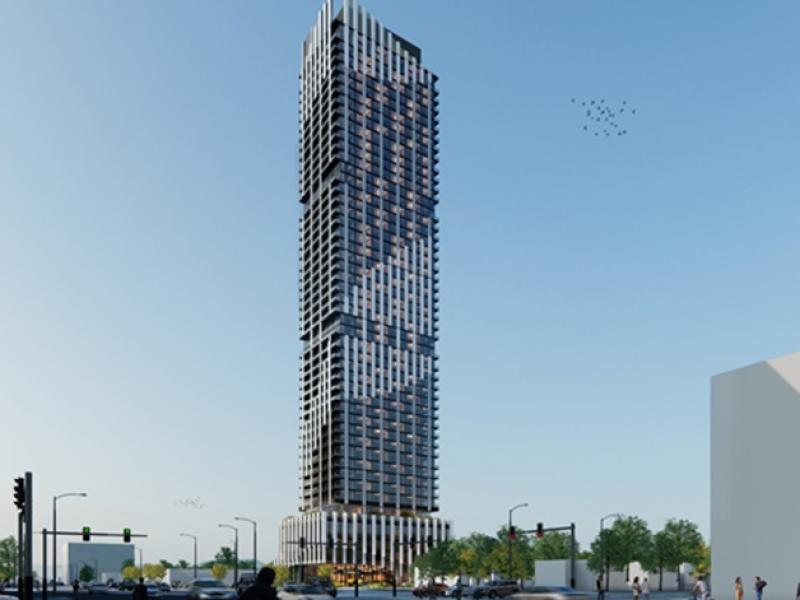
The first site, at 11-21 Johnston Ave. near Yonge and Sheppard, will bring a 48-storey, 524-unit tower to a node that is, frankly, underbuilt for rental given its transit position. Sitting roughly 130 metres from Sheppard-Yonge Station, with access to both the Yonge-University and Sheppard subway lines plus Highway 401, this is the kind of location where density should have arrived years ago. That it is only now being assembled from a patchwork of former single-family lots says something about how slowly infill rental intensification has moved in parts of this city, even along premium transit corridors.
The second project, a 27-storey, 220-plus unit building at 429 Walmer Rd. in South Forest Hill, is the more strategically interesting of the two from a land use perspective. It replaces a shuttered retirement facility with a mix of two-bedroom-plus-den and three-bedroom units, deliberately excluding studios. In a market starved for family-sized rental stock, that is a calculated bet on where real, durable demand sits. Nearly 13,000 square feet of amenity space, including a 5,000-square-foot ground courtyard, signals a project built to retain long-term tenants rather than churn through them.
What makes this partnership worth watching is the structure behind it. Stafford originated both sites and the two firms split ownership fifty-fifty, with Stafford leading construction and regulatory work while DBS handles rental design, leasing, and long-term property and asset management. That division of labour mirrors a broader shift happening across the Toronto rental landscape: developers increasingly recognize that building a tower and operating a rental community well are two distinct disciplines, and pairing specialists produces better outcomes than one firm trying to do everything alone.
We’re not looking to build and flip anything. The more that we can hold, the better. We have a deep belief in the future and growth of the city of Toronto.
That quote, from Stafford president Jonathan Goldman, is really the thesis of the whole deal. Both companies cite more than 60 years of operating history, and both point to prior projects nearby, including DBS’s 2Fifteen rental building now stabilized at 95 per cent occupancy, as proof they understand these specific submarkets well enough to commit capital for decades rather than quarters. That is the posture long-term city building requires: pick infill sites with genuine transit or neighbourhood advantages, design for the households actually short of supply, and hold.
Construction on Johnston Avenue is expected to start within the year, pending final municipal approval, while Walmer Road has already cleared the Committee of Adjustment and is moving through site plan approval, with completion targeted for 2030. Neither timeline is fast, which is itself a reminder of how much patience large-scale rental development still demands in this city, even when the partners, the financing, and the market appetite are all aligned from the start.
Source: RENX, “Stafford and DBS are partnering on two Toronto apartment developments”.