Data Centers Enter the Real Estate Portfolio: What Investors Need to Price In
Every so often a new asset class gets pitched to investors as the next essential real estate allocation. Right now, that pitch is data centers. Wall Street’s biggest alternative managers are packaging AI infrastructure as a diversification play, and the headline numbers are meant to turn heads: a market some say could eclipse a trillion dollars, institutional appetite running hot, and public vehicles finally opening the door to everyday investors. But the opportunity deserves the same discipline I apply to any property decision. Timing, structure, and risk matter more than the narrative.
Blackstone’s move to list its Digital Infrastructure Trust on the NYSE earlier this year was framed as giving the public market access to stabilized, already-built data centers in mature hubs like Northern Virginia and Dallas, a lower risk way to play the space compared to ground-up development. That is a sound underwriting instinct. Location and asset maturity are exactly what seasoned investors should screen for. Yet the trust’s shares have fallen roughly 16 percent since its May debut, a reminder that a compelling thesis and a profitable entry point are not the same thing.
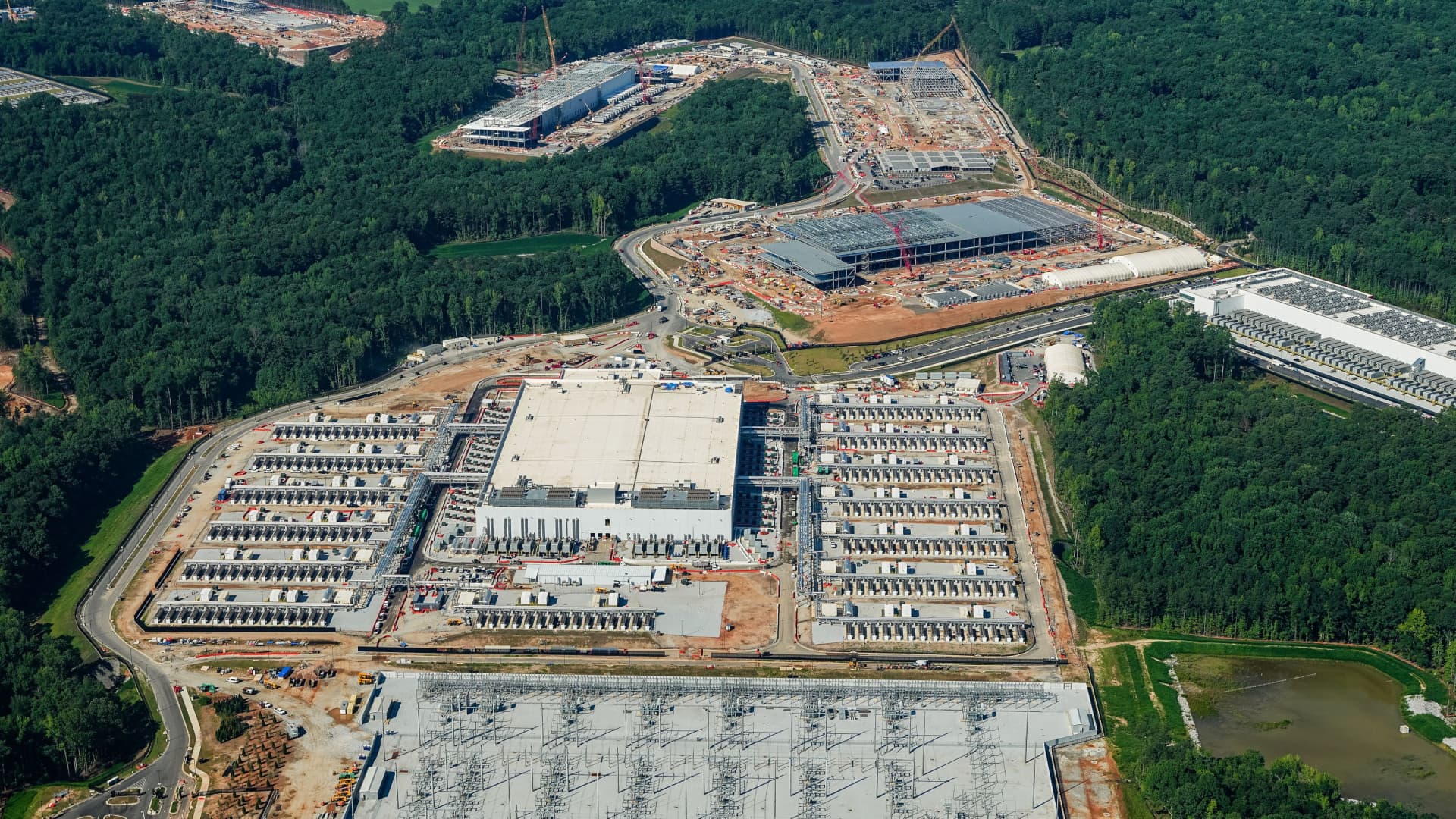
What should concern my readers most is how quickly the political and regulatory ground is shifting under this asset class. Moratoriums on new hyperscale approvals in New York and Texas are not minor friction, they represent the kind of entitlement risk that can quietly erode return assumptions baked into a fund years before the public notices. Oracle’s force majeure notice on its New Mexico campus is a useful case study here: even a well-capitalized tenant can hit delays from regulatory hurdles and local opposition that push completion dates and, by extension, income projections.
The infrastructure behind these investments was built for a relatively small number of institutional investors making large commitments, not for millions of retail investors investing smaller amounts.
That line, from InvestCloud’s Andrew Tarver, is the one I want every reader to sit with before committing capital. Liquidity terms in private data center vehicles were not designed for the redemption behavior retail investors are used to. We already saw how exit pressure can seize up credit markets during this year’s private credit redemption scramble. A data center allocation can absolutely belong in a diversified real estate portfolio, but only sized appropriately, understood fully, and weighed against your actual liquidity needs rather than the promise of trillion dollar total addressable markets.
My view: publicly traded, exchange-listed vehicles with daily liquidity, like the REIT structure, remain the more sensible entry point for most individual investors over private fund commitments. Treat the enthusiasm around AI infrastructure as a signal worth tracking, not a reason to abandon the fundamentals of location, tenant concentration, power access, and realistic time horizons that have always separated durable real estate returns from speculative ones.
Source: CNBC