What the AI Capex Boom Is Telling Real Estate Investors About Risk
Every serious investor eventually learns the same lesson: the size of a boom tells you less than the speed of it. That is the signal worth pulling out of new analysis from Apollo’s chief economist Torsten Sløk, who found that the AI infrastructure buildout is expanding as a share of US GDP faster than the housing boom did in the run up to 2008, and faster than the telecom buildout of the dot com era before that. For readers who think in terms of portfolios, timing, and downside exposure, this is not a tech story. It is a risk management case study.
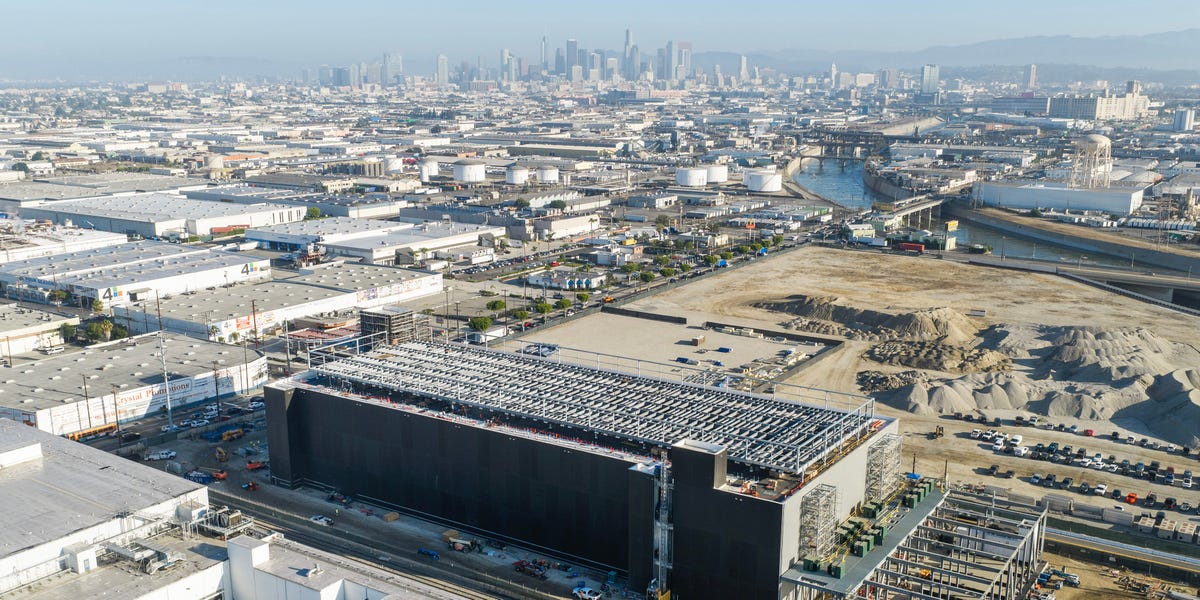
Sløk’s data shows hyperscaler capital spending climbing from roughly 0.3 percent of GDP in 2019 toward forecasts above 3 percent, a pace he describes as building at close to twice the rate the housing market did at its fastest. The data center buildout is still smaller than housing was at its 2006 peak in absolute terms, but the rate of change, what investors should really be watching, has already overtaken both prior cycles.
I have spent a career watching how capital cycles unwind, and the mechanics Sløk lays out are familiar to anyone who lived through the last housing correction. Residential investment fell from 6.2 percent of GDP in early 2006 to 3.0 percent by the end of 2008, and that unwind, not the boom itself, is what turned a correction into a severe recession. Telecom’s much smaller reversal in the early 2000s produced a far milder downturn by comparison. The lesson for property investors is direct: it is not the height of a cycle that determines the damage, it is how fast the capital retreats once sentiment turns.
A cycle that builds at 0.85 percentage points a year can unwind at a similar pace, and that, rather than the buildout itself, is the macro risk if AI demand disappoints.
That warning, echoed publicly by 2008 veteran Michael Burry, deserves a place in how real estate investors think about diversification right now. AI capex is increasingly tied to the same institutional capital, regional economies, and even power and land demand that shape property markets. Data center construction is already reshaping industrial real estate demand and local infrastructure investment in select markets. If that capital reverses quickly, the ripple effects will not stay contained to tech balance sheets. Investors who lived through 2008 know that concentrated capital cycles, however productive they look on the way up, deserve the same discipline applied to any single sector bet: understand your exposure, understand the exit, and do not mistake a fast buildout for a stable one.
None of this means retreating from opportunity. It means sizing it correctly. Real estate investors who track macro capital flows alongside local fundamentals will be better positioned to read the next turn, whichever sector it originates from, before the broader market catches up.
Source: Business Insider