

Pearson’s Terminal Renewal Is a Growth Signal for the Western GTA
Toronto Pearson’s $1.5-billion revitalization of Terminals 1 and 3 is not just an airport improvement program. It is a major infrastructure signal for the western Greater Toronto Area, one that should be read closely by developers, employment land owners, logistics operators, hotel investors, and municipal planners across Mississauga, Brampton, Etobicoke, and Caledon.
As reported by UrbanToronto, the Greater Toronto Airports Authority has launched the second major component of its Pearson LIFT infrastructure program, with NORR-DIALOG leading planning and design and PCL Construction acting as Construction Manager at Risk. The work follows a separate $3-billion renewal of Pearson’s airfield and baggage systems, positioning the airport for higher passenger volumes, stronger operating reliability, and longer-term economic growth.
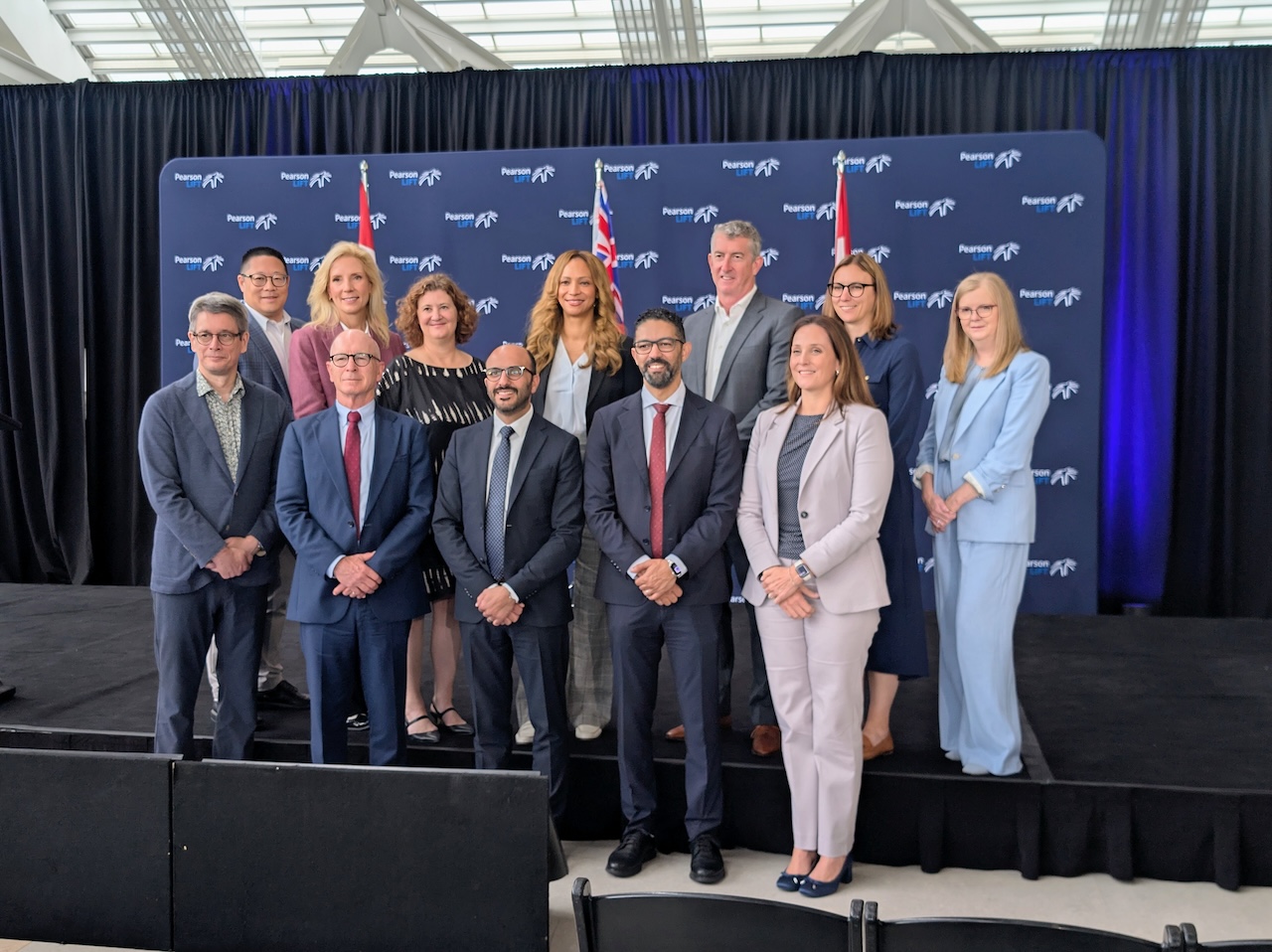
For land development, the important number is not only the capital spend. It is the capacity target. Pearson handled more than 47 million passengers last year and is planning for up to seven million additional annual travellers by 2031, with a longer-term capacity of 65 million. That kind of demand does not stay inside the terminal walls. It moves through roads, transit corridors, hotels, warehouses, office nodes, workforce housing markets, and municipal capital plans.
The airport employment projection is equally material. Pearson expects jobs connected to the airport to rise from roughly 52,000 to 68,000 over the coming decade. Sixteen thousand additional positions around one of Canada’s most constrained employment districts will intensify pressure on nearby housing supply, last-mile transit, parking structures, shuttle networks, and mixed-use intensification in areas that have historically been treated as primarily industrial or airport-adjacent employment land.
Airport capacity is regional growth infrastructure. When Pearson expands its ability to move people, the surrounding land economy has to respond.
This is where municipal policy becomes decisive. Mississauga and Brampton have both been pushed toward more housing supply, better transit integration, and more efficient use of serviced land. Pearson’s modernization reinforces the need to treat the airport district as a metropolitan economic zone rather than a collection of isolated parcels. Zoning that protects core logistics functions still matters, but so does allowing supporting uses where they strengthen the employment ecosystem: hotels, training facilities, flexible commercial space, worker-serving retail, and higher-density housing near transit-connected edges.
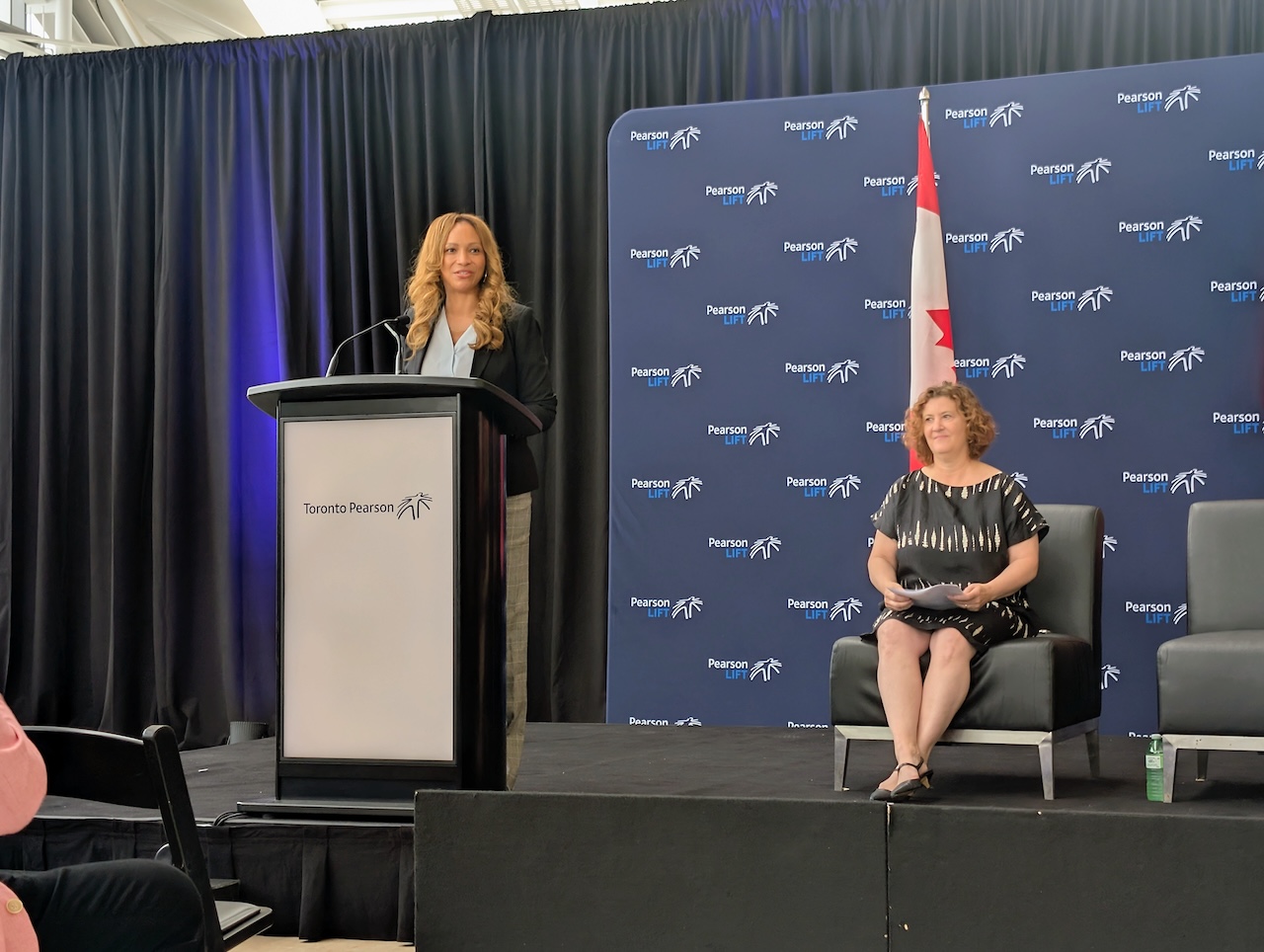
The construction model also matters. Delivering a terminal renewal inside a live 24/7 airport environment means phasing, operational continuity, procurement discipline, and risk allocation will drive feasibility as much as design. That is relevant beyond aviation. Major urban redevelopment increasingly happens around operating assets, including hospitals, transit stations, utilities, malls, and employment campuses. Pearson is another example of infrastructure renewal without a blank slate.
The passenger-facing upgrades, including larger processing areas, improved customs and immigration facilities, expanded retail and dining, digital services, better wayfinding, and stronger ground transportation connections, also point to a broader competitive issue. Global cities are judged by their gateways. If Pearson becomes more efficient and more resilient, the western GTA strengthens its case for corporate location, convention demand, tourism growth, advanced logistics, and international investment.
Developers and investors should now watch three things: how ground transportation planning evolves around Pearson, how municipalities adjust land use permissions near airport-linked corridors, and whether employment growth translates into stronger demand for attainable housing within practical commuting range. The terminal project is being framed as modernization. Strategically, it is a bet on the next cycle of regional growth.
Source: UrbanToronto