



Real estate has always evolved with the way people choose to live. In today’s market, one of the most important shifts is the rise of lifestyle communities, a category that blends housing with amenities, social connection, convenience, and a clearly defined resident experience. These communities are no longer viewed only as a housing preference. They are increasingly being recognized as a serious investment segment with durable demand drivers and strong long term relevance.
Table Of Content
- What Are Lifestyle Communities?
- Why Demand Is Growing
- The Investment Thesis Behind Lifestyle Communities
- Resident Benefits That Reinforce Asset Value
- Key Types of Lifestyle Communities Investors Should Understand
- 55+ and Active Adult Communities
- Active Adult Rental
- Master Planned Lifestyle Communities
- Resort Style Residential Communities
- How Lifestyle Communities Build Wealth in a Portfolio
- What Investors Need to Evaluate Before Entering the Segment
- Common Misconceptions About Lifestyle Communities
- What Makes a High Quality Lifestyle Community Investment?
- Trends Shaping the Next Phase of the Market
- How to Approach the Opportunity Strategically
- Conclusion: A Real Estate Niche With Expanding Strategic Value
- Investor Checklist: Questions to Ask Before You Commit Capital
For investors focused on wealth building, lifestyle communities offer a compelling proposition. They can capture premium pricing because residents are not just paying for square footage. They are paying for simplicity, design, identity, walkability, wellness, and a community environment that aligns with how they want to live. That distinction matters because in real estate, pricing power often follows experience as much as product.
The trend is especially significant at a time when demographic shifts, housing shortages, and aging housing stock are reshaping both North American markets and investor strategy. In the United States, the Census Bureau has projected continued growth in the population aged 65 and older for decades. In Canada, CMHC has repeatedly highlighted that older adults represent a growing share of the population and that seniors’ housing needs, including age friendly neighborhoods and accessible design, are expanding. Those forces are not temporary. They are structural.
This makes lifestyle communities more than a niche theme. They sit at the intersection of demographics, design, wellness, and housing supply. For residents, they promise quality living. For investors, they may offer an attractive combination of demand resilience, premium rents or sale prices, and portfolio diversification. The key is understanding what these communities really are, how they differ from traditional senior housing, and how to evaluate them with discipline.
What Are Lifestyle Communities?
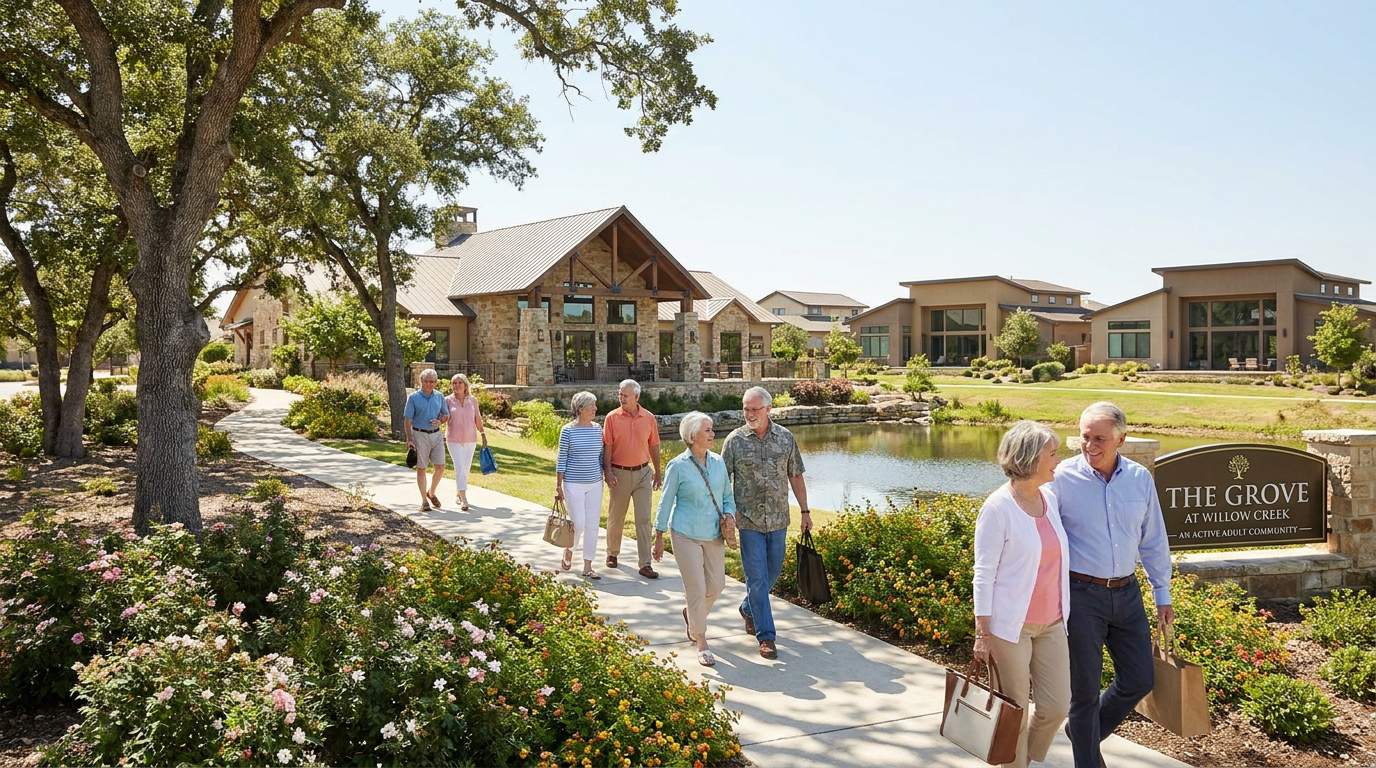
Lifestyle communities are a broad category of residential real estate built around more than shelter alone. They typically combine homes with a strong community identity, shared amenities, curated programming, and design features that support a specific way of living. In North America, the category can include active adult or 55+ communities, resort style residential developments, master planned communities with strong amenity packages, and newer active adult rental formats designed for independent residents.
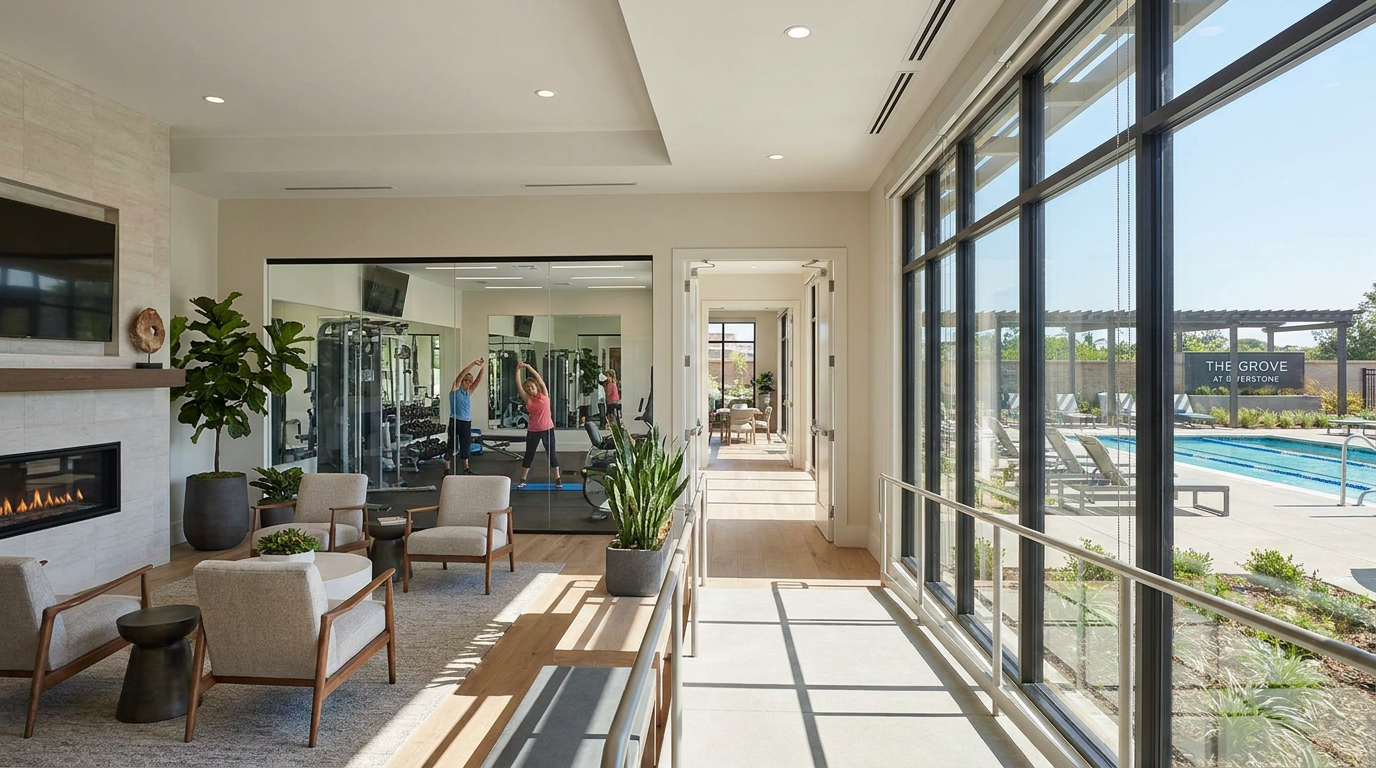
What ties these subtypes together is the idea that the property is positioned as a place based product. Residents are choosing not only a home but also a social ecosystem, a routine, and a set of lifestyle benefits. That can include clubhouses, pools, wellness centers, green space, walking trails, pickleball courts, hobby rooms, social programming, and proximity to retail or health services. In many cases, maintenance demands are reduced as well, which adds real value for people who want to simplify daily life.
It is important to distinguish lifestyle communities from institutional senior care. Many active adult and 55+ communities are designed for healthy, independent residents and do not offer onsite healthcare services. NIC defines active adult rental communities as housing for mostly healthy adults aged 55 and over who want an active, peer oriented environment but do not yet need healthcare support onsite. That distinction is critical because it affects regulation, operating models, staffing requirements, and resident expectations.
This is also why the category has broad appeal beyond traditional retirement living. While retirees remain a major demand base, lifestyle communities can also attract empty nesters, downsizers, remote workers, and households that prioritize convenience, accessibility, and social connection. In an era where many buyers and renters evaluate neighborhoods based on experience rather than just commute patterns, lifestyle housing has become a more mainstream proposition.
Why Demand Is Growing
The most obvious driver is demographic momentum. The aging of the population in both the United States and Canada continues to reshape housing demand. Older households are increasingly looking for homes that support active living, reduced maintenance, and better accessibility. Many do not want the burden of large family homes, especially if those homes are older, costlier to maintain, or no longer aligned with their lifestyle.
Population aging on its own would already be meaningful, but it is happening alongside several reinforcing trends. Household downsizing is becoming more common as children leave home and homeowners reconsider how much space they truly need. At the same time, affordability pressure is forcing more households to rethink capital allocation, making lower maintenance homes or rental formats more attractive. In many markets, selling a large home and moving into a better designed community can free up capital while improving quality of life.
Housing supply conditions also strengthen the case. NAHB has estimated that the United States still faces a housing deficit of roughly 1.5 million homes, a shortfall that supports demand across multiple housing types. NAHB has also reported that the median age of U.S. owner occupied homes reached 42 years in 2024, which underscores replacement demand for newer, more efficient housing stock. Lifestyle communities often enter the market as fresh product with modern layouts, better energy performance, improved accessibility, and stronger amenity integration.
In Canada, CMHC’s guidance around housing for older Canadians emphasizes age friendly neighborhoods, transportation access, safety, and community engagement. These are not peripheral design preferences. They shape the marketability and usefulness of housing in a country where older adults form a growing share of the population. Investors who understand that housing demand is becoming more nuanced can see why communities designed around lifestyle and livability are gaining traction.
In premium housing segments, buyers and renters increasingly value how a property supports daily life, not simply where it is located. Lifestyle communities monetize that shift.
The Investment Thesis Behind Lifestyle Communities
From an investment standpoint, lifestyle communities can be attractive because they are capable of generating pricing premiums. The reasoning is straightforward. When a property includes desirable amenities, reduced maintenance, a stronger sense of belonging, and design tailored to resident needs, consumers are often willing to pay more. That premium may show up in higher home prices, stronger absorption, lower vacancy, or more stable rent growth depending on the asset type.
These communities also align with a demand profile that is often less cyclical than trend driven urban products. Older households, downsizers, and residents making practical lifestyle transitions are not always moving because of speculative sentiment. They are moving because their housing needs are changing. That can give the segment more defensive characteristics, particularly when the product is well located and correctly positioned.
NAHB has described the 55+ housing segment as one of the strongest growth areas in housing. NIC has highlighted active adult rental as an emerging property type that combines multifamily economics with senior housing demographic tailwinds, but without the medical complexity of assisted living. For investors, that creates an interesting space between traditional multifamily and senior care real estate. It offers age targeted appeal without crossing into healthcare operations.
Another reason this category matters is that it broadens the concept of real estate income. In some communities, value creation does not come only from rent or resale. It also comes from retention, brand reputation, amenity differentiation, and the ability to attract residents who are less price sensitive because they are purchasing a lifestyle package. In a competitive housing market, that level of differentiation can support stronger net operating outcomes over time.
Resident Benefits That Reinforce Asset Value
Investors should pay attention to resident outcomes because in lifestyle communities, satisfaction is closely tied to asset performance. Communities that improve daily living often support stronger occupancy and better pricing. The resident value proposition typically starts with convenience. Many of these communities are designed to reduce maintenance burdens and improve accessibility, which can be especially appealing to older adults and busy households who want ease without sacrificing quality.
Social connection is another major advantage. One of the overlooked challenges in modern housing is isolation. A well designed lifestyle community can counter that by encouraging engagement through shared spaces, events, clubs, walking paths, and informal neighbor interaction. For residents, that can materially improve quality of life. For investors, it supports stickier demand and a more resilient resident base.
Wellness is also becoming central to the category. Communities increasingly incorporate fitness centers, outdoor recreation, green space, and programming that aligns with health conscious living. This reflects a broader shift in consumer expectations. Housing is no longer only about shelter and proximity. It is increasingly about supporting long term well being, mobility, and routine.
CMHC’s emphasis on age friendly design, transportation access, and community engagement helps explain why these features matter. If a community makes it easier for residents to stay active, remain connected, and access services, it becomes more than a real estate product. It becomes a practical solution to aging in place or aging in community. That practical relevance is a powerful support for long term demand.
Key Types of Lifestyle Communities Investors Should Understand
55+ and Active Adult Communities
This is the most recognized segment. These communities are generally age restricted or age targeted and designed for independent, healthy residents who want lower maintenance homes and a more peer aligned environment. Amenities often emphasize recreation, social programming, and convenience rather than care services. Their appeal is supported by the long term growth of the older adult population and by the downsizing decisions of homeowners looking for a better fit.
Active Adult Rental
Active adult rental communities are a newer but increasingly important category. Rather than buying a home, residents lease within a community designed around similar lifestyle principles. For investors, this can be particularly attractive because it brings recurring income potential into a demographic segment traditionally associated with for sale housing. NIC’s work on active adult rentals has helped frame the segment as a distinct investment class rather than simply a variation of conventional multifamily.
Master Planned Lifestyle Communities
Not all lifestyle communities are age focused. Large master planned developments can target families, professionals, or mixed demographic groups while still emphasizing amenities, walkability, recreation, and community identity. The investment case here often depends on placemaking, phased development, and long term absorption. These projects can create substantial value when the location, design, and amenity strategy align with local demand patterns.
Resort Style Residential Communities
These communities lean heavily into leisure, aesthetics, and hospitality inspired living. Pools, golf, trails, clubhouses, and premium landscape design are often central to the offer. They can attract both full time residents and seasonal buyers depending on the market. For investors, the opportunity can be attractive, but so can the operating and maintenance complexity, so underwriting discipline is essential.
How Lifestyle Communities Build Wealth in a Portfolio
Real estate investors typically look for a combination of cash flow, appreciation, and inflation resilience. Lifestyle communities can contribute to all three when executed properly. Premium positioning may support stronger rent or sale price performance. Newer product can reduce near term capital expenditure compared with older housing stock. Demographic demand may also create a more stable occupancy profile, particularly in well supplied submarkets where the product remains differentiated.
Portfolio diversification is another reason to consider the category. Many investors are heavily concentrated in standard suburban housing, traditional multifamily, or commercial assets. Lifestyle communities offer exposure to a housing format that is driven by a somewhat different set of demand factors. Age related housing transitions, low maintenance preferences, and wellness oriented living create demand that is adjacent to but not identical with conventional multifamily fundamentals.
There is also a strategic timing component. As more capital flows into sectors linked to aging demographics, investors who understand the space early may be better positioned to identify undervalued land, emerging submarkets, or underdeveloped rental formats. This does not mean every project will outperform. It means the segment has enough structural support to justify serious attention from investors who think in decades rather than cycles.
In wealth building terms, the category can be especially effective when it captures both present income and future relevance. An asset that serves a growing resident base, solves practical housing needs, and commands a clear market identity has a better chance of remaining competitive over time. That is the kind of strategic durability that sophisticated investors seek.
What Investors Need to Evaluate Before Entering the Segment
Despite the promise, lifestyle communities are not automatically low risk. In fact, they can be more complex than standard residential assets because the value proposition depends on more than the unit itself. Investors must evaluate the location, the resident profile, the amenity strategy, the governance structure, and the long term operating burden. Attractive marketing alone is not a substitute for durable economics.
One of the first issues is entitlement and zoning. Depending on the jurisdiction, age targeted or amenity rich communities may face specific land use requirements, density constraints, accessibility standards, or approval timelines. Canada and the United States also differ in regulatory structure and market conventions, so product definitions and development pathways can vary significantly by province, state, and municipality.
Infrastructure and amenity costs are equally important. Clubhouses, pools, trails, landscaping, recreation facilities, and shared spaces can support premium pricing, but they also create ongoing maintenance obligations. If these costs are underestimated, they can erode operating margins or lead to resident dissatisfaction through fee increases. Investors need to understand not only whether amenities attract demand but whether they remain economically sustainable over the full hold period.
Governance matters as well. Homeowners associations, condo boards, rental management policies, reserve funding, and community rules all influence long term asset quality. Poor governance can damage resident experience and future value even if the initial development is strong. In premium lifestyle communities, operational discipline is often just as important as design.

Common Misconceptions About Lifestyle Communities
A common misunderstanding is that lifestyle communities are simply another name for assisted living. That is incorrect. Many lifestyle and active adult communities are for independent residents and do not include healthcare services onsite. Investors who confuse the two may misjudge regulatory exposure, operating costs, and competitive positioning.
Another misconception is that these communities only appeal to retirees. While older adults remain central to the segment, the broader lifestyle category includes products for empty nesters, families, and remote workers who want walkability, green space, social interaction, and low maintenance living. The real draw is often not age alone. It is the combination of convenience, design, and curated experience.
There is also a tendency to assume that premium housing formats are insulated from market pressure. In reality, lifestyle communities can face construction inflation, amenity cost escalation, local oversupply, and affordability constraints. If pricing gets too far ahead of the resident base, absorption can slow. A strong concept does not eliminate the need for disciplined feasibility analysis.
Finally, some investors underestimate the importance of local market fit. A lifestyle community that performs well in one region may struggle in another if transportation access, climate, tax structure, local culture, or household preferences differ. This is why broad demographic support must always be paired with granular submarket analysis.
What Makes a High Quality Lifestyle Community Investment?
The strongest opportunities usually share several characteristics. They begin with a market where the target demographic is growing and where competing supply remains limited or undifferentiated. They also tend to be located near healthcare, retail, recreation, and transportation infrastructure, even when they are designed to feel insulated or resort like. Accessibility and convenience are not optional in this category. They are central to performance.
Product design is equally important. Homes should reflect how residents actually live, including practical layouts, lower maintenance materials, energy efficiency, and features that support mobility and long term usability. Universal design and accessibility are becoming more relevant, not only for older adults but for buyers and renters who value flexibility over time. Communities that anticipate these needs can retain relevance longer than those built around narrower assumptions.
Amenities should also be curated rather than excessive. The best communities offer features that genuinely improve resident life and support the property’s brand. Amenities that photograph well but see little usage may add cost without increasing value. Investors should look for evidence that programming, shared spaces, and outdoor features are aligned with the resident profile and can be sustained economically.
Management quality remains a defining factor. In lifestyle communities, daily operations shape the resident experience in visible ways. Cleanliness, programming, maintenance response, reserve planning, and governance all influence reputation. Since word of mouth can significantly affect leasing and resale, operational excellence is not simply a back office concern. It is part of the investment thesis.
Trends Shaping the Next Phase of the Market
One of the most important developments is the growth of active adult rental. This format expands access to lifestyle communities for residents who prefer flexibility, want to preserve capital, or are not ready to purchase. It also creates new opportunities for investors seeking recurring income in an age targeted housing segment. As the model matures, it may become a more visible component of multifamily and build to rent strategies.
Another major trend is the convergence of lifestyle and wellness. Communities are increasingly marketed around health, mobility, recreation, and social vitality. This is not just branding. It reflects a deeper shift in how housing is valued. Residents increasingly want their home environment to support long term quality of life, and developers are responding with better trails, fitness amenities, outdoor programming, and design that promotes ease of movement.
Accessibility and universal design will likely become more important as well. CMHC’s work around age friendly neighborhoods and housing choice points toward a market where adaptable design features carry increasing value. Wider doorways, step free entries, better lighting, and thoughtful community layouts can expand the usability of housing across life stages, which in turn supports broader demand.
Affordability pressure may further accelerate downsizing and rental demand. As carrying costs rise and older homeowners reassess the economics of staying in large houses, more may choose right sized homes in communities that offer stronger convenience and lower maintenance. This could create a durable demand stream for both for sale and rental lifestyle products, especially in regions with aging populations and constrained housing supply.
How to Approach the Opportunity Strategically
For investors considering this segment, the best approach is to avoid treating it as a simple thematic play. Lifestyle communities should be assessed with the same rigor applied to any serious real estate investment. That means examining submarket demographics, migration trends, household wealth, local supply pipelines, amenity preferences, and the cost structure required to maintain the community standard.
It also means being clear about which part of the category you are targeting. An active adult rental asset has a different operating profile than a master planned for sale community. A resort style development may depend more heavily on brand and discretionary demand than an age friendly suburban community near healthcare and services. Precision matters because the term lifestyle community covers multiple products with different return profiles and risks.
Partnership quality can be decisive. Developers, operators, property managers, and local planners all influence whether a project becomes a durable asset or an expensive concept. Investors should favor teams with proven experience in housing formats where resident experience directly affects performance. In this segment, execution risk can be high, but so can the reward for operators who consistently deliver on the promise of lifestyle, convenience, and community.
Most importantly, investors should view this category through the lens of relevance. The housing market rewards properties that fit where demand is going, not where it has been. Lifestyle communities align with several long term shifts at once, including aging populations, changing household needs, greater emphasis on wellness, and demand for newer, more functional housing. That combination gives the segment strategic credibility well beyond trend status.
Conclusion: A Real Estate Niche With Expanding Strategic Value
Lifestyle communities represent a meaningful evolution in residential real estate. They respond to a market where people increasingly want homes that support how they live, connect, move, and age. For residents, the appeal is clear: less maintenance, more convenience, stronger community, and a better alignment between housing and daily life. For investors, the attraction lies in demographic support, pricing power, differentiation, and the possibility of durable demand.
That does not make the segment simple. It requires disciplined underwriting, careful market selection, and close attention to operations, governance, and amenity economics. Yet those complexities are precisely what can create opportunity. Markets often reward investors who understand not just the physical asset, but the behavioral and demographic forces shaping future demand.
In that sense, lifestyle communities are more than a growing real estate category. They are a signal of where residential investment is heading. As North America continues to age, as housing stock continues to mature, and as quality of living becomes more central to purchase and rental decisions, communities built around experience and practicality may occupy an increasingly valuable place in a long term portfolio.
For investors focused on wealth and lifestyle investing, this is a segment worth watching closely. It offers a rare blend of financial relevance and social utility, which is often where the strongest real estate themes begin. When a housing product serves real human needs and aligns with durable market trends, it has the foundation to become more than fashionable. It has the foundation to perform.
Investor Checklist: Questions to Ask Before You Commit Capital
- Who is the resident? Define whether the community is targeting retirees, active adults, empty nesters, renters, or mixed demographics.
- What problem does the asset solve? The best projects offer a clear answer, whether that is downsizing, convenience, social connection, or accessibility.
- Are the amenities economically sustainable? Attractive shared spaces matter, but they must be maintainable across the hold period.
- How strong is local demographic support? Review age growth, household formation, income, migration, and home equity conditions in the submarket.
- What is the competitive landscape? Understand both direct competitors and substitute housing options nearby.
- Does governance protect value? Evaluate HOA, condo, rental management, reserve planning, and operating controls.
- Is the community differentiated enough to command premium pricing? If not, returns may compress quickly as new supply enters.
When those questions are answered well, lifestyle communities can become a strategic addition to a portfolio built for both resilience and growth. In a market increasingly defined by intentional living, that is an advantage worth taking seriously.



No Comment! Be the first one.