

Creating a Drought-Resistant Landscape: Practical Tips for Water-Efficient Yards
In recent years, the topic of water conservation has become increasingly important, with many areas experiencing severe drought conditions. As homeowners, the landscaping choices we make cannot only impact our immediate environment but also contribute to broader ecological sustainability. Transitioning to a drought-resistant landscape offers a multitude of benefits, from reducing water usage to enhancing the aesthetic appeal of your property. In this article, we’ll explore practical strategies to create an elegant yet water-wise yard that can thrive in challenging climates.
Table Of Content
Understanding Drought-Resistant Landscaping
Drought-resilient landscaping, often referred to as xeriscaping, is a design philosophy aimed at minimizing outdoor water use while preserving the beauty of our gardens. According to the U.S. Environmental Protection Agency, nearly one-third of residential water use in the United States is dedicated to outdoor landscaping, with even higher percentages in arid regions. This consumption can add up to approximately 8 billion gallons of water used daily. By adopting drought-tolerant landscaping principles, homeowners can reduce their outdoor water demands by as much as 50-75% in suitable climates.
As we navigate climate variability and strive for sustainability, drought-resistant landscaping not only conserves precious resources but also boosts curb appeal and enhances property value. Integrating native plants and implementing efficient watering techniques are foundational aspects of this practice that can easily be adapted to gardens of all sizes.
Choosing the Right Plants for Your Climate
The foundation of a drought-resistant landscape begins with selecting the right plants. Native plants and drought-adapted species are superb choices, as they are already acclimatized to local conditions, requiring less water and maintenance than non-native varieties. To make informed selections, consider the following:
Research your region’s climate and soil conditions. Understanding your local environment is crucial. Some areas experience prolonged dry periods, while others may have more seasonal fluctuations. Resources such as state agricultural extensions or local botanical gardens can offer invaluable insights into the types of plants that thrive in your geographical location.
Opt for plants with lower water needs. Native wildflowers, grasses, and shrubs typically require less water. For instance, Lavandula angustifolia (lavender) and Salvia splendens (salvia) are both aesthetically pleasing and resilient. These plants’ deep root systems allow them to access moisture from deeper soil layers, making them excellent candidates for a water-efficient garden.
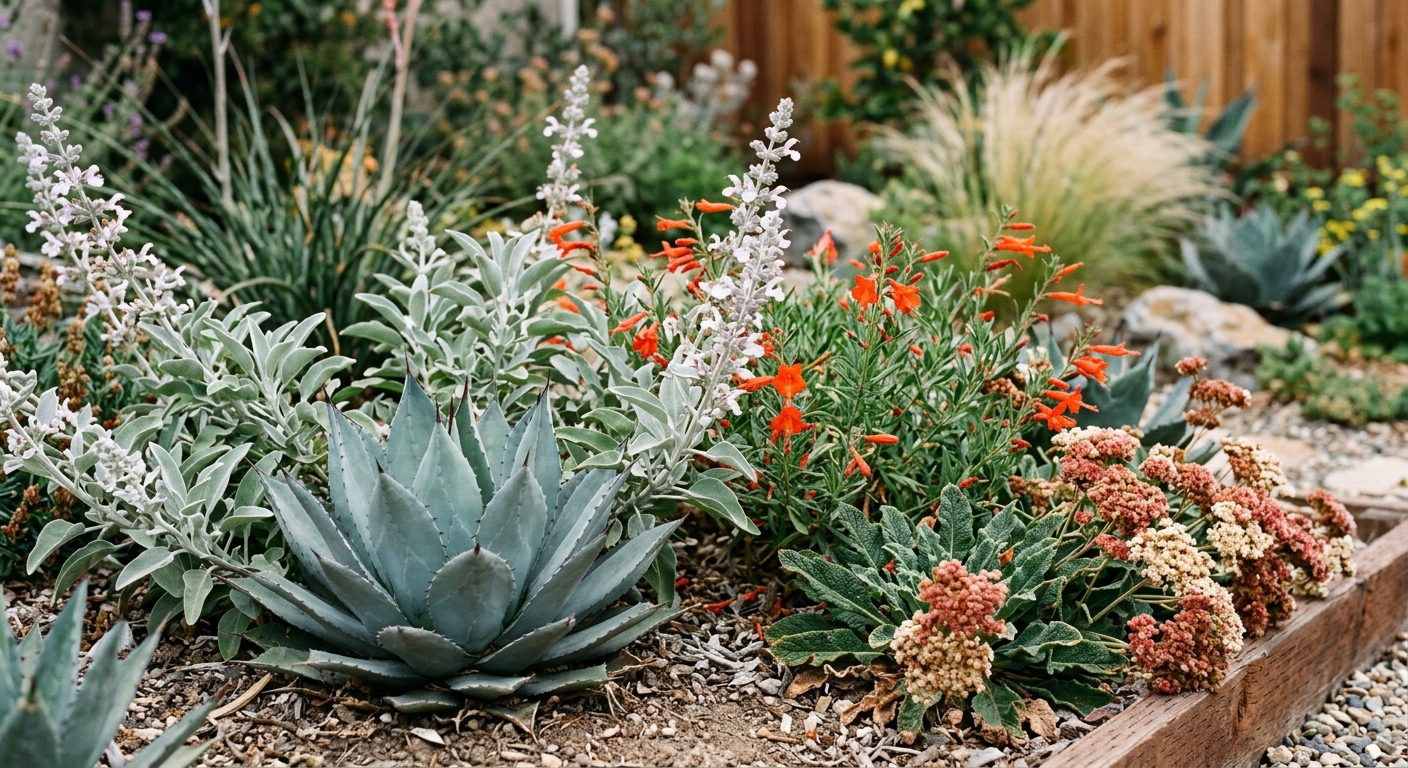
Incorporate a variety of plant types. A diverse planting scheme not only enhances visual interest but also supports local ecosystems, inviting pollinators such as bees and butterflies into your garden.
Furthermore, consider planting trees that are well-adapted to your climate. Trees are valuable as they provide shade, which can significantly reduce water evaporation and cooling costs in your home. For example, species like the Quercus garryana (Oregon white oak) or the Picea abies (Norway spruce) are known for their hardiness and drought resistance once established.
Implementing Efficient Watering Techniques
Even the most drought-resistant plants will need water to establish themselves, especially during their first growing seasons. Implementing efficient watering techniques can greatly reduce water waste while ensuring your gardens remain vibrant and healthy.
Drip or micro-irrigation systems are among the top choices for water-efficient watering. These systems deliver water directly to the plant’s root zone, significantly reducing evaporation losses and runoff. When properly installed and maintained, these irrigation methods can achieve efficiencies of 85-90%, perfect for a conscientious homeowner looking to conserve.
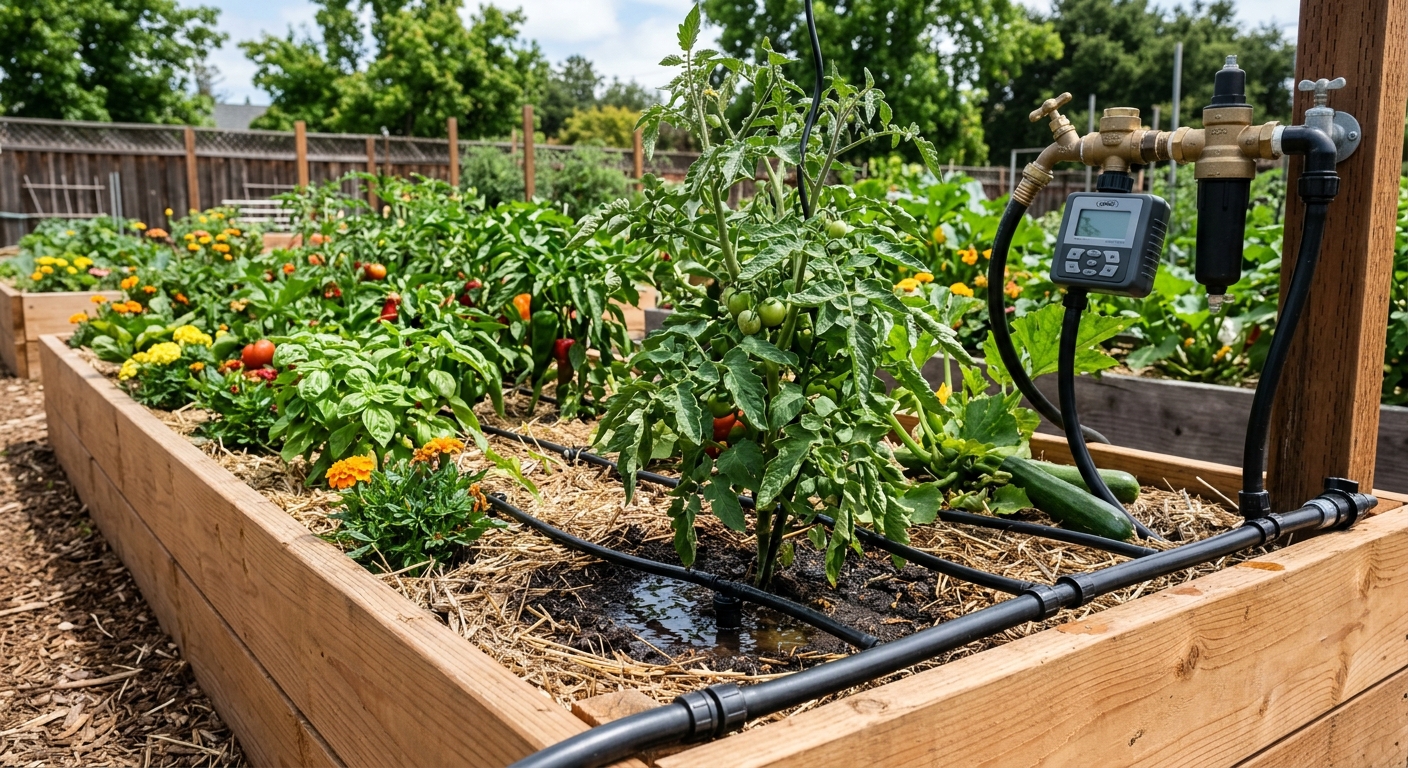
For those opting for traditional sprinkler systems, consider using smart controllers that adjust watering schedules based on weather patterns and soil moisture levels. This technology helps ensure plants receive adequate water without excess, optimizing usage.
Another simple yet effective strategy is to water during the early morning or late evening. This timing reduces evaporation rates, allowing more moisture to reach the plant roots. When watering, always aim for deeper, less frequent irrigation to encourage deeper root growth, which is essential for drought resilience.
Employing mulch around your plants can also minimize evaporation and slow weed growth. Organic mulches, such as wood chips or straw, provide insulation to the soil, maintaining moisture levels while improving soil quality as they decompose. A layer of 3-5 inches of mulch can reduce soil evaporation by up to 50-70%.
Maintenance Tips for a Sustainable Landscape
Creating a drought-resistant landscape does not end with planting—it requires ongoing care to ensure sustainability. Regular maintenance strategies will support your garden’s health while minimizing water use.
Start by monitoring plant health regularly. Early detection of pests or diseases can prevent larger issues that could lead to increased water needs. In addition, ensure that your irrigation systems operate effectively by checking for clogs or leaks that might waste water.
Weed control is another significant maintenance task that supports water conservation. Weeds compete with your chosen plants for moisture and nutrients, often leading to increased watering needs. Establishing a thick layer of mulch greatly assists in suppressing weed growth. Furthermore, hand-pulling weeds before they have a chance to seed can be an effective way to maintain a clean garden.
Seasonal pruning and deadheading are also vital practices. Pruning certain plants can help promote new growth and flower production, while deadheaded flowers can prevent unnecessary water consumption from wilting blooms.
Finally, patience is key in the establishment of drought-tolerant plants and trees. Newly transplanted trees in particular often necessitate a care regimen wherein they receive one year of establishment water per inch of trunk diameter, guiding them towards successful long-term growth.
Conclusion
Creating a drought-resistant landscape is not merely an environmentally responsible choice—it is a transformative journey that enhances both the beauty and value of your home. By embracing the principles of xeriscaping, homeowners can make meaningful contributions to water conservation while enjoying the aesthetic rewards of a sustainable garden. With careful plant selection, efficient watering techniques, and consistent maintenance, even those new to gardening can successfully cultivate resilient landscapes that flourish in challenging climates.
As we face increasing climatic variability, the ability to adapt our landscapes becomes pivotal. By taking small, manageable steps towards sustainability, we not only create beautiful outdoor spaces but also foster an enduring legacy that benefits both our families and the broader environment.



No Comment! Be the first one.