
The Rise of Industrial Cities: Shaping the Future of Urban Development
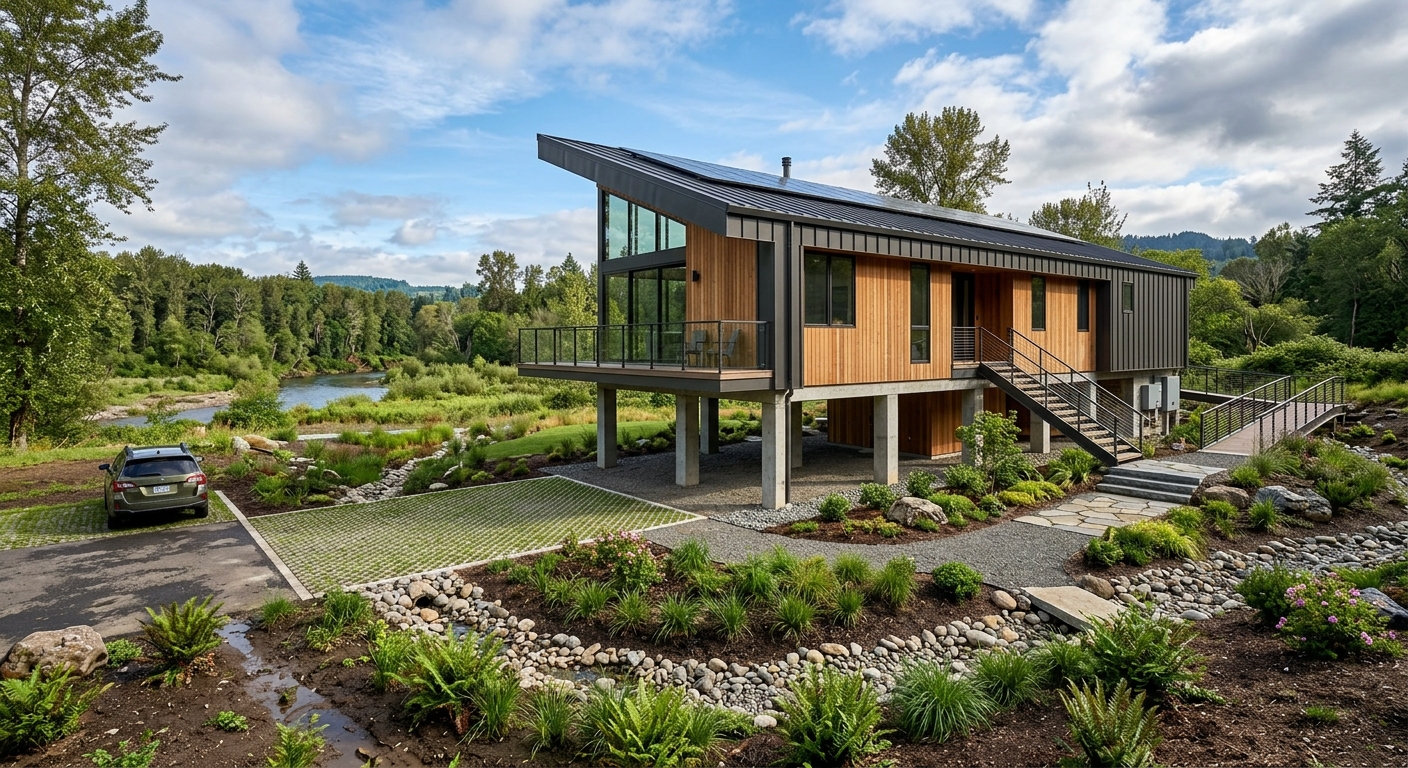
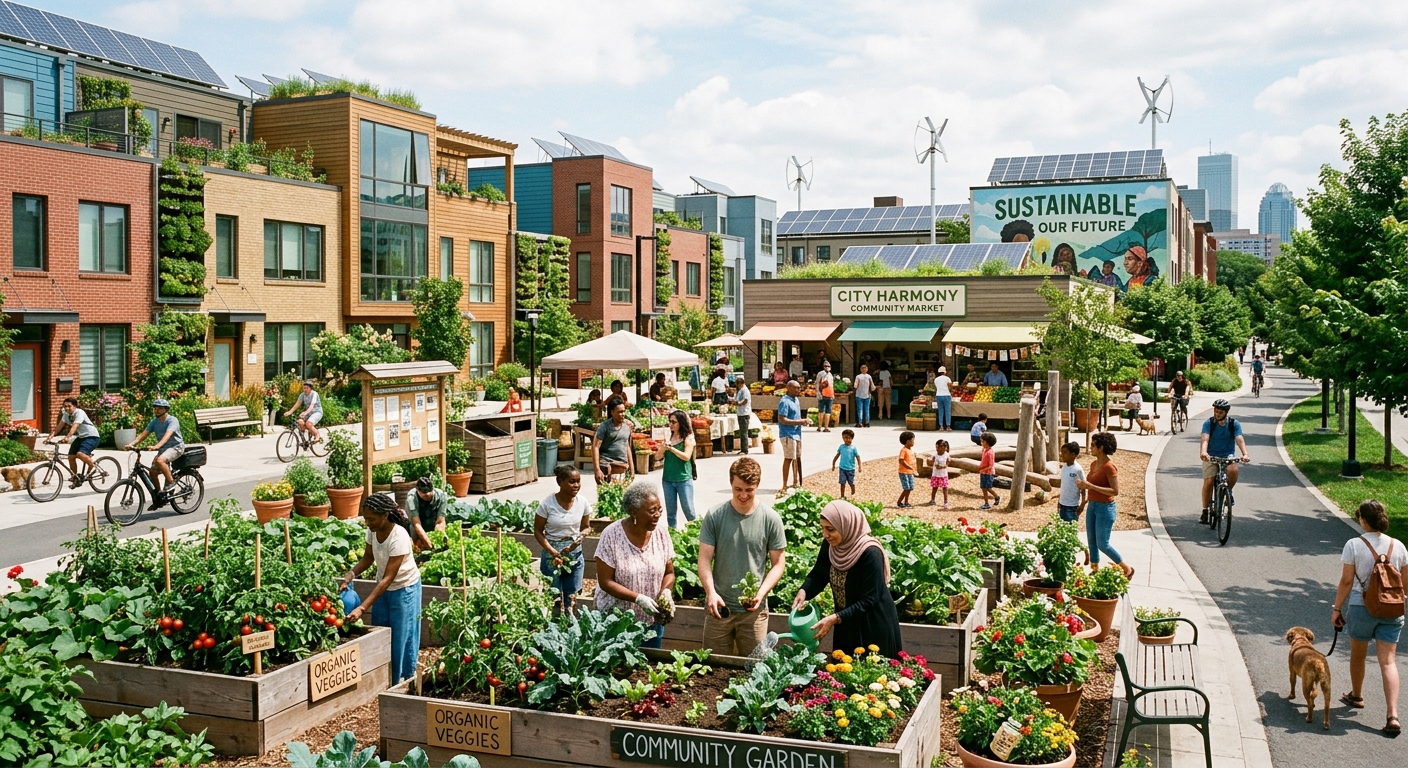
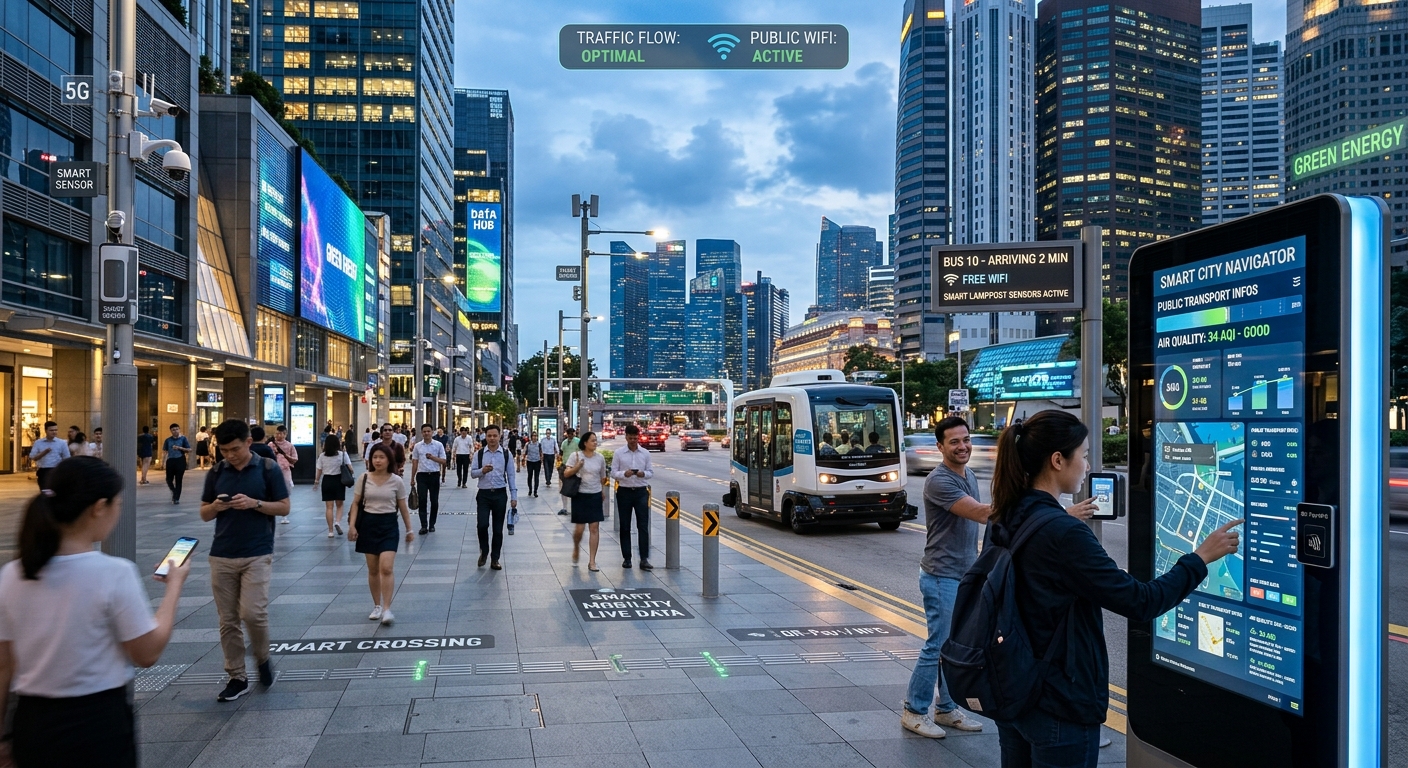
As urban areas grapple with the dual challenge of economic growth and environmental sustainability, the concept of industrial cities emerges as a beacon of hope. The rise of industrial cities—hubs of manufacturing, logistics, and innovation—marks a significant evolution in the landscape of urban development. This article explores how industrial cities can integrate sustainable practices while driving economic growth, ultimately serving as blueprints for future urban developments.
Table Of Content
- Understanding Industrial Cities: Definition and Importance
- Case Studies: Successful Industrial City Models Around the World
- Sarnia-Lambton Eco-Industrial Park
- Montreal’s Technopôle Angus
- Pearson Eco-Business Zone
- Burnside Industrial Park in Halifax
- Devens, Massachusetts
- Chattanooga’s Renaissance Park
- Kearny Point and Upper Harbor Terminal
- Phoenix, Arizona
- Strategic Planning for Future Industrial Developments
- Conclusion: The Future of Industrial Cities in Urban Growth
Understanding the complex interplay of industry and urban space is crucial. By examining successful industrial city models and delving into their strategic planning, we can gain insights into how future projects might be shaped. The journey towards sustainable industrial landscapes is multifaceted, requiring an understanding of governance models, financial mechanisms, and policy frameworks.
Understanding Industrial Cities: Definition and Importance
Industrial cities are urban areas characterized by a concentration of industries, particularly manufacturing, logistics, and related services. Historically, these cities have been engines of economic growth, fostering innovation and job creation. However, the contemporary landscape introduces new challenges—balancing economic vitality with environmental stewardship and social value. As industrial cities evolve, they must adapt to contemporary demands, embracing sustainability as a catalyst for growth rather than a constraint.
The traditional narrative surrounding industrial cities often emphasizes their role as centers of manufacturing power. However, recent trends indicate that industrial cities, if strategically designed, can embody resilience and adaptability. By implementing principles of sustainability, these urban environments can improve air and water quality, foster local employment opportunities, and enhance overall urban livability.
A key aspect of this transformation lies in understanding the principles of sustainable urban development. This includes concepts such as eco-industrial parks, district energy networks, and industrial symbiosis. Eco-industrial parks are designed to maximize the reuse of resources among different industries, creating a network of exchanges that maximize efficiency while minimizing waste. By embedding these principles into the fabric of industrial cities, we can redefine what constitutes urban success.
Case Studies: Successful Industrial City Models Around the World
The journey towards sustainable industrial cities can be illuminated through a series of compelling case studies from North America, notably Canada and the United States. These examples showcase how innovative practices can transform once-traditional industrial spaces into modern, responsive urban environments.
Sarnia-Lambton Eco-Industrial Park
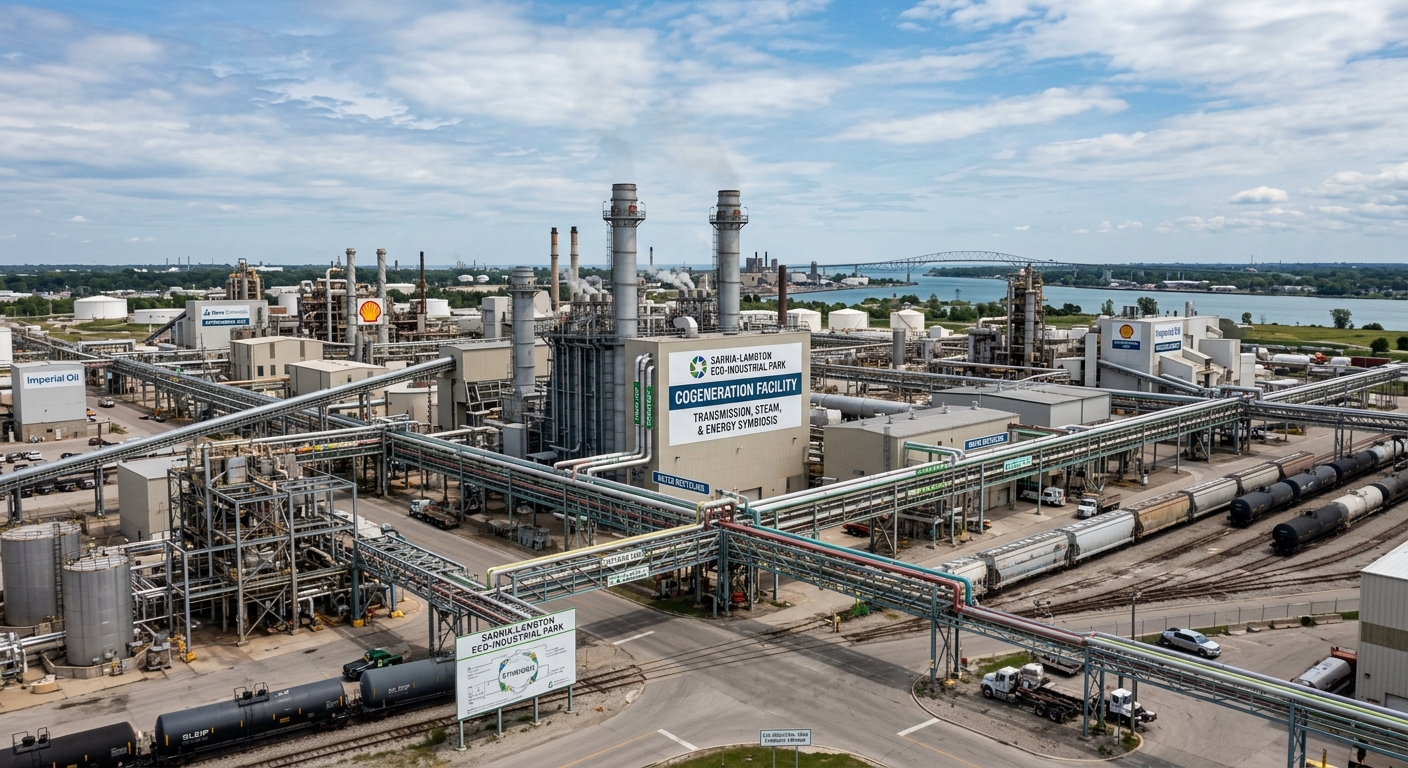
Situated in Ontario, Canada’s Sarnia-Lambton Eco-Industrial Park stands as a testament to successful sustainable redevelopment. The park features a network of cogeneration facilities and industrial symbiosis, allowing businesses to share energy and resources efficiently. This model not only meets energy needs but also reduces emissions and operational costs. The park’s development strategy has become foundational in post-industrial land reclamation, showcasing how industrial ecosystems can thrive through collaboration.
Montreal’s Technopôle Angus
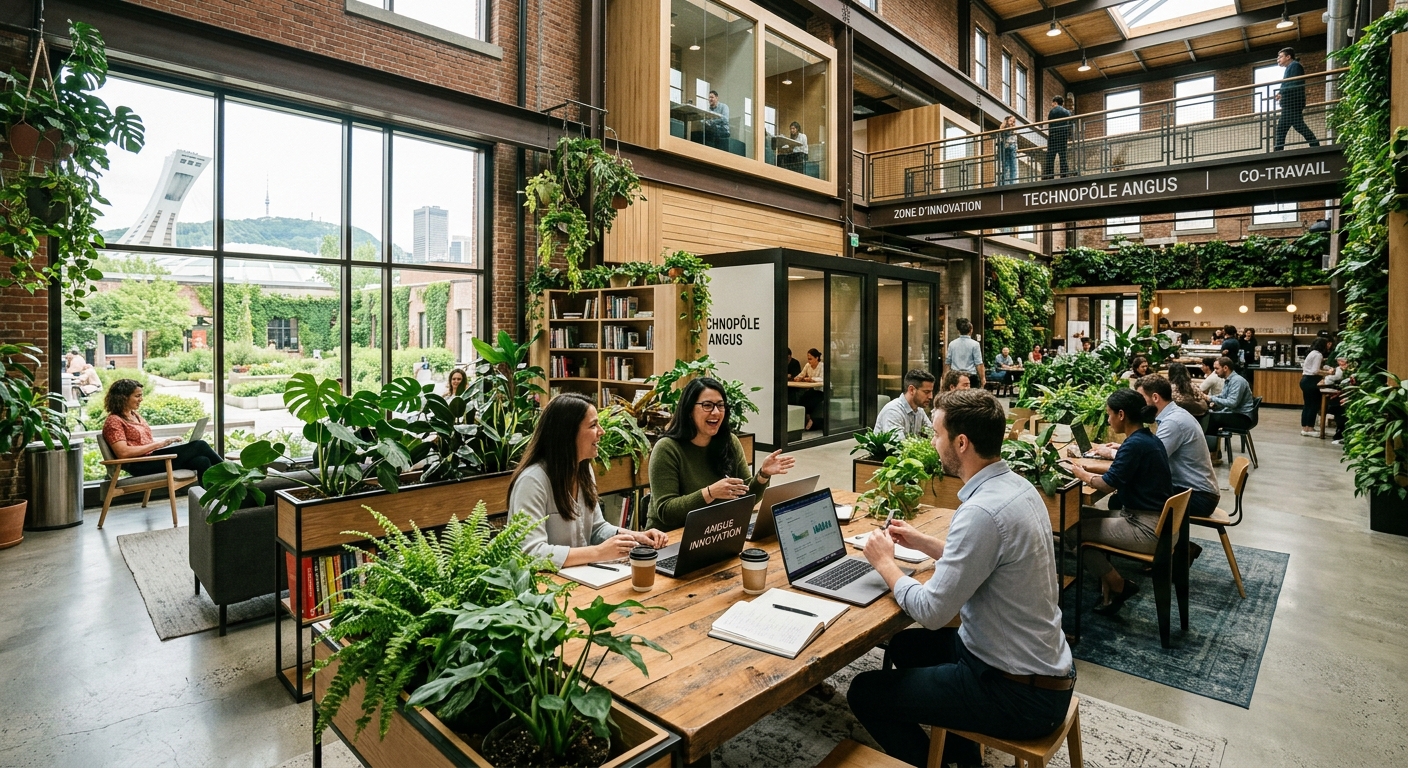
Montreal’s Technopôle Angus exemplifies the potential of deindustrialized sites to evolve into vibrant economic hubs. This project encompasses 13 buildings, housing over 56 companies and employing thousands of individuals. Anchored by social-economy principles, Technopôle Angus not only generates economic activity but also fosters community engagement and social value. The ongoing expansion plans highlight the scalability of this model, proving that industrial cities can adapt and thrive in a rapidly changing environment.
Pearson Eco-Business Zone
Located in the Greater Toronto Area, the Pearson Eco-Business Zone demonstrates the power of district energy systems in unlocking energy savings and emissions reductions. This project necessitated comprehensive feasibility studies revealing significant potential benefits for multiple stakeholders. It serves as a blueprint for how energy innovations can facilitate urban-industrial synergies, paving the way for collaborations that support economic viability and environmental resilience.
Burnside Industrial Park in Halifax
Burnside Industrial Park, the largest park north of Boston and east of Montreal, is a prime example of large-scale eco-efficiency. Hosting around 2,000 enterprises and employing roughly 30,000 individuals, Burnside showcases how industrial parks can create scale economies. This development reflects the integration of green infrastructure and park-scale planning driven by municipal support and robust governance frameworks, illustrating a successful model of regional economic integration.
Devens, Massachusetts
Turning to the United States, Devens—a former military base turned eco-industrial redevelopment—represents a cutting-edge approach to sustainable urban growth. Governed by the Devens Enterprise Commission, the site showcases a diverse array of climate-conscious manufacturing and research facilities. What sets Devens apart is its long-standing commitment to transforming previously contaminated land into integrated urban environments supporting both living and working spaces.
Chattanooga’s Renaissance Park
Chattanooga’s Renaissance Park exemplifies the intersection of public investment and private reinvestment. Through the remediation of brownfields, the city transformed its waterfront into a vibrant local amenity, complete with floodplain restoration and added green spaces. Such interventions illustrate how industrial redevelopment can yield improved community assets and stimulate local economies.
Kearny Point and Upper Harbor Terminal
Kearny Point in New Jersey and Upper Harbor Terminal in Minneapolis present additional models of brownfield-to-mixed-use conversions. These projects embody the coupling of environmental improvement with job creation and housing developments, promoting urban amenities that enhance the quality of life for residents and workers alike. As cities continue to retrofitting older industrial districts, these models provide guiding examples of successful transformative practices.
Phoenix, Arizona
The MDPI case study from Phoenix highlights the contemporary efforts in retrofitting urban industrial districts towards a more circular, technology-enabled economy. This analysis underscores the importance of inventory and strategic planning, illustrating pathways to modernize aging industrial landscapes without sacrificing their historical value.
Strategic Planning for Future Industrial Developments
Strategic planning plays a pivotal role in shaping the future of industrial cities. Five critical levers are emerging that will define the ability of such cities to scale sustainably while remaining economically viable.
First, district energy systems and energy reuse must become core urban infrastructures. These systems offer a dual benefit—reducing overall energy costs and emissions—while facilitating improved energy management across various industrial stakeholders.
Second, the development of industrial symbiosis networks enables cross-industry collaboration, promoting resource sharing that maximizes efficiency and minimizes waste. What was once seen as isolated industrial operations can now be redefined as interconnected ecosystems that thrive through synergy.
Third, brownfield-first redevelopment strategies must take precedence in land-use planning. This approach not only prevents urban sprawl but also preserves vital urban land for future generations, demonstrating a commitment to responsible growth.
Fourth, innovative policy and zoning frameworks are essential for enabling circular economy districts while fostering cross-industry partnerships. Policymakers must work to create environments that support collaboration rather than siloed decision-making, ensuring cohesive urban growth.
Finally, fostering cross-border collaborations can facilitate the sharing of best practices among North American cities. By coming together to share resources, finance models, and risk assessments, cities can enhance their capabilities in addressing the challenges of urban development.
Collectively, these planning principles shape the vision for a new era of industrial cities—those that are economically vibrant, environmentally responsible, and socially equitable.
Conclusion: The Future of Industrial Cities in Urban Growth
The rise of industrial cities presents an opportunity for urban planners, policymakers, and communities to rethink the intersection of industry and urban life. By integrating sustainable practices into their frameworks, these cities can redefine the narrative surrounding industrialization.
As we move toward a future where sustainability is paramount, industrial cities can provide vital lessons in resilience and adaptability. Case studies from Sarnia-Lambton to Montreal and Devens highlight various pathways, illustrating that sustainability is not merely a challenge to be overcome but rather a pathway to greater resilience and urban livability.
The principles illuminated throughout this article underscore the need for thoughtful strategic planning, engaged governance, and innovative policy frameworks. As industrial cities continue to evolve, they can become the vibrant, sustainable urban environments we aspire to create and can serve as blueprints for urban development globally.

No Comment! Be the first one.