

Understanding Luxury Finishes: A Comprehensive Guide for Homeowners and Professionals
In the world of interior construction, luxury finishes represent more than just aesthetic appeal; they embody a blend of quality, sustainability, and functionality that can transform any living space into a sanctuary. For both homeowners and construction professionals, navigating the realm of luxury finishes can be daunting, especially as the market increasingly leans towards premium materials that not only look good but also support environmental goals. This guide aims to demystify luxury finishes by delving into their types, their practical implications, and how to select the right finishes that align with project objectives and sustainability standards.
Table Of Content
- What Are Luxury Finishes?
- Common Types of Luxury Finishes and Their Benefits
- Natural Stones
- Engineered Surfaces
- Wood Finishes
- Metals and Glass
- Premium Wall Coverings and Decorative Finishes
- How to Choose the Right Luxury Finishes for Your Project
- Assess Your Budget
- Consider Functionality and Maintenance Requirements
- Align with Aesthetic Goals
- Prioritize Sustainability
- Maintenance and Sustainability Considerations
- Natural Stone Care
- Engineered Surfaces
- Wood Maintenance
- Sustainable Practices in Finish Selection
- Conclusion
What Are Luxury Finishes?
Luxury finishes refer to premium materials and treatments used to enhance surfaces such as countertops, walls, and floors. They typically include high-quality natural stones, engineered surfaces, fine woods, metals, and other decorative materials that elevate both the visual appeal and durability of a space. The objective of using luxury finishes is not solely about creating a beautiful appearance; it is also about increasing the longevity of the materials used and, by extension, the value of the property. In essence, luxury finishes create a harmonious blend of aesthetics and functionality.
These finishes can range from natural stones like marble and granite to engineered options such as quartz and sintered stones like Dekton and Neolith. Furthermore, wood veneers and architectural panels provide warmth and sophistication to interiors, while metals and glass offer a modern touch that can enhance structural elements. Understanding the characteristics of these materials is crucial for making informed decisions during any renovation or new construction project.
Common Types of Luxury Finishes and Their Benefits
Various luxury finishes are currently trending within the interior construction sector, each bringing unique qualities and applications. This section will explore some of the most sought-after finishes, delving into their benefits and considerations.
Natural Stones
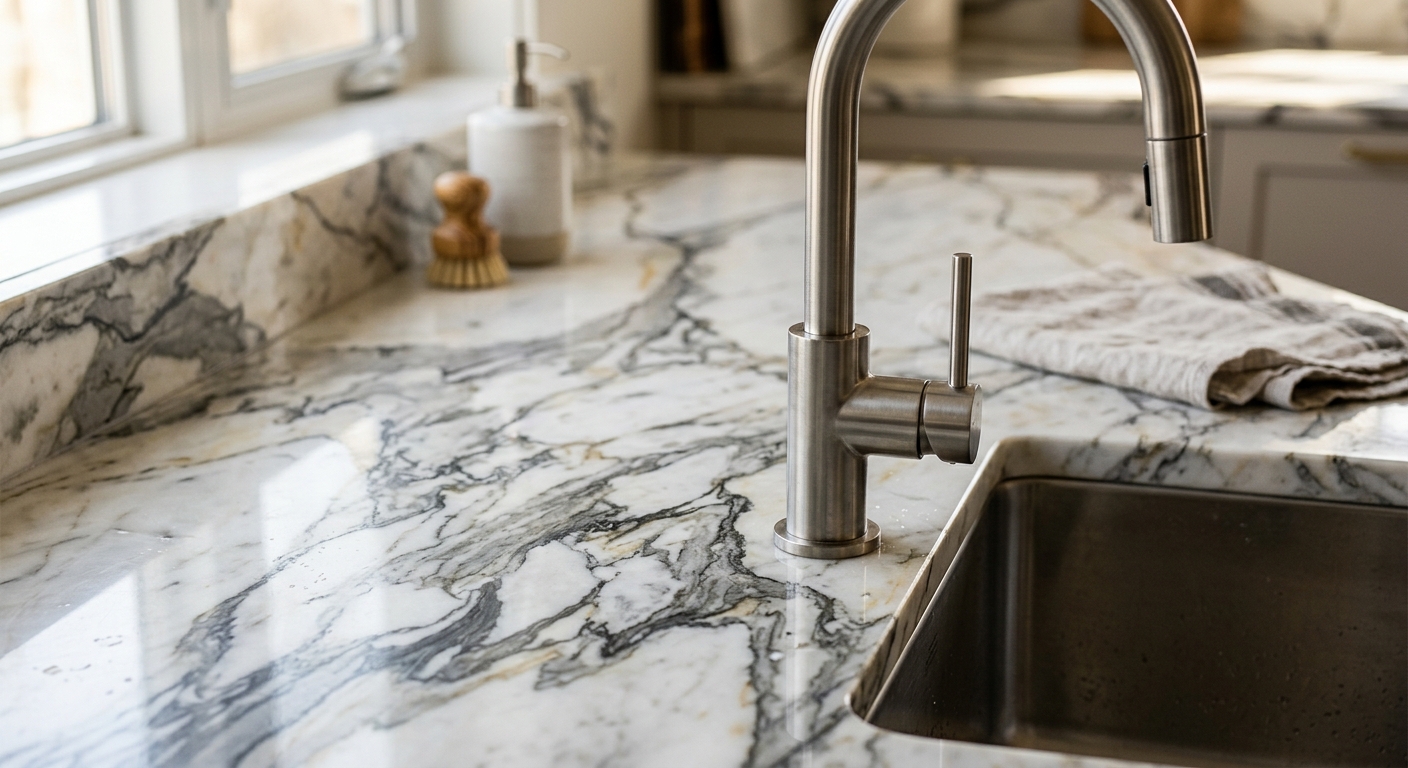
Natural stones, such as marble, granite, and quartzite, are staples in luxury finishes due to their timeless beauty and durability. Marble, with its elegant veining and range of colors, lends itself beautifully to countertops, floors, and even accent walls. However, it is essential to note that marble is prone to etching from acids and requires regular sealing. Granite, known for its robustness and variety, is an excellent choice for high-traffic surfaces, offering exceptional resistance to scratching and heat.
Engineered Surfaces
Engineered surfaces, particularly quartz and porcelain slabs, are becoming increasingly popular due to their durability and versatility. Quartz, a non-porous material, resists stains and is easy to maintain, making it ideal for various applications, including kitchens and bathrooms. Typically, quartz countertops in North America range in price from $50 to $125 per square foot installed, depending on the pattern and brand.
Porcelain surfaces, including sintered stones like Dekton and Neolith, offer exceptional design flexibility due to their large-format options and minimal seams. These surfaces are often favored for their durability and ease of care, with installed costs generally falling between $50 and $120 per square foot. However, both materials demand attention to edge care to maintain their pristine appearance.
Wood Finishes
Wood veneers and architectural wood panels introduce warmth and sophistication to interiors. Richly grained wood can be used for cabinetry, furniture, and paneling, adding a tactile quality to spaces. Sustainable sourcing is vital, and wood products certified by organizations such as PEFC and FSC are increasingly preferred as consumers become more mindful of their environmental impact. When choosing wood finishes, it’s essential to consider the climate and humidity of the region, as these factors can affect the wood’s performance over time.
Metals and Glass
Metals such as brass, bronze, and nickel are frequently incorporated into luxury finishes, providing a modern, industrial edge. These materials are commonly used for fixtures, cabinetry, and decorative accents. Glass, whether used for backsplashes or as architectural features, can create a sense of openness and lightness in a room. Both metals and glass add a touch of elegance and durability when selected and finished properly.
Premium Wall Coverings and Decorative Finishes
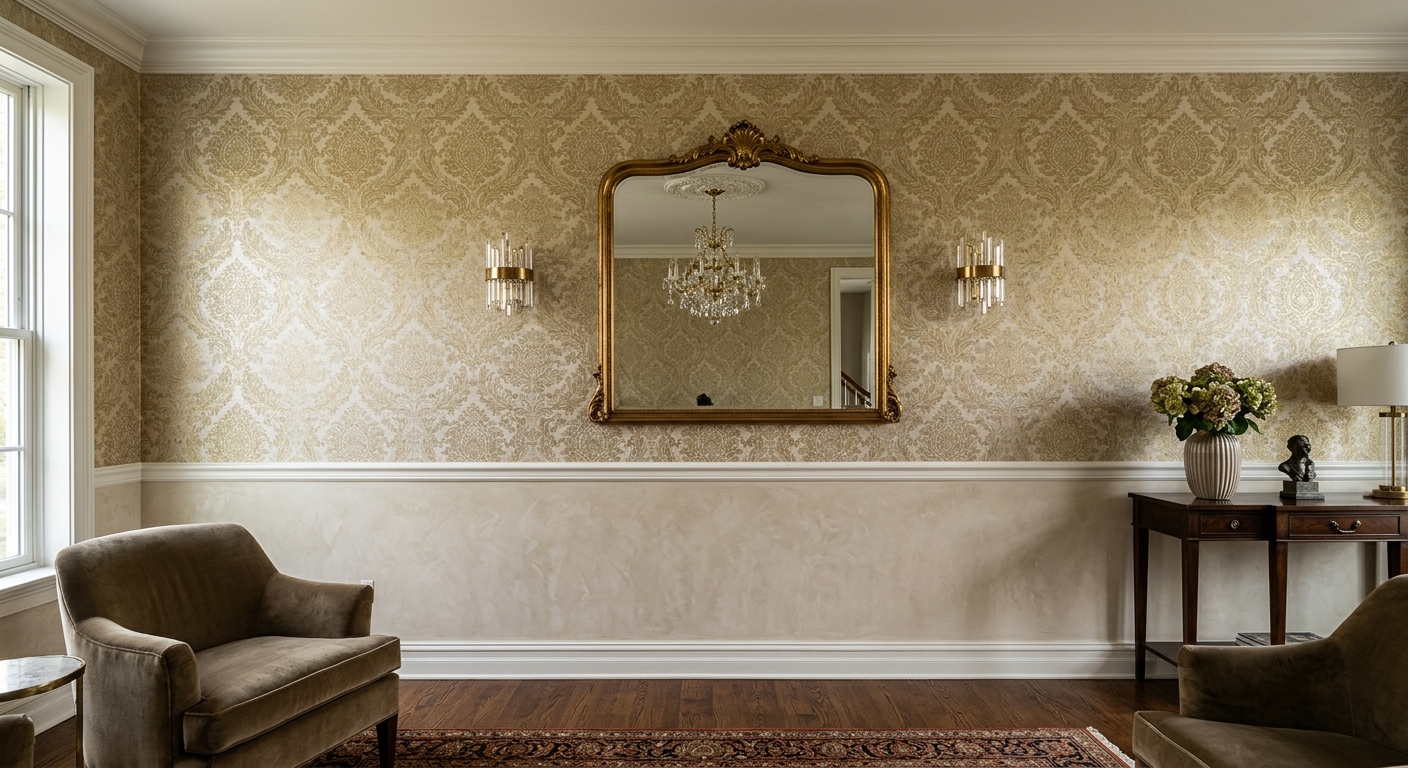
There is a growing trend toward utilizing high-end wall coverings, ranging from textured fabrics and grasscloth to vinyls and 3D panels. These finishes help create unique visual statements and can enhance the overall luxury of a space. Decorative plaster finishes can also be employed, allowing for various textures that can accentuate architectural details and design themes.
How to Choose the Right Luxury Finishes for Your Project
Selecting the appropriate luxury finishes for a project requires careful consideration of various factors, including budget, style preferences, and intended use of the space. While aesthetics are crucial, it is equally important to evaluate practical implications such as maintenance, durability, and the environmental impact of chosen materials. Here are some practical steps to guide homeowners and professionals in making informed selections.
Assess Your Budget
Budget is typically at the forefront of any renovation or construction project. Luxury finishes can vary significantly in price, with some natural stones, like marble, commanding high costs due to their rarity and the intricacies involved in their extraction and treatment. Understanding the full scope of expenses—including material costs, installation, and ongoing maintenance—will allow you to set realistic expectations about what can be achieved within your financial parameters.
Consider Functionality and Maintenance Requirements
The intended use of each space should inform your choice of finishes. For high-traffic areas in a home, consider materials that are resilient and easy to clean. For example, quartz countertops might be a preferred option for kitchens due to their non-porous surface and scratch resistance. Additionally, some luxury finishes require specialized maintenance routines. Understanding these needs beforehand will help in preserving the beauty and performance of the materials over time.
Align with Aesthetic Goals
Aesthetic considerations are vital when selecting luxury finishes. Consider the overall design theme you want to achieve with your space. Whether you’re aiming for a modern, minimalist look or a warm, rustic atmosphere, luxury finishes should complement the existing architectural features. It is beneficial to gather samples and visualize how different finishes will integrate within the space, providing a cohesive and harmonious environment.
Prioritize Sustainability
With an increasing emphasis on environmental responsibility, selecting sustainable materials is essential. Many modern consumers and designers prioritize eco-friendly finishes that meet sustainability standards. Look for certifications like LEED (Leadership in Energy and Environmental Design) or product transparency indications, such as Health Product Declarations (HPDs), to ensure the materials chosen adhere to health and environmental benefits.
Additionally, locally sourced materials often have a lower carbon footprint, reducing transportation emissions while also supporting local economies. Premium wall finishes and wood products certified for sustainability can enhance the luxury experience while contributing to a healthier home environment.
Maintenance and Sustainability Considerations
It is crucial to understand that while luxury finishes add to the aesthetics and value of a home, they also come with maintenance requirements that need to be factored into the overall project plan. Here, we delve into the specifics of maintaining various luxury finishes.
Natural Stone Care
Natural stones like marble and limestone often require specific care due to their susceptibility to stains and etching. Using pH-neutral cleaners is a best practice, as acidic substances can damage their finish. Regular sealing can protect the surface and enhance its longevity, but be mindful that this will incur additional upkeep costs over time.
Engineered Surfaces
Quartz and porcelain surfaces are generally easier to maintain. They are highly durable and resistant to staining, making regular cleaning straightforward. However, edge care is essential to prevent chipping, especially in high-traffic areas. Always follow the manufacturer’s care guidelines to maintain these surfaces adequately.
Wood Maintenance
Wood finishes require attention as well. Routine cleaning with gentle products can help preserve the finish and luster of veneers. It is important to avoid excessive moisture exposure, which can warp the material over time. As with other finishes, routine inspection and maintenance are essential to prolong the life of wood surfaces.
Sustainable Practices in Finish Selection
Incorporating sustainable practices is not only beneficial for the environment but also aligns closely with modern consumer sentiments. Utilizing materials that have undergone responsible sourcing processes, such as FSC-certified wood or low-emitting wall coverings, demonstrates a commitment to sustainability. Additionally, as homeowners increasingly advocate for transparency in material selection, having access to detailed product information becomes indispensable.
While luxury finishes can initially seem daunting, particularly with the considerations of cost and maintenance, they hold the potential to significantly elevate the quality and aesthetics of any space. By understanding the types of finishes available, aligning selections with budgetary constraints, maintenance needs, and sustainability practices, homeowners and builders can create an environment that is both luxurious and practical.
Conclusion
Luxury finishes are more than superficial embellishments; they represent a thoughtful integration of beauty, durability, and functionality. By navigating the various types of finishes, weighing cost and maintenance implications, and prioritizing sustainable selections, anyone can unlock the full potential of their interior spaces. Whether you are a homeowner considering a renovation or a professional working on a large project, understanding the fundamentals of luxury finishes will lead to better decision-making that stands the test of time. Ultimately, the right choices can result in spaces that are not only stunning but also reflective of a commitment to quality craftsmanship and responsible design.


No Comment! Be the first one.