

Effective Phasing Strategies for Large-Scale Housing Development
In an increasingly urbanized world, the demand for housing continues to rise. Cities across the globe are wrestling with the dual challenge of providing adequate housing while ensuring sustainable growth. One compelling approach to addressing this challenge is through the implementation of effective phasing strategies in large-scale housing development projects. This article presents a comprehensive examination of these strategies, highlighting their ability to create sustainable and vibrant communities. With insights grounded in real-world applications, we will explore different phasing models, their benefits, and best practices for integration into development plans.
Table Of Content
Understanding Phasing Strategies
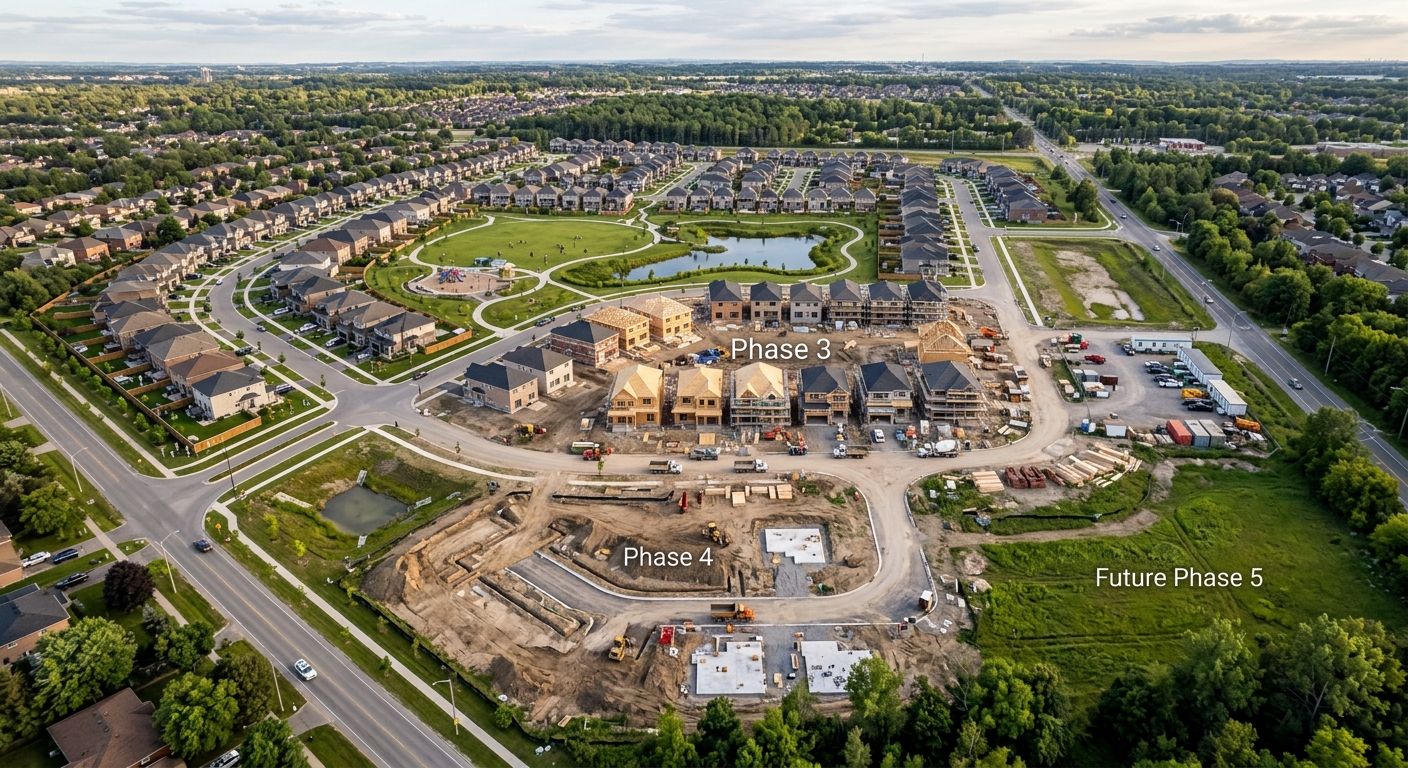
Phasing strategies refer to the process of segmenting a large-scale development project into smaller, more manageable components that are executed in distinct phases over time. This approach allows developers to strategically deploy resources, manage risks, and respond to changing market conditions. Rather than rushing to build a complete project all at once, phasing encourages a measured implementation that can adapt to community needs and infrastructure capacities.
The phases may vary in scope and timing, commonly ranging from initial site preparation and utility installation to the construction of residential units and community amenities. Each phase can be thoughtfully designed to enhance not just the development but the surrounding area, thereby fostering cohesion within the community and promoting a sense of place. The key elements in phasing include precise timelines, budgetary constraints, and responsiveness to stakeholder input, which blend to ensure that development aligns with local needs and urban planning goals.
Benefits of Phased Development
The advantages of phased development extend far beyond mere construction efficiency. They encompass numerous facets of urban growth and community integration.
Firstly, phasing allows for optimal use of financial resources, enabling developers to allocate funds based on immediate needs. This staggered investment reduces financial strain while also allowing for the reinvestment of revenues generated from initial phases into subsequent phases. Through this financial model, developers can maintain project momentum without overwhelming budgets at the outset.
Secondly, phased strategies facilitate community feedback and input throughout the development process. By approaching the project incrementally, stakeholders—including residents, local businesses, and policymakers—can provide feedback at various stages, enabling developers to refine their plans according to community sentiment. This inclusion builds trust and promotes greater community buy-in.
Moreover, phased development supports better urban planning. As each phase is completed, developers can analyze performance outcomes such as market absorption rates and infrastructure demand. The insights gathered enable them to adjust future phases, ensuring higher levels of success by aligning with real-time community needs and preferences.
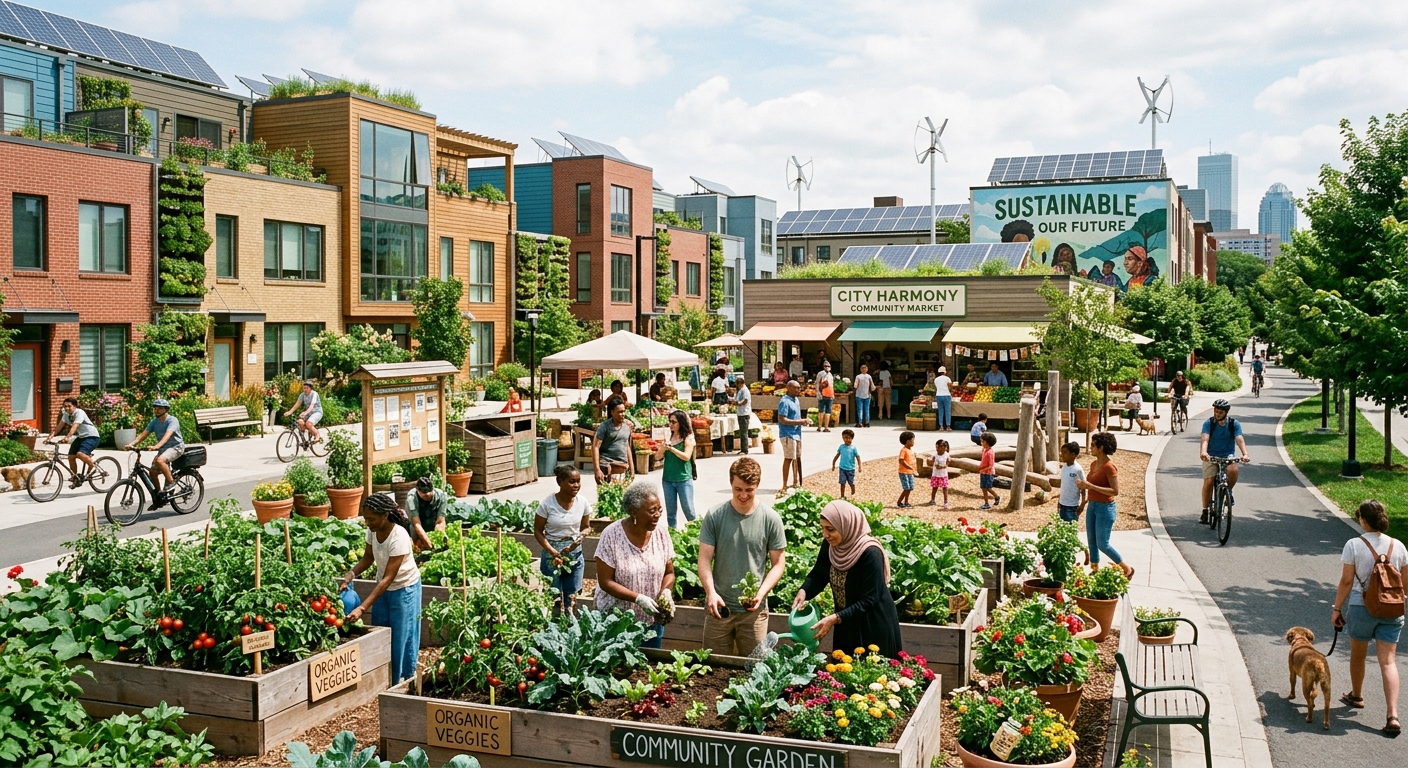
A further benefit lies in sustainability. With each phase, developers can implement green building practices and sustainable infrastructure—like transportation links, parks, and services—integrating these elements into the community fabric. Thus, phased strategies directly contribute to a more environmentally conscious development process.
Case Studies of Successful Phasing
Case Study 1: The Village at Broken Land
Located in Columbia, Maryland, The Village at Broken Land serves as a prime example of a successful phased development strategy. Originally envisioned as a multifaceted community, the development was executed in several distinct phases, allowing developers to adapt to market conditions and community feedback. The initial phase included the construction of mixed-use residential units and commercial spaces, followed by additional phases that incorporated essential amenities like retail areas, parks, and access to public transportation.
Resulting from the phased approach, The Village benefited from a flourishing community atmosphere and increased resident satisfaction. Feedback collected during the early phases informed adjustments in subsequent stages, maintaining engagement with stakeholders. Through careful planning and execution, the development is now seen as a model for community-oriented design in suburban areas.
Case Study 2: King’s Landing in Toronto
Toronto’s King’s Landing is another notable example of an effective phasing strategy in urban housing development. This large-scale residential project was divided into multiple phases to accommodate a mix of housing types, from affordable units to luxury condominiums. By implementing a phased approach, the developers could better manage the project’s logistical challenges while coordinating closely with city planners to ensure infrastructure upgrades aligned with each phase.
This alignment proved crucial as the city experienced rapid population growth. The phased strategy allowed King’s Landing to adapt dynamically, offering additional housing options as demand fluctuated. Furthermore, infrastructure improvements—such as public transit expansions and green space enhancements—were systematically integrated into each development phase to bolster accessibility and livability.
Best Practices for Implementing Phasing
Successful phasing is contingent upon thoughtful planning, strategic foresight, and continuous community engagement. Here are some best practices that contribute to effective phased development.
Firstly, conducting thorough market analysis prior to planning phases is imperative. Understanding demographic trends, infrastructure capacity, and community needs allows developers to tailor each phase to deliver optimal outcomes. This foundational research informs decisions on which types of housing to prioritize, as well as the necessary timeline for construction.
Moreover, collaborating closely with local stakeholders creates a foundation of trust and cooperation. Regular updates, public consultations, and open lines of communication encourage residents to feel part of the development process, strengthening community ties.
Additionally, establishing key performance indicators (KPIs) during the planning phase helps monitor success throughout the project. These metrics can include aspects such as sales rates, community satisfaction scores, and occupancy rates—all of which provide actionable insights to refine subsequent phases. Effective data analysis enables developers to pivot strategies where necessary, ensuring ongoing alignment with community growth.
Finally, investing in sustainable practices and infrastructure during each phase cannot be overstated. Components such as green spaces, efficient energy systems, and pedestrian-friendly pathways not only enhance the community but can also positively affect property values over the long-term. Each phase presents opportunities to integrate innovative solutions that contribute to an environmentally sustainable urban landscape.
Conclusion
Effective phasing strategies hold significant potential for transforming large-scale housing development into a mechanism for positive community growth. Through a combination of fiscal prudence, community engagement, and sustainable practices, developers can create vibrant, livable neighborhoods that resonate with residents and reflect the evolving urban landscape. The case studies outlined in this article offer compelling evidence of the tangible benefits that well-executed phasing can deliver, underscoring the relevance of this approach in today’s fast-paced world of urban development.
As cities continue to confront housing shortages and pressing infrastructure needs, phasing strategies will emerge as indispensable tools for fostering collaborative and resilient communities. As we look ahead, the holistic integration of these methods should inform urban policies and planning frameworks, steering our cities toward a more sustainable future.



No Comment! Be the first one.