



Embracing Digital Transactions in Real Estate: The Future of Buying and Selling Property
The real estate sector is undergoing a dramatic transformation, driven by technological advances that enable digital transactions. As we transition into a more digitally-focused world, understanding how these transactions work—and their implications for buyers and sellers—is essential. From securing a reliable digital signature to streamlining the closing process, digital transactions are not just conveniences; they are vital tools for enhancing security, efficiency, and ease of use in real estate dealings. This article will explore the rapid rise of digital transactions in North America, the benefits they offer, and the key trends shaping the future of real estate transactions.
Table Of Content
Understanding Digital Transactions
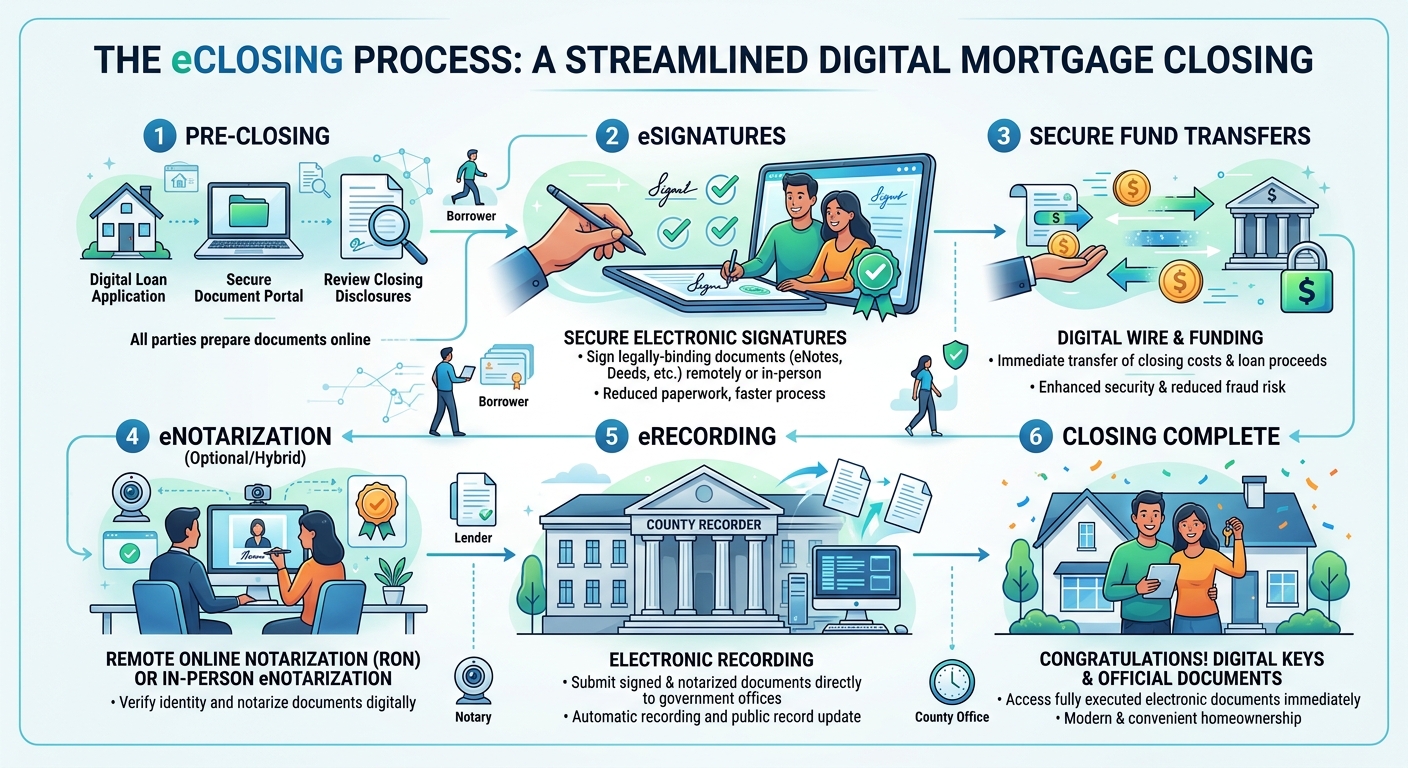
Digital transactions encompass a broad spectrum of technologies that facilitate the buying, selling, and management of real property. This comprehensive framework includes eSignatures, remote online notarization (RON), electronic notes (eNotes), electronic recording (eRecording), and secure funds transfer systems. Together, these components offer a streamlined and more secure alternative to traditional methods.
At the heart of digital transactions is the concept of electronic signatures—legally binding digital representations of a person’s intent to agree to the contents of a document. This technology has gained notable traction in real estate, enabling buyers and sellers to sign agreements from the comfort of their homes. In the United States, recent developments show that as of 2025, over 90% of mortgage lenders offer digital closing services. The efficiency gains from this leap into the digital age cannot be overstated, particularly when considering the convenience for consumers.
Remote Online Notarization further amplifies the ease of digital transactions. This innovative process allows notaries to witness signings electronically via secure video conferencing, removing geographic constraints and making notarization accessible to a wider audience. As many as 154,000 RON transactions occurred in 2024 alone, reflecting growing trust and utilization of this process among real estate professionals and everyday buyers alike.
Benefits of Digital Transactions in Real Estate
The benefits of digital transactions in real estate are numerous and far-reaching. One of the most significant advantages is the enhanced efficiency that digital tools provide throughout the buying and selling processes. Traditional real estate transactions are notorious for their lengthy timelines, often delayed by logistical challenges like gathering signatures or coordinating schedules. Digital transactions, on the other hand, condense these stages and help parties transact in real time.
Security is another crucial benefit of digital transactions. In an age where cyber threats loom large, measures are being developed to meet the challenges of fraud and identity theft. Secure online platforms often employ advanced authentication techniques, including two-factor authentication and identity verification protocols to ensure that all parties involved in a transaction can trust each other. In Canada, for example, the Electronic Land Registration System (ELRS) processes millions of registrations while maintaining stringent security standards.
Moreover, digitization enhances user experience by making the entire process more user-friendly. Everything from property listings to document signing can be done in a seamless, efficient online environment. Buyers and sellers can easily access information about properties, view relevant documents, and execute agreements—all without the need for physical paperwork or multiple in-person meetings.
Key Trends and Future Outlook
As we look to the future, a few key trends stand to shape the digital landscape of real estate transactions. One trend is the deeper integration of technology into the real estate ecosystem. As more lenders begin to adopt robust eClosing platforms, the once fragmented approach to digital transactions is evolving into a more cohesive system, where every step from marketing to closing can occur online.
Another important trend is the growth of eNotes and eRecording systems, which will redefine how real estate is transacted. In the U.S., eNotes allow a borrower to sign a mortgage deed electronically, while eRecording serves to facilitate the digital submission and processing of property documents. This not only accelerates the closing timeline but also reduces the occurrence of errors that can plague traditional paper-based methods.
The recognition of digital closing techniques cannot be overlooked. Both the U.S. and Canadian markets are witnessing legislative changes that support and standardize electronic transaction processes. In Ontario, the provincial government declared electronic signatures equivalent to handwritten ones in 2015, paving the way for expedited digital transactions that are now commonplace.
Looking further into the future, innovations like AI-assisted document preparation could streamline due diligence and enhance accuracy in transactions. Such advancements may significantly reduce the burden on buyers and sellers by automating aspects of the documentation process, allowing them to focus on making informed decisions rather than getting bogged down in paper shuffling.
Practical Tips for Engaging in Digital Transactions
For everyday buyers and sellers looking to harness the power of digital transactions, navigating this new realm can be both exciting and daunting. Understanding the risks and opportunities associated with digital transactions is crucial in making informed choices. Here are some practical tips for engaging in digital transactions effectively:
First and foremost, always ensure that you are using a reputable platform. The rise in digital transactions has unfortunately also opened the door to potential fraud. Verify that your chosen service provider uses the latest security measures to protect your data. Check for two-factor authentication and encrypted communications during transactions.
Additionally, familiarize yourself with the digital tools available for real estate transactions. Understanding how eSignatures and RON work can help reduce any stress while navigating the process. Many platforms offer educational resources, customer support, and answer common questions to assist users in adapting to digital transaction methods.
It’s also advisable to consult professionals who are adept at digital transactions. Whether you’re working with a real estate agent, attorney, or notary, ensure they have a strong understanding of digital practices to guide you aptly throughout the process.
Lastly, adopt a proactive approach towards security considering potential cyber threats. Regularly monitor your accounts and communications related to real estate transactions to spot any suspicious activities as they arise. Awareness will significantly contribute to your safety in this digital landscape.
Conclusion
The transformation of real estate transactions in the digital age is profound, enabling a more efficient, secure, and user-friendly process for buyers and sellers. As technology continues to evolve, those engaged in real estate can expect further innovations that will redefine the transaction landscape. With a better understanding of how digital transactions work—including their benefits, challenges, and the security measures in place—buyers and sellers can confidently navigate this new terrain. Digital transactions are more than just a trend; they are a pivotal evolution in the real estate industry that holds the promise of unprecedented convenience and enhanced user experience.




No Comment! Be the first one.