

Understanding Passive Cooling: A Practical Guide to Natural Climate Control
As our world grapples with rising temperatures and increasingly erratic weather patterns, the need for sustainable living solutions becomes ever more urgent. One such solution, often overlooked yet incredibly effective, is passive cooling. This design-first approach to achieving indoor comfort minimizes reliance on energy-intensive cooling systems like air conditioning, instead promoting strategies that align with a more environmentally conscious way of living. In this article, we will delve into the concept of passive cooling and explore practical strategies that anyone can implement to enhance indoor comfort while curbing energy use.
Table Of Content
What is Passive Cooling?
Passive cooling refers to a range of techniques and strategies that aim to maintain comfortable indoor temperatures without the aid of mechanical ventilation or air conditioning. At its core, passive cooling leverages natural processes—the movement of air, for instance, driven by wind and thermal differences—which regulate indoor temperatures. This method is particularly advantageous in climates that experience hot, dry summers. However, its application can extend to various environments, including humid regions, albeit with some limitations.
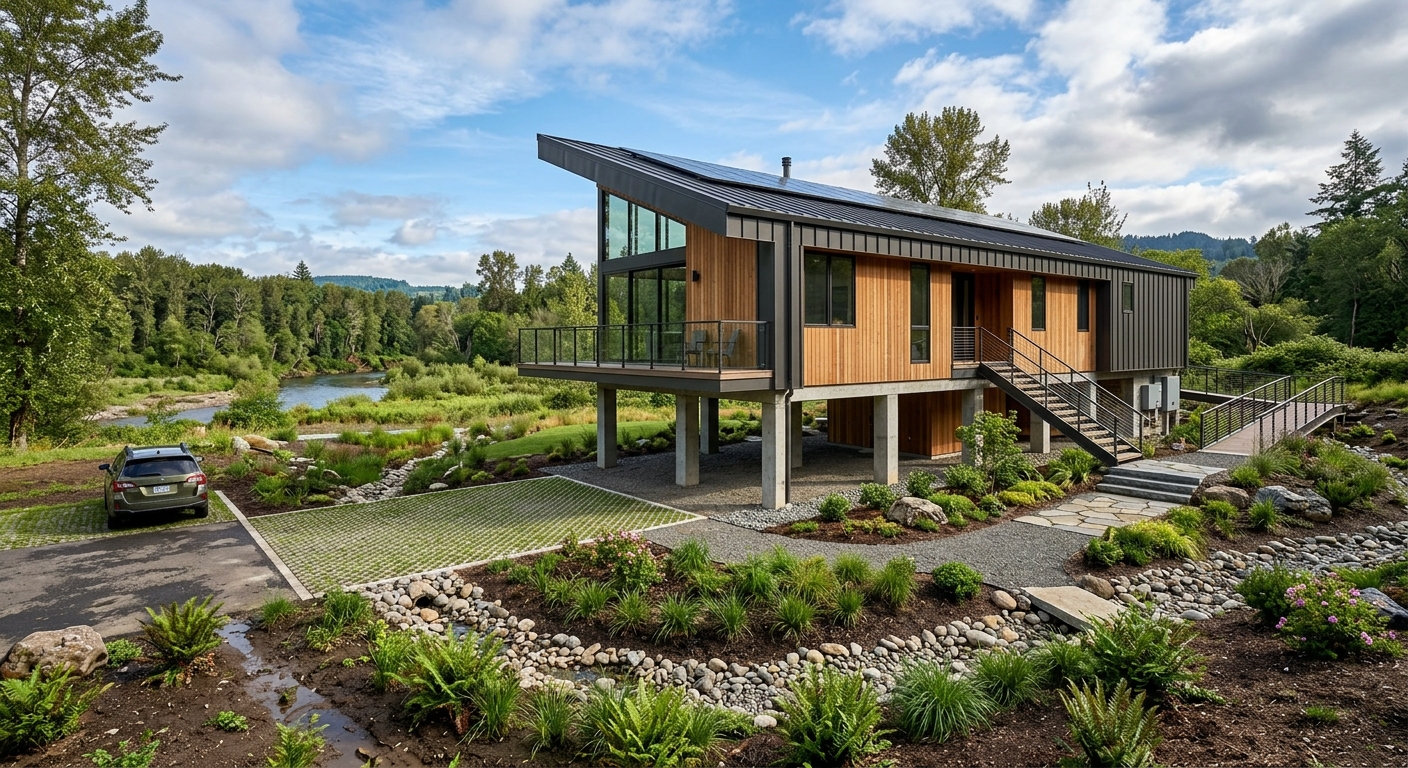
In North America, where climates fluctuate from dry and hot to humid and cool, the implementation of passive cooling can be diverse. Experts stress a blend of strategies that include careful fenestration, shading, cross-ventilation, and managing thermal mass to reduce cooling loads while ensuring comfort. By utilizing the building’s natural envelope alongside landscaping, homeowners can achieve a cooler indoor environment.
Key Strategies for Implementing Passive Cooling
To successfully implement passive cooling in your own home, consider these actionable strategies:
Strategic Window Placement
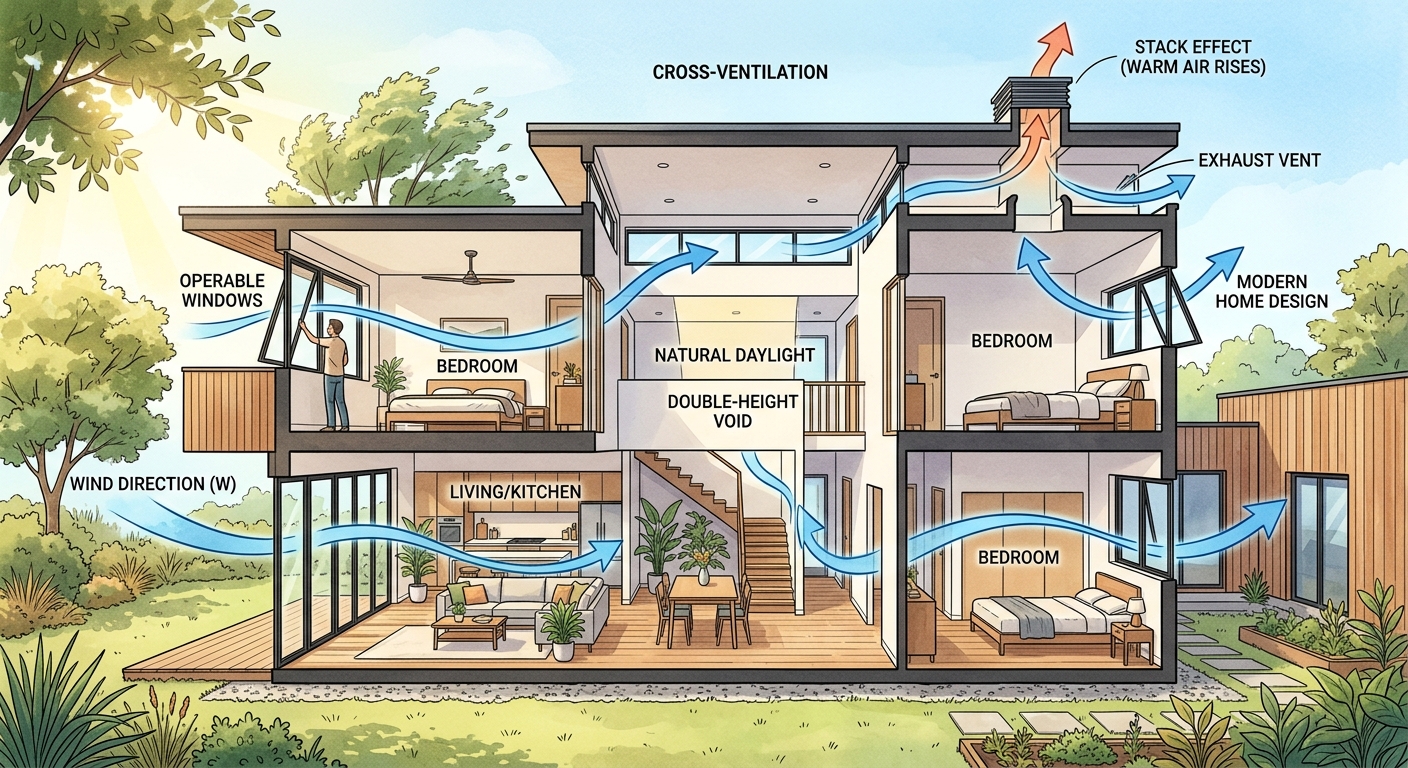
Where you place your windows can significantly affect your home’s ability to stay cool. Strategically positioned windows can enhance cross-ventilation, allowing cooler air to flow in and warm air to flow out. The concept of cross-ventilation relies on having operable windows on opposite sides of a room or space. This means that when the wind blows, a natural current is created, enhancing airflow throughout the home.
It is advisable to use shallow, open floor plans that support ventilation. Windows should be placed lower on walls to capture cool breezes coming in and higher up to let hot air escape. This configuration harnesses both the wind and stack effects to move air effectively.
Effective Shading Techniques
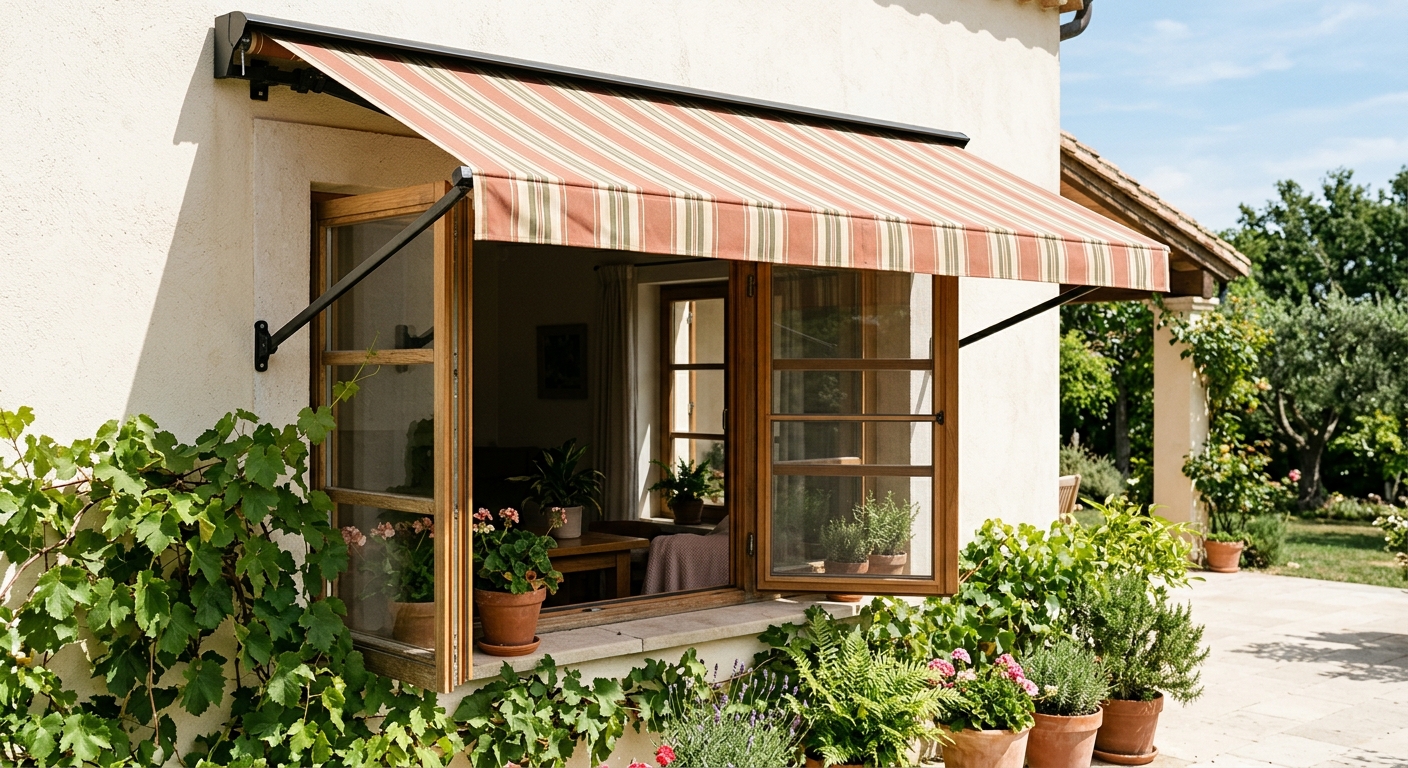
Shading is another pillar of passive cooling. By using shading devices, such as overhangs, awnings, and strategically planted trees, you can block direct sunlight from hitting your windows. This dramatically reduces solar heat gain. For optimal results, deep overhangs are recommended, especially on south- and east-facing facades, as they can prevent peak sun exposure while still allowing for winter sun to warm the space.
Notably, landscaping plays a vital role in shading. Planting deciduous trees on the south side of your home will provide shade during the hot summer months, yet allow sunlight to filter through their leaves and warm the home in winter when they shed their foliage.
Utilizing Thermal Mass
Thermal mass refers to materials that absorb and store heat, allowing them to regulate indoor temperatures effectively. For instance, materials like concrete, brick, and stone can absorb heat during the day and release it at night when temperatures drop. In homes with ample thermal mass, the temperature inside can remain more constant than in buildings with lighter, less heat-retaining materials. This principle is particularly useful in climates that experience significant diurnal temperature swings.
When designing for passive cooling, incorporating materials with high thermal mass can reduce the need for mechanical cooling systems, as they mitigate temperature fluctuations naturally. It is critical, however, to ensure that solar gains during hotter days are controlled, preventing the thermal mass from absorbing too much heat.
Promoting Natural Ventilation
Effective passive cooling relies heavily on promoting natural ventilation. This encompasses more than just window placement; it involves creating a flow path through the home. Cross-ventilation can be optimized by ensuring that windows and doors are adequately positioned and outfitted for easy operation. In modern air-tight homes, reliance solely on natural ventilation can pose challenges, especially in terms of maintaining acceptable indoor air quality (IAQ). Hence, while passive strategies are effective, they should be complemented by some form of mechanical ventilation to ensure a healthy indoor environment.
Benefits of Passive Cooling Beyond Energy Savings
While the foremost advantage of passive cooling is its ability to reduce energy consumption and lower utility bills, the benefits extend far beyond mere monetary savings. Implementing passive cooling strategies leads to improved indoor air quality, as natural ventilation systems help circulate fresh air and eliminate pollutants. Furthermore, this approach embodies the principles of sustainability, aligning with a growing emphasis on reducing one’s carbon footprint.
Passive cooling is inherently adaptable and tailored to specific climates and conducive to a range of architectural styles. As such, homeowners can effectively retrofit existing buildings or design new structures with these principles in mind. Additionally, passive cooling techniques often contribute to greater resident comfort. By utilizing natural phenomena rather than relying on mechanical systems, indoor environments can feel fresher and more inviting.
Moreover, as building standards evolve, many new residential structures are designed with passive cooling features embedded. Passive building standards (like PHIUS or Passive House) aim for substantial reductions in space-conditioning energy needs, targeting around 40% to 60% reductions compared to conventional construction.
Conclusion
Understanding and implementing passive cooling strategies is pivotal in creating a comfortable living environment that aligns with environmentally responsible practices. From strategic window placements to smart landscape designs, numerous pathways exist for homeowners to enhance their indoor spaces without heavily relying on mechanical cooling systems.
Ultimately, passive cooling transcends energy efficiency; it is about creating long-lasting, resilient homes that thrive naturally within their environments. As the world increasingly confronts climate change, it is essential that we adopt such practical, elegant solutions. By integrating passive cooling concepts into our daily choices, we can nurture not only our homes but also the planet we inhabit.


No Comment! Be the first one.