

Unlocking Wealth: Understanding Architectural Investments in Luxury Real Estate
In the realm of luxury real estate, architectural investments have emerged as a significant avenue for building wealth and ensuring financial stability. Distinctive designs, award-winning aesthetics, and the overarching influence of spatial quality create substantial opportunities for investors seeking long-term value. This article aims to demystify the importance of architectural investments, focusing on their appreciation potential over time, while also emphasizing critical market trends and strategies that discerning buyers can utilize to optimize their investments.
Table Of Content
Defining Architectural Investments: What Sets Them Apart
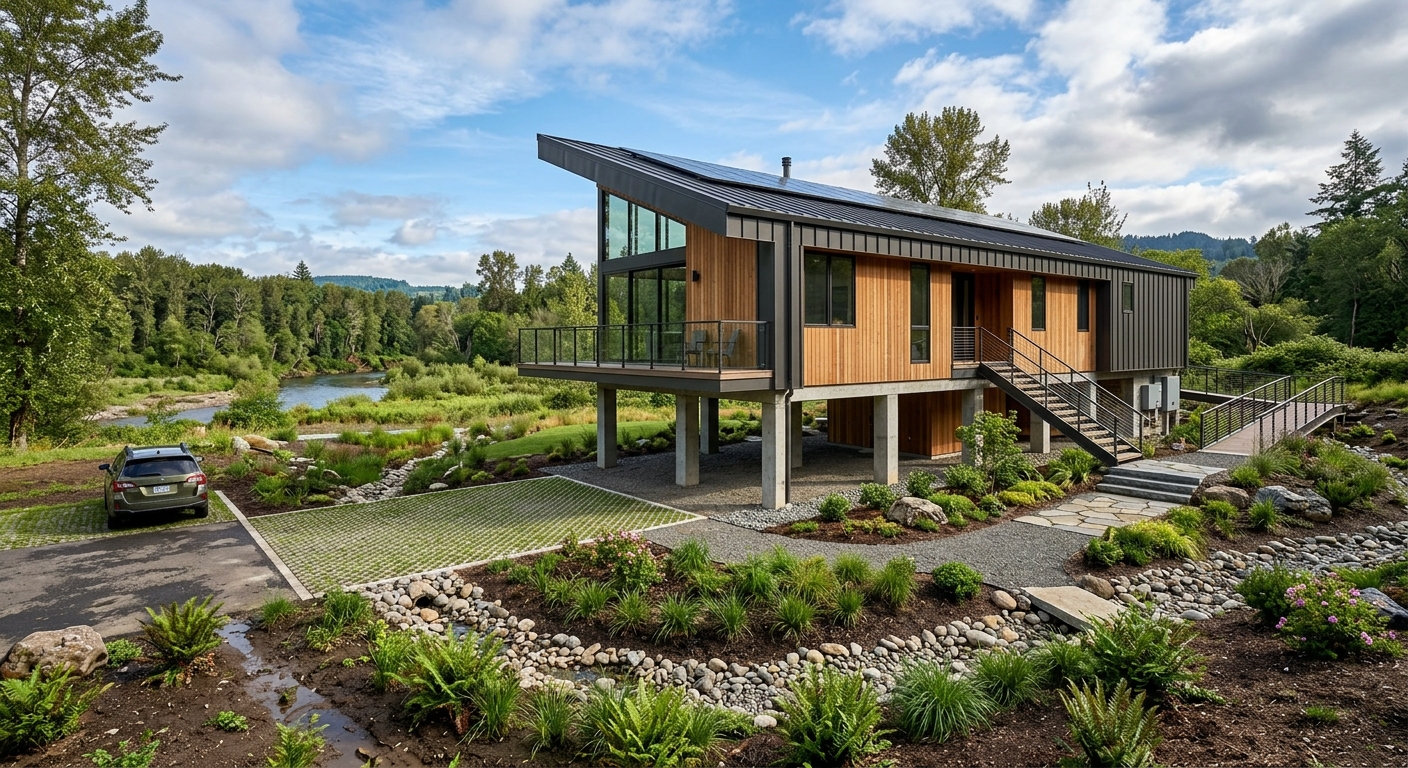
Architectural investments are properties that carry unique or exceptional design attributes, distinguishing them from standard luxury offerings. Such investments do not merely serve aesthetic purposes; they represent a strategic decision in real estate investment that prioritizes architectural identity as a core value driver. The strength of architectural investments lies in their ability to influence property prices and liquidity. When a property is constructed with exceptional architectural flair, it often commands a premium—one that goes beyond the metrics of conventional real estate assessments.
A critical aspect of architectural investments is their resilience against volatile market shifts. Studies indicate that properties laden with distinctive architecture can yield price premiums of around 15%. Furthermore, properties situated nearby these architecturally significant buildings often experience a spillover effect, enhancing their value by approximately 9%. This dual effect underscores architecture’s robust influence on property valuation and the broader real estate market.
Key Architectural Features That Increase Value
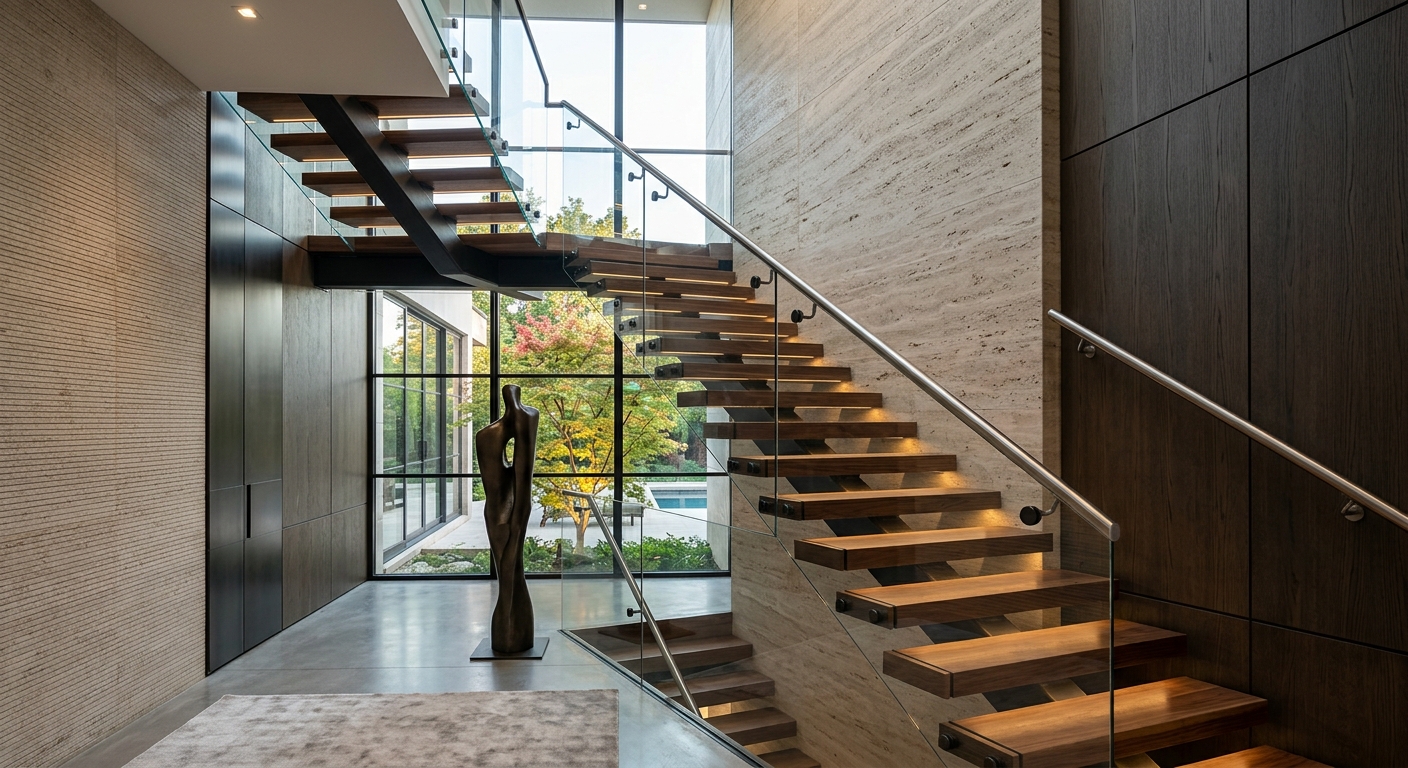
Identifying the right architectural features is essential for those looking to maximize their investment returns. Certain characteristics consistently emerge as value enhancers in the luxury segment of real estate. Unique architectural designs—such as clean lines, innovative materials, and organic forms—not only provide visual appeal but also imply a level of individual narrative and personality to the property. Buyers are increasingly willing to pay a premium for properties that reflect noteworthy architectural innovations.
Moreover, properties that have received architectural awards tend to show appreciation in value. According to research gleaned from industry analyses, properties awarded for their design excellence can see a value increase of approximately 5–7%. Recognition and prestige associated with these achievements bolster buyer confidence and can catalyze higher demand, especially during resale phases.
Branded residences also illustrate the increasing value of architectural investment. Properties tied to notable brands—whether luxury hotels or high-end lifestyle corporations—can command prices significantly higher than non-branded counterparts. This pricing influx can range between 20% to 35%, driven by buyer preference for seamless service, reliability, and the lifestyle associated with renowned brands. In competitive markets such as New York and Miami, the attraction for these branded residences reflects a broader consumer trend prioritizing lifestyle branding coupled with high-quality architecture.
Investment Strategies for Architectural Properties
To navigate the complexities of architectural investments effectively, potential investors must adopt strategic methodologies that align with market nuances. One primary strategy involves understanding the local market and conducting a comprehensive analysis of emerging neighborhoods. Market timing is crucial; identifying areas undergoing revitalization or attracting prestigious architectural projects can lead to significant returns in property values over time.
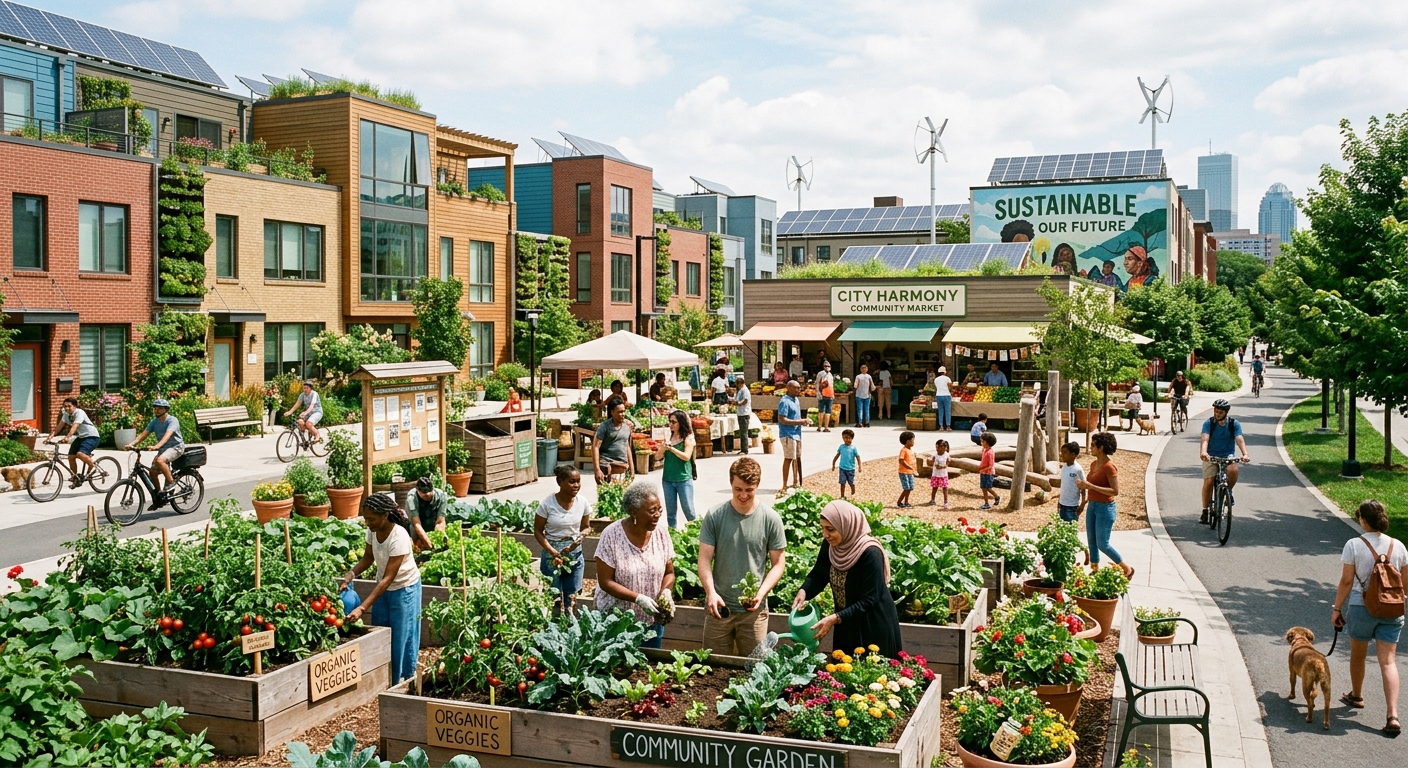
Another strategy lies in focusing on properties that align with contemporary buyer preferences. The demand for sustainable and environmentally sound designs has surged in recent years, making properties that incorporate energy-efficient features or adhere to green certification standards more appealing to buyers. Sustainable architecture not only reflects a commitment to ecological considerations but often translates into tangible financial benefits—properties boasting these qualities can enjoy faster liquidity and heightened market value.
Furthermore, a focus on long-term investment horizons can yield better returns. Architectural properties typically demand more time to appreciate fully, but their unique attributes often provide stability that shorter-term investments cannot. Investors should consider strategies that involve securing properties with strong rental demand, potentially creating additional income streams while the property’s value appreciates.
Market Trends: Why Invest in Architecture Now?
The current real estate landscape, especially in North America, demonstrates several favorable trends that underscore the viability of architectural investments. The luxury segment remains resilient, with selective price growth reported across several major markets, including Toronto, Vancouver, and key cities within the United States like New York and Miami. Despite normalization periods following post-pandemic activity, demand for high-end properties characterized by superior design and branding shows no signs of decline.
Luxury buyers are increasingly valuing not only aesthetics but also functionality and privacy. The desire for immediate move-in properties that offer quality amenities and branded services is driving purchasing decisions. Reports from leading real estate firms depict a shift toward properties that provide luxurious, ready-to-live environments, highlighting a growing trend towards the integration of lifestyle elements within architectural design.
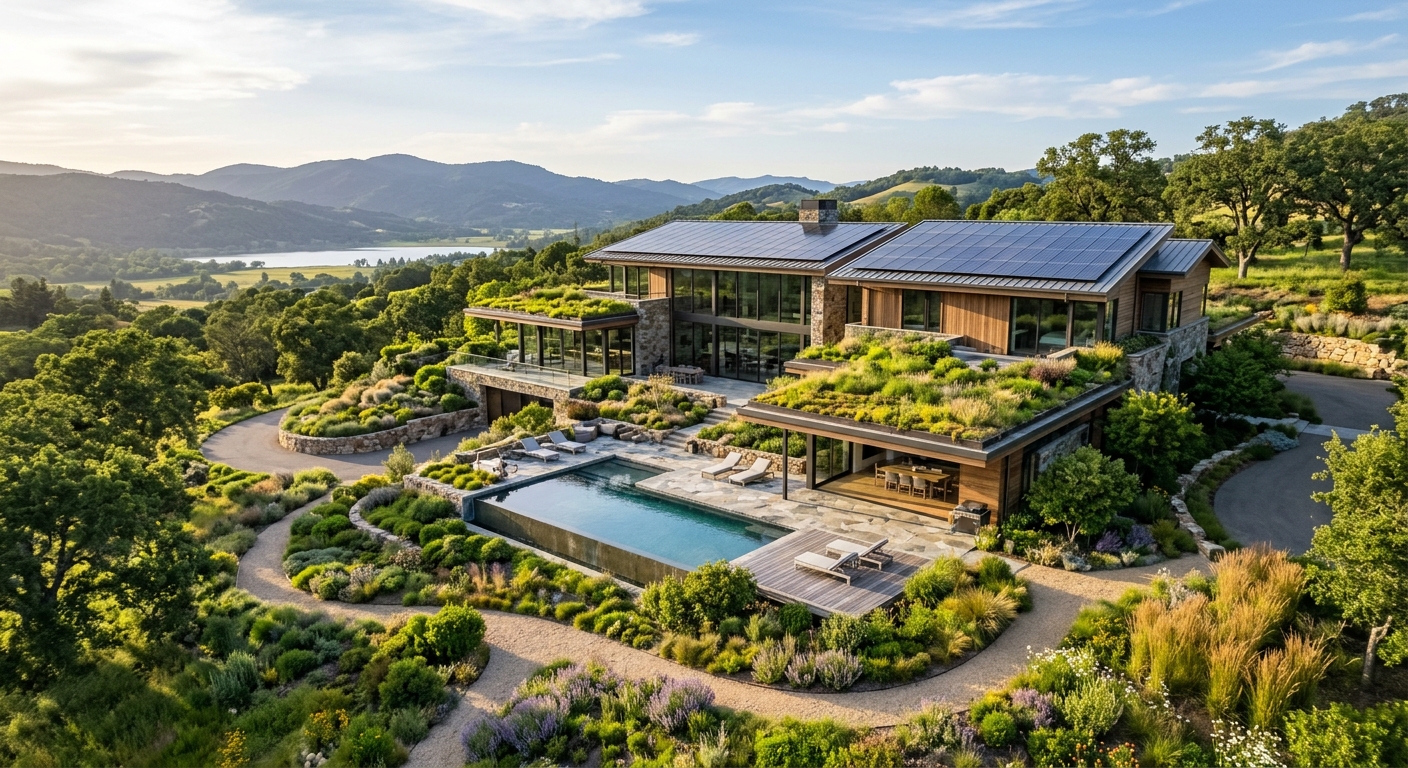
Moreover, the ongoing evolution of buyer preferences emphasizes the importance of distinctive design as a catalyst for value appreciation. As buyers increasingly prioritize exceptional design, properties that stand out in robust markets are likely to benefit immensely from the architectural investments. This trend is further bolstered by empirical findings that link high-quality architecture directly to significant sales price reductions, even after controlling for traditional determinants like size and location.
Conclusion
Architectural investments in luxury real estate represent a compelling opportunity for high-net-worth buyers and developers alike. The marriage of distinctive design with strategic location, brand identity, and sustainability credentials can create a formidable path toward long-term wealth appreciation. As the market continues to evolve, understanding the intricate relationship between architecture and value becomes essential for making informed investment decisions.
Investors should be mindful of evolving trends within luxury markets and align their strategies accordingly. By identifying properties with strong architectural identities and sustainable features, they can maximize their returns while contributing to a broader narrative of responsible and aesthetic excellence in real estate. Embracing this investment model not only helps to unlock wealth potential but also fosters a deeper appreciation for the notable craftsmanship behind luxury properties.


No Comment! Be the first one.