


A Beginner’s Guide to Curtain Wall Systems in Modern Construction
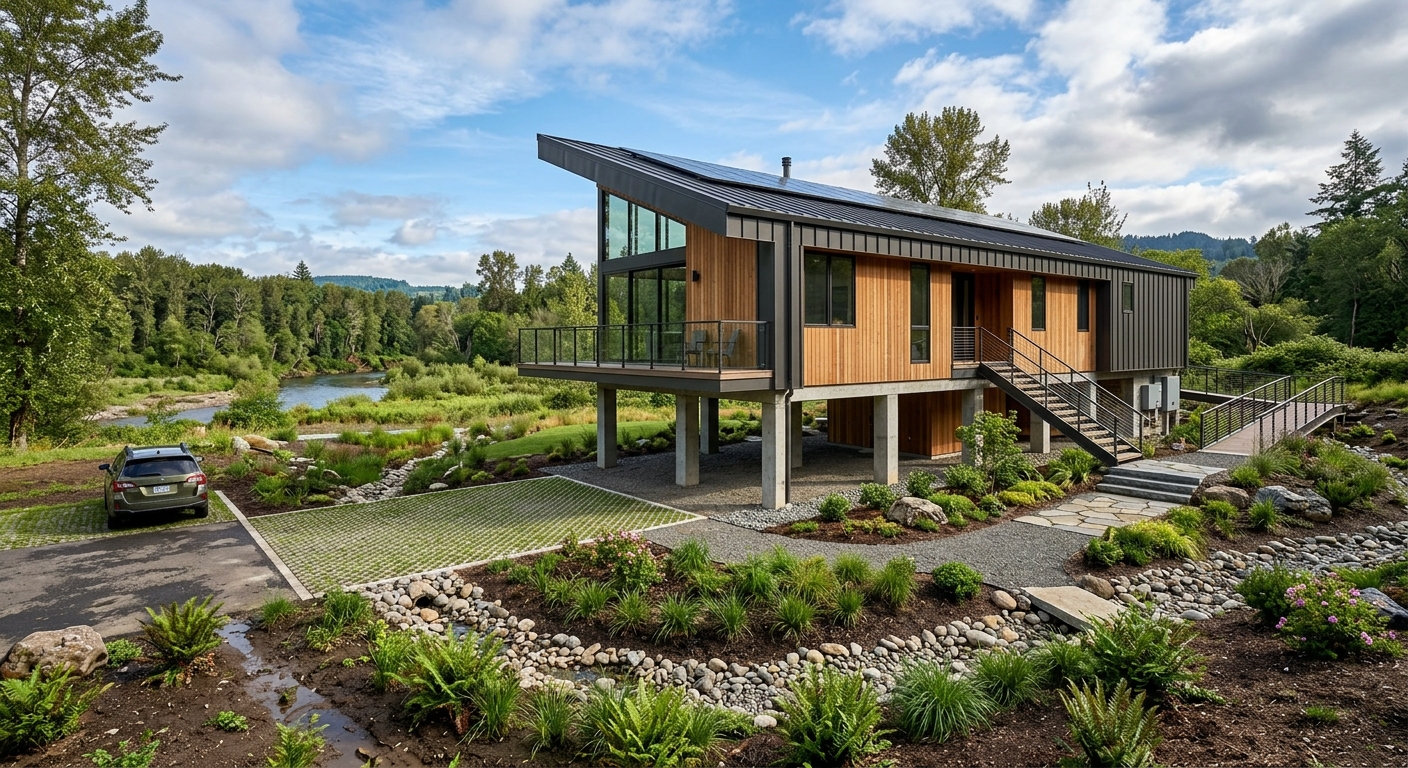
In contemporary architecture, the curtain wall system has emerged as a prominent feature that not only defines the exterior aesthetics of buildings but also enhances their performance. For homeowners contemplating renovations and professionals involved in building design and construction, understanding curtain wall systems is crucial. This guide will offer a comprehensive overview of curtain wall systems, focusing on their functions, benefits, installation processes, and essential maintenance considerations.
Table Of Content
What Are Curtain Wall Systems?
Curtain wall systems are non-structural exterior facades that are commonly used in commercial and residential buildings. They are designed to enclose buildings while not bearing the primary structural loads; that is, they do not carry the weight of the building above. Instead, they are engineered to withstand environmental forces such as wind pressures while allowing natural light to penetrate deep into interior spaces. Curtain walls achieve these functions through a combination of glass and metal framing, which works together to manage water drainage and resist air infiltration.
In North America and Canada, the performance standards for curtain walls are governed by the North American Fenestration Standard (NAFS). This framework is essential for ensuring that curtain walls meet specific energy performance criteria, as dictated by CSA A440.2 and CSA A440.3 standards in Canada, and the National Fenestration Rating Council (NFRC) ratings in the United States. It is important to emphasize that while curtain walls are typically non-structural cladding, they play a significant role in the overall structural integrity of a building by transferring wind and environmental loads to the main framework.
Advantages of Curtain Wall Systems in Building Design
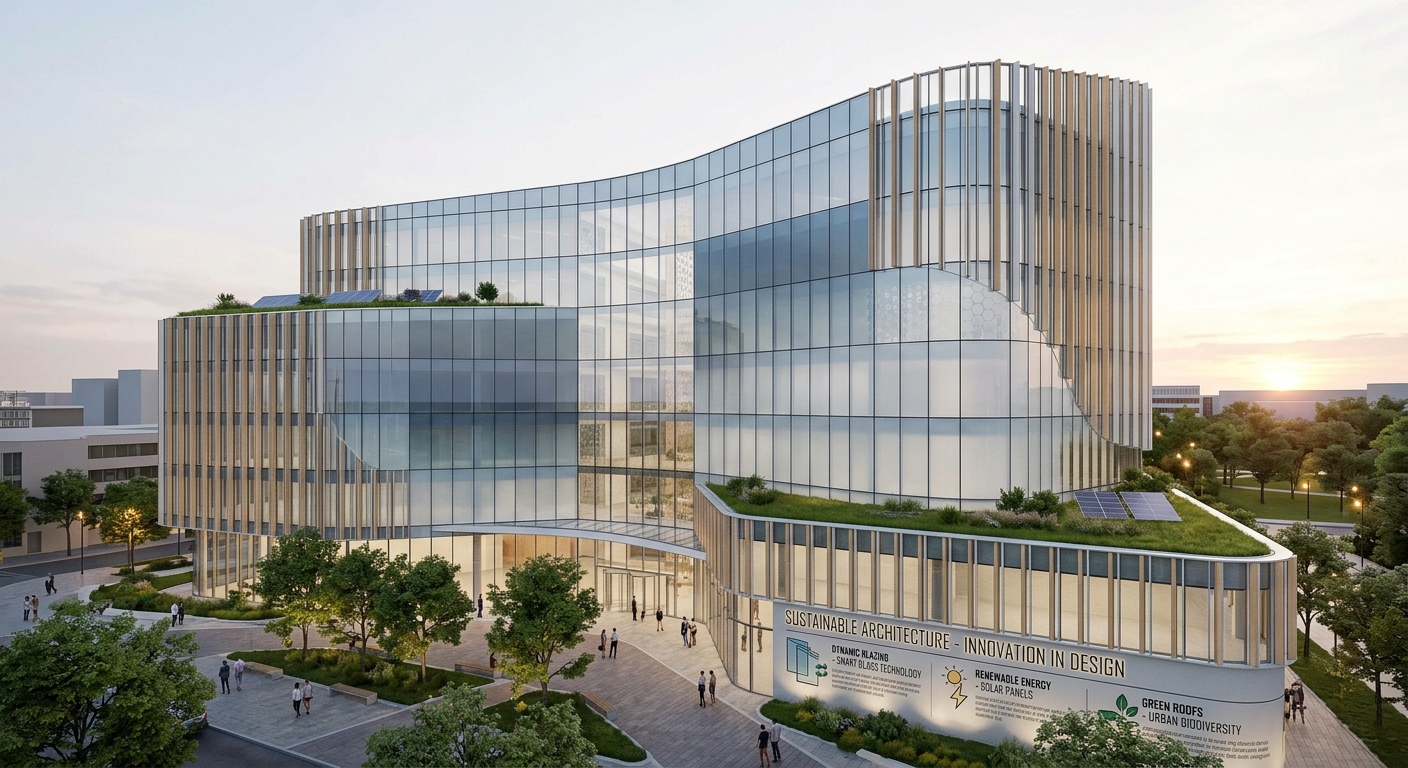
Implementing curtain wall systems comes with several remarkable benefits that enhance the functionality and visual appeal of modern buildings. One key advantage is their capacity to provide expansive daylighting. Large glass surfaces allow ample natural light into interior spaces, contributing to a vibrant, healthy environment for occupants. Additionally, these systems facilitate unobstructed views, allowing occupants to enjoy surrounding landscapes and urban environments.
Another advantage lies in architectural expression. Curtain walls offer designers the freedom to express creativity with various materials, finishes, and textures that enhance the overall aesthetics of a building. Furthermore, modern technology advancements have improved energy performance in curtain walls. With the introduction of thermally broken frames and energy-efficient glazing options, buildings can now achieve higher energy efficiency levels compared to traditional construction methods.
Most contemporary curtain wall systems utilize insulated glazing units (IGUs) equipped with low-emissivity (low-E) coatings, and some even offer triple-glazing configurations. These improved thermal performance features contribute to reducing heating and cooling costs over the lifespan of the building.
Key Considerations for Installation and Maintenance
When it comes to installing curtain wall systems, there are two primary methods: unitized and stick-built. Each method has its pros and cons, and understanding these will aid in making informed decisions regarding project execution.
Unitized curtain walls are prefabricated panels produced in a controlled factory environment before being shipped to the job site for installation. This approach has several advantages, including the potential for faster enclosure, higher weather-tightness, and better quality control since manufacturing occurs away from potential site disruptions. However, this method can come with higher upfront costs due to tooling and fabrication expenses.
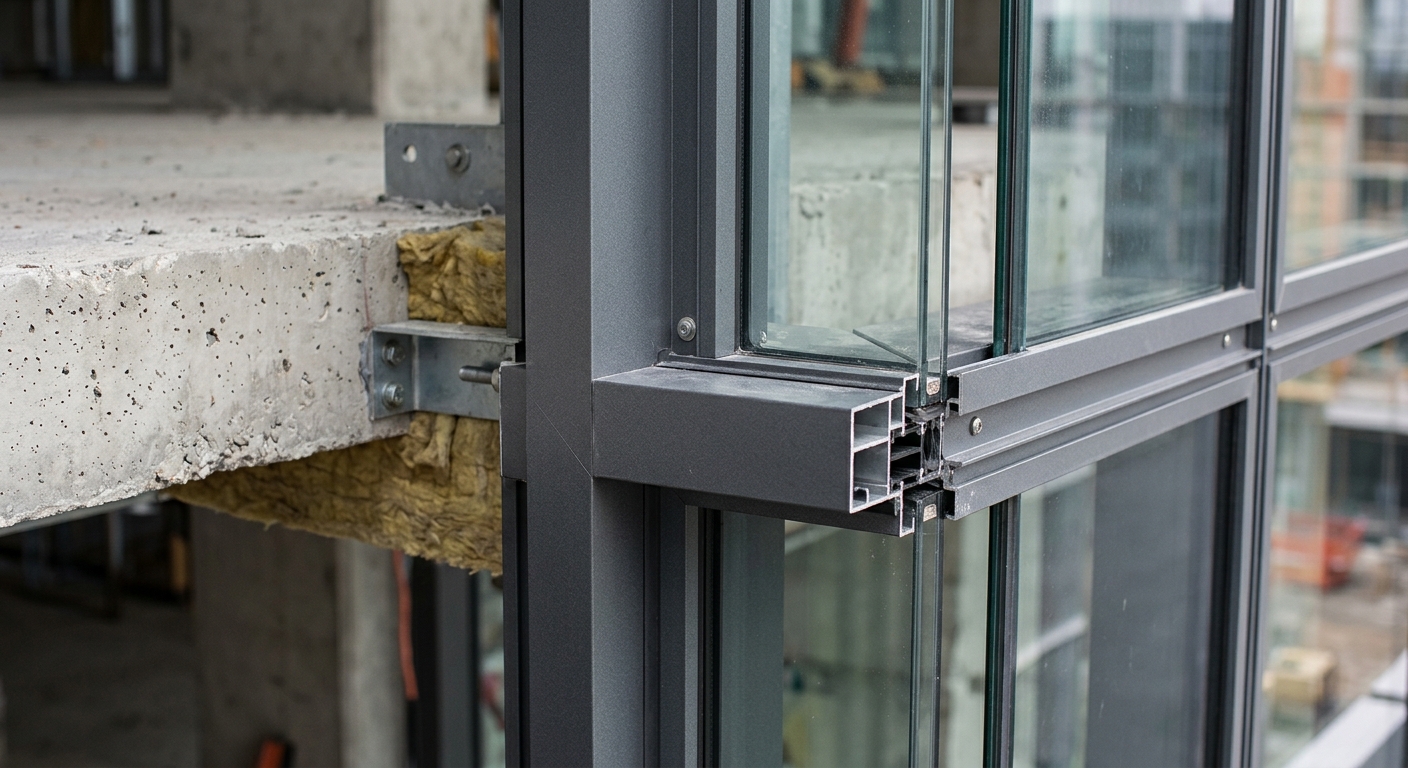
On the other hand, stick-built systems entail assembling the curtain wall piece by piece on-site. While this approach allows for greater flexibility regarding complex geometries or adjustments required on-site, it may lead to longer installation times and increased exposure to weather elements.
Regardless of the chosen method, it is vital to ensure that both unitized and stick-built curtain walls adhere to stringent air and water resistance standards. The AAMA 501.1 and AAMA 501.2 testing standards, along with ASTM E283 and E331 evaluations, are established benchmarks for assessing air and water performance. Additionally, compliance with energy performance targets outlined by the NFRC and CSA A440.2 is essential.
Maintenance of curtain walls is another key consideration that impacts their long-term performance. Routine maintenance measures should focus on the condition of perimeter sealants and gaskets. Typically, exterior sealant joints will require replacement every 15 to 20 years, depending on exposure to UV radiation and building movement. Regular inspections and proactive maintenance planning ensure that the curtain wall retains its aesthetic and functional qualities over decades.
Post-installation, water and air leakage tests as per AAMA 501.2 and ASTM E283/E331 are crucial for quality assurance. Many building jurisdictions mandate or acknowledge these tests for compliance with code and warranty validation.
Conclusion
In summary, curtain wall systems represent a pivotal aspect of modern construction that balances aesthetics, performance, and functionality. Their design allows for creative architectural expression while simultaneously meeting necessary performance and energy standards. For homeowners contemplating renovations, understanding the essence of curtain wall systems can aid in making informed decisions regarding upgrades and enhancements. Simultaneously, professionals in the construction field must remain abreast of emerging trends and technologies within curtain wall applications to ensure that they deliver projects that meet contemporary standards of quality and sustainability. With ongoing advancements in curtain wall technology, including energy-efficient glazing and integrated solutions, the future of building design is poised for exciting developments.


No Comment! Be the first one.