


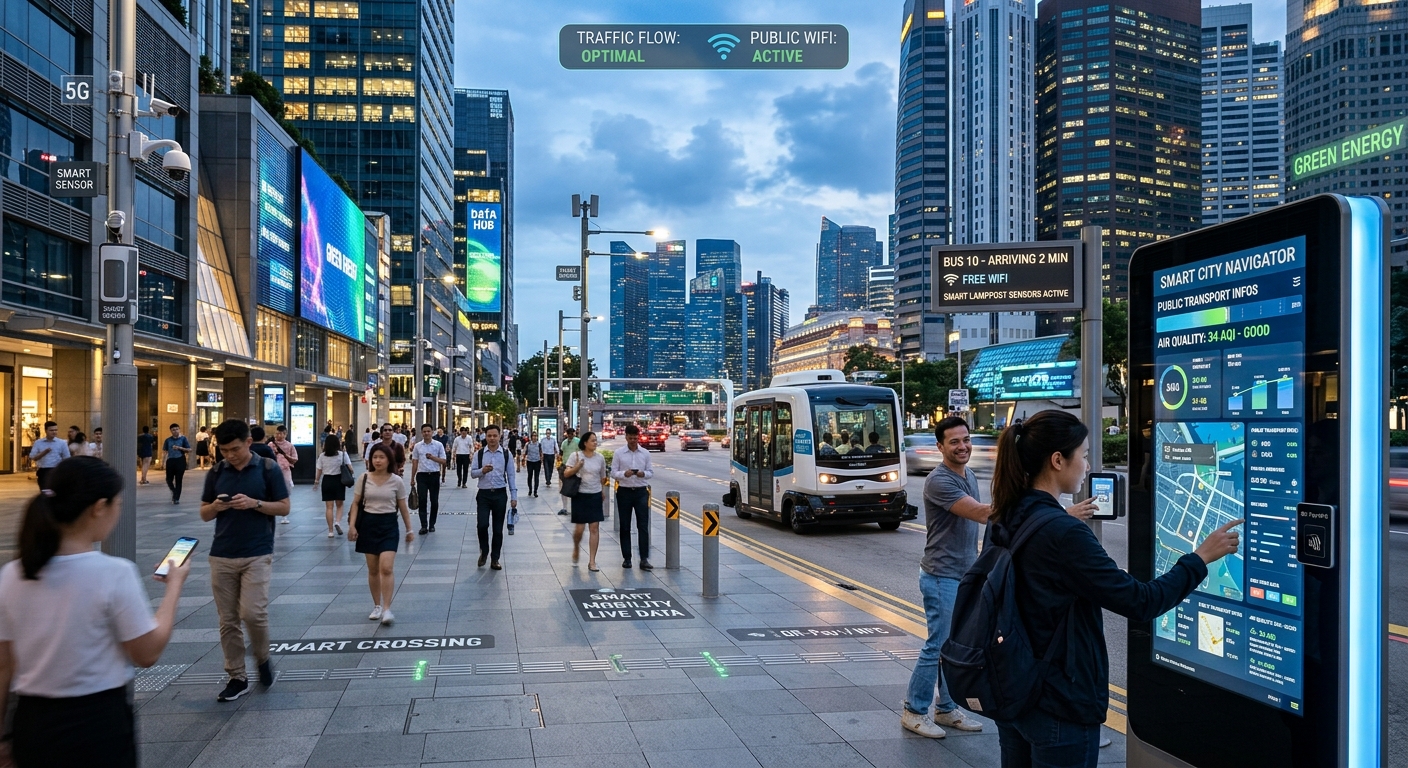
Understanding Smart City Analytics: Enhancing Urban Living with Data
In today’s rapidly evolving urban environments, cities face myriad challenges ranging from traffic congestion to environmental sustainability. The advent of smart city analytics provides urban planners and local governments with data-driven tools to enhance urban living significantly. By leveraging data collected from various sensors, open platforms, and digital technologies, cities can adapt to challenges efficiently, ensuring improved sustainability and quality of life for residents. This article will explore the realm of smart city analytics, elucidating its implications for urban planning and governance.
Table Of Content
What is Smart City Analytics?
Smart city analytics refers to the application of data analysis techniques to urban data that can enhance the way cities operate. At its core, this field intertwines various aspects of data collection, interpretation, and application aimed at improving essential city functions. By employing digital platforms that integrate data from numerous sources like transportation systems, energy grids, public health databases, and environmental sensors, smart city initiatives offer unprecedented insight into the urban ecosystem.
In addition to providing situational awareness, smart city analytics enables cities to predict future occurrences, understand the social and economic landscape, and test the potential outcomes of policy decisions. As cities across North America progressively embrace data-centric approaches, they are not only able to enhance resource management and operational efficiencies but also to foster community engagement and improve the democratic process of urban governance.
Types of Data and Technologies Used
The data that powers smart city analytics is vast and varied, originating from multiple sources to ensure comprehensive urban intelligence. Key types of data utilized in smart city initiatives include:
- Sensors and IoT Devices: These technologies collect real-time data on traffic patterns, weather conditions, waste management, air quality, and noise levels. For instance, traffic sensors can assess vehicular flow at intersections and determine optimal signal timings.
- Open Data Portals: Municipalities increasingly adopt open data initiatives that make city data publicly available. Residents and businesses can access datasets on building permits, health inspections, and public transport schedules, promoting transparency and data usability.
- Geospatial Data: Geographic Information Systems (GIS) create visual representations of data related to urban planning and resource allocation. This data helps delineate problem areas within city infrastructures.
- Citizen Participation Data: Engaging residents through surveys, feedback apps, and public forums help cities understand community needs, preferences, and concerns, allowing for more informed decision-making.
The technologies employed in smart city analytics encompass a wide range of tools aimed at analyzing and visualizing this data. Machine learning, artificial intelligence, and predictive analytics elevate the quality of interpretations that city officials can derive from raw data. For example, predictive analytics may forecast peak hours for public transport, enabling cities to allocate resources more effectively.
Benefits of Smart Analytics for Urban Planning
As cities adopt smart analytics, the benefits manifest across various dimensions of urban living. Enhanced sustainability, increased efficiency, and improved quality of life for residents are at the forefront of these advantages.
One of the most compelling advantages is the capacity for cities to become more sustainable. By monitoring environmental indicators and tracking energy consumption patterns, municipalities can identify ways to reduce waste and lower carbon emissions. A quintessential example is Montreal’s Smart City Pilot (MSCPS), where aggregated data from sensors allows officials to optimize parking usage. By offering insights on parking occupancy, it significantly enhances resource management and reduces instances of circling vehicles looking for parking, thereby decreasing emissions.

Moreover, smart city analytics fosters operational efficiency. Using data dashboards, city managers can monitor real-time key performance indicators (KPIs) related to public safety, waste collection, and emergency response times. By streamlining processes and addressing inefficiencies, cities can allocate resources that result in tangible improvements—such as minimizing response times for emergency services. The outcomes of these analyses often translate into better compliance with public safety regulations and enhanced citizen trust.
Quality of Life Enhancements
Quality of life for residents is another domain where smart analytics plays an instrumental role. Engaged participation through open data portals empowers citizens to impact strategic decisions in their communities, potentially shaping outcomes directly affecting their lives. For instance, Toronto’s Open Data initiative allows access to a myriad of datasets that support decision-making dashboards, which help civic leaders ensure resources are allocated to areas of high community need.
The development of smart mobility systems illustrates another key area where quality of life can be enhanced. Cities can analyze transportation patterns to improve public transit routes and enhance pedestrian infrastructure, ensuring urban residents benefit from improved connectivity and safety. Programs aimed at creating collision-free corridors or integrating autonomous vehicles represent innovative approaches to rethinking urban mobility and safety.
Challenges and Considerations
While the advantages of smart city analytics are compelling, the implementation of these technologies is not without challenges. Privacy concerns have emerged as one of the central issues surrounding data collection and use in urban environments. As cities gather vast amounts of data, the balance between leveraging this information for public good while also respecting individual privacy becomes critical.
The ethical handling of data is paramount, particularly when integrating citizen-generated data into analytics systems. Transparent governance frameworks are essential to ensure trust and accountability. As highlighted in various studies, including those from the IEEE Digital Privacy resource, cities must prioritize privacy-by-design efforts, which embed protective measures into data infrastructure from the outset.
Another challenge is the digital divide, where inequality in access to technology could exacerbate disparities in citizen engagement and the potential benefits of smart cities. Ensuring inclusivity in participation and feedback channels is essential for successful smart city initiatives.
Finally, the pace of technology deployment can pose challenges to municipal governance structures that may lack the agility to adapt quickly. The nascent nature of smart city technologies demands that public officials remain well-informed and prepared to respond to emerging trends while being responsive to community feedback and changing needs.
Conclusion
Smart city analytics represents a transformative approach to urban governance that leverages data to address the myriad challenges cities face today. By harnessing the power of data analytics combined with cutting-edge technologies, municipalities can achieve better sustainability, efficiency, and an enhanced quality of life for all residents. As seen in successful case studies across North America, cities like Montreal and Toronto illustrate the powerful impact of data-driven urban management. However, as the deployment of smart technologies becomes increasingly ubiquitous, cities must prioritize ethical considerations, responsive governance, and inclusivity in their approaches. The journey toward smarter cities is not just about data—it’s about crafting urban environments that truly reflect and serve the needs of their people.


No Comment! Be the first one.