
Understanding Regenerative Neighborhoods: Building Sustainable Communities for the Future
As we witness the rapid transformation of cities due to urbanization, population growth, and climate change, the need for sustainable solutions has never been more pressing. Regenerative neighborhoods emerge as a holistic answer, focusing not just on maintaining but actively enhancing the ecosystems within our urban spaces. This article explores what regenerative neighborhoods are, the principles guiding their development, inspiring examples, and practical steps individuals can take to foster such communities.
Table Of Content
- Definition of Regenerative Neighborhoods
- Key Principles of Regeneration in Urban Design
- 1. Place-Based Learning
- 2. Adaptive Governance
- 3. Biomimicry
- 4. Long-Term Resilience
- Case Studies of Successful Regenerative Neighborhoods
- Dockside Green, Victoria, BC
- SOMO Village, California
- Technopole Angus, Montreal
- Wesbrook Place, University of British Columbia, Vancouver
- Practical Steps for Your Community
- 1. Educate Yourself and Others
- 2. Form Alliances
- 3. Participate in Local Planning
- 4. Support Local Initiatives
- 5. Advocate for Green Infrastructure
- Conclusion
Definition of Regenerative Neighborhoods
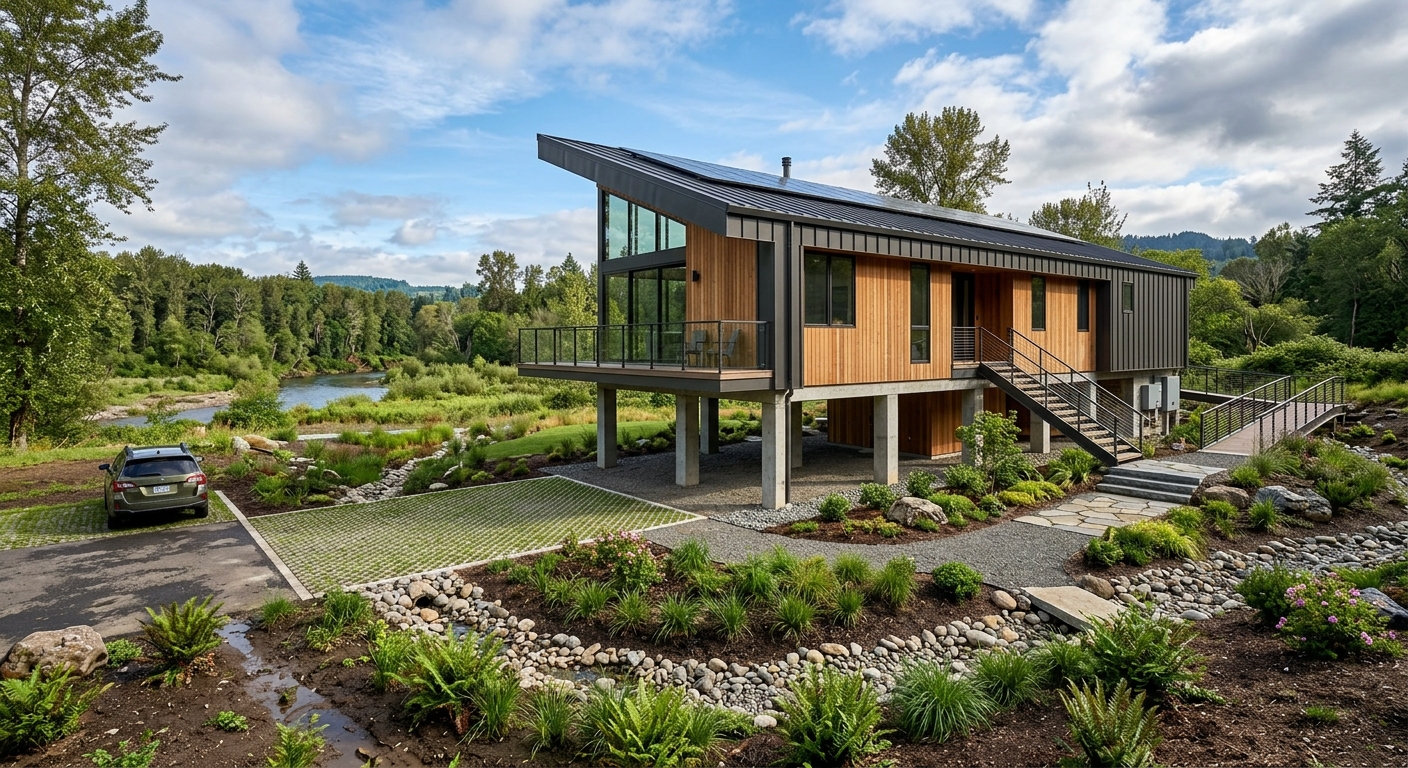
The concept of regenerative neighborhoods transcends traditional notions of sustainability. Where sustainability aims to reduce harm and preserve current systems, regeneration seeks to actively restore and enhance living networks. In a regenerative neighborhood, the core idea revolves around cultivating environments where ecological, social, and economic functions work in harmony.
In essence, regenerating neighborhoods create systems with positive feedback loops. Waste is transformed into nourishment for natural ecosystems, resources are reused in closed loops, and communities evolve hand-in-hand with their local landscapes. This shift represents a new way of thinking about urban living—a vision where cities not only minimize their environmental impact but contribute to the health of the planet and the well-being of their residents.
Key Principles of Regeneration in Urban Design
At the heart of regenerative neighborhoods lie several fundamental principles. These principles guide the design and implementation of urban spaces that not only exist but thrive. Let’s explore these core ideas:
1. Place-Based Learning
Understanding local context is crucial. This principle involves engaging with the unique ecological, cultural, and social characteristics of a place, allowing for tailored solutions that resonate with the community’s identity. It encourages collaboration among residents, local businesses, and governmental organizations to co-create spaces that reflect their values and needs.
2. Adaptive Governance
Regenerative neighborhoods thrive on governance structures that are flexible and responsive. Such governance involves empowering communities through participatory processes, enabling individuals to take an active role in decision-making. This adaptability fosters resilience, ensuring that neighborhoods can respond effectively to changing circumstances, such as economic shifts or environmental challenges.
3. Biomimicry
This principle draws inspiration from nature’s models, systems, and processes. By observing how natural ecosystems function—how energy and water cycles are managed, for example—urban planners can design neighborhoods that replicate these efficiencies. Biomimicry drives innovations in design and construction, resulting in buildings and infrastructures that work in harmony with their surroundings.
4. Long-Term Resilience
Regenerative neighborhoods aim for a lasting impact, prioritizing strategies that encourage durability and adaptability over time. This includes integrating sustainable practices into daily life such as energy generation, water conservation, and waste management, alongside social aspects that bolster community cohesion.
Case Studies of Successful Regenerative Neighborhoods
To understand how regenerative neighborhoods can be implemented in practice, we can look at several successful examples around North America.
Dockside Green, Victoria, BC
Dockside Green is a shining example of a regenerative community that has implemented numerous sustainable practices at scale. This neighborhood achieved LEED for Neighborhood Development Platinum certification, a recognition of its commitment to environmental excellence. Central to Dockside Green is a biomass gasification plant that converts waste into energy, paired with on-site wastewater treatment systems that conserve valuable resources and promote circular living. The design targets a 65% reduction in water use, demonstrating a concrete commitment to sustainable resource management.
SOMO Village, California
North America’s first One Planet Community, SOMO Village in California has set a precedent for community-scale regenerative action. With over 16,000 solar panels powering much of the campus, this neighborhood showcases the possibilities of renewable energy integration. Significant water savings of approximately 44% reflect its commitment to responsible consumption. The application of LEED-ND Platinum standards is a testament to the neighborhood’s sustainable design principles, and it serves as a crucial template for similar projects seeking to incorporate regenerative ideals.
Technopole Angus, Montreal
This innovative project illustrates the redevelopment of urban brownfields through a social-economy-led approach, resulting in 13 eco-buildings and creating over 2,500 jobs. Technopole Angus emphasizes community engagement, focusing on local enterprises and building partnerships that have measurable economic returns. By prioritizing the social aspect of regeneration, it demonstrates how revitalized spaces can uplift entire communities.
Wesbrook Place, University of British Columbia, Vancouver
Wesbrook Place combines thoughtful planning with livability indicators showing strong results. The neighborhood’s density, land-use mix, walkability, and transit access create a connected community set against preserved green buffers. By implementing regenerative principles in a university-adjacent area, Wesbrook Place serves as an exemplary case for integrating sustainable practices into everyday urban living.
Practical Steps for Your Community
Engaging individual community members is essential in transforming neighborhoods into regenerative spaces. Here are actionable steps you can take to advocate for and participate in the development of regenerative neighborhoods:
1. Educate Yourself and Others
Begin by educating yourself about the principles of regenerative neighborhoods. Understanding the necessity for sustainable practices and regenerative thinking enables you to share knowledge with your community. Organize workshops, community discussions, or social media campaigns to raise awareness about the impact individuals can have on their environment and the benefits of regenerative designs.
2. Form Alliances
Search for like-minded individuals within your community to form alliances or groups focused on sustainability. By coming together, you can pool resources and create a stronger voice to advocate for policies and projects fostering regenerative practices. Collaborations with local businesses, schools, and non-profits can amplify your efforts and ensure diverse perspectives are considered.
3. Participate in Local Planning
Engagement in local governance allows individuals to influence decisions that impact their communities. Attend city council meetings, participate in public forums, and join planning workshops to share your insights about the potential for regeneration in urban design. Your input can help shape the vision for future developments, ensuring they align with principles of sustainability and social equity.
4. Support Local Initiatives
Show your support for local initiatives aimed at sustainability. This can include attending community clean-up days, supporting local farmers’ markets, or participating in local conservation efforts. By actively contributing to existing projects, you demonstrate the importance of regenerative practices and inspire others to do the same.
5. Advocate for Green Infrastructure
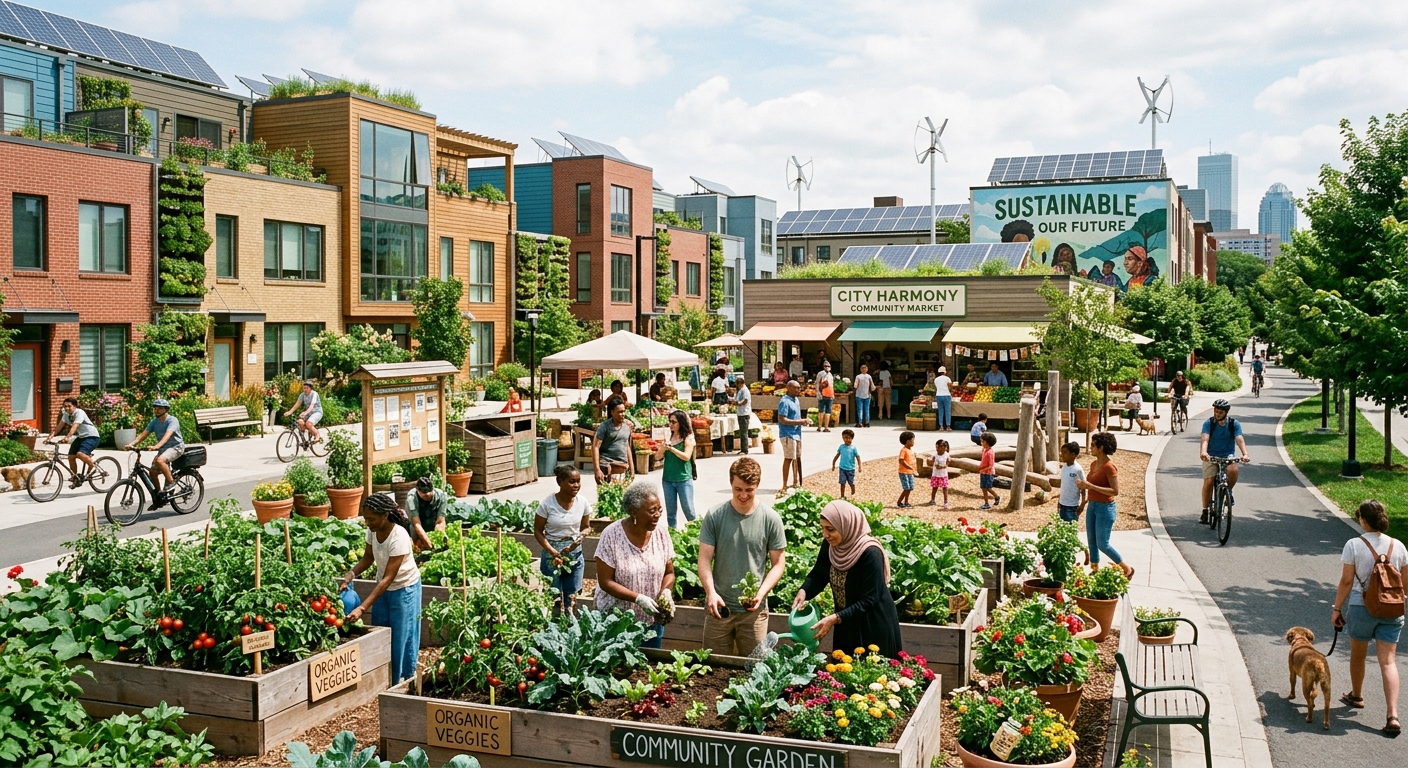
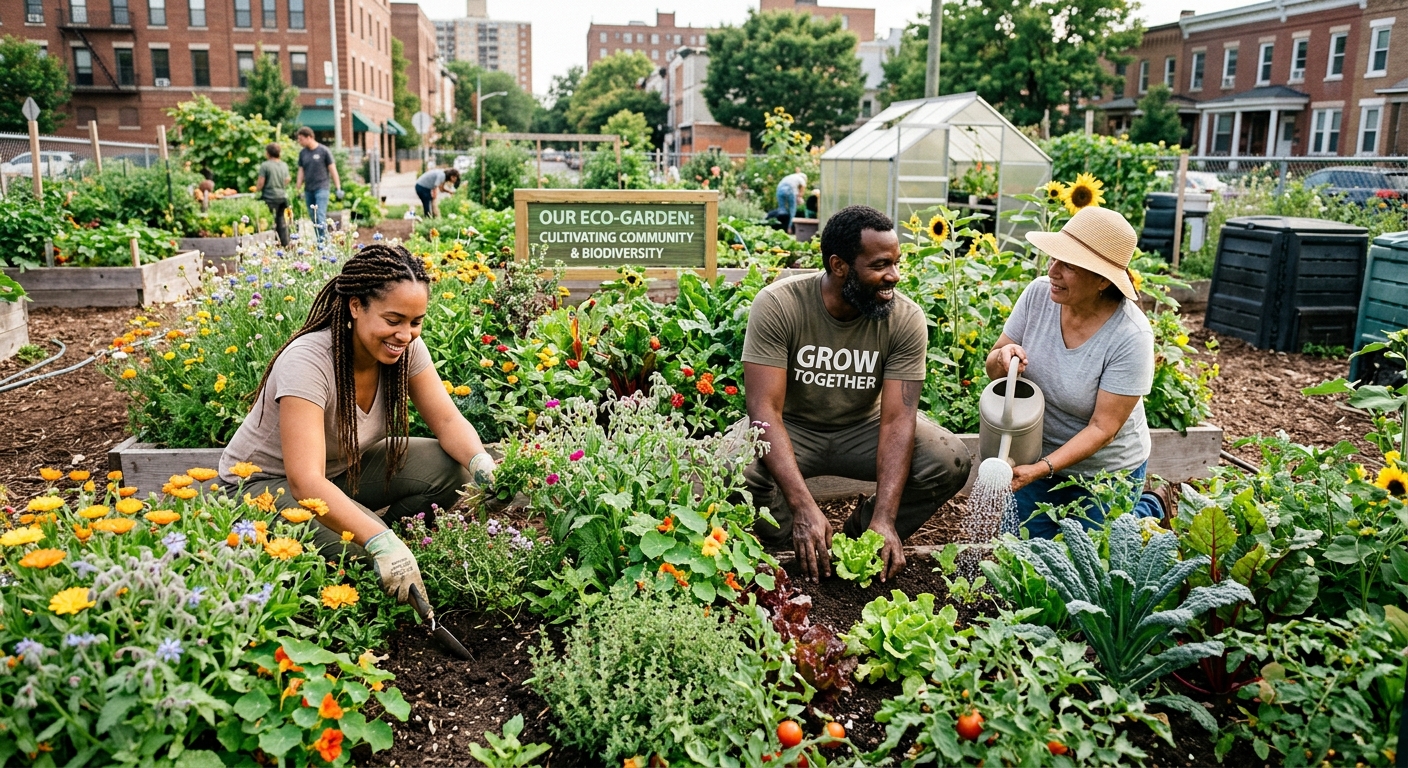
Push for the inclusion of green infrastructure, such as community gardens, rainwater harvesting systems, and green roofs, in your neighborhood. Collaborate with urban planners to identify areas where these features can be integrated, highlighting their ecological, social, and economic benefits to decision-makers.
Conclusion
Regenerative neighborhoods represent a hopeful vision for our urban futures, encouraging individuals and communities to actively participate in creating more vibrant and sustainable living environments. By understanding the principles of regeneration, learning from successful case studies, and taking practical actions within our communities, each of us can contribute to this transformative movement. Let us strive to co-create neighborhoods that not only sustain but regenerate, enabling future generations to thrive in harmony with the ecosystems they inhabit.

No Comment! Be the first one.