
Exploring Glass Finishes: The Elegance of Transparency in Interior Design
In the realm of interior design, few materials encapsulate the exquisite interplay between beauty and practicality as effectively as glass finishes. These transparent surfaces not only serve as visual articulators but also facilitate fundamental aspects of space—such as light, privacy, and texture. As we delve into the diverse world of glass finishes, we uncover how they enhance both high-end projects and everyday homes with their unassuming yet profound elegance.
Table Of Content
Understanding Glass: Types and Characteristics
To fully appreciate the impact of glass finishes, one must first understand the varieties of glass available and their unique characteristics. Glass has evolved significantly, transforming from a mere architectural element into a sophisticated design tool. Low-emissivity coatings, etched surfaces, and textured finishes each introduce a different aesthetic and functional quality to interior spaces.
A significant player in this arena is SatinDeco by Guardian Glass, which offers an acid-etched finish specifically designed to disperse light while providing a soft glow. This glass not only radiates elegance but also champions durability and ease of maintenance, making it ideal for both residential and commercial settings. On the other hand, textured glass options from Canadian manufacturer Nathan Allan bring a tactile quality that introduces depth and intrigue, fostering an engaging visual experience.
Then there are decorative films such as 3M Fasara, available in over 50 patterns, allowing designers to simulate the look of etched glass at a fraction of the cost. These films make it possible to implement aesthetically pleasing partitions and surfaces without compromising functionality.
The Role of Glass Finishes in Interior Design
In the landscape of contemporary interior design, the role of glass finishes transcends mere decoration. They are instrumental in shaping mood, enhancing energy efficiency, and elevating the perception of space. The transparency offered by glass creates a sense of openness, thereby allowing light to filter through and illuminate interiors while maintaining a visual connection between distinct areas of a space.
Moreover, glass finishes serve practical purposes that exceed aesthetic appeal. The notable diffusion properties of frosted and etched glass minimize glare and soften harsh lighting conditions, creating a serene ambiance conducive to relaxation and productivity alike. Spaces such as entryways, bathrooms, and corporate offices benefit immensely from this unique ability to harmonize visibility and privacy. When designed thoughtfully, glass embellished with etching or texture can envelop one in light while simultaneously ensuring discreetness.
It is imperative to recognize the changing landscape of design regulations within North America, where the importance of energy efficiency remains paramount. The use of low-E coatings on glass surfaces complements energy performance objectives by reducing solar heat gain while maximizing visible light transmission. Consequently, the adoption of glass finishes equipped with these advanced coatings presents a dual advantage—elegance augmented with eco-friendliness.
Practical Applications of Glass Finishes in Different Spaces
The versatility of glass finishes allows them to be implemented in a myriad of applications across various settings. From sprawling urban lofts to cozy homes, and expansive commercial spaces, the ability of glass to impact both functionality and style is unparalleled. Hence, integrating glass finishes requires a nuanced understanding of the intended use of each space, as well as considerations of safety, maintenance, and aesthetic coherence.
For instance, glass partitions have emerged as the contemporary equivalent of traditional solid walls, fostering collaborative environments while preserving open sight lines. Usage of SatinDeco in these applications allows for engaging visual fields uninterrupted by solid barriers. They provide ample daylight flow needed in workspaces while maintaining privacy required in office settings. In residential designs, such partitions can artfully delineate areas such as living spaces, home offices, or kitchens without sacrificing light.
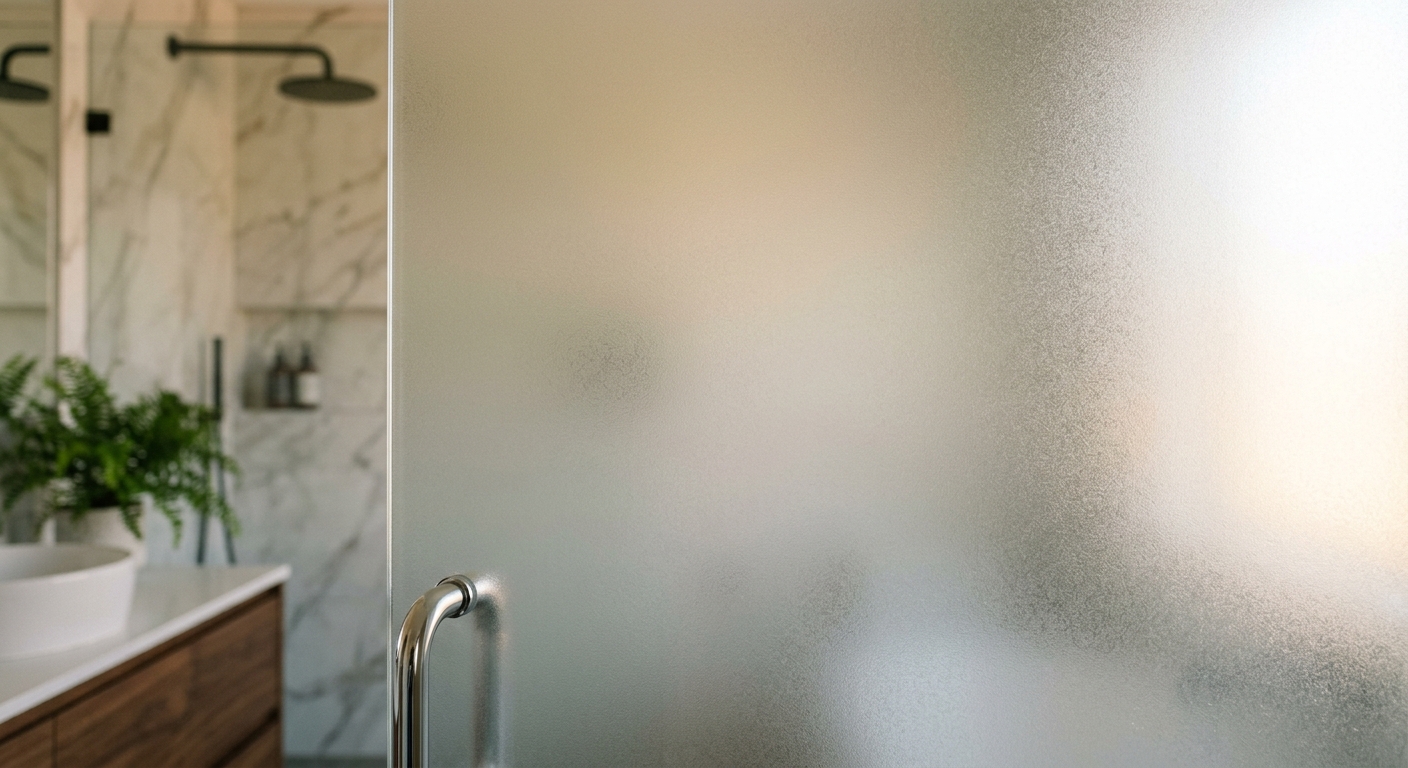
Equally, the use of glass finishes extends to shower enclosures and bathroom surfaces. Satin-finished or textured glass eliminates the visibility of soap scum and watermarks, ensuring that maintaining an elegant appearance is effortless. Etched glass is particularly adept at creating privacy within showers while generating an illusion of space, crucial for compact bathrooms.
The use of decorative films can often be a substitute or enhancement to frosted glass for less permanent installations where styles may change. Easy to install and equally simple to remove, these films allow for a trial of motifs and designs without the commitment of permanent alterations.
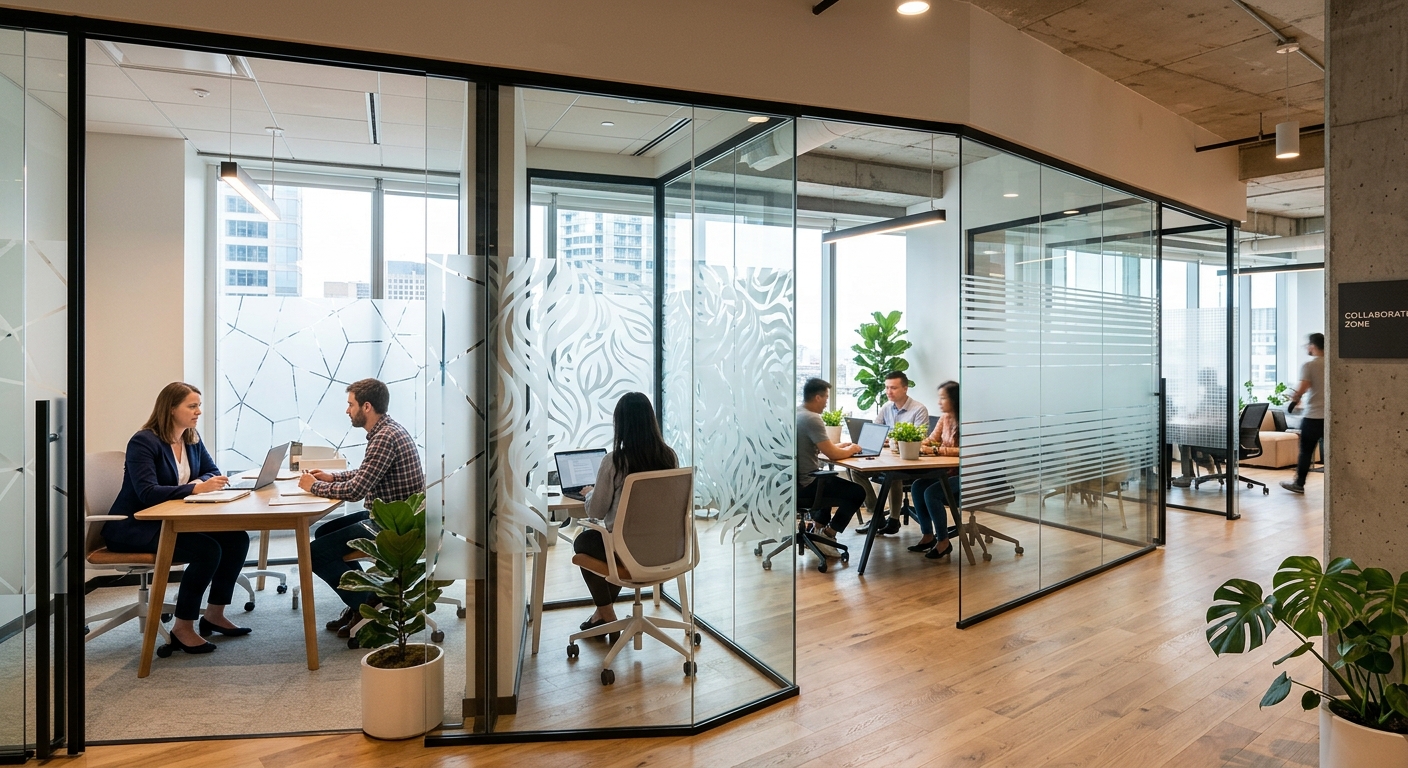
Lobby and entrance areas present another opportunity for the grand use of glass finishes, where elements such as satin-etched glass or textured options can form stunning centerpiece walls. They capture attention, create visual interest, and usher in natural light, establishing a hospitable and welcoming environment.
Balancing Beauty with Practicality
The thought of incorporating glass into design invariably raises valid concerns regarding maintenance and safety. However, innovation in glass technology has alleviated many of these concerns. Etched and textured glass finishes are generally more immune to fingerprints and smudges, thereby reducing the frequency of cleaning required. These surfaces not only retain a sophisticated appearance but also reduce the compromise on usability, making them ideal for high-traffic areas.
Integrating other materials—such as wood, metal, or stone—further elevates the appeal of glass finishes. For example, juxtaposing sleek glass with rustic wooden beams or textured stone can achieve a harmonious balance between modernity and tradition. This artful layering invites viewers into a dynamic conversation among the elements, revealing the subtly intricate dialogues that materiality can provide.
Lighting design also plays an essential role in accentuating the beauty of glass finishes. To truly maximize daylight diffusion, soft ambient lighting that complements the qualities of glass—both its transparency and texture—should be utilized. Between carefully curated luminance and the strategic placement of glass finishes, spaces transform into sanctuaries of elegance and refined simplicity.
Conclusion
As the accessibility of advanced glass finishes continues to grow, so too does their transformative potential in both luxurious and everyday interiors. From the tactile, luminous quality of etched glass to the seamless practicality of decorative films, each finish offers a remarkable enhancement to the aesthetic experience, while simultaneously serving essential functions of light, privacy, and safety.
Understanding both types of finishes and their applications helps designers embrace this exquisite material in diverse spaces, ensuring that glass remains not just a transparent surface, but a dynamic participant in the orchestration of interior narratives. As the trend toward energy-efficient designs continues, the aesthetic advancements and innovations in glass applications reaffirm the material’s place at the forefront of modern interior design.
In embracing the blend of beauty, function, and eco-consciousness that glass finishes promote, we not only enhance the quality of our interiors but also push the boundaries of design in thoughtful and responsible ways. Ultimately, glass will continue to be an essential element in the realm of interior design—a testament to its enduring elegance and versatility.

No Comment! Be the first one.