

Building for the Future: Flood-Resistant Design for Sustainable Homes
As climate change accelerates, the frequency and intensity of flooding are becoming all too common in North America. Homeowners face the challenge of rising water levels and their devastating implications. This article aims to empower readers with practical, achievable flood-resistant design strategies. Implementing these ideas will not only help protect homes but also promote environmental responsibility and climate-conscious living.
Table Of Content
- Understanding Flood Risks: Why Design Matters
- Key Flood-Resistant Design Techniques
- Structural Strategies: Elevation and Materials
- Non-Structural Approaches: Site Planning and Water Management
- Choosing Sustainable Materials for Resilience
- Incorporating Green Landscaping and Water Management
- Conclusion: Embracing a Resilient Future
Understanding Flood Risks: Why Design Matters
Flood risk is intensifying across both the United States and Canada due to climate change. The National Oceanic and Atmospheric Administration (NOAA) reports a marked increase in billion-dollar disasters linked to flooding. In 2024, there were 27 distinct billion-dollar weather disasters, with an estimated total damage costing around $182.7 billion. In the past five years, catastrophic events have incurred a staggering total of $684.4 billion in losses.
Canada, recognized for its beautiful landscapes and waterways, has labeled flooding as the most prevalent and costly natural disaster. The Canadian government is taking measures such as the National Disaster Mitigation Program (NDMP), which employs comprehensive risk assessments and flood mapping, along with enhancing access to private flood insurance. This push emphasizes the necessity of integrative risk-informed planning and non-structural mitigation strategies in designing resilient homes.
Key Flood-Resistant Design Techniques
To equip homeowners with effective flood-resistant design strategies, we must first differentiate between structural and non-structural approaches. Structural strategies generally entail actions that modify the building’s form or composition, while non-structural efforts focus on the surrounding environment and water management methods.
Structural Strategies: Elevation and Materials
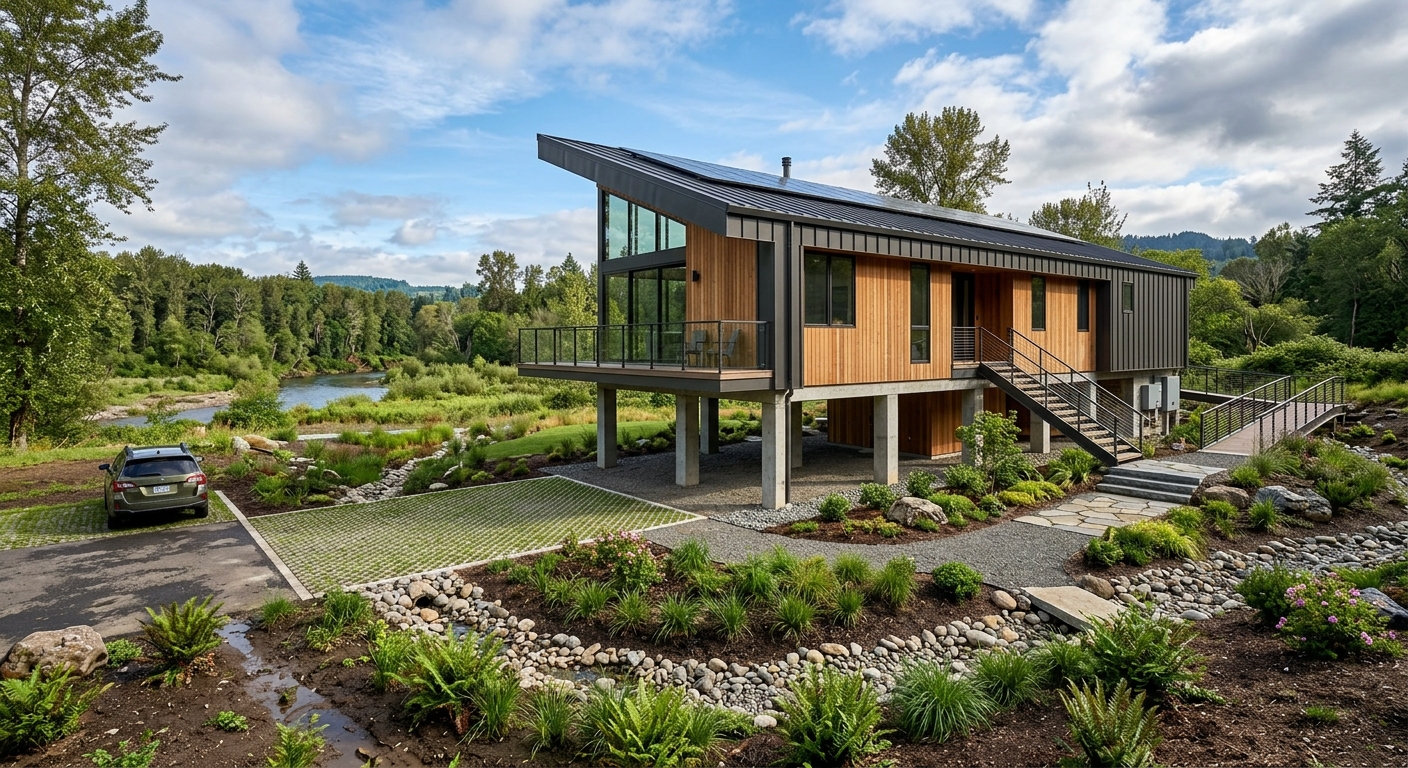
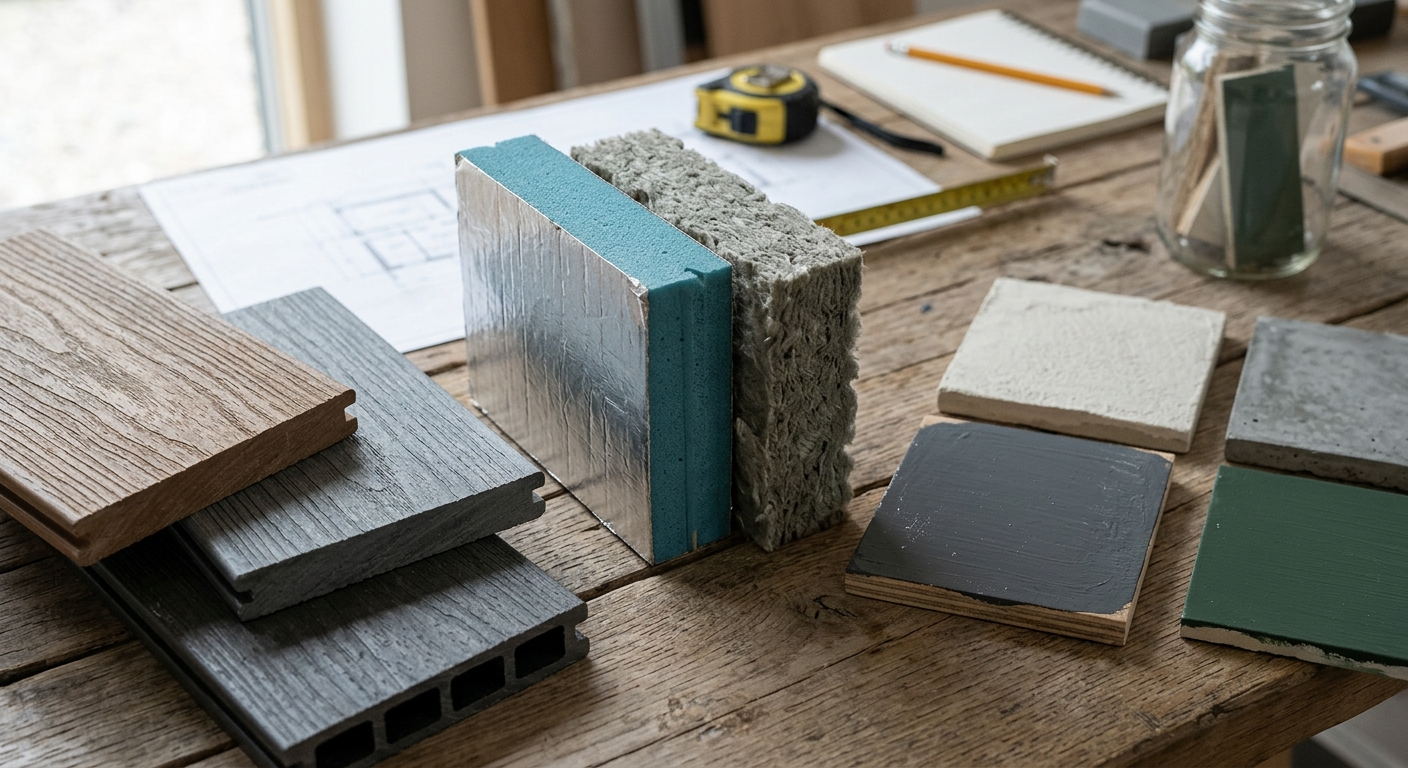
One fundamental strategy in flood-resistant design is elevating living spaces above the base flood elevation (BFE). By raising critical areas of the home, such as the main floor, homeowners can significantly reduce their risk of water damage. This practice is particularly effective in regions that experience frequent flooding. Additionally, elevating the building allows for more effective drainage.
Selecting flood-damage-resistant materials is another critical component of structural flood resilience. According to guidance from FEMA, building components located below the flood elevation should utilize materials that can withstand inundation, such as concrete, brick, and treated wood. These materials can minimize damage and enhance durability in the face of rising waters.
Non-Structural Approaches: Site Planning and Water Management
Beyond the structure itself, homeowners must consider non-structural elements in flood-resistant design. Effective site planning involves grading the land to encourage water drainage away from the foundation. This can include creating swales or berms in the landscape that naturally channel excess water or integrating permeable pavements that allow for water absorption, preserving the natural hydrology of the area.
Proper drainage systems, such as French drains or stormwater management solutions, further enhance resilience by directing water away from critical areas. Homeowners can also evaluate their land-use decisions, ensuring that their homes are not built in high-risk flood zones.
Choosing Sustainable Materials for Resilience
Incorporating sustainable materials is an ethical choice that aligns with the goal of creating climate-resilient homes. Choosing materials with lower environmental impacts not only benefits the planet but improves the longevity of the structure. It’s vital to understand the properties of different materials when planning flood-resistant designs.
For instance, materials such as insulated concrete forms (ICFs) and closed-cell spray foam not only provide insulation but also resist moisture, supporting healthier indoor air quality. In addition, utilizing reclaimed materials can minimize waste while maintaining aesthetics and character.
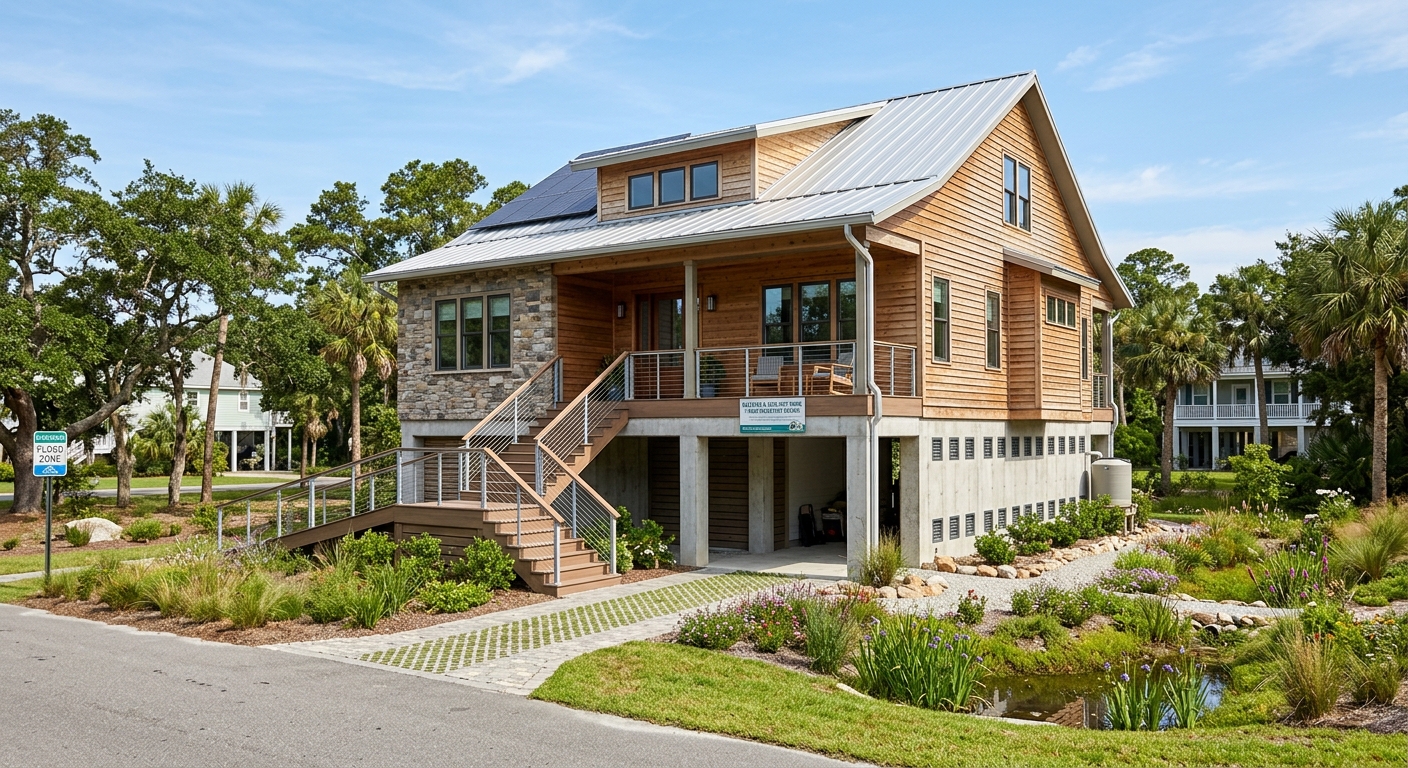
Integrating eco-friendly finishes, like moisture-resistant plywood or recycled steel, can also enhance the overall resilience of a home. The choice of materials has significant implications for energy efficiency and sustainability, making this an important area for mindful selection.
Incorporating Green Landscaping and Water Management
Landscaping plays a vital role in mitigating flood risks. Choosing native plants that require less water and are more resilient to flooding can create a more sustainable landscape while supporting local ecosystems. Implementing rain gardens and bioswales can effectively manage excess rainfall and redirect water away from homes, thus protecting property.
Moreover, installing permeable pavers instead of traditional pavement allows water to infiltrate the ground, reducing runoff and diminishing the risk of erosion. When done thoughtfully, landscaping can integrate aesthetics with functionality, enhancing the property while providing much-needed defenses against water intrusion.
Furthermore, homeowners can consider utilizing rain barrels to capture rainwater for reuse in gardens and landscaping, a great way to conserve water and alleviate pressure on stormwater systems.
Conclusion: Embracing a Resilient Future
As flood risks continue to escalate, it is crucial for homeowners to take proactive steps in flood-resistant design. Through an informed choice of structural and non-structural strategies, as well as sustainable materials and effective water management, homeowners can create resilient, eco-friendly homes. The path toward lasting flood resilience requires understanding and collaboration, ensuring safety without compromising environmental consciousness.
By implementing the strategies and recommendations outlined in this article, homeowners should feel empowered to make meaningful changes. Building for the future necessitates not just individual responsibility but a collective commitment toward a more sustainable world where homes can withstand the challenges of climate change.

No Comment! Be the first one.