



Home comfort is deeply personal. It lives in the way your chair supports you at the end of a long day, the way your bedroom helps you rest without effort, and the way your living room can shift from a quiet reading nook to a family gathering space in minutes. When a home works with your routines instead of against them, everyday life feels lighter, calmer, and more enjoyable.
Table Of Content
- What Adaptive Furniture Really Means
- Why Adaptive Furniture Matters More Than Ever
- The Emotional Value of a Flexible Home
- Common Types of Adaptive Furniture
- Adaptive Furniture Is Not Only for One Stage of Life
- How to Choose Adaptive Furniture for Real Comfort
- A helpful selection checklist
- Room-by-Room Ideas for a More Adaptive Home
- The living room
- The bedroom
- The home office
- The dining area
- Adaptive Furniture and the Whole Home Ecosystem
- Smart Furniture Without the Gimmicks
- Style, Warmth, and the End of the Clinical Look
- Mistakes to Avoid When Buying Adaptive Furniture
- Creating a Home That Can Grow with You
That is where adaptive furniture becomes so valuable. Rather than serving only one fixed purpose, adaptive furniture is designed to respond to changing needs, body positions, room sizes, and life stages. It can rise, fold, extend, recline, separate, stack, store, and sometimes even move with the touch of a button. The result is not simply a more efficient room, but a more forgiving and supportive home.
For many people, the phrase may sound technical at first, but the emotional appeal is simple. Adaptive furniture reduces friction in daily life. It can make mornings easier, work more comfortable, caregiving less physically demanding, and evenings more restful. It also helps a home feel ready for change, whether that change comes from a growing family, a new remote work routine, a temporary injury, downsizing, or the desire to age in place with dignity and ease.
Across Canada and North America, this way of thinking is becoming more important. Accessibility Standards Canada released the CAN/ASC-2.8:2025 Accessible-Ready Housing standard to help homes become easier to adapt over time. Earlier guidance, including CSA/ASC B652:23 Accessible dwellings, also offers evidence-informed recommendations around room layouts, controls, flooring, lighting, and circulation. These developments reflect a wider truth: comfort, accessibility, and flexibility are not fringe concerns. They are part of creating homes that work well for real people through changing circumstances.
This guide takes a lifestyle-focused look at adaptive furniture, with attention to beauty, comfort, safety, and emotional well-being. If you want a home that feels more welcoming, more functional, and more aligned with the way you actually live, adaptive furniture is one of the most effective places to begin.
What Adaptive Furniture Really Means
Adaptive furniture is furniture designed to adjust to people rather than forcing people to adjust to furniture. That can mean physical adjustability, like a desk that changes height or a bed that raises at the head and feet. It can also mean modularity, such as sofas that rearrange into different seating layouts, or multifunctionality, like an ottoman with storage and mobility-friendly proportions.
The most useful definition is broad and practical. Adaptive furniture includes pieces that support changing activities, changing bodies, and changing households. Some items are simple and low-tech, such as a sturdy armchair with supportive arms and the right seat height for easy standing. Others include smart or motorized features that make movement smoother and more intuitive. Both belong in the conversation because both can improve daily living.
Importantly, adaptive furniture is not only for seniors or people with disabilities. It is for parents who need a nursery chair that supports feeding and recovery. It is for renters in small apartments who need one room to serve multiple purposes. It is for hybrid workers who do not want their dining table to become an all-day office. It is for anyone who wants a home to feel more responsive and less demanding.
There is also a style misconception worth letting go of. Many people still imagine adaptive furniture as institutional, bulky, or visibly medical. In reality, modern design has evolved beautifully. Today, adaptive pieces often look like elegant contemporary furnishings with hidden strengths such as better proportions, discreet mechanisms, integrated charging, or easier-to-grip hardware. Supportive design no longer needs to announce itself.
Why Adaptive Furniture Matters More Than Ever
Our homes are carrying more responsibilities than ever before. They are places for rest, work, exercise, caregiving, recovery, socializing, and sometimes long-term aging in place. When a single space has to support multiple roles, fixed furniture can start to feel limiting. Adaptive furniture offers a gentler, more flexible solution by helping rooms transition with less strain and less clutter.
Demographics also make this conversation increasingly relevant. Canada’s National Research Council notes that, based on Statistics Canada projections, people aged 65 and older could represent 25 percent of the population by 2051. The same body has highlighted that about 9 in 10 Canadians aged 65 and older live in private homes, with nearly one-third living alone. Those numbers point to a future in which home comfort and adaptability matter not only for aesthetics, but for independence and quality of life.
There is a strong human case behind that planning. NRC Canada has also cited evidence suggesting that 11 percent to 22 percent of older adults who moved to nursing homes could potentially have remained at home with proper supports. While furniture is only one part of that support system, it can meaningfully reduce physical barriers. A well-chosen bed, chair, desk, storage unit, or dining setup can turn everyday tasks into experiences that feel safer and less exhausting.
Safety plays an important role too. The CDC states that falls are the leading cause of injury for adults 65 and older, with over 14 million older adults in the United States reporting a fall each year. About 37 percent of those falls involve an injury requiring medical treatment or restricted activity. This makes seemingly small details such as seat height, arm support, stable bases, and open pathways far more important than many people realize.
Adaptive furniture is not just about doing more with less space. It is about creating a home that asks less of your body and gives more back in ease, confidence, and comfort.
The Emotional Value of a Flexible Home
One of the most overlooked benefits of adaptive furniture is emotional relief. A home that is easy to use can lower stress in quiet but powerful ways. It can reduce the frustration of dragging heavy pieces around, the discomfort of sitting in the wrong position for hours, or the embarrassment of having guests struggle to navigate tight layouts. Good design often feels like exhaling.
There is comfort in knowing your space can change with you. Life is not static, and our homes should not be either. A room that supports a new baby, a healing body, a changing work schedule, or a parent moving in becomes more than functional. It becomes emotionally intelligent. It reflects care, foresight, and the belief that comfort should evolve with real life.
Adaptive furniture also helps preserve beauty during transitions. Instead of filling a room with temporary fixes that feel disconnected from the rest of your home, you can choose pieces that meet practical needs while maintaining warmth and style. That matters because people are more likely to embrace supportive design when it still feels like their home, not a compromise.
For many households, this is the heart of comfort engineering. It is not merely engineering comfort through dimensions and materials, though those things matter. It is also engineering reassurance. It is creating a home that quietly says, “You are supported here.”
Common Types of Adaptive Furniture
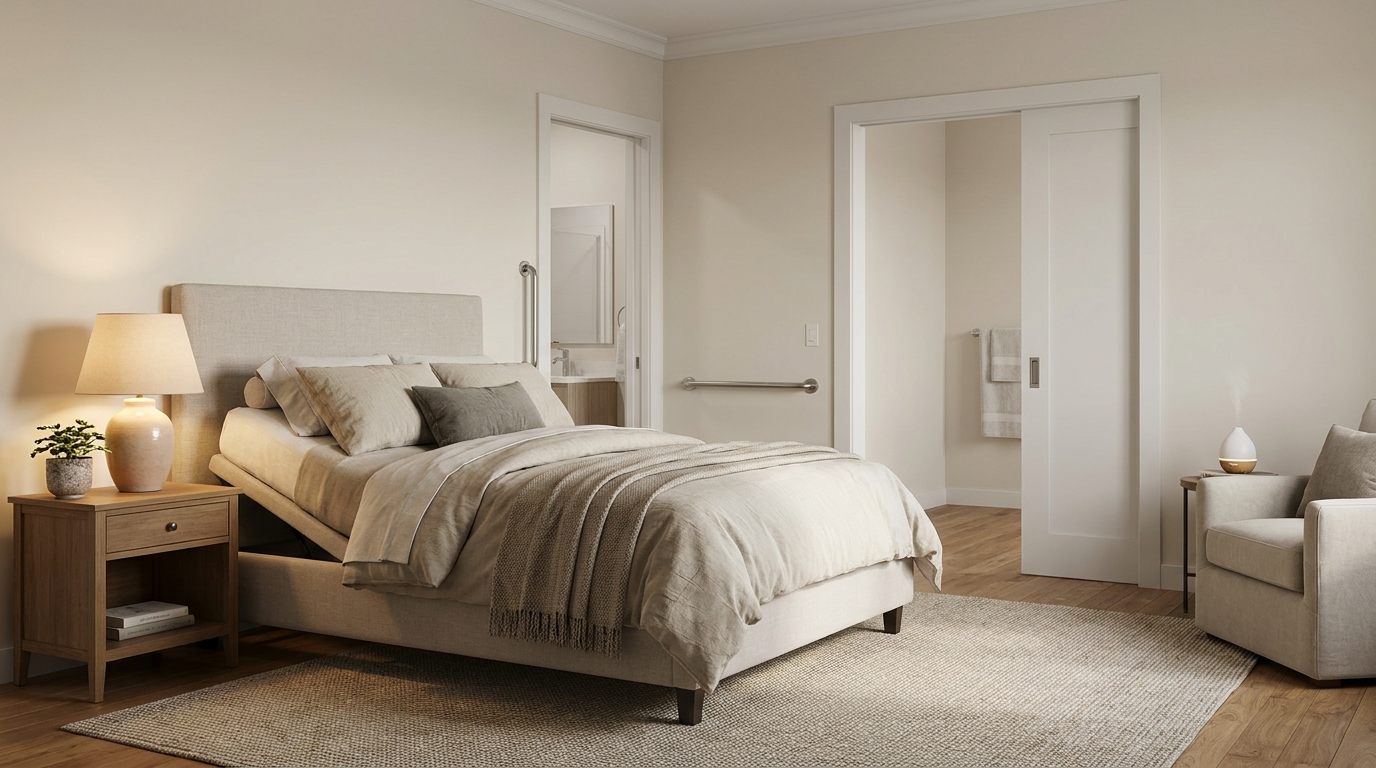
The world of adaptive furniture is wide, but certain categories tend to have the biggest impact. Adjustable beds are one of the clearest examples. They can support better reading posture, easier recovery, and more comfortable resting positions. Grand View Research projects the U.S. adjustable bed frames market to grow steadily from 2025 to 2033, reflecting the broader consumer shift toward comfort and customization in the bedroom.
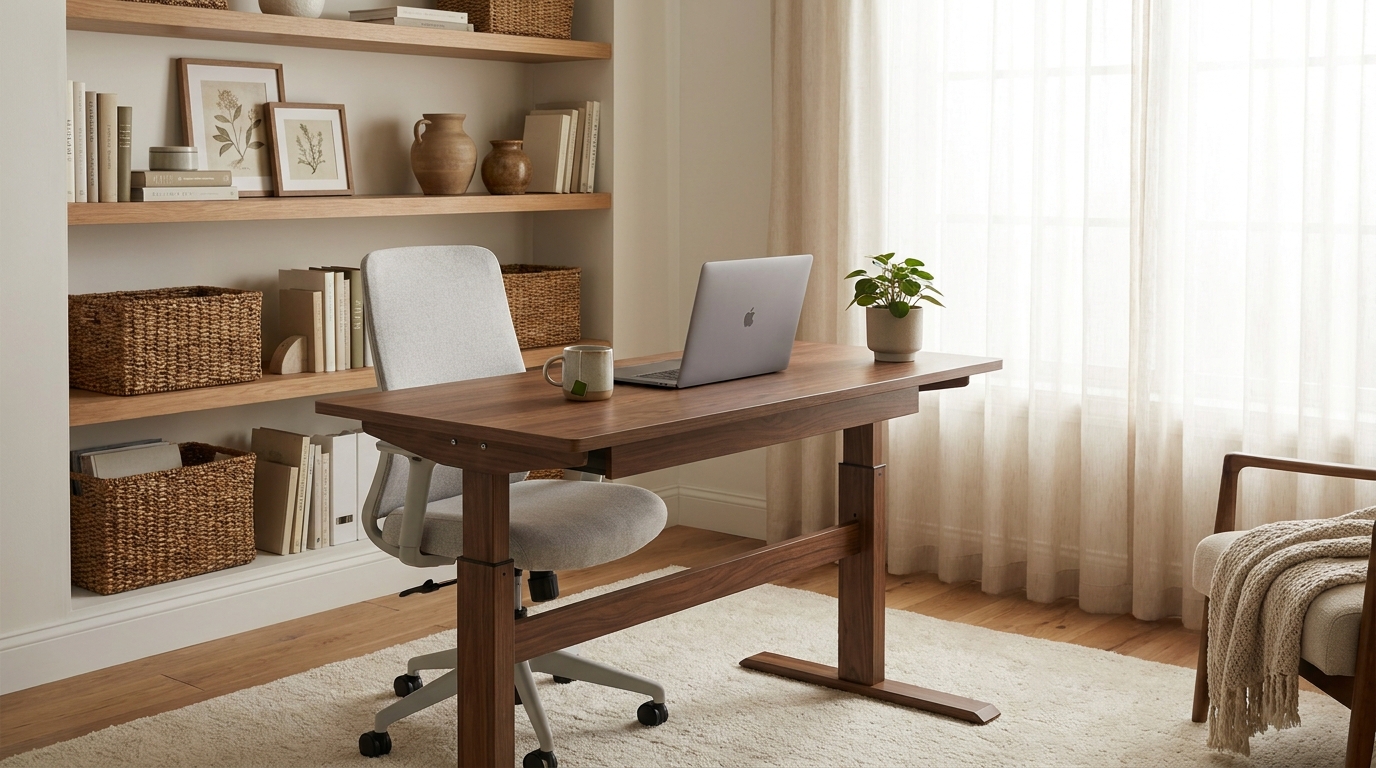
In home offices, sit-stand desks and supportive ergonomic seating have become increasingly common. They help people vary posture through the day and adapt a room to both focused work and everyday household use. As hybrid work remains part of modern life, these pieces offer a way to protect comfort without letting the office atmosphere take over the entire home.
Living rooms benefit from modular seating, lift-top coffee tables, nesting tables, storage ottomans, and recliners with supportive proportions. These pieces can serve conversation, relaxation, entertainment, and caregiving without requiring a full redesign every time the room’s purpose changes. In smaller homes especially, modular furniture can feel like a practical luxury because it makes one room feel more generous.
Dining areas and kitchens can also be transformed with adaptive thinking. Extendable dining tables, chairs with supportive backs and arms, rolling carts, and storage pieces that keep essentials within easier reach all contribute to a more inviting everyday experience. When dining furniture is stable, comfortable, and easy to move around, meals feel less effortful and more enjoyable.
Bedrooms and entryways deserve equal attention. Benches at the foot of the bed, nightstands with accessible drawers, wardrobes with adjustable interiors, and entry seating with shoe storage can all make routines smoother. The best adaptive furniture is often the furniture that saves you small amounts of effort dozens of times each week.
Adaptive Furniture Is Not Only for One Stage of Life
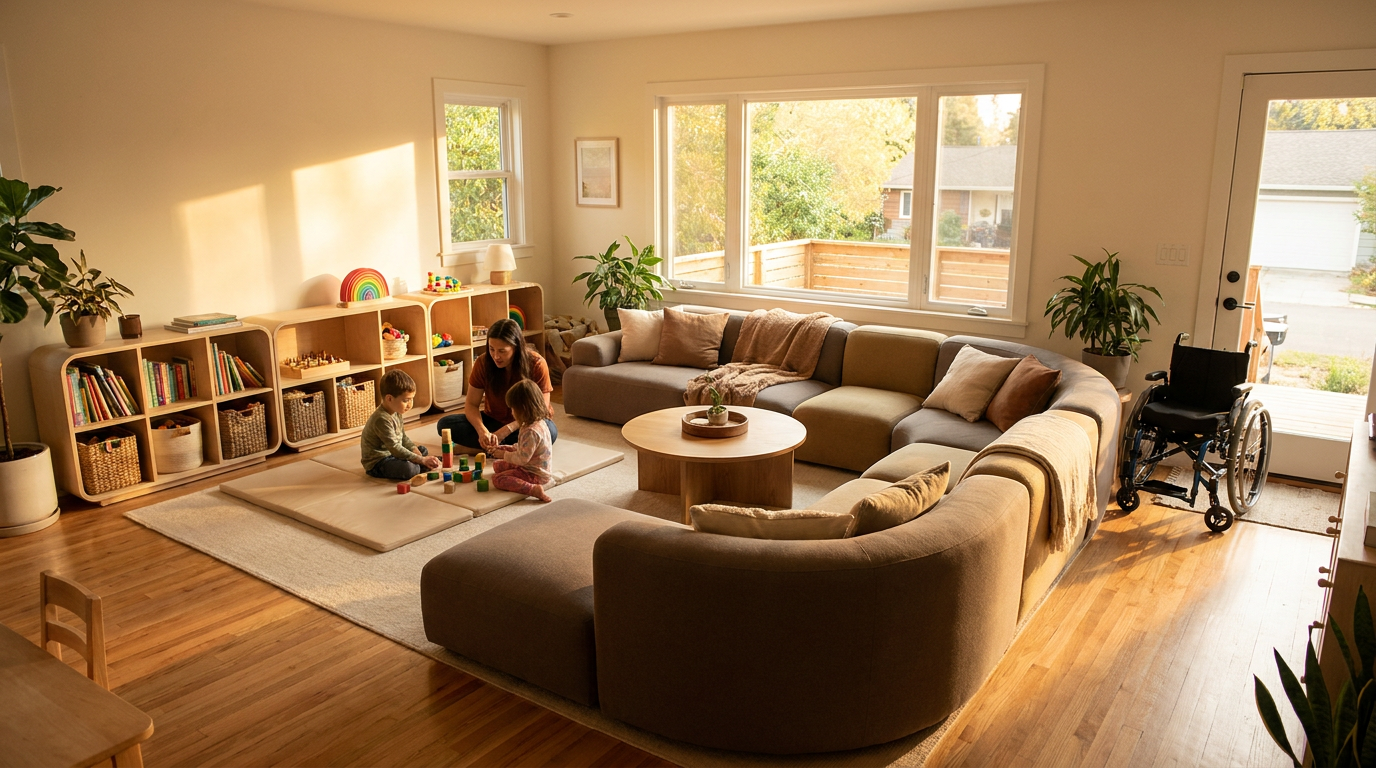
It is important to resist the idea that adaptive furniture belongs only to later life. In truth, it supports a wide range of households and circumstances. A family with young children may need soft-edged modular seating, wipeable upholstery, and dining furniture that can handle mess and movement. A person recovering from surgery may need a chair that is easier to rise from and a side table that keeps essentials close at hand. A young professional in a studio apartment may need furniture that shifts from daytime productivity to evening relaxation without visual chaos.
Even entertaining becomes easier in an adaptive home. Flexible seating can expand for guests, nesting tables can appear when needed and disappear when not, and multipurpose pieces can help a room feel open one moment and intimate the next. Good hosting often depends less on square footage and more on how thoughtfully a room can flex.
For multigenerational households, adaptive furniture can be especially meaningful. It allows different ages, sizes, and mobility levels to share a space more comfortably. A supportive armchair for a grandparent, a stable table for homework, and modular seating for movie night can coexist beautifully. Inclusive design works best when it feels natural rather than segmented.
That universality connects closely with the broader ideas of universal design and accessible-ready housing. The goal is not to create a home for a narrow moment. The goal is to create a home with enough built-in generosity to support many moments to come.
How to Choose Adaptive Furniture for Real Comfort
Choosing adaptive furniture well starts with routine, not trend. Before shopping, consider how a room is used across a normal week. Notice where discomfort tends to appear. Maybe your shoulders tighten after hours at your desk. Maybe your entryway becomes cluttered and hard to navigate. Maybe your favorite reading chair is lovely to look at but difficult to get out of. These observations are far more valuable than buying the piece with the most features.
Adjustability should be meaningful, not excessive. Ask whether the adjustment actually supports your habits. A desk that moves between sitting and standing may be useful every day. A complex mechanism you only use once a year probably is not. Simplicity can be a strength because furniture that is easy to operate is more likely to be used well.
Stability is another essential factor. A piece should feel secure when you sit, stand, lean, or reach. Wobble is not just annoying. It can undermine confidence and increase physical effort. If the furniture is meant to assist with transfers or posture, solid construction matters as much as aesthetics.
Seat height and depth deserve special attention in chairs, sofas, and beds. A seat that is too low can be difficult to rise from, while one that is too deep may reduce back support. The right proportions help a body settle naturally and move more easily. Likewise, bed height affects how comfortable it feels to get in and out, especially first thing in the morning and last thing at night.
Ease of use should always be tested if possible. Can you reach the controls comfortably? Do drawers glide without force? Are handles easy to grasp? If a piece depends on dexterity, strength, or repeated bending, think carefully about whether it truly reduces friction in your life.
Materials and maintenance also shape comfort. Durable upholstery, rounded edges, easy-clean finishes, and fabrics that feel pleasant against the skin all contribute to a more liveable home. Beautiful furniture should not make you anxious about daily use. The most comforting pieces invite you to relax into them.
Footprint and circulation space are critical too. Furniture should fit a room while preserving clear pathways. Accessibility guidance such as CSA/ASC B652:23 emphasizes the importance of area allowances, flooring considerations, protruding objects, controls, and lighting within the home. In practical terms, that means adaptive furniture works best when it supports movement rather than crowding it.
A helpful selection checklist
- Measure the room carefully, including door swings, walking paths, and turning space.
- Think about the body positions the furniture needs to support, such as sitting, standing, reclining, reading, working, or caregiving.
- Prioritize the features you will use most often.
- Check stability, weight capacity, and the quality of adjustment mechanisms.
- Choose materials that fit your household, whether that means pets, children, allergies, or heavy daily use.
- Make sure the style feels at home with the rest of your interior so the room remains emotionally comfortable as well as functional.
Room-by-Room Ideas for a More Adaptive Home
The living room
The living room often carries the heaviest emotional load in a home. It is where people gather, rest, host, and decompress. Adaptive choices here can include modular sectionals, chairs with supportive armrests, lift-top tables, flexible side tables, and hidden storage that keeps clutter from building. The aim is to create a room that feels open, welcoming, and easy to use from morning to night.
If possible, choose seating that supports conversation as well as relaxation. Deep, low sofas may look dramatic, but they are not always comfortable for all ages and body types. Balanced proportions, layered lighting, and movable surfaces create a room that feels both beautiful and considerate. When furniture supports different postures and social needs, people tend to linger more comfortably.
The bedroom
A bedroom should help the body recover. Adjustable beds, supportive reading backrests, reachable nightstands, and benches for dressing can make routines feel gentler. Bedroom comfort is often about reducing unnecessary movement in moments when the body is vulnerable, such as waking, settling in for sleep, or getting up during the night.
Pay attention to path clearance around the bed and the location of switches, lamps, and charging points. Grand View Research has highlighted strong interest in smart furniture across North America, and in the bedroom that trend can be helpful when it quietly supports ease. The best technology here is subtle and calming, not flashy.
The home office
A truly comfortable home office adapts to changing energy throughout the day. A sit-stand desk, a chair with supportive lumbar design, monitor risers, and storage within easy reach all help reduce strain. Since many people now work in shared or multipurpose rooms, foldaway desks or cabinets that hide office materials can preserve the home’s emotional warmth after work hours end.
Comfort engineering in the office is especially cumulative. Good seating matters, but so do task lighting, rug thickness, cable management, and how easy it is to change posture. A workspace that invites small resets throughout the day supports focus without draining the body.
The dining area
Dining spaces are often overlooked, but they shape how relaxed everyday meals feel. Tables with extension leaves, chairs with arms for some users, and layouts that preserve generous movement around the table can make dining more inclusive. If a space hosts homework, crafts, and meals, adaptive furniture helps those transitions happen without constant rearranging.
Consider surface finishes that tolerate real life and seating that feels supportive for longer conversations. A dining room should not only look ready for company. It should feel easy on an ordinary Tuesday too.
Adaptive Furniture and the Whole Home Ecosystem
Furniture never works in isolation. A beautifully adjustable chair will still feel frustrating if it sits on a slippery rug, under poor lighting, or behind an obstacle course of cords and baskets. This is why the most thoughtful approach connects adaptive furniture with the broader home environment. Comfort is cumulative, and so is strain.
Lighting is a perfect example. Better illumination makes it easier to use adjustment controls, read labels, move safely at night, and enjoy a room without eye fatigue. Flooring matters too. Stable, low-resistance surfaces are easier to navigate than thick, uneven transitions. Storage placement also shapes ease because reaching too high or too low repeatedly can turn small tasks into tiring ones.
Canadian accessible dwelling guidance underscores this whole-home perspective through attention to operating controls, protruding objects, area allowances, and room-by-room usability. In everyday language, that means the home should be arranged so that furniture and architecture cooperate. When they do, the result is not only safer. It is more graceful.
Think of adaptive furniture as one layer in a supportive home ecosystem. Pair it with clear pathways, thoughtful lighting, gentle textures, and intuitive storage, and a room begins to feel effortlessly liveable. That feeling is often what people mean when they say a home just works.
Smart Furniture Without the Gimmicks
Smart furniture is growing, with market research pointing to strong North American demand for adjustable and connected products. Yet the best smart features are not there to impress. They are there to reduce effort. Integrated charging, motorized recline, programmable bed positions, and memory settings can all be helpful if they simplify daily routines.
The key is discernment. More features do not automatically create more comfort. In fact, too much complexity can become another source of stress. A smart desk that is intuitive and quiet may be wonderful. A complicated app that you never want to open probably is not. The most successful pieces are the ones that fade into the background once they are doing their job well.
When evaluating smart furniture, think about reliability, ease of control, noise level, backup operation in case of power issues, and whether the feature serves a habit you already have. Technology should support rhythm and rest. It should not become another system to manage.
Style, Warmth, and the End of the Clinical Look
One of the happiest shifts in adaptive design is that support no longer has to look clinical. This matters more than people sometimes admit. When furniture looks warm, contemporary, and inviting, it blends into the emotional language of the home. That reduces resistance, preserves dignity, and encourages long-term use.
Soft upholstery, rounded silhouettes, natural woods, tactile fabrics, and calm colors all help adaptive pieces feel at ease in residential settings. Beautiful design invites ownership. It tells people they do not have to choose between being supported and being surrounded by things they love.
This is especially meaningful for aging in place. Canada’s age-friendly and housing guidance increasingly treats home modification and adaptability as part of aging in place rather than optional extras. When supportive elements are integrated early and attractively, they can become part of the home’s identity rather than emergency additions later on.
Accessible design and stylish design are not opposites. The most comforting rooms often succeed because they make support feel natural, elegant, and quietly reassuring.
Mistakes to Avoid When Buying Adaptive Furniture
A common mistake is buying for a hypothetical life instead of a real one. It is easy to get excited by dramatic transformations or feature-packed pieces that look impressive online. But if they do not suit your habits, dimensions, or space constraints, they can quickly become expensive clutter. Start with real routines and let those lead the decision.
Another mistake is ignoring scale. Adaptive furniture still needs breathing room around it. A recliner that cannot fully open without hitting a side table or an extendable table that blocks circulation when expanded will create frustration instead of relief. Measurements are part of comfort, not just logistics.
It is also unwise to focus only on one person if the room is shared. A supportive home should balance household needs as thoughtfully as possible. Sometimes that means blending a few targeted adaptive pieces with more general flexible furnishings so that everyone feels welcome in the space.
Finally, do not underestimate the power of trying before buying when possible. The feel of a seat, the ease of a control, and the confidence a piece inspires can be difficult to judge from product descriptions alone. Comfort is intimate, and firsthand experience tells you what specifications cannot.
Creating a Home That Can Grow with You
The most beautiful homes are not always the most formal or the most expensive. Very often, they are the homes that respond kindly to the people living in them. They allow for change without chaos. They support energy when life is full and softness when life is demanding. Adaptive furniture fits naturally into that vision because it treats comfort as an ongoing relationship rather than a fixed style choice.
Whether you are redesigning one room or rethinking your entire home, adaptive furniture offers a deeply practical form of luxury. It gives back time, ease, and confidence. It can make work less tiring, hosting less awkward, recovery less frustrating, and rest more restorative. Those benefits may seem quiet on the surface, but together they shape the emotional tone of daily life.
If you are just starting, begin with the room that creates the most friction. Maybe that is the bedroom, where better support could improve sleep and mornings. Maybe it is the home office, where posture and focus need attention. Or maybe it is the living room, where everyone gathers and where comfort should feel most universal. A single thoughtful change can often reveal what your home has been asking for all along.
In the end, adaptive furniture is not about turning a home into a machine. It is about making a home more humane. It is about creating rooms that are easier to inhabit, easier to share, and easier to love through every stage of life. When furniture becomes more flexible, the entire home can feel more generous. And that kind of comfort is always worth making space for.

No Comment! Be the first one.