
Pinnacle One Yonge and the Long Game of Vertical City Building
Toronto has just topped out on something bigger than a building. The Pinnacle SkyTower, now standing 106 storeys at the foot of Yonge Street, is not simply a record holder for height. It is a case study in how a single master-planned site can be sequenced, financed, and adapted over more than a decade to match a city’s shifting appetite for density.
Pinnacle International did not set out to build the tallest residential tower in Canada in isolation. This 958-unit tower is one piece of the 4.4-million-square-foot Pinnacle One Yonge development, a site that also includes the completed Prestige tower, a converted hotel from the former Toronto Star office building, a proposed 92-storey north parcel, and years of streetscape work still underway through 2027. That is the real story here. Height gets the headlines, but the discipline behind a phased, decade-plus build-out is what actually delivers a functioning neighbourhood.
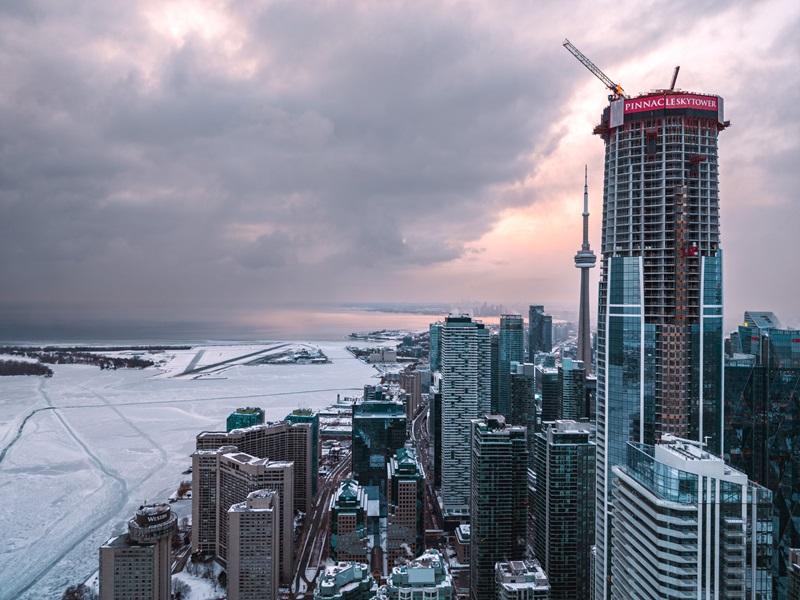
What stands out from a land strategy perspective is the flexibility built into the plan. The tower was originally approved at 95 storeys before Pinnacle secured permission to push it to 106, a level with the CN Tower’s main observation deck. That kind of upward revision does not happen without a site plan that anticipated growth and a developer willing to work through the entitlement process a second time. It reflects a broader pattern across Toronto’s core, where approved density is increasingly treated as a floor rather than a ceiling, provided infrastructure, transit access, and community amenities can support it.
The decision to convert the old Toronto Star building into a 468-room hotel rather than demolish it is also worth noting. Adaptive reuse of an existing structure inside a mega-project timeline is not the easiest path. It usually is not the cheapest either. But it preserves site character and shortens the critical path on at least one component while the taller towers work through longer construction cycles.
Strong projects are built from a wider understanding of timing, access, infrastructure, and the future identity of a community.
Sales activity tells its own story about where the market sits. Pinnacle’s vice-president of sales, Anson Kwok, described the tower as “well-sold” without disclosing figures, and confirmed the company has held back a block of high-floor units it is only now preparing to release. Notably, there are no incentives being offered despite the broader condo slump affecting Toronto, though pricing has been managed more conservatively than during the market’s peak years. That is a deliberate sequencing decision as much as a sales one, releasing premium inventory once the building has topped out and buyers can see the finished form rather than a rendering.
For anyone tracking how large development sites get built out over time, Pinnacle One Yonge is a useful reference point. A public community centre embedded in one tower’s podium, a hotel brand anchoring another, a converted heritage-adjacent office building, and a north parcel waiting for the right market window all sitting on one downtown site. It is a reminder that the biggest housing supply gains in a dense city rarely come from a single tower. They come from a developer’s willingness to plan a full site for the long term and adjust the sequence as conditions change.
Source: RENX